Danny Garick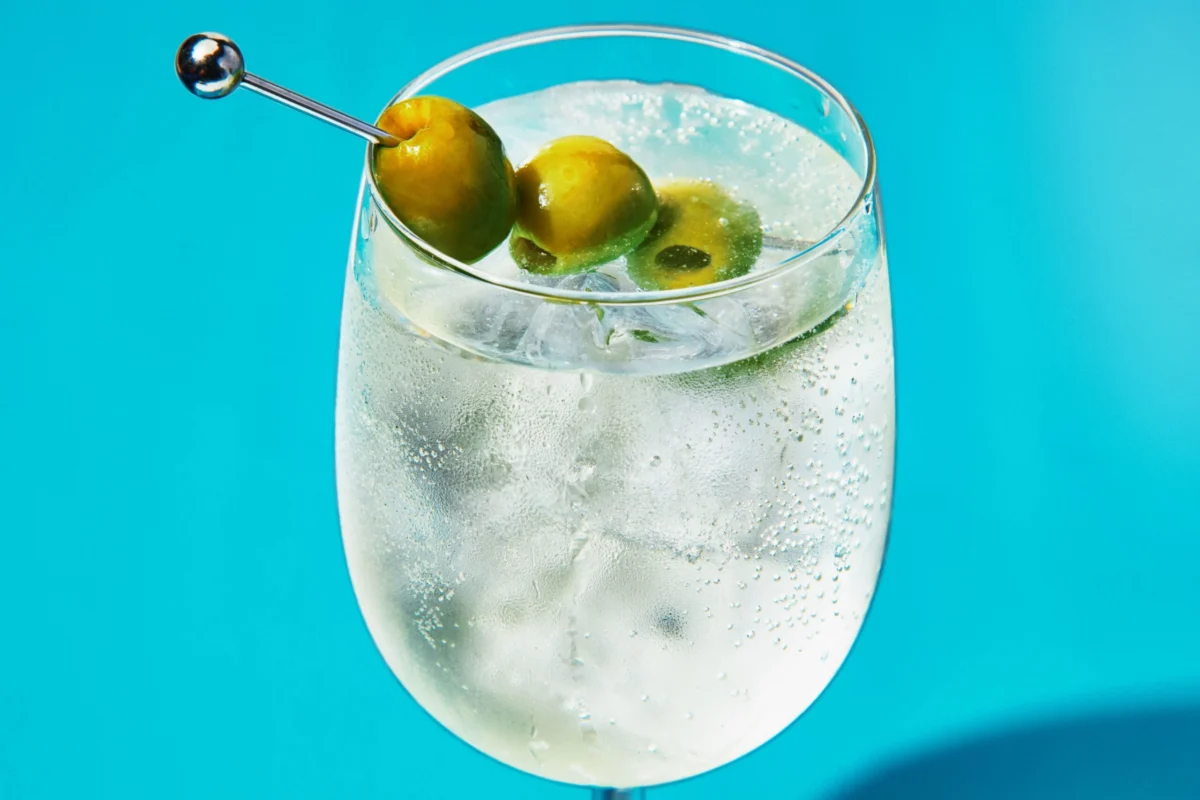
The global beverage industry is witnessing a significant shift in consumer preferences as the traditional boundaries between cocktail categories continue to blur. The emergence of the Dirty Martini Spritz serves as a primary example of this evolution, offering a sophisticated hybrid that marries the savory, high-proof intensity of a classic martini with the effervescent, sessionable qualities of a Mediterranean spritz. This drink, characterized by its use of vodka, dry vermouth, olive brine, and sparkling wine, is increasingly appearing on high-end bar menus as an answer to the growing demand for "savory-refreshing" flavor profiles. By preserving the saline backbone of a dirty martini while utilizing carbonation to open up the palate, the Dirty Martini Spritz addresses a specific gap in the market: the desire for a cocktail that is both complex and quaffable.
The Architectural Foundation of the Savory Spritz
The Dirty Martini Spritz is built upon a precise structural framework designed to balance acidity, salinity, and botanical depth. At its core, the drink relies on the crispness of Brut Champagne to provide a necessary acidic lift. Unlike sweeter sparkling wines, a Brut-style Champagne maintains its structural integrity when paired with savory elements like olive brine. The carbonation serves a dual purpose: it acts as a delivery system for the aromatic oils of the citrus garnish and provides a "scrubbing" effect on the palate, which prevents the richness of the vermouth and olive oils from becoming cloying.
A critical component of this drink is the selection of olives. Modern mixologists have largely gravitated toward the Castelvetrano variety, a green olive from the Valle del Belice region of Sicily. Known for their vibrant green hue and buttery, mild flavor, Castelvetrano olives produce a brine that is notably less aggressive than the salt-forward brines of Manzanilla or Pitted Queen olives. This subtle richness allows the brine to function as a seasoning agent rather than an overwhelming flavor, reinforcing the cocktail’s savory structure without masking the delicate botanicals of the dry vermouth.
To round out the flavor profile, the cocktail utilizes a "one-two citrus punch." Orange bitters—specifically those formulated with a high spice content, such as Regan’s Orange Bitters—are employed to bridge the gap between the brine and the herbal notes of the vermouth. This is complemented by the expression of fresh orange zest, which provides an immediate aromatic "lift" that precedes the first sip, a technique frequently used in classic cocktail construction to enhance the sensory experience.
Chronology of the Savory Cocktail Movement
The rise of the Dirty Martini Spritz can be traced through a specific timeline of beverage trends over the last decade.
- 2014–2018: The Spritz Hegemony. The Aperol Spritz rose to global dominance, fueled by social media and a consumer shift toward lower-alcohol-by-volume (low-ABV) drinks and "aperitivo culture."
- 2019–2021: The Savory Pivot. During the global pandemic, home mixology flourished. Consumers began experimenting with bolder, more complex flavors, leading to a massive resurgence of the Dirty Martini. High-profile endorsements from cultural figures like Stanley Tucci further solidified the martini’s status as the "it" drink of the era.
- 2022–2023: The Umami Explosion. The culinary world’s obsession with umami transitioned into the bar scene. Ingredients like MSG, tomato water, and concentrated brines began appearing in cocktails. The "Dirty Shirley" and "Espresso Martini" paved the way for more adventurous hybrids.
- 2024: The Integration Phase. The Dirty Martini Spritz emerged as the logical conclusion of these trends, combining the effervescence of the 2010s spritz craze with the savory, sophisticated profile of the 2020s martini revival.
Technical Analysis of Sparkling Wine Selection
The choice of sparkling wine is the most influential variable in the Dirty Martini Spritz’s final profile. While Brut Champagne is the gold standard for maintaining a "tight" and citrus-driven structure, economic and regional factors often lead bartenders to explore alternatives.
- Prosecco: Produced via the Charmat method, Prosecco tends to be more floral and fruit-forward. When used in a Dirty Martini Spritz, it softens the drink’s edges, making it more approachable for those who find the traditional martini profile too stark.
- Cava: Spain’s traditional-method sparkling wine often carries earthy, autolytic notes (yeasty flavors from aging on lees). This makes Cava a superior choice for those seeking to emphasize the savory, "dirty" aspects of the cocktail.
- Crémant: For high-volume environments, Crémant—sparkling wine made in the Champagne method but outside the Champagne region—offers a middle ground. It provides the refined bubble structure of Champagne at a more accessible price point, typically ranging from $15 to $25 per bottle.
Furthermore, the inclusion of club soda alongside sparkling wine is a deliberate technical choice. While sparkling wine provides flavor and body, club soda adds "pure" carbonation and volume without introducing additional sugars or acidity. This ensures the drink remains "sessionable"—meaning it can be consumed over a longer period without the palate fatigue associated with high-proof martinis.
Batching and Service Logistics for High-Volume Environments
As the Dirty Martini Spritz gains popularity in commercial settings, the ability to batch the cocktail has become essential for operational efficiency. Industry standards suggest that the base—a mixture of vodka, dry vermouth, olive brine, and orange bitters—can be pre-combined and chilled. This ensures consistency in the "savory core" of the drink.

For a standard service of eight cocktails, the following proportions are typically utilized by beverage directors:
- Base: 1½ cups vodka, 1¼ cups dry vermouth, ¼ cup olive brine, and 10 dashes of orange bitters.
- Finish: 1½ cups chilled sparkling wine and 1½ cups club soda.
The integration of carbonation must occur immediately prior to service to ensure the "spritz" element is preserved. The use of metal straws or cocktail picks to thread multiple Castelvetrano olives is not merely an aesthetic choice but a functional one, providing the consumer with a snack that complements the drink’s saline profile.
Market Data and Consumer Insights
Recent market research indicates a clear trajectory for savory cocktails. According to data from international beverage analysts, the "savory" flavor category in cocktails saw a 12% increase in menu mentions in 2023 alone. Furthermore, the "Dirty Martini" remains one of the top five most-ordered cocktails in North America and the United Kingdom.
Consumer behavior studies suggest that the "modern drinker" prioritizes two factors: "instagrammability" and "balance." The Dirty Martini Spritz satisfies both. The visual appeal of the effervescent wine glass, garnished with bright green olives and orange zest, meets the social media requirement, while the lower ABV (compared to a standard martini) aligns with the "mindful drinking" movement. By diluting the traditional 3-ounce martini with 4 to 6 ounces of bubbles and soda, the alcohol content per ounce is significantly reduced, allowing for a longer, more social drinking experience.
Industry Reactions and Professional Analysis
Professional mixologists have noted that the Dirty Martini Spritz represents a "democratization" of the martini. "The traditional martini can be intimidating due to its strength and the precision required in its temperature," says one New York-based beverage director. "The spritz format makes the flavors of a dirty martini accessible in a format that feels lighter and more festive."
Critics of the trend argue that the addition of water and bubbles dilutes the "purity" of the martini. However, proponents point out that the cocktail is not intended to replace the martini, but rather to expand the "spritz" category. This is supported by the rise of non-alcoholic variants, which use citrus-forward, booze-free amaros to replicate the botanical complexity of the drink without the ethanol, catering to the "sober-curious" demographic.
Broader Implications for the Beverage Industry
The success of the Dirty Martini Spritz is likely to trigger further innovation in the savory-sparkling category. Industry experts predict a rise in "Culinary Spritzes" that utilize ingredients like caper brine, pickled ramp juice, or even saline solutions infused with herbs like rosemary and thyme.
From an economic perspective, this trend benefits several sectors of the agricultural and spirits markets. It drives demand for premium vodka and high-quality dry vermouths, which have historically sat in the shadow of their sweeter counterparts. Additionally, it bolsters the export market for specific Mediterranean products, particularly Italian Castelvetrano olives and Spanish Cava.
As bars and restaurants look toward the 2025 season, the Dirty Martini Spritz stands as a testament to the enduring appeal of the "dirty" flavor profile and the versatility of the spritz format. It is a cocktail that reflects the current cultural moment: a sophisticated blend of tradition and innovation that prioritizes flavor, refreshment, and the social ritual of the aperitivo.