Danny Garick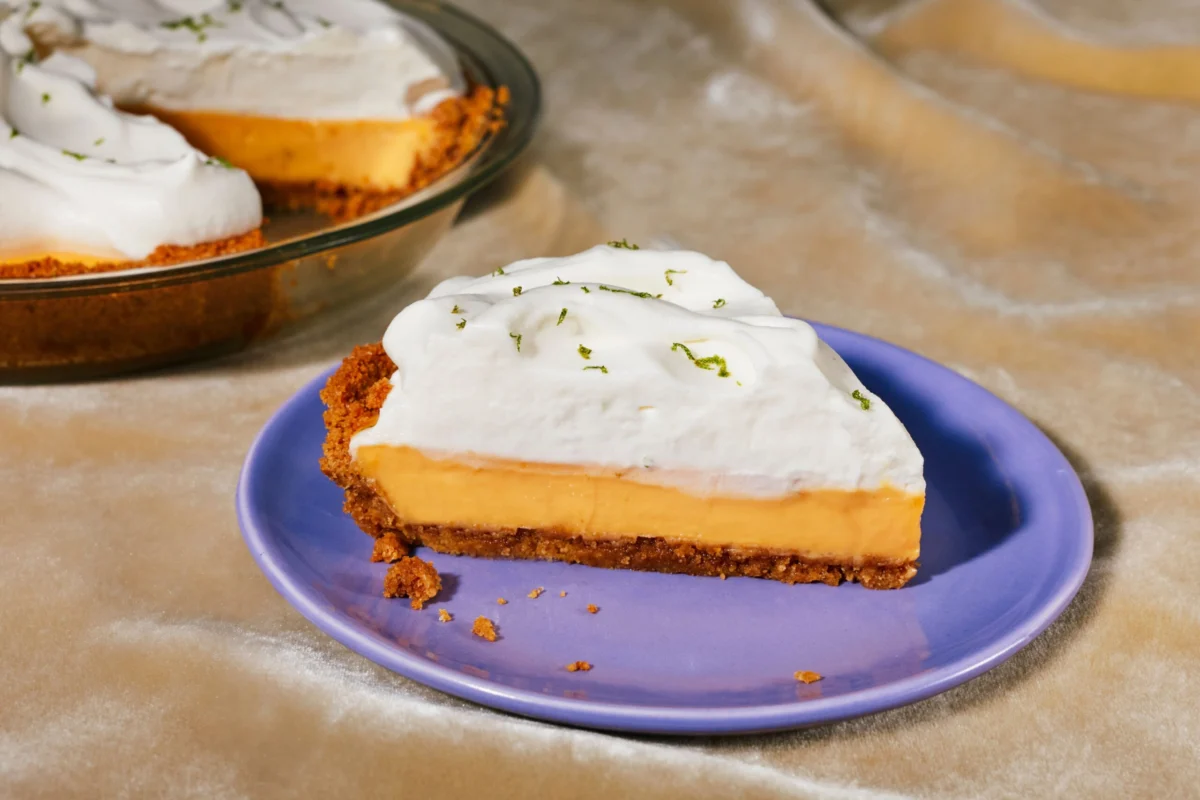
The modern Key lime pie is defined by a sophisticated equilibrium of contrasting textures and flavors, specifically a tangy and silky custard, a cloud of lightly sweetened whipped cream, and a robust, crunchy graham cracker crust. While the dessert is a staple of American confectionery, particularly in the Southeastern United States, achieving the ideal structural integrity remains a primary challenge for both professional pastry chefs and home bakers. Historically, the graham cracker crust has been criticized for its crumbly and fragile nature, which often complicates the presentation of the first slice. However, contemporary culinary techniques have introduced the addition of an egg yolk to the crust mixture—a modification that binds the crumbs, butter, and sugar into a resilient, sliceable base. This technical adjustment ensures that the pie maintains its form during the transition from the pie plate to the serving dish, effectively resolving the "first slice dilemma" that has long plagued the service of custard-based tarts.
Historical Context and the Florida Legacy
The origins of the Key lime pie are deeply rooted in the maritime history of Key West, Florida, dating back to the late 19th century. While folklore often credits "Aunt Sally," a cook for Florida’s first millionaire, William Curry, with the invention of the pie, historians suggest the recipe likely evolved from the dietary habits of local sponge fishermen. These maritime workers spent weeks at sea without access to fresh milk or refrigeration, relying instead on shelf-stable ingredients like sweetened condensed milk and canned crackers. The natural chemical reaction between the highly acidic juice of the small Key limes and the proteins in the condensed milk allowed the filling to thicken without the need for traditional oven baking—a process known as acid-induced denaturation.
In 2006, the Key lime pie was officially designated as the state pie of Florida, cementing its status as a cultural and culinary icon. Over the decades, the recipe has transitioned from a rustic survivalist meal to a refined dessert served in high-end establishments globally. The evolution of the dish has seen the introduction of the graham cracker crust as a replacement for traditional pastry dough, providing a salty-sweet counterpoint to the tartness of the citrus.
The Structural Engineering of the Graham Cracker Crust
The standard graham cracker crust typically consists of crushed crackers, granulated sugar, and melted butter. While this combination provides excellent flavor, it often lacks the tensile strength required to support a heavy custard filling. The inclusion of a single egg yolk serves as a protein-based emulsifier and binder. When subjected to the heat of a pre-bake, the proteins in the yolk coagulate, creating a microscopic web that reinforces the crumb structure.
Data from culinary test kitchens indicate that a pre-baked crust containing an egg yolk is 30% less likely to shatter upon impact with a dessert fork compared to traditional butter-only versions. Furthermore, this technique prevents the migration of moisture from the custard into the crust, a phenomenon known as "soggy bottom syndrome." By par-baking the crust for approximately 10 minutes at 350°F (177°C), the baker ensures that the base is fully set and crisp before the liquid filling is introduced.
The Chemical Synergy of the Filling
The defining characteristic of a Key lime pie is its custard, which relies on the interaction between three primary ingredients: sweetened condensed milk, egg yolks, and lime juice. Unlike traditional fruit pies that use cornstarch or flour as a thickener, the Key lime pie utilizes the science of acidity. The citric acid in the lime juice reacts with the casein proteins in the condensed milk, causing them to thicken and set.
While the original 19th-century versions were often unbaked, modern food safety standards and texture preferences dictate a brief period of baking. This ensures the egg yolks in the filling are pasteurized and contributes to a smoother, more stable mouthfeel. The resulting custard is characterized by its "silky" texture—a term used by food scientists to describe a fat-liquid emulsion that is dense enough to hold its shape but soft enough to dissolve quickly on the palate.
Sourcing and Botanical Nuances of Lime Varieties
A significant point of contention among culinary purists involves the selection of the fruit. The Key lime (Citrus aurantiifolia), also known as the Mexican or West Indian lime, is smaller, seedier, and more acidic than the ubiquitous Persian lime (Citrus latifolia). Key limes are prized for their floral aroma and a subtle, complex bitterness that provides depth to the dessert.
However, the Persian lime, which is the standard variety found in global supermarkets, serves as a functionally equivalent substitute. While the Persian lime lacks the specific terpene profile of the Key lime, it offers a brighter, sharper acidity and a significantly higher juice yield per fruit. Professional assessments suggest that while the aroma may differ, the structural and chemical performance of the juice remains consistent across both varieties. For the highest quality result, experts emphasize the use of fresh-squeezed juice over bottled alternatives, as bottled juice often undergoes pasteurization and oxidation, which can introduce a metallic or "cooked" flavor profile.
A Chronological Guide to Preparation and Execution
Achieving the perfect Key lime pie requires a disciplined adherence to a specific timeline. The process is divided into four critical phases:
- Preparation and Pre-baking (30 Minutes): The graham crackers are pulverized into a fine sand-like consistency and combined with sugar, melted butter, and the essential egg yolk. This mixture is pressed firmly into a pie plate and baked. This phase is crucial for establishing the structural foundation.
- Filling Assembly and Baking (20 Minutes): The custard—a blend of condensed milk, lime juice, and egg yolks—is poured into the warm crust. The pie is returned to the oven until the edges are set but the center retains a "slight wobble." This jiggle indicates that the proteins have not over-coagulated, which would lead to a rubbery or cracked surface.
- The Stabilization Phase (6 to 24 Hours): Refrigeration is perhaps the most overlooked step in the chronology. The pie requires a minimum of six hours, and ideally an overnight rest, to allow the fats and proteins to fully stabilize. During this time, the flavors meld and the texture transitions from a soft cream to a firm, sliceable custard.
- Finishing and Service (10 Minutes): Just before service, the pie is topped with velvety whipped cream and fresh lime zest. The zest provides an immediate olfactory hit of citrus oil, which enhances the perception of tartness in the filling.
Technical Benchmarks for Success and Common Pitfalls
To maintain a professional standard, bakers must monitor several key indicators of quality. An overbaked pie will often exhibit "weeping," where beads of moisture form on the surface, or a grainy texture caused by the over-denaturation of egg proteins. Conversely, an underbaked or insufficiently chilled pie will lack the viscosity required to hold a clean edge when sliced.
The "wobble test" remains the industry standard for determining doneness. When the pie plate is gently shaken, the filling should move as a single cohesive mass rather than exhibiting liquid ripples. If the center sloshes, it requires additional time; if it is completely rigid, it has likely been overcooked.
Broader Implications in Contemporary Culinary Arts
The refinement of the Key lime pie recipe reflects a broader trend in the culinary world: the application of food science to traditional regional dishes. By understanding the molecular role of ingredients like egg yolks and the pH-driven thickening of condensed milk, chefs are able to produce consistent, high-quality results that meet the expectations of modern consumers.
Furthermore, the adaptability of the dish—such as its ability to be frozen for up to one month without significant degradation of texture—makes it a highly efficient item for commercial food service. The ability to serve the pie frozen or thawed provides versatility for various climates and dining environments.
In the digital age, the "Instagrammability" of a dessert has become a factor in its commercial success. The development of a sturdy, egg-yolk-reinforced crust allows for the "perfect slice" photography that drives social media engagement and culinary tourism in regions like the Florida Keys. This intersection of tradition, science, and aesthetic presentation ensures that the Key lime pie remains a relevant and celebrated fixture in the global dessert repertoire.
Ultimately, the perfect Key lime pie is a testament to the importance of precision. From the selection of the limes to the exact moment the pie is removed from the oven, each step serves a specific functional purpose. By prioritizing structural integrity and textural contrast, the modern baker honors the humble maritime origins of the dish while elevating it to a pinnacle of pastry engineering.