Ferry Irwandi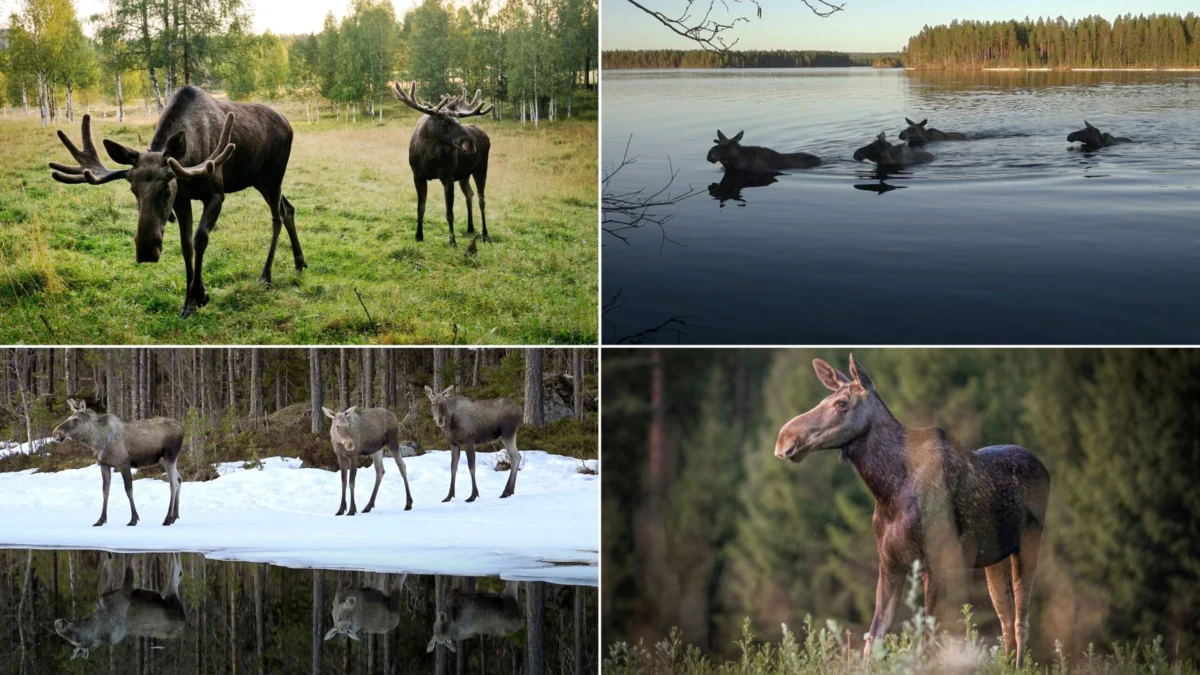
The annual migration of moose across the Ångerman River in northern Sweden has evolved from a local ecological ritual into a global digital phenomenon, drawing millions of viewers to a format known as Slow TV. Produced by the Swedish public broadcaster Sveriges Television (SVT), the program, titled Den Stora Älgvandringen (The Great Moose Migration), utilizes a sophisticated network of remote cameras to capture the spring movement of wildlife in real-time. What began as a niche experiment in 2019 has seen a dramatic surge in international popularity, reflecting a growing public appetite for unscripted, meditative nature content. In 2024, the broadcast reached a record-breaking nine million viewers, with nearly one-third of the audience tuning in from outside Sweden, signaling a shift in how digital media is consumed as a tool for stress reduction and environmental connection.
The Evolution of the Great Moose Migration
The Great Moose Migration first launched in 2019 with a relatively modest goal: to document the journey of moose as they travel from their wintering grounds to summer grazing pastures. During its inaugural year, the program attracted approximately one million viewers, a significant figure for a broadcast that often features hours of motionless landscape. By 2024, the viewership had increased ninefold. The 2025 season continued this trajectory, with data indicating that approximately 70 moose were spotted crossing the river during the primary observation window.
The program is centered in the High Coast (Höga Kusten) region of Ångermanland, a UNESCO-listed World Heritage site known for its unique geological history. The area is characterized by its dramatic "land uplift," where the earth continues to rise following the retreat of glaciers from the last ice age. This rugged terrain serves as a traditional migratory corridor for moose, who have navigated these specific routes for generations. SVT’s decision to broadcast this event 24/7 for several weeks each spring has turned a fleeting biological event into a communal viewing experience.
The Concept and Origins of Slow TV
The Great Moose Migration is a primary example of "Slow TV," a genre of television coverage that focuses on an ordinary event in its entirety, often in real-time. The concept gained international prominence in Norway in 2009, when the public broadcaster NRK aired a seven-hour continuous recording of a train journey from Bergen to Oslo. The unexpected success of that broadcast—which was watched by roughly 20 percent of the Norwegian population—paved the way for similar projects, including multi-day boat voyages and 24-hour knitting marathons.
The psychological appeal of Slow TV lies in its low cognitive load and its departure from the fast-paced, high-intensity editing characteristic of modern commercial media. For many viewers, the appeal is not the "action" itself, but the anticipation of it. The Great Moose Migration provides a sense of "ambient presence," allowing people to keep the stream running in the background of their daily lives. The stillness of the Swedish forest, punctuated only by the sound of wind, birdsong, or the occasional rustle of a fox or reindeer, offers a digital respite from the "heavy" nature of real-world news and urban environments.
Technical Infrastructure and Geographical Context
To bring the migration to a global audience, SVT employs a robust technical setup consisting of 30 remote cameras positioned across strategic points along the Ångerman River and the surrounding forests. This network produces more than 500 hours of live footage over the course of the season. The cameras are operated remotely from a control center, allowing technicians to pivot and zoom without disturbing the wildlife.

One of the most popular camera angles, known as "Entren," frequently scans the forest floor, mimicking the perspective of a quiet observer sitting at the base of a tree. The cameras are equipped with night-vision capabilities and high-sensitivity microphones to capture the "faceless" sounds of the wilderness—scavenging mystery animals, the cracking of ice, and the specific cadence of the spring breeze.
The timing of the broadcast is dictated by the seasonal change in northern Sweden. As the snow melts and the daylight increases by approximately six minutes each day, the moose begin their trek toward the river. The crossing of the Ångerman River is the most perilous and visually compelling part of the journey. The animals must navigate cold, moving water to reach the lush grazing grounds on the other side, a feat that demonstrates the species’ resilience and instinctual drive.
Global Demographics and Audience Reactions
The expansion of the program’s audience to nine million people in 2024 highlights a significant demographic shift. While the show was initially intended for a Swedish domestic audience, social media and digital streaming platforms have facilitated its spread to the United States, Germany, the United Kingdom, and beyond. This international interest suggests that the themes of the broadcast—nature, silence, and the cycles of the seasons—are universally resonant.
Sociologists and media analysts suggest that the rise in international viewership is linked to a broader "nature deficit" in urbanized societies. For a viewer living in a high-density environment like Brooklyn or London, the sight of a sun-drenched Swedish valley provides a vital connection to the natural world. Feedback from viewers often emphasizes the "soothing" and "perspective-shifting" nature of the stream. In an era of fragmented attention spans, the ability to focus on a single, slow-moving event provides a form of collective mindfulness.
The Broader Landscape of Nature Livestreams
The success of the Great Moose Migration is part of a larger trend in "eco-livestreaming." Various organizations around the world have adopted similar technology to foster public interest in conservation and biology.
- The Big Bear Valley Bald Eagle Cam: Located in Southern California, this livestream follows a pair of bald eagles, Jackie and Shadow, as they tend to their nest. Unlike the moose cam, which is characterized by vast landscapes and occasional sightings, the eagle cam offers an intimate, close-up look at avian life, including the hatching and feeding of chicks.
- The Fish Doorbell (Visdeurbel): In Utrecht, Netherlands, a unique interactive livestream allows viewers to assist in fish migration. When viewers see fish gathered at the Weerdsluis lock on the camera, they can "ring" a virtual doorbell. This alerts a lock operator to open the gate, allowing the fish to continue their journey to spawning grounds. This project combines Slow TV with "citizen science," engaging the public in active conservation.
These projects share a common thread: they use the internet to bridge the gap between human infrastructure and the natural world, proving that digital platforms can be utilized for environmental education rather than just commercial entertainment.
Analysis of Implications: Conservation and Mental Health
The Great Moose Migration has implications that extend beyond television ratings. From a conservation perspective, the program raises awareness about the importance of migratory corridors. By witnessing the challenges moose face—such as navigating human-impacted landscapes or crossing rivers—the public gains a deeper understanding of why habitat preservation is critical. The UNESCO status of the High Coast is further reinforced in the public consciousness, potentially boosting eco-tourism in a sustainable manner.

Furthermore, the "Slow TV" movement intersects with the growing field of environmental psychology. Research has consistently shown that even "indirect" exposure to nature—such as through video or photography—can lower cortisol levels and improve mood. The Great Moose Migration acts as a low-cost, accessible form of nature therapy for millions of people who may not have the means or physical ability to visit the Swedish wilderness in person.
Chronology of the 2024-2025 Seasons
The 2024 season was marked by a particularly late spring, which delayed some of the river crossings but increased the tension and anticipation for the audience. The eventual surge of moose across the water led to record engagement on SVT’s digital platforms.
The 2025 season, which concluded in early May, saw approximately 70 confirmed moose crossings. In addition to the primary subjects, the 30-camera array captured "cameos" from other regional wildlife, including otters, foxes, and a rare sighting of a bear emerging from hibernation. These unscripted moments serve as a reminder of the complexity of the Swedish ecosystem and the unpredictability of nature.
As SVT looks toward future iterations of the project, the focus remains on maintaining the "slow" integrity of the broadcast. While there is pressure to add more "action" or commentary, producers have largely resisted these changes, recognizing that the silence is precisely what the audience values most.
The Great Moose Migration stands as a testament to the power of minimalist storytelling. In a digital landscape often criticized for its toxicity and speed, the "moose cam" offers a rare space for quiet reflection. It confirms that millions of people are willing to wait hours for a single glimpse of a moose stepping into a river, finding in that fleeting moment a sense of peace and a reminder of the enduring rhythms of the natural world.