Nila Kartika Wati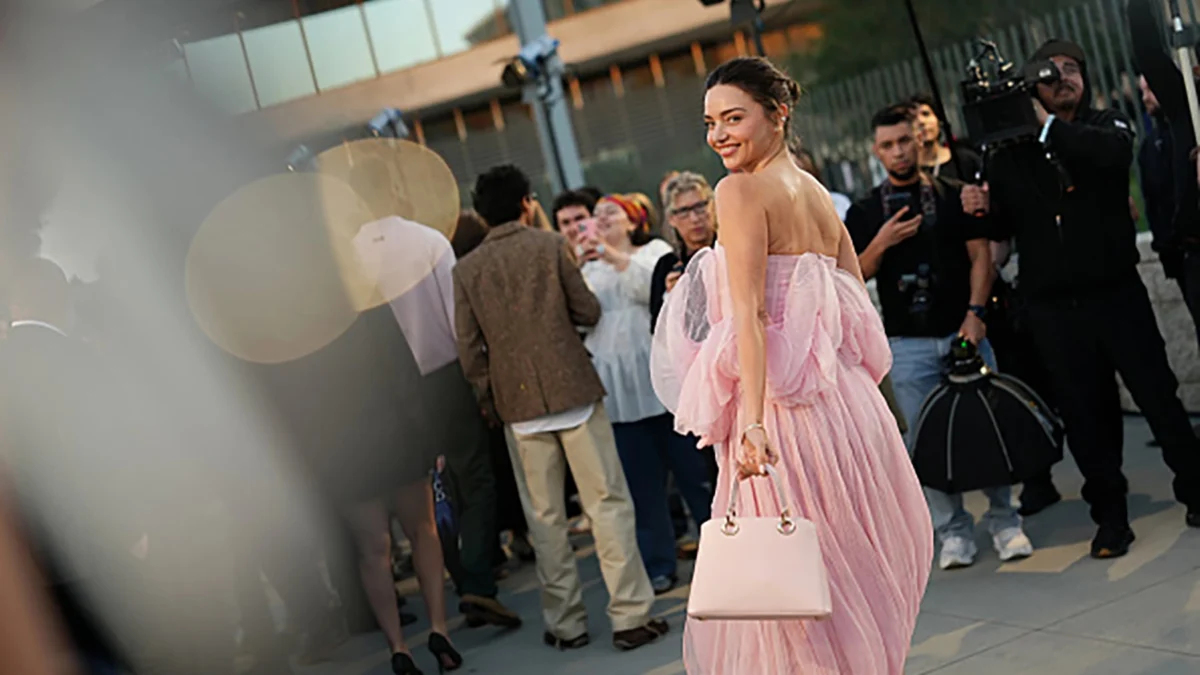
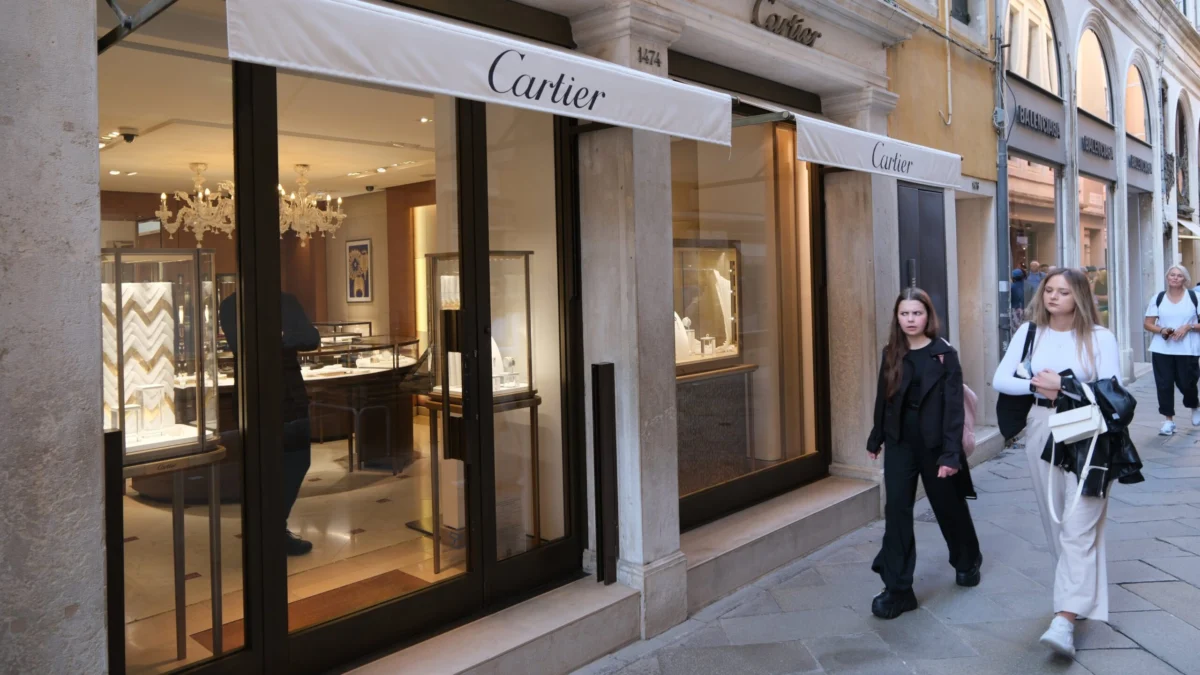
The prevailing sentiment across the global luxury market is one of dwindling patience and cautious optimism, as a multi-year slump continues to cast a shadow over major brands. Recent analyses from prominent financial institutions like Berenberg and Barclays paint a somber picture, suggesting that any short-term rallies in stock prices should be viewed with skepticism, and that a period of long-term stagnation may be on the horizon. This outlook is further underscored by cautious guidance from key industry players, such as Burberry, and a renewed emphasis on experiential retail and "placemaking" by leading fashion houses.
Shifting Market Dynamics and Analyst Forecasts
Berenberg’s recent advisory to "sell any rally" reflects a growing concern among investors about the sustainability of current luxury valuations. This sentiment is echoed by Barclays, which forecasts a period of long-term stagnation for the sector. These pronouncements are not without foundation, as several factors contribute to the current headwinds.
Economic Headwinds and Consumer Behavior:
Global economic uncertainty, characterized by persistent inflation, rising interest rates, and geopolitical instability, has significantly impacted consumer spending power and confidence. While the ultra-wealthy segment of the luxury market has historically shown resilience, even this demographic is becoming more discerning and value-conscious. A recent report by Bain & Company, in collaboration with Altagamma, indicated a moderation in growth for the personal luxury goods market in 2023, projecting a growth rate of 8-10% compared to the double-digit surges seen in previous years. This deceleration suggests a normalization after a period of post-pandemic pent-up demand.
Geopolitical and Regional Challenges:
The luxury market is also grappling with regional economic disparities and evolving consumer preferences. China, historically a powerhouse of luxury consumption, has experienced a slower-than-anticipated economic recovery, impacting sales for many brands. Furthermore, the war in Ukraine and its ripple effects on global supply chains and energy prices continue to create an unpredictable operating environment.
Burberry’s Cautious Outlook: A Barometer for the Industry
Burberry’s recent performance and forward-looking statements offer a microcosm of the challenges facing the broader luxury sector. The British heritage brand, known for its iconic trench coats and nova check pattern, has experienced a downturn in its sales, particularly in key Asian markets. In its most recent financial update, Burberry issued a profit warning, citing a significant slowdown in demand.
Key Takeaways from Burberry’s Performance:
- Weakening Demand in China: The brand directly attributed a substantial portion of its slowdown to a weaker-than-expected performance in mainland China and Hong Kong, a crucial market for luxury goods.
- Impact of Discounting: Increased promotional activities by competitors, particularly in the mid-luxury segment, have put pressure on pricing and margin for brands like Burberry.
- Strategic Reassessment: The company acknowledged the need to "re-evaluate its strategy" to navigate the current market conditions, hinting at potential adjustments in product assortment, marketing, and distribution.
Burberry’s cautious outlook is particularly significant as it is often seen as a bellwether for the wider luxury market due to its broad appeal and extensive global presence. Its struggles suggest that the challenges are not confined to a single brand but are indicative of a broader market recalibration.
Dior’s Cruise Show in Los Angeles: A Focus on Experiential Luxury
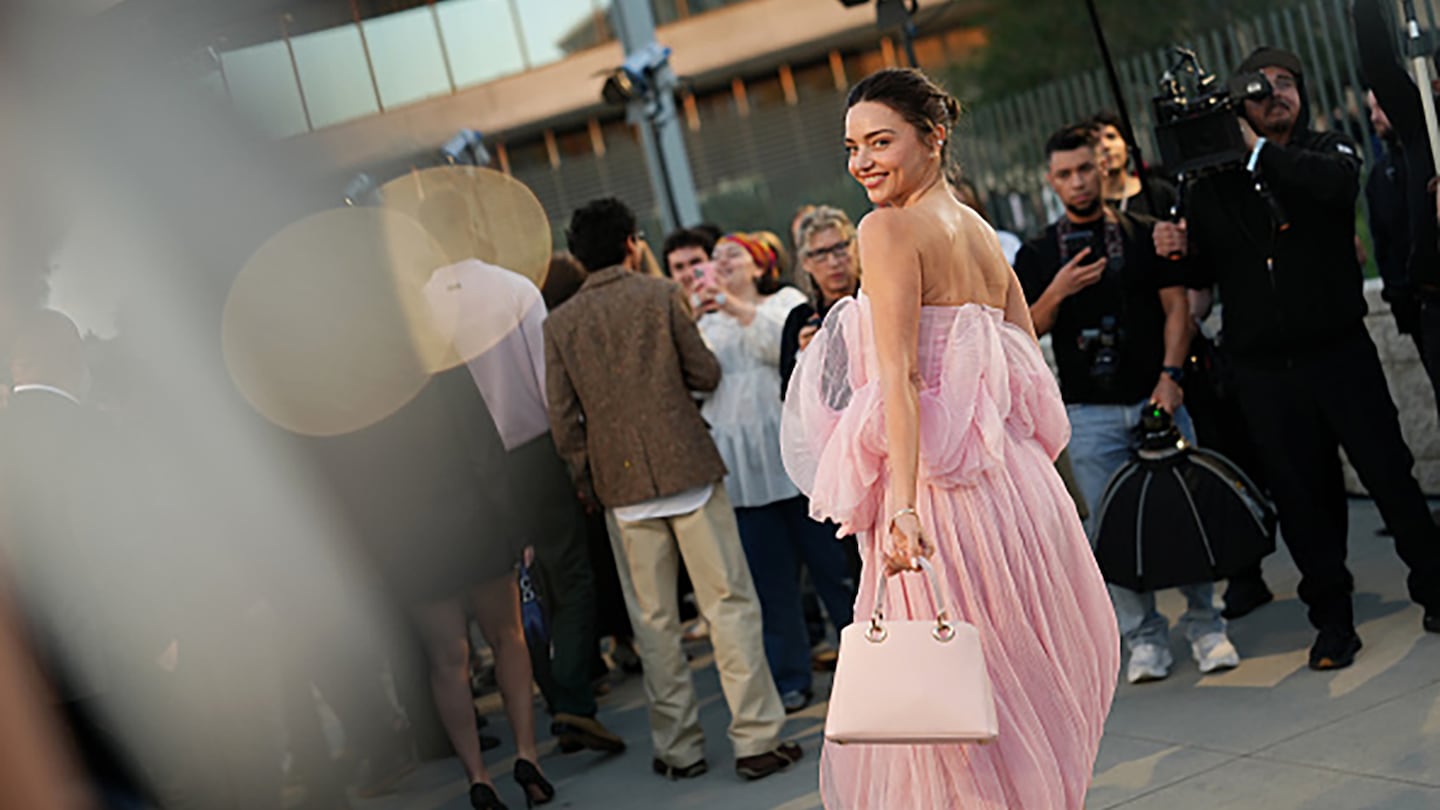
Amidst these challenging market conditions, fashion houses are increasingly looking for ways to captivate consumers and reinforce brand desirability. The recent Dior Cruise 2027 show, held at the Los Angeles County Museum of Art (LACMA), exemplifies a strategic shift towards experiential luxury and "placemaking."
The Significance of the Event:
- Location as a Statement: Hosting the show in Los Angeles, a global hub for culture, entertainment, and fashion, aimed to tap into the city’s vibrant energy and aspirational appeal. LACMA, with its iconic architecture and artistic significance, provided a sophisticated and culturally resonant backdrop.
- Immersive Experience: Cruise shows, traditionally designed for a traveling clientele, have evolved into major marketing spectacles. Dior’s event was not just a fashion presentation but a curated experience, designed to generate buzz, social media engagement, and a deeper connection with consumers. Attendees, including celebrities and influencers like Miranda Kerr, were immersed in an environment that reinforced the brand’s aesthetic and values.
- Reinforcing Brand Narrative: The collection itself, presented against the backdrop of LACMA, was designed to tell a story, drawing inspiration from the location and its cultural context. This narrative-driven approach is crucial for luxury brands seeking to differentiate themselves in a crowded market.
- Targeting a Key Market: While the show was held in Los Angeles, its impact is global. The imagery and buzz generated from such high-profile events are disseminated worldwide, influencing consumer perceptions and aspirations across different markets.
The Renewed Focus on Placemaking in Retail
The Dior event at LACMA underscores a broader trend within the luxury sector: the renewed focus on "placemaking." This concept goes beyond traditional retail spaces to create environments that offer unique experiences, foster community, and imbue the brand with a distinct sense of place and purpose.
Implications of Placemaking:
- Beyond Transactional Retail: In an era where online shopping is ubiquitous, physical retail spaces are evolving from mere points of transaction to destinations for discovery, engagement, and emotional connection.
- Creating Brand Worlds: Placemaking involves curating environments that reflect the brand’s heritage, values, and aesthetic. This can manifest in various ways, including:
- Flagship Stores as Cultural Hubs: Many luxury brands are transforming their flagship stores into multi-functional spaces that host art exhibitions, workshops, exclusive events, and even cafes or restaurants.
- Pop-Up Experiences: Temporary installations and pop-up shops in unexpected or culturally significant locations allow brands to create buzz and reach new audiences.
- Partnerships with Cultural Institutions: Collaborations with museums, galleries, and other cultural organizations lend credibility and an air of sophistication to the brand.
- Enhancing Brand Loyalty: By offering unique and memorable experiences, brands can foster deeper emotional connections with their customers, leading to increased loyalty and advocacy. This is particularly important for younger generations of luxury consumers who prioritize experiences over material possessions.
- Data and Insights: These curated environments also provide valuable opportunities for brands to gather data on consumer behavior and preferences, informing future product development and marketing strategies.
Broader Impact and Future Outlook
The confluence of cautious financial forecasts, shifting consumer behaviors, and innovative retail strategies suggests a period of significant recalibration for the luxury industry. The days of effortless, double-digit growth may be behind us, at least for the foreseeable future.
Key Considerations for the Future:
- Adaptability and Innovation: Brands that can adapt their business models, embrace digital innovation, and create truly compelling experiential offerings are likely to fare best. This includes leveraging technology for personalized customer journeys, exploring new marketing channels, and ensuring a seamless omnichannel experience.
- Sustainability and Ethics: Consumers are increasingly scrutinizing the ethical and environmental practices of luxury brands. Those that can demonstrate genuine commitment to sustainability and responsible sourcing will gain a competitive advantage.
- Authenticity and Heritage: In a world saturated with fleeting trends, the enduring appeal of heritage and authenticity remains a powerful asset for luxury brands. However, this must be communicated in a way that resonates with contemporary consumers.
- Focus on Value Proposition: As consumers become more discerning, luxury brands will need to clearly articulate their value proposition, emphasizing craftsmanship, quality, timeless design, and the emotional benefits of ownership.
The luxury market is at a crossroads. While the current sentiment may be one of caution, the industry’s inherent capacity for innovation and its ability to connect with consumers on an emotional level provide a strong foundation for navigating the challenges ahead. The strategic shift towards placemaking and experiential luxury, exemplified by events like Dior’s cruise show, signals a forward-thinking approach that could redefine the future of luxury retail. However, sustained success will depend on a keen understanding of evolving consumer desires, a commitment to responsible business practices, and an unwavering focus on delivering exceptional quality and enduring value. The "spring of discontent" may be a period of adjustment, but it could also herald a more resilient and meaningful era for the global luxury market.