Danny Garick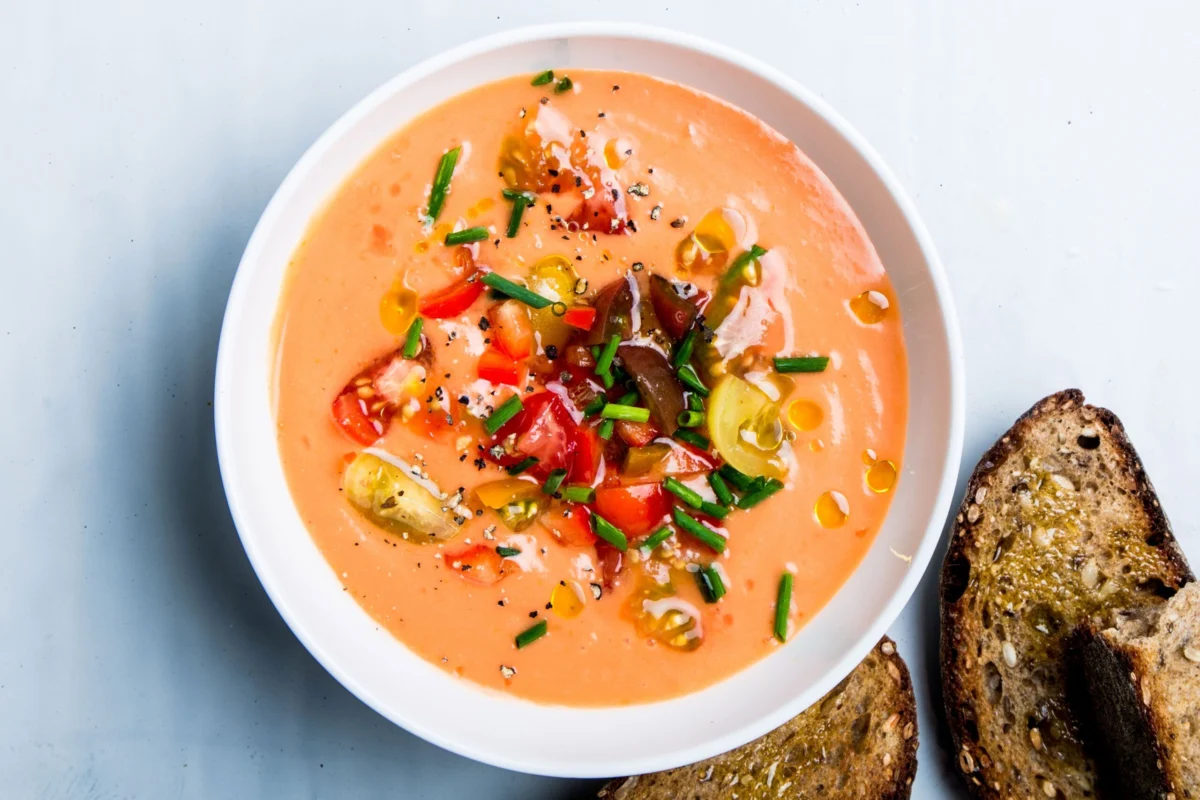
As global temperatures continue to reach record highs during the summer months, the culinary world has seen a renewed focus on traditional cooling dishes, with Andalusian-style gazpacho emerging as a primary focus for both home cooks and professional chefs. This classic cold soup, originating from the southern region of Spain, represents more than a simple meal; it is a sophisticated exercise in raw-food chemistry and seasonal agricultural utilization. Characterized by its smooth texture and tomato-forward profile, traditional gazpacho requires no heat, relying instead on the mechanical emulsification of high-quality produce. The dish’s reliance on peak-season ingredients underscores a broader movement within the gastronomic community toward hyper-seasonal sourcing, where the quality of the raw material dictates the success of the final product.
Historical Chronology: From Roman Rations to Modern Staples
The history of gazpacho is a testament to the cultural shifts within the Iberian Peninsula. While modern gazpacho is synonymous with tomatoes, the dish’s origins predate the arrival of New World ingredients. Historians trace the roots of the soup to the Roman Empire, where soldiers often consumed a mixture of stale bread, garlic, olive oil, salt, and vinegar as a means of hydration and sustenance during long marches.
Following the Roman era, the Moorish influence in Spain during the Middle Ages introduced variations such as "ajo blanco," which utilized almonds and grapes. It was not until the 16th century, following the Columbian Exchange, that tomatoes and peppers were introduced to Spanish soil. These ingredients were initially met with skepticism and were often grown as ornamental plants before being integrated into the rural diet. By the 19th century, the red gazpacho we recognize today had become a staple for field workers in Andalusia, providing a nutritious and hydrating meal that could be prepared without a hearth. The 20th century saw the dish transition from a peasant necessity to a symbol of Spanish national identity, eventually gaining international acclaim as a cornerstone of the Mediterranean diet.
The Botanical Foundation: Analyzing the Core Ingredients
The modern gazpacho recipe is a delicate balance of acidity, fat, and fiber. Culinary experts emphasize that the selection of tomatoes is the most critical variable in the dish. Heirloom tomatoes, known for their genetic diversity and superior flavor profiles compared to commercial hybrids, are frequently recommended by professionals. These varieties often possess a higher sugar-to-acid ratio, which provides a natural roundness to the soup. When seasonal produce falls short of peak ripeness, the strategic addition of a small amount of granulated sugar is employed by chefs to correct the flavor profile, a technique used to mimic the natural sweetness of sun-ripened fruit.
Supporting the tomato base are secondary vegetables that provide structural integrity and complexity. The English hothouse cucumber is preferred in contemporary recipes for its thin skin and minimal seed count. Research into the chemical composition of cucumbers suggests that the ends of the fruit can contain higher concentrations of cucurbitacin, a compound that imparts a bitter taste. Consequently, the standard culinary practice involves removing approximately a quarter-inch from each end to ensure a clean flavor profile. Furthermore, the inclusion of red bell peppers and shallots provides a foundational aromatic layer, while fresh garlic adds a pungent depth that is tempered by the acidity of the vinegar.
Technical Precision: The Mechanics of Blending and Emulsification
The preparation of gazpacho has been revolutionized by the advent of high-speed blending technology. Unlike traditional methods that required a mortar and pestle (dornillo), modern blenders allow for a rapid emulsification of olive oil and vegetable juices, resulting in a velvety, spoonable texture. For a soup to be classified as "Andalusian-style," it must achieve a specific level of smoothness.
The role of olive oil in this process is twofold: it provides a luxurious mouthfeel and acts as a carrier for fat-soluble flavor compounds. The choice of vinegar—typically sherry vinegar (Vinagre de Jerez) or red wine vinegar—introduces the necessary acetic acid to brighten the palate. In professional settings, the distinction between salt types is also a point of technical focus. For instance, the use of Diamond Crystal kosher salt versus Morton kosher salt requires careful measurement adjustments due to differences in crystal density; Morton salt is significantly denser, requiring roughly half the volume to achieve the same salinity as Diamond Crystal.
The Thermodynamics of Flavor: Temperature and Palate Perception
A critical aspect of gazpacho preparation is the management of serving temperature. The soup is traditionally served ice-cold, a requirement that presents unique challenges for seasoning. Sensory science indicates that colder temperatures dampen the perception of salt and acidity on the human tongue. Volatile aromatic compounds move more slowly at lower temperatures, meaning the "nose" of the soup is less pronounced when chilled.
To counteract this physical phenomenon, chefs advocate for a two-stage seasoning process. The soup is initially seasoned after blending, but a final adjustment is mandatory after the chilling period. This allows the cook to "wake up" the flavors with additional salt or vinegar just before service. Furthermore, the texture of the soup can be modified based on the intended delivery method. While a thick, rustic texture is suitable for bowls, a strained, thinner version is often preferred for "sippable" service in glassware, a trend increasingly seen in high-end catering and cocktail-hour hors d’oeuvres.
Agricultural and Economic Context: The Tomato Industry
The reliance on "peak-season" tomatoes links the culinary success of gazpacho to the broader agricultural economy. In Spain, the Almería region serves as a primary hub for tomato production, utilizing vast greenhouse systems to supply Europe. However, for the authentic gazpacho experience, the market for heirloom and organic varieties has seen significant growth. According to agricultural data, the demand for heirloom tomatoes has surged by over 20% in certain luxury markets over the last decade, as consumers prioritize flavor over shelf-life and uniformity.
Climate change also plays a role in the availability of these ingredients. Shifting weather patterns in Mediterranean climates have affected the harvest windows for tomatoes and peppers, sometimes leading to volatility in pricing. For the restaurant industry, this necessitates a flexible approach to the menu, where gazpacho is featured only when the local or imported supply meets specific brix (sugar content) and acidity standards.
Global Adaptations and Modern Gastronomic Implications
While the traditional recipe remains a benchmark, the global spread of gazpacho has led to various innovative adaptations. In contemporary American and European bistros, the soup is often used as a canvas for high-protein garnishes. The addition of lump crab meat, brined feta cheese, or olive-oil-toasted croutons transforms the dish from a light starter into a substantial meal.
The use of herbs like basil or cilantro, while not strictly traditional in the Andalusian sense, reflects the localization of the dish as it moves through different culinary landscapes. Moreover, the health-conscious consumer market has embraced gazpacho as a "superfood" due to its high concentration of lycopene (a powerful antioxidant found in cooked and raw tomatoes), Vitamin C, and hydrating electrolytes. This has led to the rise of bottled, ready-to-drink gazpacho in the retail sector, aiming to capture the demand for healthy, on-the-go meal replacements.
Nutritional Profile and Public Health Considerations
From a nutritional standpoint, gazpacho is an exceptionally dense source of micronutrients with a relatively low caloric load. A standard serving provides a significant percentage of the recommended daily intake of Vitamin A, Vitamin C, and Vitamin E. The presence of monounsaturated fats from olive oil aids in the absorption of fat-soluble vitamins found in the raw vegetables.
Public health advocates often cite the Mediterranean diet, of which gazpacho is a prime example, as a model for reducing the risk of cardiovascular disease and hypertension. The high potassium content in tomatoes and peppers, combined with the hydration provided by the cucumber base, makes it an ideal dietary component for heatwave mitigation. As urban centers face increasing heat-related health challenges, the promotion of such hydrating, nutrient-rich foods becomes a matter of public interest.
Conclusion: The Endurance of a Culinary Classic
The enduring popularity of Andalusian gazpacho lies in its deceptive simplicity. It is a dish that demands little in terms of labor but everything in terms of ingredient quality. As we look toward the future of food, gazpacho stands as a reminder of the importance of agricultural cycles and the ability of traditional recipes to adapt to modern tastes and technologies. Whether served in a rustic bowl in a Seville courtyard or in a chilled glass at a New York gala, gazpacho remains a definitive expression of summer, balancing history, science, and flavor in a single, cooling draught. The meticulous attention to detail—from the trimming of cucumber ends to the final crack of black pepper—ensures that this ancient soup will continue to be a vital part of the global culinary lexicon for generations to come.