Ronny Sianturi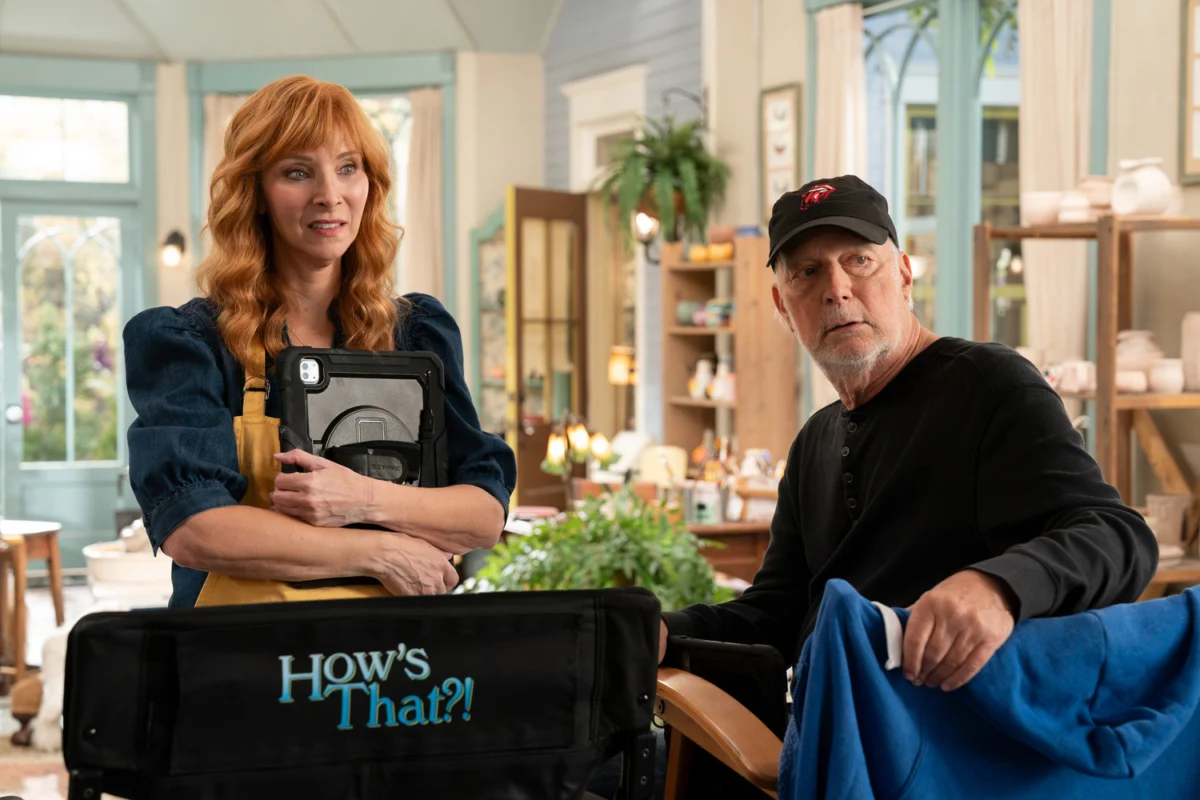
The passing of James Burrows, a towering figure in television directing, at the age of 85 marks the end of an era for a medium that has consistently underestimated the profound influence of its visual architects. While the cinematic world has long celebrated the "auteur" theory, elevating directors to the status of artistic visionaries, television has historically been perceived through a different lens, often prioritizing writers, producers, and even stars. This perceived hierarchy, from the foundational figures like Gertrude Berg and Desi Arnaz to modern titans like David Chase and Aaron Sorkin, has frequently relegated directors and cinematographers to the periphery of critical discussion, leaving countless influential individuals overlooked in the evolution of television’s aesthetic.
This oversight, much like the initial limitations of the auteur theory in film, has obscured the crucial contributions of those who shape the visual language and rhythmic pacing of our most beloved television programs. The very fabric of television, from its earliest days to its contemporary "prestige" era, is inextricably linked to the work of directors and technical craftspeople whose ingenuity and dedication have propelled the medium forward.
The Foundations of Television’s Visual Language
The genesis of television as a compelling visual medium can be traced back to pioneers like Karl Freund. A legendary cinematographer whose credits include cinematic masterpieces such as Metropolis and Dracula, Freund was recruited by Desi Arnaz to lend his expertise to I Love Lucy. His masterful command of polished black-and-white photography not only defined the visual identity of television’s first Golden Age but also played a pivotal role in advancing and perfecting the multi-camera sitcom format. The meticulous staging and camera work he implemented became a blueprint for generations of comedy directors.
Similarly, the 1950s and early 1960s witnessed the rise of the anthology series, with shows like Playhouse 90 serving as crucibles for directorial talent. Directors working on these ambitious weekly installments developed a sophisticated visual style that lent prestige to the nascent medium at a time when "prestige TV" was an oxymoron. These directors, many of whom would later make significant contributions to feature filmmaking, included luminaries such as John Frankenheimer, Sidney Lumet, George Roy Hill, and Arthur Penn. Their experience in the fast-paced, demanding environment of episodic television, where they learned to prioritize performance and efficient execution, directly informed the development of American independent cinema in the subsequent decades.
The evolution of television’s visual grammar continued with directors like Robert Butler, whose pilot direction for Hill Street Blues injected a gritty realism that had often eluded the small screen. Later, directors such as Rod Holcomb, Mimi Leder, and Thomas Schlamme pushed the boundaries of composition with shows like ER and The West Wing. Their innovative approaches, moving away from the static, boxy framing that had long characterized television, laid crucial groundwork for the more dynamic and immersive visual storytelling that defines television’s current Golden Age.
James Burrows: A Master of Television Comedy
Amidst this rich tapestry of directorial achievement, the career of James Burrows stands as a singular testament to the power and artistry of television comedy direction. Burrows, who passed away on Friday at the age of 85, not only built upon the foundations laid by his predecessors but, arguably, became the most influential figure in shaping the look, feel, tone, and rhythms of television comedy over the past half-century. His impact is so profound that his contributions could be seen as rivaling those of the more frequently celebrated writers and producers, such as Norman Lear and Lorne Michaels.
Burrows’s immense influence can be quantified through an impressive array of accolades and an unparalleled body of work. Beginning his directing career in 1974 with four episodes of The Mary Tyler Moore Show, he went on to amass an astonishing 11 Emmy Awards and five Directors Guild of America (DGA) Awards. His prolific output included directing over 50 comedy pilots, a feat that underscores his knack for identifying and nurturing new comedic talent and series.
His directorial credits read like a who’s who of iconic television comedies: 237 episodes of Cheers, 75 episodes of Taxi, dozens of episodes each for Frasier and Friends, and Mike & Molly. Perhaps most remarkably, he directed every single episode of Will & Grace, both during its original groundbreaking run and its subsequent revival. His final directorial credit came with Hulu’s Mid-Century Modern, for which he helmed all 10 episodes, a fitting capstone to a career that spanned nearly five decades.
Quantifying a Career of Unprecedented Success
The sheer volume of Burrows’s work is staggering. In 2016, NBC honored him with a primetime special celebrating his 1,000th episode as a television director, a milestone achieved on the series Crowded. This remarkable figure speaks to a level of consistent output and dedication rarely seen in any creative field.
Beyond the numbers, Burrows’s impact is evident in the quality of the performances he guided. Many of the actors who graced his sets went on to receive Emmy Awards and other prestigious honors, a direct reflection of Burrows’s ability to draw out nuanced and memorable performances. His directorial hand was instrumental in shaping the comedic timing, character development, and emotional depth that made these shows resonate with audiences for decades.
Shaping the Landscape of the Sitcom
Burrows’s influence is perhaps most keenly felt in his co-creation of Cheers alongside the Charles brothers. Cheers, along with Taxi, represents a zenith of the workplace sitcom. The intimate settings of a Boston bar and a Manhattan taxi garage served as perfect laboratories for exploring the complexities of human relationships, delivering perfectly calibrated performances, and crafting characters whose relatable flaws and triumphs kept audiences invested.
Similarly, Friends and Will & Grace redefined the "hangout comedy," establishing a new standard for ensemble shows that fostered a sense of deep connection between viewers and characters. These shows, while building on the legacy of earlier sitcoms like Norman Lear’s groundbreaking work and The Mary Tyler Moore Show, in turn, became influential blueprints for subsequent generations of comedies. Even as the multi-camera format experienced periods of waning popularity, the DNA of Burrows’s work continued to permeate television comedy.
Anecdotes and Enduring Influence
The impact of James Burrows extends beyond his directing credits and awards. The countless anecdotes shared by actors, writers, and fellow industry professionals paint a vivid portrait of a director who was not only technically brilliant but also deeply invested in the collaborative process. Stories about the meticulous design of the bar in Cheers, the strategic placement of a pillar in Monica’s apartment on Friends, and the sensitive portrayal of gay intimacy on Will & Grace all highlight Burrows’s attention to detail and his commitment to creating authentic and impactful television. He not only ensured that audiences noticed the memorable elements of these shows but also, through his unseen contributions, elevated the subtle nuances that contributed to their enduring appeal.
Acknowledgment and Lasting Tribute
The television industry itself has consistently recognized Burrows’s immense significance. As the Emmy nominations approach, it is hoped that his contributions will be acknowledged, perhaps even posthumously, for his directorial prowess. However, his appearance as himself in HBO’s The Comeback offered a unique and fitting career retrospective.
In The Comeback, a series that unflinchingly explored the anxieties of an industry grappling with evolving technologies and changing viewer habits—from the rise of cable and streaming to the advent of reality programming and artificial intelligence—Burrows was cast as a symbol of enduring television craftsmanship. Michael Patrick King and Lisa Kudrow, the show’s creators, recognized Burrows as the ideal embodiment of the medium’s resilience and artistic integrity. His portrayal of a smart, empathetic, yet crotchety industry veteran, grounded in decades of experience yet resolutely forward-looking, served as a powerful testament to his own stature. His performance was not merely an appearance but an ultimate compliment to the ensemble and the insightful approach of The Comeback.
Beyond the Laugh Track: The Art of Multi-Camera Comedy
Despite the critical disdain sometimes directed at multi-camera comedies, often dismissed as "ugly," "old-fashioned," or "lazy," Burrows’s work, particularly on shows like Taxi and Cheers, demonstrates the enduring artistry of the form. These series remain remarkably engaging and relevant, proving that their success was far from accidental. The notion that studio audiences or laugh tracks alone carry the comedic weight of these shows is a gross oversimplification.
The truth is that the brilliance of shows like Taxi and Cheers lies in the synergistic collaboration between talented individuals. James Burrows, alongside his exceptional collaborators and following in the distinguished tradition of pioneers like Gertrude Berg and Karl Freund, undertook the meticulous work of crafting comedic masterpieces. Their dedication, skill, and artistic vision were the true engines behind the laughter and the lasting impact of these beloved programs.
In the annals of television history, James Burrows stands as a unique and irreplaceable force. His passing leaves an immeasurable void, but his legacy, etched in the countless hours of laughter and connection he brought to audiences worldwide, will undoubtedly endure.