Ana Megawati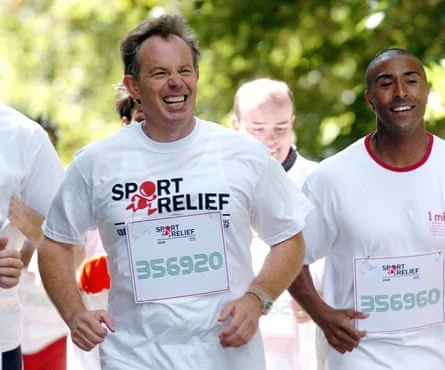
The political landscape, much like a marathon, demands stamina, strategy, and often, a carefully curated public image. This was vividly underscored recently when Greater Manchester mayor, Andy Burnham, fresh from announcing his intention to return to parliamentary politics, emerged from his Warrington home in full jogging attire. The act, captured by a waiting throng of photographers, served as a potent, if somewhat literal, visual metaphor for his political ambitions: full of energy, on the right track, and hitting the ground running. This public display of physical activity, while seemingly innocuous, taps into a long-standing tradition in British politics where personal fitness is often leveraged as a symbol of leadership qualities and public readiness.
Burnham’s Latest Sprint: A Metaphor Made Manifest
On a recent Friday morning, Andy Burnham, at 56 years old and a prominent figure in national headlines, presented himself to the cameras in a retro 1979-80 Everton strip and shorts, exposing his "paunch and Lancashire tan." The scene was immediately seized upon by the media, dominating news sites across the UK. Headlines like "Burnham off to a running start" from The Times exemplified the direct connection drawn between his physical act and his political declaration. This was no mere coincidence; in the meticulously choreographed world of political communication, such appearances are rarely accidental.

The timing of Burnham’s run was significant, coming amidst fervent discussion about his potential future role in national politics, including speculation about a possible challenge to Keir Starmer for the Labour leadership or even a future prime ministerial bid. By appearing to be in motion, physically and metaphorically, Burnham projected an image of dynamism and readiness. It also serves to humanise him, presenting him as an accessible figure engaged in an everyday activity. Crucially, Burnham is not merely feigning fitness for the cameras; he is a known regular runner, having notably completed the Boston Marathon in the past to raise funds for the victims of the Manchester Arena bombing. This established credibility lends an air of authenticity to his public jogs, distinguishing them from purely performative stunts. His run, therefore, was a carefully calibrated blend of genuine personal habit and strategic political messaging, designed to reinforce his narrative as a vigorous and determined leader.
A Historical Track Record: The Rise of the Jogging Politician
The phenomenon of the jogging politician is far from new in the UK, evolving significantly since the more staid political figures of earlier eras. Prior to the late 20th century, the image of a politician was typically one of gravitas and intellectualism, often associated with a more sedentary lifestyle. However, as media scrutiny intensified and the demand for relatable, energetic leaders grew, physical activity, particularly running, began to emerge as a powerful tool in political branding.
From Blair’s Vigor to Brown’s Reluctant Strides
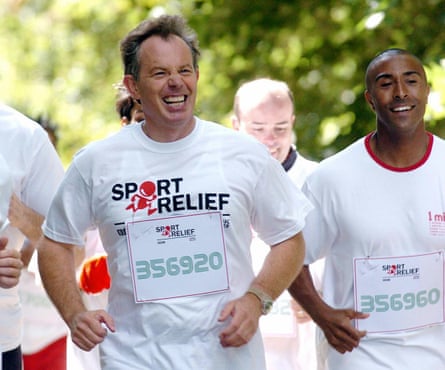
The modern era of the jogging politician arguably commenced with Tony Blair, whose "New Labour" project aimed to project an image of youth, modernity, and vitality. Blair frequently appeared in sportswear, embodying a departure from the perceived stuffiness of older political establishments. In 2006, after running a mile for Sport Relief, a youthful and vigorous Blair declared, "I couldn’t do this job unless I kept a certain level of physical fitness." This statement linked physical well-being directly to leadership capability, suggesting that a fit body was essential for a demanding political role. Later that same year, while promoting healthy eating in a shell suit, he reiterated, "I take a lot of exercise now and I make time for it," reinforcing the message of discipline and energy. Blair’s public fitness regime became synonymous with his energetic, modern leadership style, appealing to a public increasingly conscious of health and lifestyle.
His successor, Gordon Brown, though not primarily known for his enthusiasm for athleisure photoshoots, also succumbed to the trend. In 2009, he was photographed jogging in a London park. While a Downing Street spokesperson insisted, "We didn’t set it up," the very need to issue such a denial highlighted the political sensitivity and the perceived staging often associated with such images. Brown’s less natural embrace of the jogging persona perhaps underscored the inherent tension between genuine activity and manufactured image, a challenge many politicians face when attempting to connect with the public through physical displays.
Cameron’s Calculated Modesty and Gove’s Garb
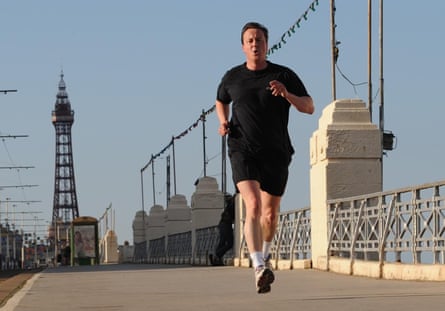
David Cameron, as Prime Minister, also made regular use of the jogging photo opportunity, often leading his security detail on twice-weekly runs through London parks. His preferred attire of black shorts became so well-known that an appearance in black tracksuit bottoms once prompted "concerned pieces" in the Daily Telegraph. Cameron, with a touch of calculated modesty, described himself as merely a "middle-aged, slightly overweight jogger trotting past," an attempt to appear relatable and unpretentious despite his high office. This strategy aimed to humanise him, presenting him as an ordinary person maintaining a healthy routine amidst the extraordinary demands of leadership.
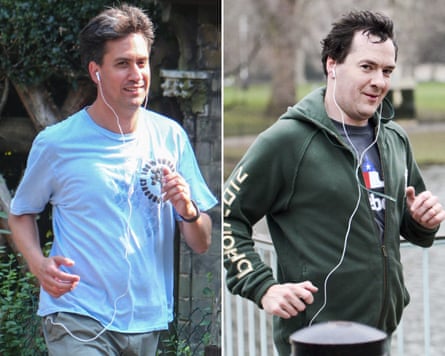
Michael Gove, a contemporary of Cameron’s, also saw his prime ministerial ambitions sharpen alongside an increase in jogging photographs. However, Gove’s choice of hoodies or polo shirts for his runs often drew comments that he "never quite looked the part." This observation subtly highlights the importance of presentation and authenticity in these visual narratives. Even in sportswear, the message conveyed by a politician’s image can be scrutinised for consistency with their overall brand.
Johnson’s Eclectic Runs and Truss’s Power Walks
The political jogging trend took a more eccentric turn with Boris Johnson. His running attire, often described as looking like he had "rummaged through the full depth of the laundry basket," featured brightly patterned Bermuda shorts, beanie hats, and, on some memorable occasions, even dress shoes paired with a business shirt. Johnson’s chaotic, unconventional jogging style seemed to reinforce his "maverick" public persona. It suggested a leader who was perhaps less concerned with sartorial perfection and more with a spontaneous, slightly dishevelled charm, aiming for relatability through imperfection rather than polished discipline.
Liz Truss, during her brief tenure in Downing Street, developed her own unique approach to political fitness. She was known to enjoy early morning circuits of the Lambeth Palace grounds, notably inviting key advisers to join her. This practice transformed the physical act of running into a strategic internal power dynamic, with "invitations to the runs… coveted and feared in equal measure," according to sources quoted by the Daily Mail. Here, jogging wasn’t just for public consumption but became a tool for internal networking, testing resolve, and fostering team cohesion, albeit under a veil of competitive intensity.
The Psychology of Political Fitness: Messages Conveyed
The consistent deployment of public jogging by politicians is rooted in a shrewd understanding of psychological messaging. In a demanding political environment, the image of physical fitness conveys several desirable leadership traits:
- Stamina and Energy: Running symbolises endurance, suggesting that a politician possesses the physical and mental fortitude required for the arduous hours and relentless pressure of public office. It implies they can "go the distance" and are not easily fatigued.
- Discipline and Self-Control: Maintaining a regular running routine, especially at a demanding age, speaks to discipline, goal-setting, and self-control – qualities highly valued in a leader. It suggests an individual who is organised and capable of managing their own well-being, implying they can manage the country equally well.
- Relatability and Authenticity: For many, jogging is an everyday activity. Seeing a politician engage in it can make them appear more human, down-to-earth, and accessible, fostering a sense of connection with the electorate. This is often an attempt to bridge the gap between the perceived elite and the common citizen.
- Youthfulness and Modernity: Particularly for those challenging older incumbents or seeking to project a fresh vision, jogging can signal youthfulness, dynamism, and an alignment with contemporary values of health and wellness. It suggests a leader who is forward-looking and adaptable.
- Resilience: The act of pushing through physical discomfort can be a metaphor for political resilience – the ability to overcome obstacles and continue striving towards goals despite setbacks.
However, this strategy is a double-edged sword. The very public nature of these runs often leads to scrutiny regarding their authenticity. Are they genuinely part of a politician’s routine, or are they staged for the cameras? The perceived artifice can sometimes undermine the intended message, leading to cynicism among the public.
Data and Public Perception: Do the Miles Matter?
While precise polling on the public’s perception of "jogging politicians" is niche, broader trends in public opinion and political analysis offer insights. There’s a general societal emphasis on health and well-being, and leaders who appear fit and energetic often align with positive public expectations. Political analysts frequently highlight the importance of "optics" and "personal branding" in modern campaigns. A leader who appears lethargic or unwell can invite questions about their capacity to govern effectively, whereas a vibrant image can inspire confidence.
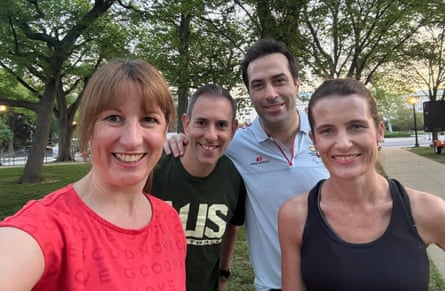
The rise of social media has further amplified the impact of these visual cues. A single photograph of a politician jogging can instantly go viral, becoming fodder for both supportive commentary and satirical memes. Rachel Reeves, the shadow chancellor, for instance, shared a selfie with international counterparts like Spain’s Carlos Cuerpo, Australia’s Jim Chalmers, and New Zealand’s Nicola Willis, taken during a joint run before IMF meetings. This not only promoted a healthy image but also highlighted international cooperation and a sense of camaraderie, leveraging the informal setting of a run for diplomatic messaging. This demonstrates how physical activity can be integrated into broader political narratives, extending beyond mere personal image to foster international relations.
Alternatives to the Track: Other Forms of Political Exercise
Not all politicians choose the running track to project their image of vigor. Some opt for different forms of physical activity, each carrying its own set of symbolic meanings.
Theresa May, for instance, was known more for her love of walking holidays than for jogging. While she once famously admitted to having run "naughtily" through a field of wheat, her public image of physical activity was often associated with more measured, deliberate pursuits. She was even photographed acting as a race steward at the Maidenhead 10-mile Easter fun run in 2018, demonstrating community engagement rather than personal athletic prowess. This choice aligned with her steady, methodical leadership style, suggesting a preference for quiet determination over flashy displays.
Similarly, Kemi Badenoch, a rising Conservative figure, prefers the gym. While photos of her in workout gear are less common, reports have surfaced about controversies, such as her ministerial driver allegedly waiting outside while she exercised. This highlights that even alternative fitness routines can become subject to public scrutiny, especially when they intersect with official resources.
Keir Starmer, the current Prime Minister, also largely eschews public jogging in favour of his long-standing commitment to five-a-side football. He has played weekly with the same team for decades, a consistency he proudly upholds. "Unless I’m irreparably injured, I intend to do it for as long as I possibly can," he has stated. This choice of sport, a team-based activity, subtly projects an image of collaboration, teamwork, and loyalty – qualities often seen as desirable in a political leader, contrasting with the more individualistic pursuit of running.
The Implications for Modern Political Communication
The pervasive trend of politicians engaging in public physical activity, particularly jogging, underscores several key aspects of modern political communication:
- Visual Primacy: In an age dominated by visual media, the image of a leader is paramount. Photographs and videos of politicians exercising are powerful, easily digestible, and often more memorable than policy speeches.
- Personal Branding: Politicians are increasingly treated as brands, and their personal habits, including fitness, contribute significantly to their overall persona. These activities are carefully managed to reinforce desired brand attributes.
- Authenticity vs. Performance: There is a constant tension between presenting a genuine aspect of a politician’s life and the perception that these displays are manufactured for public consumption. The most effective political jogging moments often blur these lines convincingly.
- Relatability as a Currency: In an era of increasing public cynicism towards institutions, leaders strive to appear relatable and "normal." Engaging in common activities like running is one way to attempt this connection.
- Pressure to Project Vitality: The demands of modern leadership, coupled with an aging population, place pressure on politicians to project an image of vigor and sustained energy, irrespective of their actual physical state.
In conclusion, Andy Burnham’s recent public run, much like those of his predecessors, is far more than a simple exercise routine. It is a carefully deployed element of political theatre, a literal interpretation of a metaphorical journey towards power. From Tony Blair’s energetic sprints to Boris Johnson’s eclectic jogs, and now Burnham’s purposeful stride, British politicians have consistently recognised the symbolic weight of physical activity. Whether genuine habit or calculated performance, the act of lacing up and hitting the pavement remains a potent, if sometimes transparent, tool in the quest for public approval and political momentum, cementing the "running metaphor" as a perennial feature of the UK’s political landscape.