Ferry Irwandi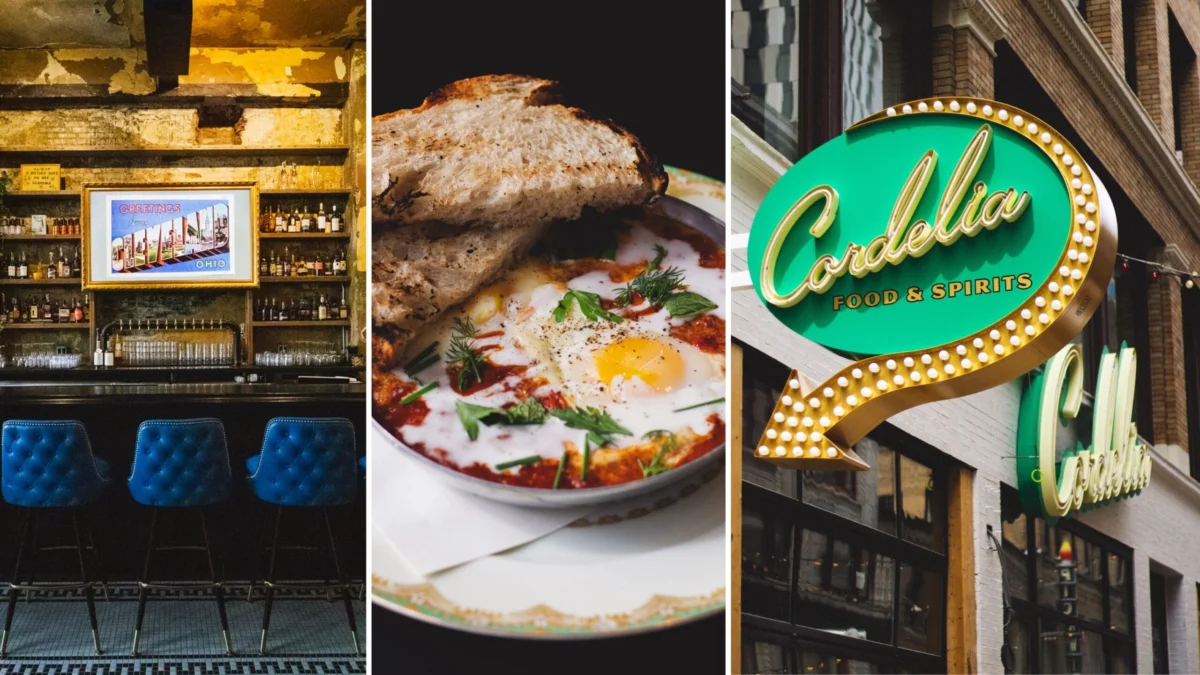
Cleveland, Ohio, occupies a unique position in the American culinary landscape, serving as a crossroads where century-old immigrant traditions meet a modern, chef-driven revitalization. Known as the birthplace of Superman, the city has developed a distinct gastronomic identity anchored by the "Polish Boy"—a signature sandwich consisting of kielbasa, French fries, barbecue sauce, and coleslaw on a hot-dog bun. This local staple is more than a meal; it is a symbol of a city defined by more than 100 different ethnicities that have shaped its foodways over the past century. Today, this heritage is preserved and reinvented in historic food halls, neighborhood taverns, and progressive bistros that have turned Cleveland into one of the Midwest’s most compelling dining destinations.

The Historical Anchor: West Side Market and the Immigrant Legacy
The epicenter of Cleveland’s food culture is the West Side Market, a 114-year-old public food hall located in the Ohio City neighborhood. Completed in 1912, the market is architecturaly renowned for its sweeping Guastavino-tile ceiling and its role as a communal hub for dozens of independent food vendors. Historically acting as "the city’s grocery store," the market has provided a platform for the diverse ethnic groups that settled in Northeast Ohio to share their culinary traditions.
The market is currently undergoing a significant transformation. A $53 million renovation project is underway to modernize the facility while preserving its historic character. Recent updates include the unveiling of a climate-controlled produce wing, designed to improve the longevity of fresh goods and the comfort of shoppers. Future phases of the project aim to incorporate more grab-and-go food options, expanded indoor and outdoor public seating, and dedicated spaces for culinary demonstrations. These investments reflect the city’s commitment to ensuring the market remains a relevant economic and cultural engine for the next century.

The Chronology of Cleveland’s Food Traditions
The "rules of eating" in Cleveland are dictated by the seasons and the city’s industrial history. For decades, the local diet has been reinforced by specific cultural rituals:
- Lenten Traditions: Fried Lake Erie walleye serves as the primary protein of choice on Fridays during Lent, a practice deeply rooted in the city’s large Catholic population.
- Autumnal Harvests: The fall season is traditionally marked by backyard clambakes, a unique regional tradition that persists despite Cleveland’s inland location.
- Winter Fortification: To combat the harsh winters of the Great Lakes, locals rely on heavy Eastern European fare, such as Hungarian chicken paprikash with spaetzle and potato-and-cheese-filled pierogies.
- The Tavern Era: During the mid-20th century, the city’s taverns became essential social hubs for industrial workers. Places like Prosperity Social Club, which dates back to the 1930s, served steel mill workers coming off 24-hour shifts with "starch-heavy" comfort food like haluski—a Slovenian dish of sautéed cabbage and buttery noodles.
Neighborhood Revitalization Through Gastronomy
In the last two decades, food has been the primary driver behind the revitalization of Cleveland’s urban neighborhoods. Areas such as Ohio City, Tremont, Detroit Shoreway, and Lakewood have seen an influx of investment led by a new generation of chefs. These professionals have moved away from traditional comfort food toward "Modern Midwestern" fare, utilizing farm-fresh produce from the nearby Cuyahoga Valley.

A key figure in this movement is Michael Symon, a James Beard Award-winning chef and Cleveland native. His restaurant, Mabel’s BBQ, located on the pedestrian-only East 4th Street, exemplifies the fusion of global technique and local identity. Symon utilizes Central Texas barbecue methods but incorporates Northeast Ohio elements, such as local fruitwoods for smoking and the use of the regional Bertman Ballpark Mustard in his sauces. This approach has helped transform downtown Cleveland into a destination for both locals and tourists.
Similarly, Chef Doug Katz has been a pivotal force in the Cleveland Heights area. After his flagship farm-to-table restaurant, Fire Food & Drink, closed during the pandemic, Katz pivoted to Zhug, a Mediterranean-inspired bistro. This transition reflects a broader trend in the city: a shift toward small-plate dining and global flavors, such as the Yemeni hot sauce (zhug) that gives the restaurant its name.

Supporting Data: Beer, Wine, and Economic Impact
Cleveland’s culinary appeal extends beyond the plate to a robust beverage industry. The city boasts one of the highest numbers of breweries per capita in the United States, a testament to its long-standing beer culture. Furthermore, just east of the city lies the Grand River Valley, an American Viticultural Area (AVA). This region is central to Ohio’s status as one of the top wine-producing states in the country, specializing in estate-grown varieties that thrive in the Great Lakes microclimate.
The economic impact of the food and beverage sector is substantial. The growth of Asiatown, located just east of downtown, highlights the success of immigrant-led economic development. With more than 30 Asian-owned restaurants and half a dozen groceries, the district has become a dense, walkable hub. Establishments like Li Wah, which has operated for over 35 years, provide a dim sum experience that rivals major coastal cities, drawing significant weekend crowds and supporting local supply chains.
.jpg)
Detailed Profiles of Key Culinary Institutions
Modern Delis and Artisanal Innovation
In the Hingetown section of Ohio City, Larder Delicatessen and Bakery represents the cutting edge of Cleveland’s food scene. Operated by James Beard-nominated chef Jeremy Umansky and pastry chef Allie La Valle, Larder utilizes traditional fermentation techniques—specifically the use of koji—to reinvent Jewish deli classics. This scientific approach to food has garnered national attention and redefined what a "neighborhood deli" can achieve in the 21st century.
Fine Dining and Architectural Preservation
The Marble Room Steaks and Raw Bar serves as a prime example of how Cleveland has repurposed its industrial-era wealth for modern luxury. Housed in a former turn-of-the-century bank, the restaurant retains its Beaux Arts-style interior, featuring marble staircases and ornate ironwork. It serves as a high-end anchor for Euclid Avenue, maintaining the tradition of fine dining in the city’s core.

The All-Day Cafe Model
Astoria Cafe & Market on Detroit Avenue demonstrates the viability of the "all-day" business model. By combining a gourmet marketplace with a Mediterranean-themed restaurant, Astoria caters to various consumer needs—from retail cheese and imported meats to full-service brunch and dinner. This versatility has made it a community staple in the Detroit Shoreway neighborhood.
The Evolution of the Suburbs
The development of the Van Aken District in Shaker Heights marks a shift in suburban planning. By creating a "Main Street" environment with the Market Hall at its center, city leaders have successfully established a culinary hub outside the urban core. The hall features local vendors like Lox, Stock and Brisket and Boom’s Pizza, providing high-quality, chef-driven options to a previously underserved residential population.

Broader Impact and Future Implications
The evolution of Cleveland’s dining scene has broader implications for the city’s post-industrial identity. By leveraging its multi-ethnic heritage and historic infrastructure, Cleveland has created a resilient food economy that attracts talent and tourism. The $53 million investment in the West Side Market and the continued expansion of districts like Asiatown suggest that the city views its culinary assets as vital components of its future urban planning.
The success of chefs like Vinnie Cimino of Cordelia—a leading contender for future national awards—indicates that Cleveland is no longer just a follower of national trends but a contributor to the American culinary conversation. The city’s ability to blend "old-school" tavern culture with "progressive" bistro concepts ensures that its food scene remains accessible to a wide demographic while continuing to push creative boundaries.

As Cleveland continues to navigate the challenges of urban renewal, its restaurants and markets remain its most effective ambassadors. Whether through a $5 Polish Boy or a dry-aged Delmonico steak in a marble-clad vault, the city’s food scene offers a tangible link to its past and a clear vision for its future. The narrative of Cleveland is written in its kitchens, where the flavors of 100 ethnicities continue to simmer, evolve, and define the spirit of the North Coast.