
 Reynand Wu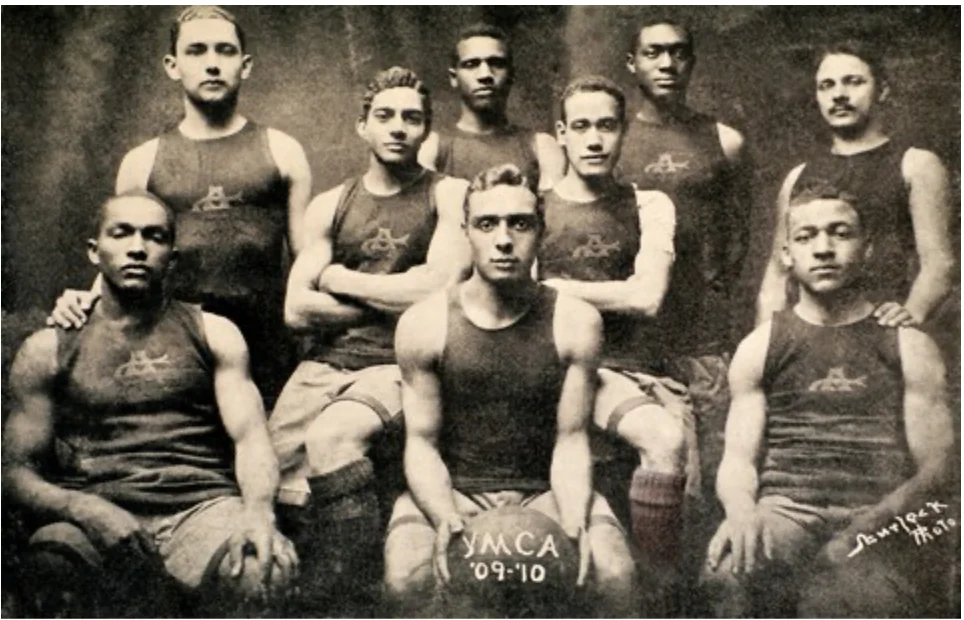
On any given afternoon on 135th Street in Harlem, the rhythmic percussion of a basketball hitting pavement serves as a soundtrack to the neighborhood. The scene is iconic: a chain-link fence, a weathered backboard, and a group of local youths maneuvering through a pickup game. This spectacle is more than just recreational; it is the culmination of over a century of social, economic, and political forces that transformed basketball from an exclusionary institutional pastime into the heartbeat of urban America. To understand why basketball has become the definitive sport of the American city, one must look beyond the jump shots and the athleticism to the history of segregation, the legacy of redlining, and the resilience of communities that were systematically denied access to traditional athletic infrastructure.
A Chronology of Exclusion and Integration
The narrative of basketball began in 1891 when Dr. James Naismith, a physical education instructor at Springfield College in Massachusetts, sought to create a low-injury indoor sport to keep his students active during the brutal New England winters. By the turn of the 20th century, the game had permeated collegiate culture, with institutions such as Harvard, Yale, and Princeton formalizing play. During these formative years, the sport was almost exclusively the domain of white athletes.
The structural exclusion of Black Americans from the sport was not merely a matter of social prejudice but a formal policy within community institutions. The YMCA, which acted as the primary incubator for the early game, frequently denied Black citizens membership. As a result, the Black community was forced to cultivate its own athletic ecosystems.
The 1920s and 1930s marked a pivotal shift. In 1907, the Smart Set Athletic Club of Brooklyn emerged as one of the first independent, organized Black basketball teams, signaling a burgeoning autonomy in the sport. By 1926, the formation of the Harlem Globetrotters offered not only a platform for elite Black talent but also a rare, if limited, opportunity for professional economic survival. It was not until the 1949-1950 season that the National Basketball Association (NBA) finally saw the color barrier fall, with pioneers like Chuck Cooper, Nathaniel Clifton, and Earl Lloyd stepping onto the hardwood. This transition, however, occurred against a backdrop of deeply entrenched urban inequality.
The Geography of Disinvestment: Redlining and Athletics
The architectural and economic landscape of American cities was fundamentally altered by the National Housing Act of 1934. The creation of the Federal Housing Administration (FHA) and the Home Owners’ Loan Corporation (HOLC) introduced the practice of "redlining"—a systematic denial of mortgage insurance and credit to residents in neighborhoods deemed "risky" due to their racial composition.
The implications for urban youth were profound and long-lasting. As the FHA prioritized lending in white, suburbanizing areas, capital flowed away from the urban core. This disinvestment resulted in a stark disparity in public infrastructure. According to data from the Trust for Public Land, the average size of a park in low-income neighborhoods in New York City is approximately 6.4 acres, less than half the size of parks in wealthier, predominantly white areas.
Because basketball requires minimal equipment—essentially just a ball and a hoop—it emerged as a resilient solution to the lack of expansive green space. Unlike baseball, which necessitated manicured diamonds, expensive mitts, and traveling gear, basketball could be played on small, concrete patches carved out of dense, urban environments. Academic research, including work by Professor David C. Ogden, confirms that the scarcity of baseball facilities in Black neighborhoods, coupled with the prohibitive cost of "select" baseball leagues, effectively funneled minority youth toward the basketball court.
Statistical Realities and Economic Implications
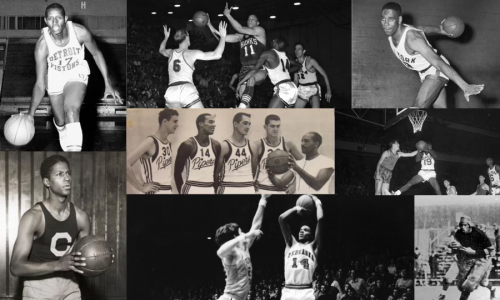
The demographic shift within the sport has been monumental. In 1950, the league was entirely white-dominated; today, approximately 75 percent of the NBA is Black. This shift reflects a broader global expansion, as the skills honed on the asphalt courts of cities like New York, Chicago, and Philadelphia translated into dominance at the collegiate and professional levels.
However, the "basketball culture" of the city serves a function that transcends the professional league. It acts as a social glue. Summer tournaments, such as the "NY vs. NY" series sponsored by Nike or the Slam Summer Classic at Dyckman Park, draw thousands of spectators. These events are not merely athletic competitions; they are critical community hubs. They provide a space for mentorship, local pride, and economic activity in neighborhoods that have historically been sidelined by mainstream investment.
Economists and urban planners note that the reliance on basketball as a primary form of recreation is a direct response to a lack of investment in other extracurricular sectors. When public policy denies a community access to swimming pools, tennis courts, or organized youth leagues, the community adapts. Basketball has become the most efficient use of restricted public space.
Perspectives on the Modern Landscape
Sociologists argue that the legacy of redlining continues to dictate the "map" of American basketball. While the sport has become a multi-billion dollar global enterprise, the roots of its popularity remain firmly planted in the history of the neighborhood park.

"The court is the one place where the playing field was forced to be level," notes one local coach in Harlem. "When the city didn’t provide us with the resources, we built the culture ourselves. We turned concrete into a stage."
This sentiment is echoed by historians who study the intersection of race and sport. The "Black Fives" era—a period before the integration of the NBA—is now recognized not just as a history of basketball, but as a history of resistance. By establishing their own teams and leagues, Black athletes and organizers claimed a stake in the American cultural narrative at a time when they were legally segregated from it.
Broader Impact and Future Outlook
The implications of this history are significant. The continued popularity of basketball in urban centers highlights a persistent gap in municipal resource allocation. While the NBA enjoys unprecedented commercial success, the grassroots infrastructure—the outdoor courts where the next generation of talent is forged—remains vulnerable to the same cycles of gentrification and neglect that define urban development.
Data from the past decade suggests that as neighborhoods undergo rapid transformation, the preservation of these courts becomes a flashpoint for community advocacy. When a park is modernized or a court is removed, residents often view it as a threat to a vital community anchor.
In conclusion, the prevalence of basketball in minority neighborhoods is not an accident of preference, but a product of historical necessity. The game’s ability to thrive under the constraints of redlining, segregation, and economic disparity is a testament to the community’s ingenuity. As urban centers continue to evolve, the basketball court stands as a symbol of both past systemic failure and the enduring power of communal identity. The challenge for the future lies in recognizing these spaces as essential public infrastructure, ensuring that the legacy of the sport is supported by the same level of investment that has been poured into the professional leagues that these neighborhoods helped create.
Chronology of Key Events
- 1891: Dr. James Naismith invents basketball in Springfield, Massachusetts.
- 1907: The Smart Set Athletic Club of Brooklyn is established as an independent Black basketball team.
- 1926: The Harlem Globetrotters are formed, providing a professional path for Black players.
- 1934: The National Housing Act is passed, formalizing the practice of redlining.
- 1949-1950: The NBA officially integrates, with Chuck Cooper, Nathaniel Clifton, and Earl Lloyd becoming the first Black players.
- 2003: David C. Ogden publishes research highlighting the economic and structural barriers that influenced the popularity of basketball over baseball in Black communities.
- Present Day: Basketball remains the most popular sport in NYC’s public park system, with grassroots tournaments drawing significant national attention and corporate sponsorship.







