Ferry Irwandi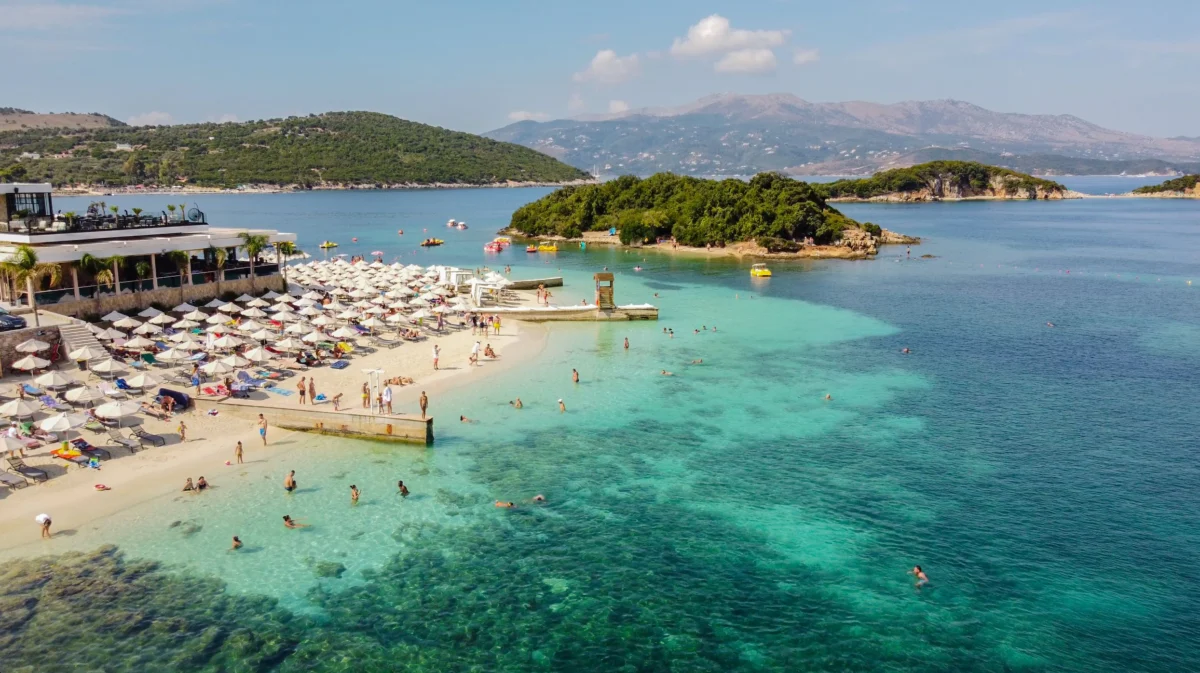
Albania, a nation once defined by its decades of geopolitical isolation, has emerged in the current decade as the Mediterranean’s newest frontier for high-end tourism and untouched natural beauty. Situated at the crossroads of the Adriatic and Ionian Seas, the country offers a coastline that rivals the established luxury of the French Riviera or the rugged charm of the Greek Isles, yet it remains significantly more accessible and less congested. As global travelers seek alternatives to the overcrowded hubs of Western Europe, the Albanian Riviera—a 150-mile stretch of dramatic cliffs, turquoise waters, and hidden coves—is transitioning from a "best-kept secret" to a premier global destination.

The Geographic and Historical Context of the Albanian Coast
The geography of the Albanian coastline is bifurcated into two distinct maritime zones. The northern half, stretching from the Montenegrin border down to the city of Vlorë, is characterized by the shallow, sandy shores of the Adriatic Sea. This region has traditionally served as the primary vacation spot for domestic travelers and regional visitors from Kosovo and North Macedonia. However, it is the southern half, beginning at the Llogara Pass and extending to the Greek border, where the Ionian Sea takes over. Here, the landscape transforms into a dramatic vertical world where the Ceraunian Mountains plunge directly into deep, cobalt-blue waters.
Historically, this coastline was off-limits to the general public during the socialist era that ended in 1991. For nearly half a century, Albania was one of the most closed societies in the world. This period of isolation inadvertently preserved the coastline from the rampant overdevelopment seen in neighboring Mediterranean countries during the 1970s and 80s. When the country finally opened its doors, infrastructure was minimal, and the beaches remained the domain of local fishermen and intrepid backpackers.

Chronology of Development: From Isolation to International Acclaim
The evolution of Albania’s tourism sector has moved through several critical phases over the last thirty years:
- The Post-Communist Transition (1991–2005): Following the fall of the regime, the coast saw sporadic, unregulated construction. Tourism was almost entirely domestic, and the lack of paved roads made the southern Riviera nearly inaccessible to anyone without a four-wheel-drive vehicle.
- Infrastructure Foundations (2006–2015): The Albanian government, recognizing the potential of the "Blue Economy," began investing in the SH8 national highway, which winds through the Llogara Pass. This period saw the first wave of boutique hotels in Dhërmi and Himarë.
- The Digital and Luxury Boom (2016–Present): Social media played a pivotal role in showcasing Albania’s "Maldives-like" waters to a global audience. This coincided with the arrival of international hotel brands and significant foreign direct investment (FDI) in luxury eco-resorts.
In July 2024, the opening of the Llogara Tunnel marked a historic milestone in the region’s accessibility. The tunnel bypasses the treacherous mountain pass, reducing the travel time from the capital, Tirana, to the southern beaches by nearly 40 minutes. This infrastructure project is expected to catalyze a new wave of year-round tourism.
.jpg)
A Curated Guide to Albania’s Premier Coastal Destinations
For those seeking uncrowded shores and idyllic resorts, the following locations represent the pinnacle of the Albanian coastal experience.
Dhërmi and Drymades: The Sophisticated Choice
Dhërmi is widely considered the jewel of the Albanian Riviera. Divided between the historic stone village on the hillside and the beach below, it offers a blend of cultural heritage and modern luxury. Drymades, located just around the headland, features a unique geography where a large rock formation splits the beach into one side with pebbles and the other with fine sand.

- The Vibe: Chic, upscale, and frequented by the Mediterranean’s elite.
- Resort Landscape: Home to some of the country’s most avant-garde boutique hotels that emphasize minimalist design and integration with the natural landscape.
Gjipe: The Hidden Canyon
Accessible only by boat or a 30-minute hike down a rugged canyon trail, Gjipe is the antithesis of the modern resort town. The beach is situated at the mouth of a massive limestone gorge, creating a natural amphitheater of red rock and emerald water.
- The Vibe: Wilderness and seclusion.
- Resort Landscape: There are no permanent structures here; the focus remains on eco-camping and day trips for those staying in nearby Dhërmi or Jale.
Ksamil: The Turquoise Archipelago
Often referred to as the "Maldives of Europe," Ksamil is famous for its three small islands located just offshore, which can be reached by swimming or a short boat ride. Located near the ancient Roman city of Butrint (a UNESCO World Heritage site), Ksamil offers a rare combination of archaeological depth and beachside relaxation.

- The Vibe: Family-friendly but can be crowded in peak August; the "uncrowded" experience is best found in June or September.
- Resort Landscape: A high density of mid-range luxury villas and private beach clubs.
Borsh: The Vast Expanse
Boasting the longest continuous stretch of beach in Albania—nearly seven kilometers—Borsh provides ample space even during the height of summer. The backdrop is a vast olive grove, some of which contains trees that are over 500 years old.
- The Vibe: Quiet, expansive, and pastoral.
- Resort Landscape: Development here is focused on agritourism and sprawling resort complexes that take advantage of the massive shoreline.
Supporting Data: The Economic Impact of Tourism
The growth of the Albanian tourism sector is supported by robust statistical data. According to the Albanian Institute of Statistics (INSTAT), the country welcomed a record-breaking 10.1 million international visitors in 2023, a 35% increase from the previous year.

Key Statistics:
- Tourism Contribution to GDP: Approximately 15% (including indirect contributions).
- Projected Growth: The World Travel & Tourism Council (WTTC) predicts that tourism’s contribution to the Albanian economy will grow at an average rate of 4.5% annually over the next decade.
- Investment: The Albanian government has allocated over €100 million for coastal infrastructure and environmental protection programs between 2023 and 2025.
The surge in interest is also reflected in flight connectivity. Tirana International Airport (TIA) has become one of the fastest-growing airports in Europe, with low-cost carriers like Ryanair and Wizz Air establishing major hubs, connecting Albania to over 50 European cities.

Official Responses and Sustainable Development Goals
The Albanian Ministry of Tourism and Environment has expressed a clear commitment to "quality over quantity." In a recent statement, Tourism Minister Mirela Kumbaro emphasized that Albania does not aim to replicate the mass-tourism models of the 1990s. "Our goal is sustainable development that respects the environment and our cultural identity," Kumbaro stated. "We are focusing on high-end tourism, agritourism, and diversifying our offerings beyond the summer months."
To support this, the government has implemented stricter building codes on the coast to prevent the "concrete jungle" effect. There is also a significant push toward "Blue Tourism" certification, ensuring that the Ionian waters remain among the cleanest in the Mediterranean.

Broader Impact and Implications for the Region
The rise of Albania as a premier beach destination has significant implications for the Balkan region and the wider Mediterranean market.
- Economic Diversification: For a country that was long dependent on agriculture and remittances, tourism provides a stable source of foreign currency and job creation for the younger generation.
- Real Estate Appreciation: Coastal property values in Saranda and Vlorë have seen double-digit growth annually, attracting investors from the United Kingdom, Italy, and the Nordic countries.
- Regional Competition: Albania’s competitive pricing and "newness" are diverting a portion of the market share from traditional heavyweights like Croatia and Greece. This is forcing neighboring regions to innovate and reconsider their pricing strategies.
- Cultural Diplomacy: Tourism is serving as a tool for "rebranding" Albania. For many visitors, the experience of "Besa"—the traditional Albanian code of honor and hospitality—replaces outdated stereotypes with a modern image of a welcoming and safe European nation.
Environmental and Social Considerations
Despite the optimism, the rapid influx of tourists presents challenges. Environmentalists have raised concerns regarding waste management and the protection of biodiversity in areas like the Vjosa River delta and the Karaburun-Sazan National Marine Park. The balance between building "idyllic resorts" and preserving the "uncrowded shores" is delicate.

Furthermore, the "brain gain" effect is notable. Many Albanians who worked in the hospitality sectors of Italy or Greece are returning home to open their own businesses, bringing with them international standards of service. This shift is crucial for the country’s long-term goal of becoming a top-tier luxury destination.
Future Outlook
As the 2025 season approaches, Albania is poised to solidify its status. With the Vlora International Airport currently under construction and scheduled to begin operations in late 2025, the accessibility of the southern coast will reach its zenith. For the traveler, the window to experience the Albanian Riviera in its current state—a blend of raw, wild beauty and emerging luxury—is now. The country stands as a testament to the fact that even in a world as explored as the Mediterranean, there are still frontiers waiting to be discovered.