Ferry Irwandi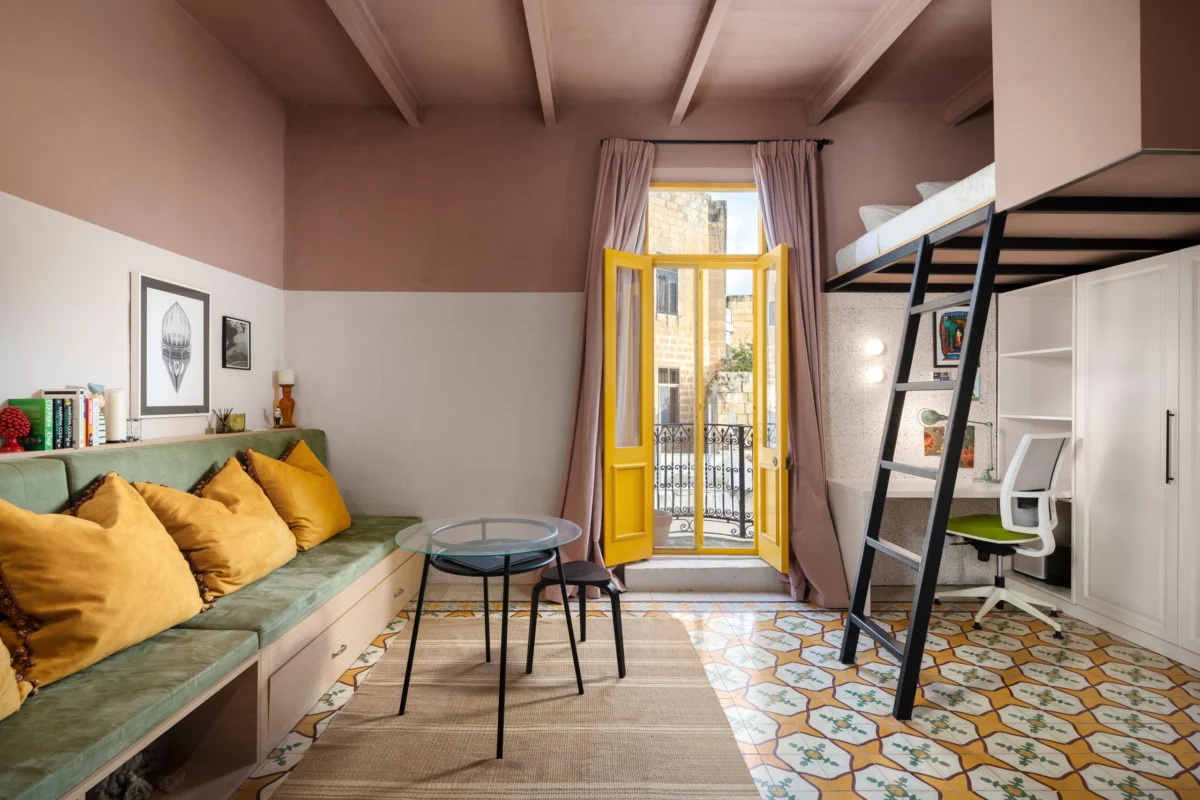
The Best Airbnbs in Malta for a High-End Mediterranean Experience. Malta’s tourism sector has witnessed a paradigm shift over the last decade, transitioning from a heavy reliance on traditional hotel infrastructure to a diversified portfolio dominated by high-end short-term rentals and boutique accommodations. This evolution reflects a broader global trend toward "experiential travel," where visitors seek authentic immersion in local culture, history, and architecture rather than standardized hospitality. As of 2024, the Maltese archipelago—comprising Malta, Gozo, and Comino—has solidified its position as a premier Mediterranean destination, with its short-term rental market playing a pivotal role in accommodating a record-breaking influx of international travelers.
The demand for high-quality Airbnbs in Malta is driven by the unique architectural heritage of the islands. From 17th-century palazzos in the capital city of Valletta to centuries-old "houses of character" and limestone farmhouses in Gozo, the rental market offers a level of historical intimacy that traditional resorts often struggle to replicate. This report examines the current state of the Maltese short-term rental market, the historical context of its growth, the supporting economic data, and the regulatory framework governing the industry.
The Evolution of the Maltese Short-Term Rental Market
The trajectory of Malta’s accommodation sector can be traced back to the post-independence era of the 1960s, which saw the initial development of mass-market hotels primarily catering to British tourists. However, the modern era of the short-term rental market began in earnest following Malta’s accession to the European Union in 2004. The subsequent liberalization of the economy and the entry of low-cost carriers like Ryanair and EasyJet in 2006 fundamentally changed visitor demographics.
A critical turning point occurred in 2018 when Valletta was designated as the European Capital of Culture. This event served as a catalyst for the massive restoration of derelict palazzos and historic buildings. Investors and homeowners began converting these properties into luxury rentals, recognizing a gap in the market for high-spending travelers who preferred the privacy of a home over a five-star hotel.
The COVID-19 pandemic further accelerated this shift. Between 2020 and 2022, travelers increasingly sought "isolation-friendly" accommodations. While the hotel industry faced significant occupancy challenges, the short-term rental market proved resilient, offering self-contained environments that met the health and safety concerns of the era. Today, the market is characterized by a sophisticated blend of heritage and modern luxury, with many properties featuring original Maltese floor tiles, globigerina limestone walls, and rooftop pools overlooking the Grand Harbour.
Regional Analysis: Where Luxury Meets Heritage
The Maltese rental market is geographically segmented into several high-demand zones, each offering a distinct value proposition to travelers.
Valletta: The Baroque Capital
Valletta, a UNESCO World Heritage site, remains the epicenter of the luxury rental market. The city’s Airbnbs are typically characterized by high ceilings, traditional Maltese balconies (gallarija), and proximity to the city’s burgeoning culinary and arts scene. Properties here command some of the highest nightly rates in the Mediterranean, particularly those located along the bastions with views of the Three Cities.
Gozo: The Rural Retreat
Malta’s sister island, Gozo, offers a starkly different experience. The market here is dominated by "farmhouses"—rustic limestone structures often dating back 200 to 300 years. These properties have been renovated to include modern amenities such as infinity pools and underfloor heating, catering to the "slow travel" movement. Data suggests that Gozo remains a preferred choice for long-stay visitors and multi-generational families.
The Three Cities (Birgu, Senglea, and Cospicua)
Historically overlooked, the Three Cities have emerged as a competitor to Valletta. These fortified cities offer a more residential and authentic atmosphere. The rentals here are often converted merchant houses located in narrow, winding alleys, providing a sense of historical continuity that appeals to seasoned travelers.
Supporting Data and Economic Indicators
According to the National Statistics Office (NSO) of Malta, the tourism industry contributes approximately 15% to 20% of the national GDP. Recent data highlights the increasing importance of non-hotel accommodations:
- Visitor Volume: In 2023, Malta welcomed a record 3 million tourists, surpassing pre-pandemic levels. A significant portion of this growth was attributed to the private rental sector.
- Inbound Tourism Expenditure: Total tourist expenditure in 2023 was estimated at €2.7 billion. While hotel spending remains high, the "private accommodation" category has seen a year-on-year growth rate of over 12% in per-capita spending.
- Occupancy Trends: Data from market analytics firms indicates that luxury Airbnbs in Valletta and Mdina maintain an average occupancy rate of 75% during the peak season (May to October), with "Superhost" properties often being booked six to nine months in advance.
- Market Composition: As of Q1 2024, there are over 10,000 active short-term rental listings across the Maltese islands, with a notable increase in the "luxury" tier—properties priced above €250 per night.
Regulatory Framework and Official Responses
The rapid growth of the Airbnb market has necessitated a robust regulatory response from the Maltese government and the Malta Tourism Authority (MTA). Unlike many other European destinations where short-term rentals operate in a legal gray area, Malta has implemented a clear licensing system.
Licensing and Standards
All short-term rental properties must be licensed by the MTA. This process involves rigorous safety inspections, including fire safety audits and adherence to building standards. The government categorized these properties into "Holiday Furnished Premises," ensuring that they meet specific quality benchmarks before they can be listed on platforms like Airbnb or Booking.com.
Taxation and Revenue
To level the playing field with the hotel sector, the Maltese government requires Airbnb hosts to pay a 7% VAT rate on rentals. Additionally, a "contribution towards the environment" (eco-contribution) of €0.50 per person per night is mandatory, capped at €5 per stay. This revenue is earmarked for the improvement of tourism infrastructure and the maintenance of public spaces.
Statements from Stakeholders
In a recent industry forum, representatives from the Malta Hotels and Restaurants Association (MHRA) emphasized the need for "fair competition." While acknowledging the value that Airbnbs bring to the economy, the MHRA has advocated for stricter enforcement of licensing to ensure that "shadow" rentals—unlicensed properties—do not undermine the industry’s reputation.
Conversely, the Malta Chamber of Commerce has noted that the diversification of accommodation types is essential for the sustainability of the tourism product. "The modern traveler is not a monolith," a Chamber spokesperson stated. "By providing high-end, unique rental options, Malta can attract a demographic that might otherwise choose destinations like the Amalfi Coast or the Greek Islands."
Broader Impact and Market Implications
The proliferation of high-end Airbnbs has far-reaching implications for Malta’s socio-economic landscape.
Gentrification and Property Prices
The success of the short-term rental market has significantly impacted the local real estate sector. In areas like Valletta and the Three Cities, property prices have surged, making it increasingly difficult for local residents to purchase homes. This has led to a "hollowing out" effect in some historic cores, where the majority of residents are transient tourists rather than long-term locals.
Cultural Preservation
On a positive note, the demand for "authentic" stays has directly funded the preservation of Malta’s architectural heritage. Many historic buildings that were on the brink of collapse have been meticulously restored by investors aiming to enter the luxury rental market. This has revitalized urban areas that were previously in decline, turning them into vibrant hubs of activity.
Environmental Sustainability
The concentration of tourists in private rentals also poses challenges for waste management and resource consumption. The Maltese government has responded by promoting "sustainable tourism" initiatives, encouraging hosts to adopt eco-friendly practices such as solar water heating and plastic-free amenities.
Conclusion and Future Outlook
The market for the best Airbnbs in Malta is no longer a niche segment but a cornerstone of the national tourism strategy. As the islands move toward a model of "quality over quantity," the focus is expected to remain on high-value, low-impact tourism. The integration of technology—such as AI-driven pricing and smart home features—combined with a deep respect for Maltese heritage, will likely define the next decade of the industry.
For the global traveler, the abundance of high-end rentals offers an unparalleled opportunity to live within the history of the Mediterranean. For the Maltese economy, it represents a vital revenue stream that, if managed correctly, can coexist with the traditional hospitality sector while preserving the unique cultural identity of the archipelago. The ongoing challenge will be balancing the economic benefits of a thriving rental market with the social needs of the local population, ensuring that Malta remains a living community rather than just a museum for visitors.