Ana Megawati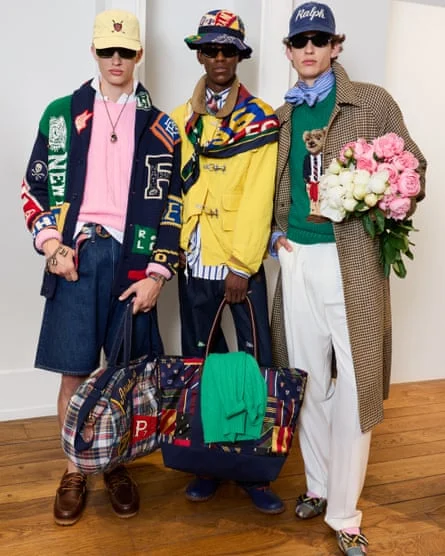
Ralph Lauren, for his highly anticipated second standalone menswear show in Milan, masterfully returned to the quintessential accessory that founded his global empire in 1967: the tie. This deliberate pivot was not merely a nostalgic nod but a sophisticated strategic move, demonstrating the brand’s enduring relevance and innovative spirit in an evolving fashion landscape. The collection, unveiled on Friday night, underscored a unique fusion of classic elegance and contemporary dynamism, captivating both long-standing devotees and a burgeoning generation of new admirers.
The Milan Presentation: A Homage to Heritage and Innovation
The setting for Ralph Lauren’s latest menswear spectacle was as meticulously curated as the garments themselves. Guests were transported to a romanticized "golden age of Italian sport" within the opulent courtyard of the brand’s sprawling Milan headquarters – a majestic palazzo acquired by Lauren in 1999. This architectural grandeur served as a fitting backdrop for a collection that seamlessly blended the old with the new. A gleaming, vintage 1920s mahogany speedboat, artfully positioned as a central installation, immediately evoked a sense of sophisticated leisure and adventure, setting a thematic tone that resonated throughout the presentation. The atmosphere was one of refined escapism, a characteristic hallmark of the Ralph Lauren universe.
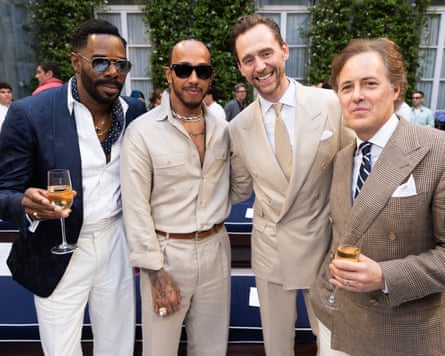
The guest list reflected the brand’s broad appeal, drawing an eclectic mix of celebrities and industry figures. Among those in attendance were acclaimed actors Tom Hiddleston and Colman Domingo, alongside the celebrated Formula 1 record-breaker Lewis Hamilton, and David Lauren, further emphasizing the global and cross-cultural resonance of the brand. This constellation of influential personalities underscored the event’s significance within the broader cultural landscape, attracting attention beyond traditional fashion circles.
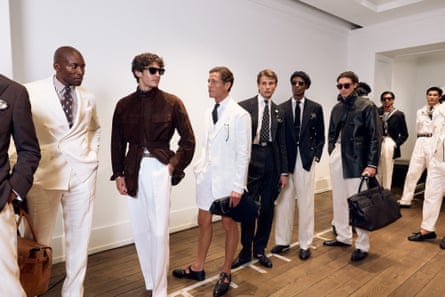
The show itself was a strategic double feature, showcasing both the elevated dapper aesthetic of the Purple Label and the more accessible, yet equally iconic, collegiate style of the Polo brand. This dual presentation underscored Ralph Lauren’s ability to cater to a diverse clientele, offering luxurious, tailored pieces alongside relaxed, youth-oriented classics, all while maintaining a cohesive brand identity rooted in aspirational American style. The synergy between these two distinct lines allowed for a comprehensive narrative, demonstrating the brand’s versatility from formal elegance to sophisticated casualwear.

The Tie: A Symbol Reimagined and Recontextualized
The tie, the very genesis of the Ralph Lauren brand, took center stage, transcending its traditional role as a mere neck adornment. In 1967, Ralph Lauren launched his "Polo" line, initially selling ties from a drawer in the Empire State Building, believing men were ready for a bolder, wider, more expressive tie than the prevailing skinny styles of the era. His vision revolutionized menswear, establishing a legacy of classic American elegance infused with a sporting sensibility. More than half a century later, this collection demonstrated the accessory’s remarkable versatility and enduring power, proving that even the most conventional items can be reinvented.
Models sported skinny silk ties, meticulously knotted and featuring subtle swirly prints, serving as the quintessential finishing touch to impeccably tailored pinstripe suits. These instances celebrated the tie’s classic function, reinforcing its timeless appeal in formalwear, particularly within the sophisticated realm of Purple Label. However, the innovation truly shone in its recontextualization. Brighter, more vivacious printed or striped cravats were playfully "whirled and worn like ties," peeking out from beneath casual knitwear and rugby shirts, injecting a burst of unexpected sophistication into relaxed ensembles. This styling demonstrated a conscious effort to break free from conventional sartorial rules, encouraging a more personal and expressive approach to dressing that resonates with contemporary fashion trends.
Beyond the neck, ties were ingeniously repurposed throughout the collection. They appeared as unconventional belts, cinching waists with a touch of unexpected flair, blurring the lines between accessories. Others were elegantly wrapped around bags, transforming utilitarian items into statement pieces that spoke to a curated, individualistic style. Perhaps the most striking innovation came in the footwear: espadrille shoes featured uppers crafted from meticulously spliced-together ties, creating a unique texture and narrative that spoke to both craftsmanship and creative reuse. This bold reinterpretation highlighted the tie not just as an accessory, but as a fundamental design element, capable of shaping an entire silhouette and telling a deeper story about material and form.
This multifaceted approach to the tie is particularly astute in appealing to Gen Z, a demographic recently discovering the brand and, for many, the tie itself for the first time. For this younger cohort, the tie represents a fresh avenue for self-expression and individual styling, moving away from its historically formal connotations and embracing its potential for creative integration into diverse outfits. Simultaneously, the collection resonated deeply with Ralph Lauren’s established, often octogenarian, customer base, many of whom have worn ties consistently since their youth. This delicate balance, bridging generational gaps through a shared appreciation for a reinvented classic, is a testament to the brand’s profound understanding of its diverse market and its ability to craft narratives that appeal across demographic divides.
Ralph Lauren’s Resurgence: Navigating a Challenging Luxury Landscape
In an era where many luxury brands are grappling with a widespread slowdown, characterized by global economic uncertainties, shifting consumer spending habits, and intensified competition, Ralph Lauren stands out as a beacon of remarkable resilience and growth. The brand’s strategic decisions and unwavering commitment to its core identity have propelled it into a period of significant renaissance, demonstrating an astute ability to adapt without compromising its heritage.
In May, Patrice Louvet, CEO of Ralph Lauren, announced stellar financial results for the last fiscal year. The company reported an impressive 15% increase in sales, with revenue surpassing the $8 billion (£6 billion) mark for the first time in its illustrious history. This financial triumph is particularly noteworthy against the backdrop of a luxury market that has seen uneven performance, with some sectors experiencing contraction or stagnation. Analysts point to several factors contributing to this success: a consistent brand narrative that evokes aspirational lifestyles, strategic investments in digital platforms and e-commerce, and a keen ability to adapt product offerings to contemporary tastes without diluting core brand values. While womenswear has been a significant driver of this growth, the decision to firmly re-engage with the men’s fashion week schedule in Milan signals a clear intention to capture further momentum and market share within the menswear segment, leveraging its strong heritage in this area.
The strategic choice to present in Milan, a global capital for menswear, underscores the brand’s international ambitions and its desire to reinforce its standing on the world stage. By combining the luxurious Purple Label with the widely recognized Polo brand, Ralph Lauren effectively leverages its diverse portfolio, appealing to both high-net-worth individuals seeking bespoke elegance and a broader demographic drawn to sophisticated, yet attainable, lifestyle branding. This integrated approach allows for cross-pollination of brand values and market reach, creating a comprehensive ecosystem that caters to varied consumer segments and solidifies its global footprint.
The American Prep Aesthetic: Enduring Appeal and Modern Interpretation
The Polo collection, described by Ralph Lauren in his show notes as the "next-generation vision of American prep," exemplifies the brand’s masterful ability to evolve a classic aesthetic for a modern audience. American prep, with its roots in Ivy League campuses and WASP culture, has long been a cornerstone of Ralph Lauren’s identity, defined by timeless silhouettes, quality craftsmanship, and a relaxed yet refined sensibility. However, this season’s interpretation demonstrated a vibrant, contemporary twist, perfectly attuned to the sensibilities of today’s fashion-forward youth.
The collection showcased luxury through the lens of platforms like TikTok, where "aspirational appeal" often stems from creative styling that can be easily "riffed on" or recreated using a mix of new and secondhand pieces. This understanding of digital-native consumer behavior is key to Polo’s surging popularity among Gen Z. Styling choices were deliberately relaxed and expressive: camouflage trousers were presented loose and baggy, offering a casual yet intentional silhouette; colorful checked shirts were styled untucked, conveying an effortless cool; and rugby shirts were ingeniously patchworked together, featuring unexpected motifs like flowers and crossbones, adding an element of edgy individuality that speaks to a desire for uniqueness.
Traditional blazers, a staple of prep, were given a subversive edge, clashing artfully with denim speckled with paint or featuring visible mending created through traditional sashiko embroidery. This blend of high and low, formal and informal, and classic with artisanal detail, speaks to a generation that values authenticity, individuality, and sustainable practices. The incorporation of sashiko, a Japanese mending technique, not only adds a unique aesthetic touch but also subtly hints at a narrative of longevity and craftsmanship, aligning with growing consumer desire for durable and thoughtfully produced garments. The casual yet intentional execution of these elements demonstrated a profound understanding of how modern consumers integrate luxury into their everyday lives.
Broader Impact and Future Outlook
Ralph Lauren’s Milan menswear show serves as a powerful statement, not just for the brand but for the broader fashion industry. The innovative reinterpretation of the tie, a historically significant but often overlooked accessory, could well spark a resurgence of interest in formalwear accessories, encouraging designers to explore new ways to integrate classic elements into contemporary wardrobes. The brand’s success in appealing to both Gen Z and its established clientele highlights a critical lesson for luxury houses: authenticity, heritage, and a willingness to evolve are not mutually exclusive but rather complementary pillars of enduring success.
The robust financial performance, coupled with a strategic expansion in menswear and a sophisticated understanding of digital consumer engagement, positions Ralph Lauren strongly for continued growth. The brand’s ability to create immersive "world-building" experiences, whether through a 1920s speedboat or the narrative of Lake Como leisure, fosters a deep emotional connection with its audience, transcending mere product sales. This emotional resonance, combined with tangible commercial success, solidifies Ralph Lauren’s status as a formidable force in the global luxury market, demonstrating a blueprint for navigating the complexities of modern fashion while staying true to an iconic vision. The Milan show was more than just a presentation of clothes; it was a reaffirmation of a powerful brand ethos, expertly recalibrated for the challenges and opportunities of the 21st century, setting a benchmark for blending tradition with contemporary relevance.