
 Kang Muslim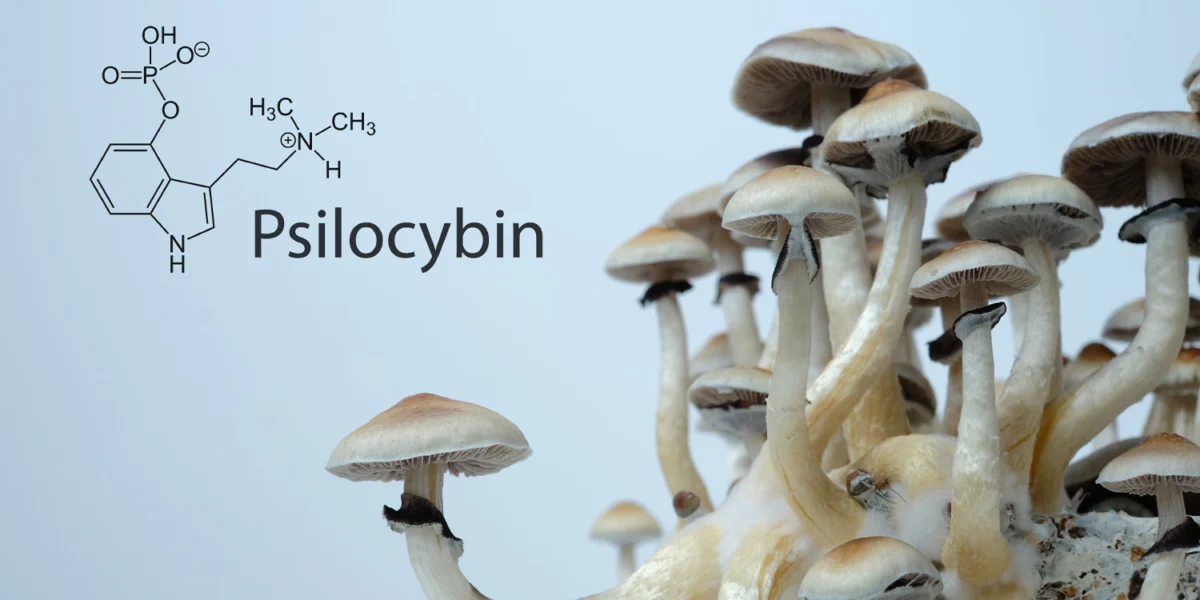
A novel pilot study conducted by researchers at the Johns Hopkins University School of Medicine has yielded promising yet preliminary insights into the potential utility of psilocybin-assisted therapy for individuals suffering from post-treatment Lyme disease (PTLD). Published in the journal Scientific Reports, the investigation tracked a cohort of 20 patients over a six-month period following a structured intervention involving two controlled psilocybin dosing sessions accompanied by comprehensive psychological support. The findings revealed a sustained 40% reduction in overall symptom burden compared to baseline measurements, alongside notable improvements in health-related quality of life, mood, sleep quality, pain management, and fatigue. While the results offer a glimmer of hope for a notoriously difficult-to-treat condition, the absence of a control group underscores the need for rigorous, randomized clinical trials before any definitive medical conclusions can be drawn.
The Burden of Lyme Disease and PTLD
Lyme disease remains the most common vector-borne illness in North America and parts of Europe, transmitted primarily through the bites of blacklegged ticks infected with the bacterium Borrelia burgdorferi. When diagnosed in its earliest stages, the infection typically manifests with a characteristic erythema migrans rash, accompanied by flu-like symptoms such as fever, chills, fatigue, headaches, and muscle and joint aches. A standard course of antibiotic therapy, such as doxycycline, amoxicillin, or cefuroxime, successfully resolves the infection in the vast majority of patients.
However, a significant minority—estimated by health authorities to be between 10% and 20% of cases—continue to experience debilitating, long-lasting symptoms long after the bacteria have been cleared from their systems. This complex clinical entity is known as post-treatment Lyme disease (PTLD). Patients with PTLD report a constellation of symptoms that frequently mirror chronic fatigue syndrome and fibromyalgia, including severe and unrelenting fatigue, widespread musculoskeletal pain, sleep disturbances, and cognitive deficits often described as "brain fog."
Compounding the physical toll is the psychological distress associated with chronic illness. Many PTLD sufferers experience secondary depression, anxiety, and profound social isolation, often exacerbated by the medical community’s historical skepticism regarding the legitimacy of their persistent symptoms. Currently, there are no universally accepted, FDA-approved treatments specifically indicated for PTLD. Management strategies are largely palliative, focusing on symptom relief through analgesics, sleep aids, and lifestyle modifications, leaving patients searching for alternative therapies.
The Rationale for Psychedelic-Assisted Therapy
Seeking innovative approaches to address chronic, treatment-resistant illness, a research team led by Dr. Albert Garcia-Romeu at Johns Hopkins turned to classic psychedelics. In recent years, the medical and scientific communities have experienced a renaissance in psychedelic research, uncovering profound therapeutic potential for substances such as psilocybin—the active psychoactive compound found in certain species of mushrooms.
Classic psychedelics primarily exert their mind-altering effects by acting as agonists at serotonin 2A (5-HT2A) receptors in the brain, leading to altered states of perception, mood, and cognition. Beyond their established applications in treating major depressive disorder, treatment-resistant depression, end-of-life anxiety, and substance use disorders, emerging preclinical and clinical data suggest that psychedelics may possess potent anti-inflammatory properties.
Because PTLD is hypothesized to involve lingering immune dysregulation, neuroinflammation, or tissue injury resulting from the initial infection—even in the absence of active bacteria—researchers theorized that psilocybin might disrupt these pathological pathways. Furthermore, the neuroplasticity-enhancing effects of psychedelics, combined with structured psychological integration, could help patients reframe their relationship with chronic pain and distress, thereby improving their overall functional capacity and psychological well-being.
Chronology and Study Design
The journey from patient recruitment to the final six-month follow-up followed a meticulously structured, eight-week clinical protocol designed to ensure participant safety and maximize therapeutic potential.
The primary recruitment pool drew from individuals who had previously participated in research at the Johns Hopkins Lyme Disease Research Center and had consented to future contact. Additional candidates were sourced via online recruitment channels and word-of-mouth networks. The screening process was exceptionally rigorous: out of an initial pool of 486 prospective candidates who underwent pre-screening, only 20 individuals met the stringent inclusion and exclusion criteria and were ultimately enrolled.
The participant demographic consisted of 20 adults with a median illness duration of 5.7 years, reflecting the chronic and entrenched nature of their condition. The cohort had an average age of 44 years, was evenly split by gender with 11 female participants, and was predominantly white (90%). At the time of baseline screening, five participants met clinical criteria for major depressive disorder and five met criteria for attention-deficit/hyperactivity disorder (ADHD). Three individuals remained on stable antidepressant regimens throughout the duration of the trial.
The clinical intervention spanned eight weeks and was divided into three distinct phases: preparation, dosing, and integration.
Preparation Phase (Weeks 1-3)
Prior to receiving any psychedelic substance, participants engaged in three weekly preparatory counseling sessions with trained facilitators. These sessions provided standard psychoeducation regarding the physiological and psychological effects of psilocybin. Facilitators also conducted a detailed "life review" with each participant, exploring the history of their Lyme disease diagnosis, the psychological toll of their symptom burden, and other formative life events. Crucially, these meetings allowed patients to establish personalized treatment goals for the upcoming dosing sessions.
Dosing Phase (Weeks 4 and 6)
The intervention involved two supervised dosing sessions conducted at the Johns Hopkins Bayview Campus. In week 4, all 20 participants received a moderate dose of 15 mg of psilocybin. Following a safety and tolerability assessment, participants returned in week 6 for a second session. Based on their reactions during the initial experience, 18 participants were escalated to a higher dose of 25 mg, while two individuals remained at the 15 mg dose due to strong physiological or psychological responses during the first session.
Integration Phase (Weeks 5-8 and Beyond)
Recognizing that the psychological processing of a psychedelic experience is critical to its long-term therapeutic benefit, the protocol mandated intensive integration support. Within three days of each dosing session, participants completed an integration meeting with study staff to evaluate their mental status and screen for adverse events. Weekly facilitator meetings continued through week 8 to help patients process insights gained during the sessions and monitor functional progress.
Subsequent follow-up assessments were administered at regular intervals: two weeks, one month, three months, and six months following the second psilocybin session. While preparatory and integration meetings were frequently conducted via secure video chat, dosing sessions, the week 8 evaluation, and the final six-month assessment were performed in person.
Quantitative Outcomes and Symptom Trajectories
To evaluate the efficacy of the intervention, researchers utilized a battery of validated self-reported instruments measuring PTLD-specific symptom severity (General Symptom Questionnaire-30), health-related quality of life (Short-Form Health Survey), depressive symptoms, sleep quality, fatigue severity, and pain levels.
The results demonstrated rapid and clinically meaningful improvements across virtually all measured domains, with therapeutic gains largely maintained over the six-month tracking period. The study’s primary designated endpoint was evaluated one month post-dose, at which point the cohort’s overall general symptom burden had decreased by 42% compared to baseline. A peak reduction of 52% was recorded at the two-week mark. By the conclusion of the study at the six-month follow-up, symptom burden remained impressively stable at 40% below baseline levels.
Quality of life metrics also trended upward. Both mental and physical health-related quality of life composite scores demonstrated approximately 13% improvements at the six-month mark.
Specific symptom clusters showed marked amelioration:
- Depressive symptoms decreased by 50% to 60% across follow-up intervals.
- Sleep disturbances were reduced by 40% to 50%.
- Overall pain severity dropped by 40% to 50%.
- Fatigue severity showed a moderate yet significant reduction of 25% to 30%.
Safety and Tolerability Profile
A critical component of this pilot investigation was assessing the feasibility and safety of administering psilocybin to a medically complex, chronically ill population. The intervention was found to be exceptionally well-tolerated, with all 20 participants successfully completing both dosing sessions and no treatment-related dropouts.
As anticipated with classic psychedelics, transient somatic side effects occurred during the dosing sessions. The most frequently reported adverse effects were temporary elevations in blood pressure (observed in 90% of participants) and tension headaches (65%). Other acute side effects included transient increases in heart rate (35%), musculoskeletal pain (20%), and fatigue (15%). These physiological changes were mild, self-limiting, and required no medical intervention beyond standard over-the-counter analgesics for headaches.
Two serious adverse events occurred during the six-month study window, though independent evaluation determined neither was causally related to the administration of psilocybin. One participant experienced passive suicidal ideation approximately seven weeks after their final dosing session, coinciding temporally with the initiation of a new prescription antidepressant; these thoughts resolved within four days of discontinuing the medication. A second participant received a diagnosis of rectal cancer during routine medical screenings at the six-month follow-up mark.
Implications, Limitations, and Future Directions
The publication of these findings marks an important milestone in the ongoing exploration of psychedelic medicine beyond traditional psychiatric diagnoses. For patients suffering from post-treatment Lyme disease—a condition characterized by medical disenfranchisement and a paucity of effective treatments—the potential for sustained symptom relief offers renewed optimism.
However, the authors and independent medical experts have emphasized the preliminary nature of these findings and urged caution against premature generalization. The study possesses several significant methodological limitations that must be addressed in subsequent research.
Most notably, the investigation lacked a control group (such as a placebo arm or a waitlist comparator). Without a control group, it is impossible to definitively determine whether the observed clinical improvements were driven by the pharmacological action of psilocybin, the passage of time, natural disease fluctuations, or statistical regression to the mean—the tendency for individuals seeking treatment at the peak of their illness severity to naturally drift toward milder symptom levels over time. Furthermore, the study did not quantify participant expectations regarding psilocybin, leaving open the possibility that expectancy effects and placebo responses heavily influenced self-reported outcomes.
Additionally, because the psilocybin administration was inextricably paired with comprehensive psychological preparation and integration, the study cannot isolate the biochemical effects of the drug from the therapeutic alliance and emotional support provided by the clinical facilitators. The sample size of 20 participants was small, and the demographic homogeneity—skewing heavily white and highly educated—limits the external validity of the results across more diverse patient populations. Finally, while cognitive difficulties such as memory lapses and poor concentration are hallmark features of PTLD, the researchers did not explicitly measure cognitive performance during follow-ups.
Despite these caveats, the investigators maintain that the safety profile and magnitude of symptom reduction observed in this cohort justify moving forward with more rigorous methodologies. The research team advocates for the immediate design and implementation of larger, double-blind, randomized controlled trials featuring adequate control arms, diverse patient demographics, and objective biomarkers of inflammation and immune function.
As the medical establishment continues to grapple with the long-term sequelae of chronic infections—ranging from PTLD to long COVID—integrative approaches that address both the physiological and psychological dimensions of chronic illness may pave the way for a new paradigm in patient care.









