Johny Marice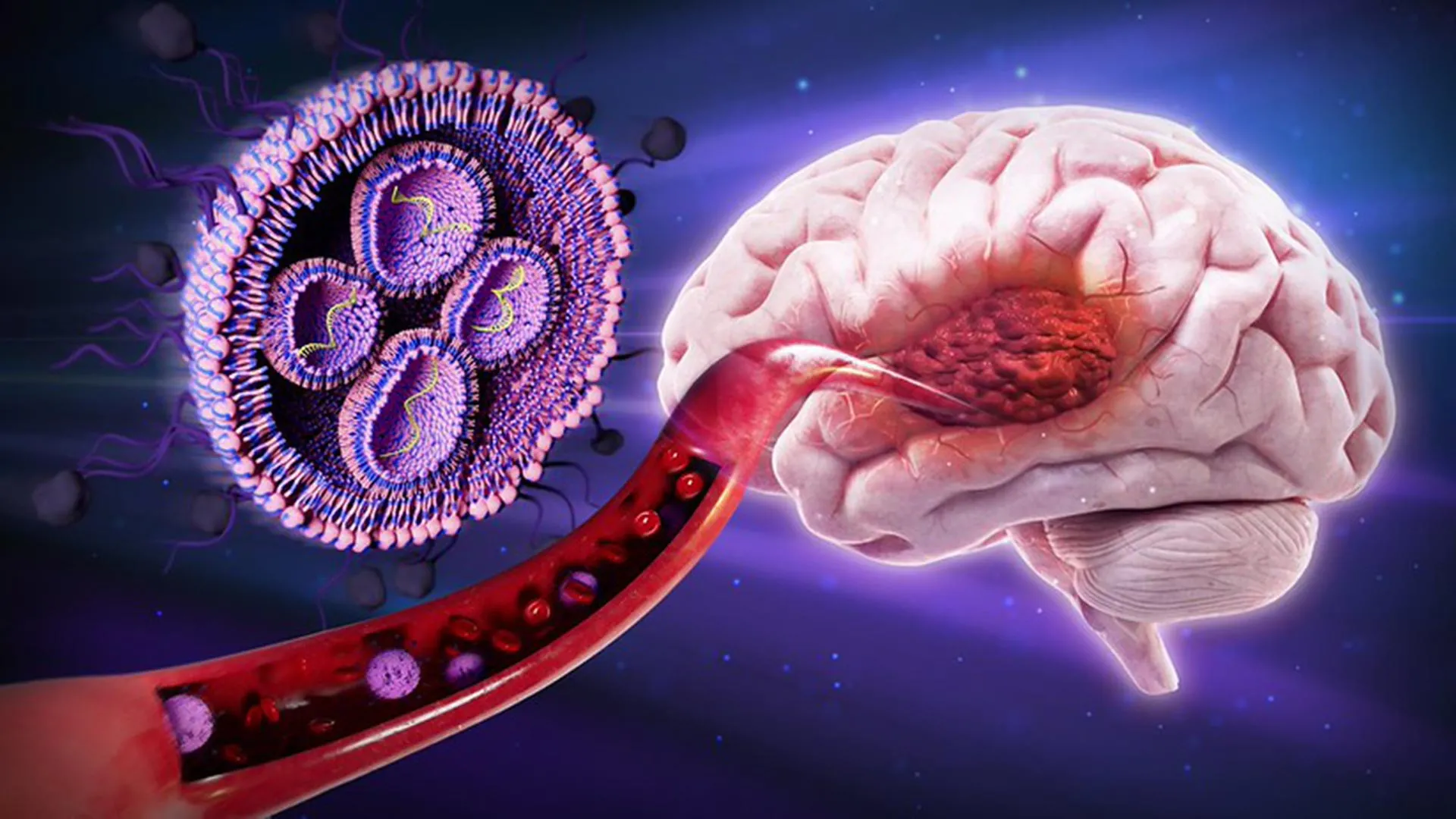
Oregon State University researchers have unveiled a groundbreaking experimental strategy for treating glioblastoma, the most aggressive and deadliest form of brain cancer, offering a beacon of hope in a field long plagued by limited therapeutic options. This innovative approach, detailed in the Journal of Controlled Release, tackles two of the most significant hurdles in glioblastoma treatment: the formidable blood-brain barrier and the need for precise tumor targeting. Currently, fewer than 30% of glioblastoma patients survive for two years following diagnosis, underscoring the urgent need for advancements.
Tackling the Blood-Brain Barrier and Tumor Specificity
The research, spearheaded by Oleh Taratula, Olena Taratula, and Yoon Tae Goo from the OSU College of Pharmacy, directly addresses the dual challenges that have historically stymied effective glioblastoma therapies. Firstly, any treatment must possess the ability to permeate the blood-brain barrier (BBB), a highly selective biological shield that meticulously regulates the passage of substances from the bloodstream into the central nervous system, safeguarding it from toxins and pathogens. Secondly, the therapeutic agent must be able to reach and engage tumor cells with exceptional accuracy, leaving healthy brain tissue unharmed to prevent debilitating side effects.
A "Sugar-Coated" Solution for Brain Tumors
In preclinical trials utilizing a mouse model, the OSU team demonstrated the efficacy of lipid nanoparticles engineered to deliver genetic material with the inherent capacity to re-establish the body’s natural tumor-suppressing mechanisms. A critical innovation in their design is a sophisticated sugar coating. This specific coating was found to significantly enhance the nanoparticles’ ability to traverse the BBB and, crucially, to concentrate within the tumor microenvironment.
The published findings indicate a remarkable 50% increase in median survival time among mice diagnosed with glioblastoma treated with this novel strategy. This substantial improvement offers compelling evidence of the approach’s potential.
The sugar employed in the nanoparticle’s protective outer layer is mannose, a monosaccharide closely related to glucose, the body’s primary source of energy. The cells that form the lining of blood vessels within the brain are equipped with a specific transporter protein known as GLUT1. This transporter’s primary function is to facilitate the uptake of glucose into the central nervous system. Intriguingly, GLUT1 also exhibits a recognition affinity for mannose. This biological overlap allows the mannose-coated nanoparticles to effectively hijack the same pathway, thereby gaining entry across the formidable blood-brain barrier.
"The bloodstream contains relatively high concentrations of glucose, and this presents a competitive challenge for the nanoparticles to be recognized by GLUT1," explained Oleh Taratula, a lead researcher on the project. "For these nanoparticles to be successfully transported, they require a densely coated sugar surface, and this represents our central innovation. By chemically conjugating mannose to cholesterol, which is a fundamental structural component of these nanoparticles, we achieved a sixfold improvement in surface coverage. This enhanced coverage is key to outcompeting glucose for transport."
Delivering Tumor-Suppressing mRNA to the Core
The core payload of these advanced nanoparticles is messenger RNA (mRNA). This genetic material serves as a blueprint, instructing cells to produce PTEN, a vital protein that plays a critical role in inhibiting uncontrolled cell proliferation and thus preventing tumor formation and growth. PTEN is frequently found to be either absent or functionally impaired in glioblastoma cells, contributing to their aggressive malignancy.
To ensure the integrity of the mRNA and protect it from degradation by enzymes in the body before it could reach its intended cellular targets, the researchers incorporated a positively charged cholesterol derivative. This additive acts as a stabilizing agent, effectively sequestering the genetic material securely within the nanoparticle structure.
Furthermore, glioblastoma cells exhibit a characteristic metabolic abnormality: they produce unusually high levels of GLUT1. This heightened expression of the glucose transporter within tumor cells provides an additional layer of targeting specificity. Once the sugar-coated particles have successfully crossed the BBB, this difference in GLUT1 expression guides them to accumulate more densely within the tumor tissue compared to healthy brain regions.
"Glioblastoma is characterized by a metabolically reprogrammed state, and as a result, it expresses GLUT1 at approximately three times the levels found in normal brain tissue," elaborated Olena Taratula, another key researcher. "This metabolic difference ensures that our nanoparticles preferentially accumulate in the tumor tissue after they have navigated the blood-brain barrier. Crucially, by restoring PTEN expression within the tumor cells, we are re-establishing the inherent mechanisms that control their growth. Across repeated dosing regimens, we observed significant tumor shrinkage without any measurable signs of organ toxicity in our models. This indicates a favorable safety profile."
The Grim Reality of Glioblastoma
Glioblastoma remains one of the most devastating cancers, characterized by its rapid growth and aggressive infiltration into surrounding brain tissue. In the United States, it affects approximately 3.19 individuals per 100,000 people annually. The disease demonstrates a slight predilection for males over females, with the median age at diagnosis typically around 64 years. The prognosis for glioblastoma patients is notoriously grim, with over 95% of diagnosed individuals succumbing to the disease within five years.
The development of this experimental therapy at Oregon State University represents a significant step forward in the long and arduous battle against glioblastoma. While still in its early stages, the research offers a tangible reason for optimism by providing a potential pathway to overcome critical treatment barriers.
Background and Timeline of Research
The journey towards this promising therapeutic strategy has been a culmination of dedicated research and incremental scientific progress. While the precise timeline of the OSU team’s work is not fully detailed in the initial release, such advanced nanoparticle development typically involves years of foundational research in materials science, molecular biology, and pharmacology.
The conceptualization of using mannose to target the BBB likely stems from earlier investigations into nutrient transport mechanisms in the brain. The development of lipid nanoparticles as drug delivery vehicles has been an active area of research for decades, with significant advancements in recent years, particularly highlighted by their role in mRNA-based vaccines. The specific challenge of delivering genetic material like mRNA for therapeutic purposes, especially to the brain, required overcoming issues of stability and targeted delivery.
The decision to focus on PTEN as the target protein is rooted in extensive genomic and proteomic studies of glioblastoma, which consistently identify mutations or loss of function in the PTEN gene as a common driver of the disease. The inclusion of a cholesterol derivative to stabilize mRNA points to a sophisticated understanding of nucleic acid chemistry and nanoparticle formulation.
The publication in the Journal of Controlled Release signifies that the research has undergone rigorous peer review by experts in the field, lending credibility to the findings and validating the scientific methodology employed. This journal is a reputable platform for disseminating cutting-edge research on drug delivery systems and controlled release technologies.
Broader Implications and Future Directions
The implications of this research extend beyond glioblastoma. The principles of using sugar-coated nanoparticles to navigate the blood-brain barrier could potentially be applied to deliver a wide range of therapeutics for other neurological disorders, including Alzheimer’s disease, Parkinson’s disease, and brain infections. The ability to precisely target tumors while minimizing off-target effects is a universal goal in cancer therapy, and this approach offers a novel mechanism for achieving that.
The success in increasing median survival by 50% in a preclinical model is a powerful indicator, but the path to clinical application involves several critical stages. The next steps will likely involve further validation in more complex animal models, followed by extensive toxicology studies to thoroughly assess safety. If these preclinical hurdles are cleared, the research team would then seek regulatory approval to initiate human clinical trials. These trials would typically be conducted in phases, starting with small groups of patients to evaluate safety and dosage, and then progressing to larger trials to assess efficacy compared to existing treatments.
The identification of specific patient populations who might benefit most from this therapy, perhaps based on the genetic profile of their tumors, could also be a future area of investigation.
Official Acknowledgements and Support
The successful execution of such complex research is rarely a solitary effort. The study acknowledges the contributions of several individuals from the College of Pharmacy at Oregon State University, including Vincent Cataldi, Vladislav Grigoriev, Neera Yadav, Tetiana Korzun, Chao Wang, and Adam Alani, highlighting the collaborative nature of modern scientific endeavors.
Furthermore, the financial backing for this critical research underscores its importance and potential impact. The project received crucial support from esteemed institutions such as the National Cancer Institute (NCI) of the National Institutes of Health (NIH), the Eunice Kennedy Shriver National Child Health and Human Development (NICHD), and the National Research Foundation of Korea. These funding bodies play a vital role in advancing scientific discovery by investing in promising research that has the potential to address significant public health challenges. Their continued investment in innovative cancer research is paramount for developing next-generation therapies.
In conclusion, the development of these sugar-coated nanoparticles by Oregon State University researchers represents a significant stride in the fight against glioblastoma. By ingeniously addressing the challenges of the blood-brain barrier and tumor specificity, this experimental strategy offers a renewed sense of hope for patients facing this formidable disease and paves the way for potential breakthroughs in the broader field of neurological therapeutics.