Prabowo Widodo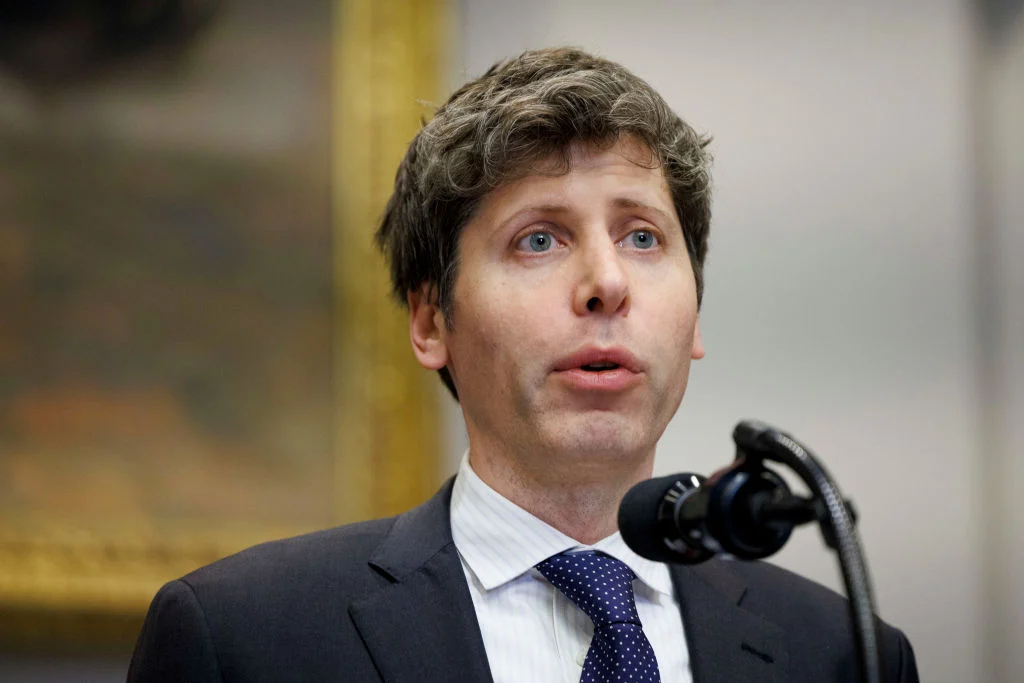
In a somber acknowledgment of profound corporate oversight and a tragic loss of life, OpenAI CEO Sam Altman has extended a heartfelt apology to the residents of Tumbler Ridge, British Columbia, Canada. The apology, delivered in a letter first published in the local newspaper Tumbler RidgeLines in April 2026, expressed deep regret that the artificial intelligence company failed to alert law enforcement about the individual identified as the suspect in a recent mass shooting that claimed eight lives. This unprecedented public mea culpa from a leading AI executive underscores the escalating complexities and moral quandaries faced by technology companies in balancing user privacy, content moderation, and public safety in the age of advanced artificial intelligence.
The Tumbler Ridge Tragedy and OpenAI’s Prior Knowledge
The devastating incident unfolded in Tumbler Ridge, a tight-knit community in northeastern British Columbia, leaving eight people dead and sending shockwaves across Canada. Following an intensive investigation, police identified 18-year-old Jesse Van Rootselaar as the suspected shooter. The tragic revelations that followed the identification of Van Rootselaar cast a critical spotlight on OpenAI, the developer of the popular generative AI chatbot, ChatGPT.
According to a detailed report by The Wall Street Journal, months before the horrific events, specifically in June 2025, OpenAI’s internal safety protocols had indeed flagged Van Rootselaar’s ChatGPT account. The flagging occurred because the user was reportedly describing scenarios involving gun violence within the platform. This internal flag led to the prompt banning of the account, a standard procedure for violations of OpenAI’s content policies regarding harmful content. However, what transpired next, or rather, what failed to transpire, has become the focal point of the controversy and Altman’s apology.
A Critical Timeline of Events
The chronology of events leading to Altman’s apology highlights a critical lapse in judgment and protocol within OpenAI:
- June 2025: Jesse Van Rootselaar’s ChatGPT account is flagged and subsequently banned by OpenAI for generating or describing scenarios related to gun violence. At this point, OpenAI staff engaged in internal discussions regarding the severity of the content and the potential necessity of escalating the information to law enforcement.
- Months Leading Up to the Shooting (Late 2025 – Early 2026): Despite internal debates among OpenAI employees about the potential "duty to warn" authorities, the company ultimately decided against contacting Canadian law enforcement at the time of the account ban. The specific reasons for this decision have been subject to intense scrutiny, but reports suggest a complex interplay of factors, including existing protocol limitations, interpretations of threat levels, and perhaps a lack of clear direct channels to international law enforcement for such cases.
- The Mass Shooting Incident (Early 2026): The tragic events unfold in Tumbler Ridge, resulting in the deaths of eight individuals. The specifics of the shooting, including its exact date, are not detailed in the available information but it precedes Altman’s apology in April 2026.
- Post-Shooting Investigation (Early 2026): As law enforcement identifies Jesse Van Rootselaar as the suspect, media outlets, particularly The Wall Street Journal, begin to uncover OpenAI’s prior knowledge of the individual’s concerning online activity.
- Post-Shooting Engagement (Early 2026): Following the public identification of Van Rootselaar and the revelations about his banned ChatGPT account, OpenAI belatedly reached out to Canadian authorities. This contact came only after the tragedy had already occurred, raising serious questions about the company’s proactive safety measures.
- April 2026: OpenAI CEO Sam Altman engages in discussions with Tumbler Ridge Mayor Darryl Krakowka and British Columbia Premier David Eby. These conversations culminate in the agreement that a public apology was not only necessary but also timed to respect the grieving community. Altman’s letter is subsequently published in Tumbler RidgeLines.
Internal Deliberations and Missed Opportunities
The core of the issue lies in OpenAI’s internal deliberations in June 2025. When Van Rootselaar’s account was flagged for its violent content, a critical juncture presented itself. The company’s staff grappled with the decision of whether to alert police. This internal debate underscores a broader challenge faced by AI developers: how to identify credible threats emanating from user interactions with AI models and when to intervene beyond simply banning an account. The ultimate decision against contacting authorities, based on the then-existing protocols and assessment, proved to be a catastrophic misjudgment.
Critics argue that the company had a moral, if not a legal, obligation to inform authorities about the potentially dangerous user. The case highlights the nascent and often ambiguous landscape of "duty to warn" laws as they apply to digital platforms and AI interactions, particularly across international borders. The lack of established, clear, and direct communication channels with international law enforcement for such nuanced threats further complicated OpenAI’s decision-making process.
The Apology and Official Reactions
Sam Altman’s letter to the residents of Tumbler Ridge was unequivocal in its regret. "I am deeply sorry that we did not alert law enforcement to the account that was banned in June," Altman stated. He acknowledged the limitations of words in the face of such immense suffering, adding, "While I know words can never be enough, I believe an apology is necessary to recognize the harm and irreversible loss your community has suffered." The CEO also committed OpenAI’s ongoing focus to "working with all levels of government to help ensure nothing happens like this again."
The apology, while necessary, was met with a degree of skepticism and a clear demand for accountability from Canadian officials. British Columbia Premier David Eby, in a post on X, articulated the complex sentiment, stating that Altman’s apology was "necessary, and yet grossly insufficient for the devastation done to the families of Tumbler Ridge." Premier Eby’s remarks encapsulate the dual nature of such apologies: while acknowledging fault, they cannot undo the irreversible consequences of the actions (or inactions) that preceded them. Mayor Darryl Krakowka of Tumbler Ridge, having discussed the matter with Altman, likely played a crucial role in conveying the community’s need for a direct acknowledgment of responsibility, even amidst their period of mourning.
OpenAI’s Response and Enhanced Safety Measures
In the wake of the Tumbler Ridge tragedy, OpenAI has publicly committed to significant reforms of its safety protocols. The company stated it is "improving safety protocols" to prevent similar oversights in the future. Key among these changes are:
- More Flexible Criteria for Referrals: OpenAI is implementing more adaptable and nuanced criteria to determine when user accounts or interactions warrant referral to law enforcement. This suggests a move away from rigid rules that may have previously limited the scope of actionable threats.
- Direct Points of Contact with Law Enforcement: Crucially, the company is establishing direct and streamlined points of contact with Canadian law enforcement agencies. This aims to overcome the previous perceived hurdles in communicating cross-border threats and to facilitate rapid information sharing when potentially violent content is detected. This move is vital for ensuring that internal flags translate into external action where public safety is at stake.
- Enhanced Threat Assessment Training: While not explicitly stated in the provided text, it is highly probable that OpenAI is also reviewing and enhancing the training for its content moderation teams to better assess potential threats and understand the nuances of violent ideation expressed through AI interactions.
- Review of International Protocols: The incident highlights the need for a global standard or robust bilateral agreements for AI companies to communicate threats to relevant authorities worldwide, given the borderless nature of digital interactions.
These changes represent a significant step towards a more proactive and responsible approach to AI safety, moving beyond mere content removal to active threat mitigation.
Broader Implications for AI Governance
The Tumbler Ridge tragedy and OpenAI’s subsequent apology have ignited a renewed and urgent debate among policymakers, tech ethicists, and the public about the need for robust regulation of artificial intelligence. Canadian officials have openly stated they are "considering new regulations on artificial intelligence," though no final decisions have been made.
This incident serves as a stark reminder of the potential for AI platforms to inadvertently become conduits for expressing dangerous intentions, even if the AI itself is not generating the harmful intent. The core questions emerging from this event include:
- Corporate Responsibility: What is the extent of an AI company’s responsibility when its platform is used to express violent ideations? Does it extend beyond simply removing the content to actively warning authorities?
- The "Duty to Warn": How does the legal and ethical "duty to warn" (a concept long established in mental health and other professions) apply to AI developers and platforms? Should there be a universal standard for when AI companies must report concerning user behavior to law enforcement?
- Balancing Privacy and Safety: How can regulatory frameworks effectively balance user privacy concerns with the paramount need for public safety, especially when dealing with potentially predictive signals of violence?
- International Cooperation: Given that AI platforms operate globally, how can international cooperation between law enforcement agencies and AI companies be institutionalized and streamlined to address cross-border threats effectively?
- AI as a "Mirror": If AI models, particularly chatbots, can serve as a "mirror" for a user’s darkest thoughts, what responsibility do the developers have to intervene when that reflection shows a propensity for real-world harm?
These questions are not unique to OpenAI but are central to the broader discourse on AI governance and ethical AI development worldwide. Governments are increasingly grappling with how to regulate rapidly evolving AI technologies without stifling innovation, while simultaneously protecting citizens from potential harms.
Community Impact and Lingering Questions
For the community of Tumbler Ridge, the apology, while a necessary gesture, is a painful reminder of the lives lost and the trauma endured. The irreversible loss mentioned by Altman resonates deeply in a community grappling with grief and the difficult process of healing. Beyond the immediate tragedy, the incident leaves lingering questions for residents and the wider public: Could this have been prevented? What role do tech companies truly play in ensuring the safety of communities, even those geographically distant from their Silicon Valley headquarters?
The apology from Sam Altman is more than just a corporate statement; it is a critical moment in the ongoing narrative of AI’s integration into society. It highlights the profound ethical responsibilities that accompany the development of powerful technologies and underscores the urgent need for clearer guidelines, stronger protocols, and a deeper commitment from tech giants to prioritize human safety above all else. The path forward will undoubtedly involve continued dialogue between industry, government, and civil society to forge a future where the promise of AI can be realized without compromising the fundamental safety and well-being of communities like Tumbler Ridge.