
 Johny Marice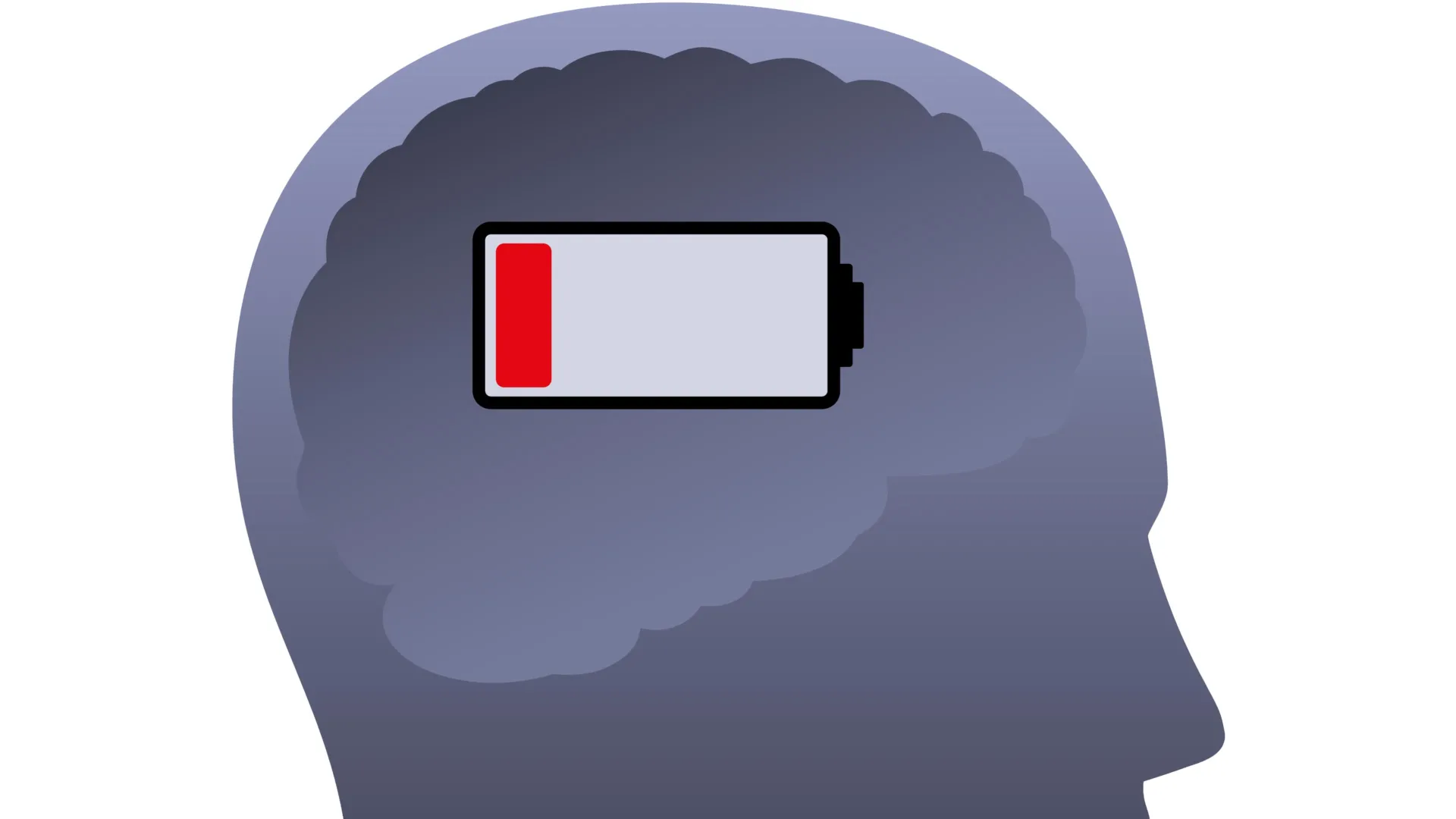
The human brain is a biological marvel of efficiency, consuming roughly 20 percent of the body’s total oxygen and glucose despite accounting for only about 2 percent of its total mass. Maintaining this intensive energy budget is a constant challenge, particularly as the brain transitions between wakefulness, non-REM (NREM) sleep, and the highly active state of rapid eye movement (REM) sleep. Recent research conducted at Tohoku University has uncovered a physiological contradiction during REM sleep: while the brain ramps up its blood-derived fuel supply, the actual levels of Adenosine Triphosphate (ATP)—the primary energy currency of neurons—unexpectedly plummet. This finding, published in the journal Communications Biology, challenges long-held assumptions about how the brain sustains itself during the complex, memory-intensive processes of dreaming.
A New Window Into the Sleeping Brain
For decades, neuroscientists have struggled to monitor real-time metabolic fluctuations in the brain without disrupting the natural sleep architecture of their subjects. Traditional methods, such as fMRI or PET scans, often require subjects to remain stationary in noisy, clinical environments, which can alter sleep quality and hinder the observation of natural REM cycles.
To circumvent these limitations, the team at Tohoku University, led by Professor Ko Matsui and investigator Yusuke Takahashi, employed a sophisticated technique involving a UV-curable resin to render the skulls of laboratory mice transparent. This cranial window allowed researchers to observe cortical activity with unprecedented clarity while the mice underwent natural sleep cycles. By combining this method with wide-field fluorescence imaging, the team was able to map blood volume changes alongside the concentration of key metabolic markers, including astrocytic pyruvate and neuronal ATP.
The Chronology of the REM Transition
The researchers identified a distinct, highly coordinated sequence of physiological events that precedes the onset of REM sleep. This suggests that the brain does not simply "fall" into a dream state but rather actively prepares for it through a deliberate metabolic shift.
Approximately 50 seconds before the official transition into REM sleep, the brain begins to increase its blood volume, starting in the posterior cortex and migrating forward. This systemic shift serves as a precursor to the metabolic demands that the brain anticipates. During NREM sleep, the brain displays characteristic delta-band oscillations, punctuated by smaller theta-band fluctuations. The researchers discovered that these theta-band fluctuations serve as a reliable predictive marker for subsequent blood volume increases, suggesting that the brain’s vascular system is tightly coupled with neuronal metabolic demand, even during the deepest stages of rest.
Once the subject enters REM sleep, the physiological landscape shifts further. Astrocytic pyruvate—a vital link between blood glucose and cellular metabolism—rises, indicating that the astrocytes (support cells that manage energy supply) are actively preparing to fuel the neurons. However, despite this influx of potential energy, the actual concentration of neuronal ATP declines. This creates a physiological paradox: the brain is receiving more fuel, but it is consuming its energy stores faster than they can be replenished.
Understanding the Energy Deficit
The observation that neuronal ATP falls during REM sleep has prompted a re-evaluation of what the brain is actually "doing" while we dream. Professor Ko Matsui notes that the fatigue people often feel after a vivid dream is not merely subjective; it may be the result of a genuine, high-intensity metabolic event.
"Sleep may appear peaceful, but the brain is highly active—especially when dreaming," Matsui said. "We were intrigued by this paradox, and wanted to look into the scientific basis behind why dreaming is somehow tiring."
Several hypotheses have emerged to explain why ATP levels drop despite an increase in blood flow. One primary theory involves the sheer computational load of synaptic reorganization. REM sleep is widely considered a critical period for memory consolidation, where the hippocampus and the cerebral cortex communicate to stabilize and integrate new information. This process requires extensive structural remodeling of synapses, which is an energy-intensive operation.
Alternatively, the decline in ATP may reflect a change in the efficiency of metabolic resource transfer between astrocytes and neurons. It is possible that the mitochondria within neurons are operating at a different capacity during REM sleep, or that the rapid firing of neuronal circuits during dream states necessitates a rate of consumption that exceeds the current rate of ATP production.
Broader Implications for Biological Computation
The implications of these findings extend far beyond the study of sleep. They provide a foundational insight into how biological systems solve the problem of limited resources. Conventional electronic computers operate on a steady, often inefficient power supply. In contrast, the mammalian brain exhibits a dynamic energy economy, redirecting resources to specific circuits based on behavioral states, memory requirements, and internal needs.
Yusuke Takahashi highlights the significance of this discovery for the field of neuroscience. "Understanding how the brain balances energy supply and consumption may help explain what makes biological intelligence so efficient," Takahashi explained. "REM sleep gives us a natural example of how the brain reorganizes its energy economy to support complex internal processing."
The ability to redistribute energy—rather than simply demanding more—allows the brain to maintain high-level cognitive functions like memory consolidation and emotional regulation without requiring a constant, massive intake of calories. This efficiency is a hallmark of the evolutionary success of the human brain, but it also creates vulnerabilities. If the balance between energy supply and metabolic demand is disrupted, it could potentially lead to cognitive impairments, sleep disorders, or neurodegenerative conditions.
Future Directions and Clinical Relevance
The discovery that the brain prepares for REM sleep nearly a minute in advance suggests that the transition into dreaming is a complex, regulated process. This timeline offers a potential target for future research into sleep disorders, such as REM sleep behavior disorder or insomnia, where the normal metabolic transitions of the sleep cycle may be disrupted.
Furthermore, the study provides a new framework for understanding the link between sleep and metabolic health. As obesity, diabetes, and cardiovascular diseases become more prevalent, understanding the energy requirements of the brain during sleep becomes increasingly relevant. If the brain is indeed working at a metabolic deficit during dreams, the quality and duration of REM sleep could have profound effects on the body’s overall metabolic homeostasis.
Conclusion
The Tohoku University study represents a significant leap forward in our understanding of the sleeping brain. By identifying the specific temporal patterns of blood volume, astrocytic pyruvate, and neuronal ATP, the researchers have quantified the "hidden cost" of the dreaming mind. While the biological mechanisms behind this paradox remain under investigation, the findings reinforce the idea that sleep is not a state of inactivity. Rather, it is a highly active, energetically expensive, and fundamentally necessary period of biological computation.
As researchers continue to decode the brain’s energy budget, the dream state appears less like a period of rest and more like an intense, nocturnal session of data processing and structural maintenance. The next phase of research will likely focus on whether these metabolic shifts can be modulated or if they are immutable biological constraints, ultimately providing a clearer picture of why we must dream to function, and why that dreaming comes at such a high metabolic price.









