Nila Kartika Wati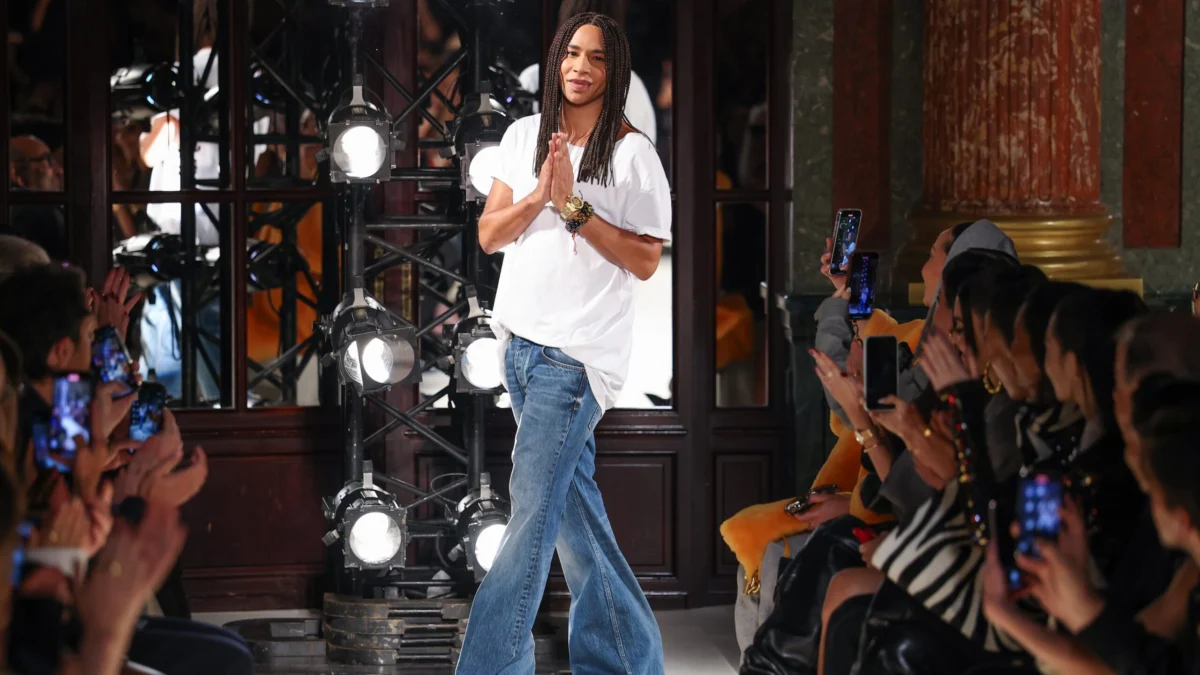
The appointment of Olivier Rousteing as the new Creative Director of Rabanne marks a significant moment for the iconic fashion house, signaling a new era of ambition and expansion. Rousteing’s move to Rabanne follows his departure from Balmain in November, where he spent an illustrious 14-year tenure, transforming the brand into a global powerhouse. His mandate at Rabanne is clear: to spearhead the brand’s evolution into new product categories and solidify its position in the contemporary luxury market. This strategic decision by Rabanne’s parent company, Puig, underscores a commitment to innovation and leveraging established creative leadership to drive growth.
A New Chapter for a Fashion Luminary
Olivier Rousteing’s departure from Balmain in November sent ripples through the fashion industry. During his tenure, he not only revitalized the brand’s aesthetic, infusing it with a distinct blend of opulence, modernity, and a strong sense of identity, but also masterfully cultivated its global presence and commercial success. His influence extended beyond the runway, with Rousteing becoming a prominent social media figure, forging a deep connection with a new generation of fashion enthusiasts. His ability to translate high fashion into commercially viable products and his keen understanding of brand storytelling are precisely the attributes Rabanne seeks to harness.
The decision to appoint Rousteing is a calculated one by Puig, the Spanish luxury conglomerate that owns Paco Rabanne. Puig has a history of investing in brands with strong heritage and potential for growth, and Rabanne, with its avant-garde legacy and distinct design codes, offers fertile ground. The brand, founded by the visionary Paco Rabanne in the 1960s, is renowned for its innovative use of materials and futuristic designs. Rousteing’s ability to blend historical references with contemporary sensibilities is expected to breathe new life into these foundations, creating a dialogue between Rabanne’s past and its future.
The Balmain Legacy and the Transition
Rousteing’s 14-year journey at Balmain was nothing short of transformative. Taking the helm at the young age of 24 in 2011, he inherited a house with a rich history but one that needed a bold, modern reinterpretation. He delivered this with a signature style characterized by sharp tailoring, opulent embellishments, rich fabrics, and a bold, unapologetic glamour. He successfully broadened Balmain’s appeal, attracting a diverse clientele and significantly increasing its revenue. Under his creative direction, Balmain’s ready-to-wear collections became highly anticipated events, and the brand’s accessories and fragrance lines also saw substantial growth.
His departure from Balmain was described by the brand as a mutual decision, signaling the end of a highly successful era. Sources close to the brand at the time suggested that Rousteing was looking for new creative challenges, and the opportunity at Rabanne, with its distinct brand DNA and ambitious expansion plans, presented exactly that. The timeline of his departure in November 2023 and the subsequent announcement of his role at Rabanne suggests a period of strategic planning and transition behind the scenes.
Rabanne’s Vision and Expansion Strategy
Rabanne, under Puig’s ownership, has been on a trajectory to reclaim its position as a leading luxury fashion house. The brand has seen a resurgence in recent years, particularly with its successful ready-to-wear collections and a growing presence in beauty and fragrance. However, the strategic appointment of a creative director with Rousteing’s international renown and commercial acumen indicates a desire to accelerate this growth and diversify the brand’s offerings.
The mandate to expand into new product categories is a key aspect of Rousteing’s role. This could encompass a wide range of areas, from leather goods and accessories to potentially even home décor or lifestyle products. Historically, Rabanne has been synonymous with avant-garde fashion, but Rousteing’s proven ability to translate a brand’s core identity into desirable, everyday luxury items will be crucial. His experience at Balmain, where he successfully launched and expanded numerous product lines, makes him an ideal candidate for this ambitious undertaking.
Industry Reactions and Market Implications
The fashion industry has largely reacted positively to the news. Analysts and commentators see Rousteing’s appointment as a strategic masterstroke by Puig, recognizing the designer’s ability to generate buzz, connect with consumers, and drive sales.
"Olivier Rousteing is a visionary designer who has a proven track record of success in revitalizing heritage brands and making them relevant to a global audience," commented fashion industry analyst Sarah Chen. "His appointment at Rabanne is a clear signal of Puig’s intent to elevate the brand and tap into new markets. His social media presence and ability to connect with younger consumers will also be invaluable in Rabanne’s ongoing digital transformation."
The move is expected to have significant implications for the luxury market. Rabanne, already a respected name, is now poised to compete more directly with established luxury giants. Rousteing’s creative direction is anticipated to inject a fresh dose of energy and desirability into the brand, potentially attracting a new wave of affluent consumers. Furthermore, his ability to create commercially successful products while maintaining a strong brand identity could set a new benchmark for other heritage brands looking to innovate and expand.
A Look Ahead: The Future of Rabanne Under Rousteing
The coming seasons will be closely watched as Rousteing unveils his first collections for Rabanne. His ability to interpret the brand’s DNA – the futuristic, the bold, the avant-garde – through his signature lens of glamour and modern sensuality will be the key to his success. The expectation is for collections that honor the brand’s heritage while pushing boundaries and appealing to a contemporary global consumer.
The strategic expansion into new product categories will also be a critical area to monitor. Success in these ventures could significantly boost Rabanne’s overall revenue and market share. Puig’s investment in Rousteing suggests a long-term vision for the brand, one that aims to build on its established reputation while embracing innovation and new avenues of growth. The partnership between Olivier Rousteing and Rabanne represents a compelling narrative of heritage meeting modernity, and the fashion world eagerly awaits to see the bold new chapter they will write together.