Ana Megawati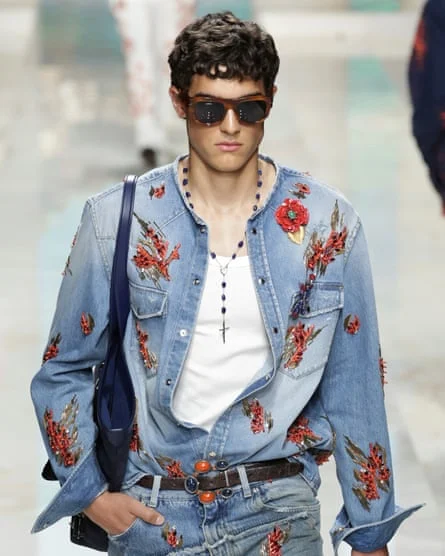
On the second day of Milan Fashion Week, luxury powerhouse Dolce & Gabbana presented its Spring/Summer 2027 menswear collection, deploying a strategy of theatrical grandeur designed to command attention and potentially divert focus from a series of pressing corporate challenges. The opulent display unfolded against a backdrop of significant debt, recent controversies, and a notable reshuffle within the brand’s executive ranks, highlighting the delicate balance between creative expression and corporate stability in the high-stakes world of luxury fashion.
Dolce & Gabbana’s Grand Return to Excess
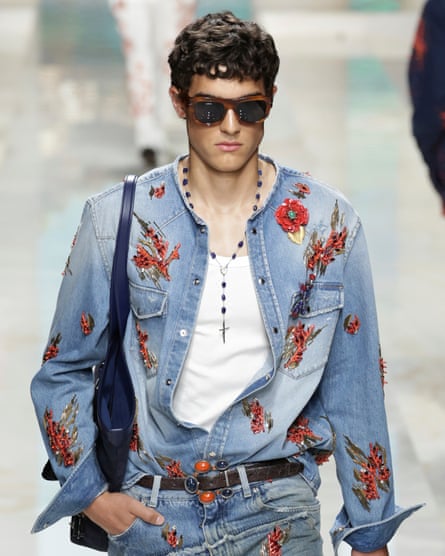
The runway show was a quintessential Dolce & Gabbana affair, embracing its signature "molto sexy" Italian aesthetic infused with a generous, almost extravagant, dose of la dolce vita. The collection, described by observers as "Euro summer on steroids," featured an array of daring pieces. Models showcased clingy muscle vests that accentuated the physique, and micro shorts so abbreviated they rendered traditional short shorts modest by comparison. Some models even walked the runway topless, pushing boundaries and ensuring maximum visual impact. Denim, a staple for many, was reimagined through extreme treatments, appearing either heavily ripped and shredded or lavishly encrusted with sparkling jewels. T-shirts became canvases for vibrant imagery, ranging from oversized prints of Sicilian lemons and ancient amphitheatres—iconic symbols of Italian heritage—to a striking mosaic depiction of Christ, blending religious iconography with contemporary fashion.

This collection marked a critical moment for the brand, as it was their first menswear presentation since a widely criticized "all-white casting" earlier this year. That incident, which drew accusations of a lack of diversity, added to a growing "long list of previous controversies" that have plagued the brand over the past decade. These past missteps have included insensitive marketing campaigns, controversial statements by its founders, and significant public backlash, particularly from key international markets. The brand’s recurrent brushes with controversy have frequently led to public apologies and calls for greater accountability within the luxury sector.
Executive Transitions and Financial Pressures
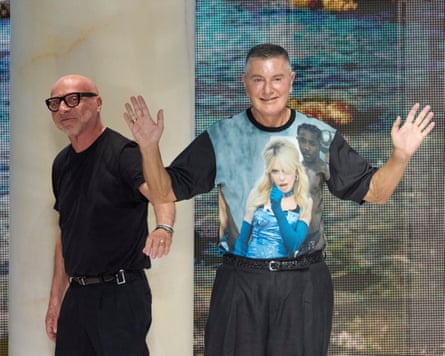
Beyond the creative statement, the SS27 show also coincided with a period of significant corporate restructuring. It was the first show since co-founder Stefano Gabbana stepped down from his position as chair of the company. The announcement, made in March, confirmed that Gabbana had tendered his resignation in December of the previous year, marking a pivotal change in the leadership structure of the company he co-founded with Domenico Dolce in 1985. While Stefano Gabbana’s role as co-creative director remains unchanged, ensuring his continued artistic influence, the move signals a strategic shift in corporate governance.
Further emphasizing this executive realignment, January saw the appointment of Stefano Cantino, formerly the chief executive of Gucci, as co-chief executive. Cantino now works alongside Alfonso Dolce, Domenico Dolce’s brother, forming a new leadership duo tasked with navigating the brand through its current turbulent waters. This infusion of external, high-level management expertise, particularly from a seasoned luxury industry veteran like Cantino, suggests a concerted effort to stabilize the company and steer it towards renewed growth and market confidence.
These management changes are unfolding against a backdrop of substantial financial pressure. In a luxury market experiencing considerable turbulence, Dolce & Gabbana has found itself grappling with a reported £391 million debt pile. This significant financial burden has prompted urgent negotiations with creditors. Recent reports indicate that, as part of these discussions, the brand is actively considering a potential sale and leaseback of several prime properties it owns within Milan, a common strategy for companies seeking to unlock capital from their real estate assets to improve liquidity and reduce debt.
The broader luxury market has been experiencing a notable slump, impacted by global economic uncertainties, shifts in consumer spending habits post-pandemic, and geopolitical tensions. While Dolce & Gabbana continues to maintain a strong presence on red carpets during award season—boasting an impressive roster of celebrity fans including Colman Domingo, Patrick Schwarzenegger, and Ryan Gosling—this high-profile visibility has not insulated the brand from the wider industry downturn. The Saturday show, with its unapologetic embrace of "excess," served as a powerful reminder to its loyal clientele of the brand’s core identity, perhaps aiming to rally support and project an image of unwavering confidence despite its underlying corporate challenges. The theatricality was not merely a fashion statement but a strategic communication, asserting Dolce & Gabbana’s enduring presence and distinctive voice in a competitive and demanding industry.
Paul Smith: The Art of Modern Tailoring
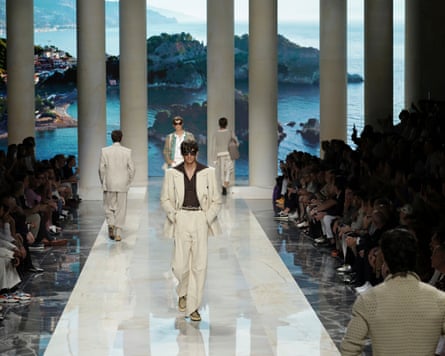
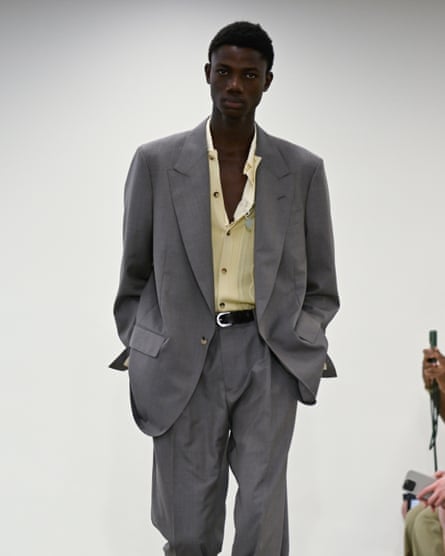
Later in the day, the spotlight shifted to British menswear icon Paul Smith, who has been a consistent presence at Milan Fashion Week since 2025. Smith, renowned for his refined yet playful approach to tailoring, presented a collection that honed in on his enduring speciality: the suit. His presentation offered a thoughtful counterpoint to Dolce & Gabbana’s maximalist spectacle, focusing instead on timeless elegance with a contemporary twist.
Backstage, Smith offered insightful commentary on the burgeoning resurgence of suiting, attributing its renewed popularity to a generational shift in fashion preferences. "A lot of our customers grew up with their dads wearing hoodies during the pandemic," Smith observed. "Those kids are now 18-25 years old and don’t want to look like their dad. They want to smarten up." This statement encapsulates a broader trend observed across the fashion landscape, where younger generations, particularly Gen Z, are increasingly gravitating towards more structured, formal, and consciously styled attire as a form of self-expression, differentiating themselves from the casual comfort that defined much of the previous generation’s aesthetic. This move towards sophistication represents a rejection of the perceived sartorial apathy associated with lockdown fashion, embracing a more polished and intentional wardrobe.
The Tailored Revival: A Generational Shift
Smith’s analysis resonates with wider industry observations. After years dominated by streetwear, athleisure, and relaxed silhouettes, there is a palpable shift towards a more formal, yet still approachable, aesthetic. This isn’t a return to rigid, corporate dressing, but rather an embrace of tailoring that offers versatility and individual flair. Young consumers are discovering the power of a well-cut suit not just for special occasions, but as a statement of personal style in everyday life. They seek quality, craftsmanship, and pieces that convey confidence and individuality, often looking to historical references or subtle contemporary twists to make tailoring their own.
The designer pointed to cultural figures like Harry Styles as prime examples of this evolving trend. Styles, known for his flamboyant and eclectic stage costumes, has notably shifted towards more pared-back tailoring and classic ties for his latest "Together Together" tour. This evolution in Styles’ personal style mirrors the broader movement, illustrating how even those with a penchant for theatricality are finding elegance and modernity in traditional suiting. This shift from maximalist extravagance to refined simplicity, even for a pop culture icon, underscores the growing appeal of tailoring.
Craftsmanship and Distinctive Details
Smith, who will turn 80 next month, revealed that his younger design team delved deep into his extensive Nottingham-based archive, which houses over 5,000 of his pieces, to unearth tailoring references from the 1980s and late 1990s. This historical exploration informed the collection, blending classic silhouettes with modern sensibilities. The result was a collection that honored the heritage of tailoring while infusing it with a contemporary spirit.
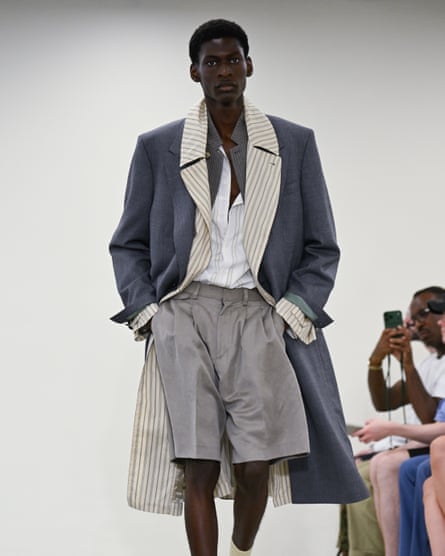
Addressing the common perception that suits equate to "formality or funerals or weddings," Smith emphasized his brand’s mission to demonstrate the suit’s inherent versatility. "A lot of what we try to do is show how it can be more relaxed so we roll the cuffs up, or pop the collar up or style the shirts untucked," he explained. This approach was evident on the catwalk, where models sported unbuttoned waistcoats and, at times, unbuttoned shirts, offering glimpses of flesh that added a subtle sensuality and ease to the ensembles. This styling demystifies the suit, making it accessible and appealing for a broader range of occasions and personal expressions.
Paul Smith’s commitment to quality and distinctiveness shone through in his description of his suits as "being a bit different" and possessing "perceived value." He highlighted specific construction techniques, such as pad stitching, which ensures the fabric curves gracefully around the body, creating a superior fit and drape. The use of lightweight, crease-resistant fabrics also speaks to the practical needs of the modern wearer, offering comfort and ease of maintenance without compromising on style. Furthermore, Smith’s signature quirky details were present, from unexpected crocodile eye buttons to playful lapel pins riffing on everyday objects like teaspoons and sardines. These elements inject a sense of personality and wit into classic garments, making a Paul Smith suit instantly recognizable and cherished.
Even at his distinguished age, Paul Smith remains actively involved in the retail experience, regularly working in his Albemarle Street store in London on Saturday afternoons. This hands-on approach allows him to connect directly with his clientele, understanding their needs and preferences, and ensuring his collections remain relevant and resonant. His enduring passion for design and commitment to his brand’s ethos continue to cement his status as a revered figure in global menswear.
Broader Implications for the Fashion Industry
The contrasting presentations by Dolce & Gabbana and Paul Smith on the second day of Milan Fashion Week offer a microcosm of the luxury fashion industry’s current landscape. Dolce & Gabbana’s bold, maximalist show, while creatively potent, underscored the brand’s efforts to navigate significant financial and reputational hurdles through a strategy of high-impact visual spectacle. The ongoing management restructuring and efforts to address substantial debt reflect a critical period for the Italian house, as it seeks to stabilize its business amidst a challenging global luxury market. The question remains whether pure theatricality can effectively overshadow deep-seated corporate issues and a history of controversies, or if a more fundamental strategic overhaul will be required for sustained success.
Conversely, Paul Smith’s focus on refined, approachable tailoring highlights a different kind of resilience and relevance. His collection, rooted in impeccable craftsmanship and a keen understanding of evolving consumer desires, tapped into a growing appetite for elevated, yet wearable, sophistication. The resurgence of suiting, driven by a younger generation seeking to define its own style distinct from previous trends, suggests a broader shift in fashion consciousness. Brands that can offer quality, versatility, and subtle innovation within classic forms may find enduring appeal in a market increasingly valuing authenticity and considered consumption.
Collectively, these shows at Milan Fashion Week illustrate the diverse strategies luxury brands are employing to stay competitive. From high-octane drama designed to captivate and distract, to the quiet confidence of expertly tailored garments, the industry continues to evolve, adapting to economic pressures, changing consumer demographics, and the ever-present demand for both novelty and timeless elegance. The ongoing narrative of these iconic brands will undoubtedly continue to shape the future of global fashion.