
 Johny Marice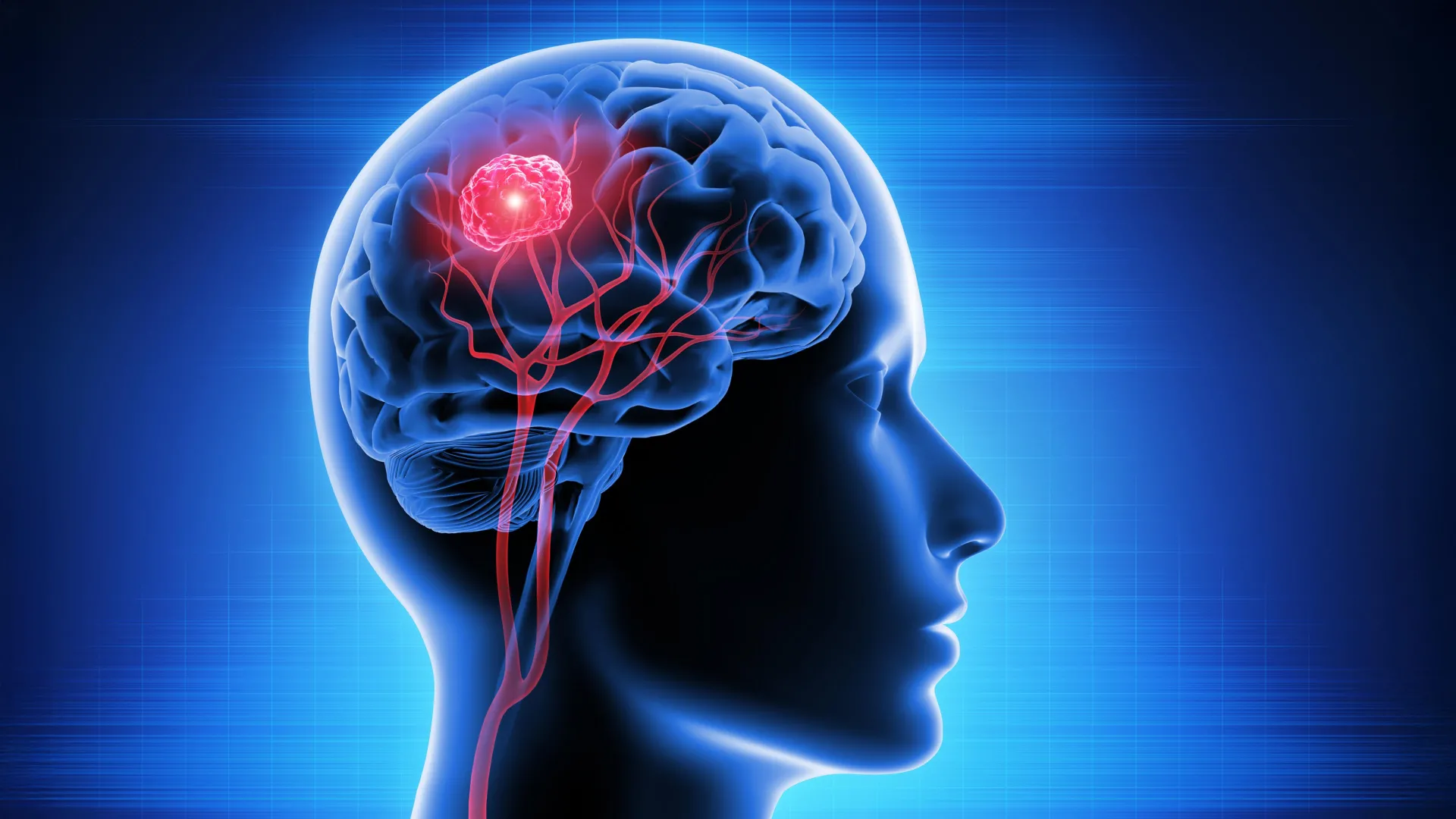
A groundbreaking study, recently published in the esteemed journal Oncoscience, unveils a novel therapeutic avenue for glioblastoma, an exceptionally aggressive and notoriously difficult-to-treat brain cancer. The research centers on nitrosylcobalamin (NO-Cbl), a specially engineered derivative of vitamin B12 designed to release nitric oxide, and its potential to breach the formidable blood-brain barrier (BBB) and selectively target malignant cells within glioblastoma tumors. This pioneering work was spearheaded by Joseph A. Bauer, serving as both first and corresponding author, with affiliations to Nitric Oxide Services, LLC and the Cleveland Clinic Foundation Taussig Cancer Center.
Glioblastoma Multiforme (GBM) stands as one of the most devastating and treatment-resistant forms of brain cancer, exacting a grim prognosis for affected individuals. Despite the current standard of care, which typically involves a combination of surgical resection, radiation therapy, and chemotherapy, the median survival rate for patients diagnosed with GBM rarely exceeds 15 months. A primary impediment to effective treatment lies in the biological marvel known as the blood-brain barrier. This highly selective physiological interface acts as a stringent gatekeeper, preventing a vast majority of potential therapeutic agents from reaching tumorous tissue within the brain. The development of strategies to overcome this barrier and deliver therapeutic payloads directly to the tumor site is therefore a critical area of ongoing research in neuro-oncology.
Investigating a Vitamin B12-Based Strategy for Brain Cancer Therapy
The research team embarked on a comprehensive evaluation of NO-Cbl, employing a multi-faceted experimental approach. This rigorous methodology included assessing the compound’s efficacy against a broad spectrum of cancer types using the National Cancer Institute’s (NCI) 60 human tumor cell line panel. Further elaborating on its therapeutic potential, pharmacokinetic studies were meticulously conducted in rat models engineered with glioblastoma tumors to understand how NO-Cbl is absorbed, distributed, metabolized, and excreted within a living organism. Crucially, the study also delved into NO-Cbl’s performance when administered in conjunction with established glioblastoma treatments, such as TRAIL (Tumor Necrosis Factor-Related Apoptosis-Inducing Ligand) and temozolomide, using human glioblastoma cell lines.
The initial findings from these cell line screenings revealed that NO-Cbl demonstrated significant antitumor activity across a diverse array of cancer types. Notably, cancer cells originating from the central nervous system, which include glioblastoma, exhibited a moderate but encouraging level of sensitivity to the therapeutic effects of NO-Cbl. This suggests a potential for broader applicability beyond glioblastoma, although the primary focus remained on this aggressive brain malignancy.
Navigating the Blood-Brain Barrier and Achieving Tumor Selectivity
One of the most pivotal discoveries of this study emerged from the animal experiments, providing compelling evidence of NO-Cbl’s ability to overcome the blood-brain barrier. Following systemic administration, NO-Cbl was observed to successfully traverse this protective physiological shield and, more importantly, accumulate preferentially within the glioblastoma tumor tissue. This selective accumulation is a critical characteristic for any potential brain tumor therapy, as it minimizes exposure of healthy brain tissue to the drug, thereby reducing the risk of off-target side effects.
Further analysis revealed that NO-Cbl maintained its presence and activity within the tumor microenvironment for an extended duration. Nitrate levels, a metabolic byproduct of NO-Cbl’s nitric oxide release, remained significantly elevated in tumor tissue for at least 24 hours post-treatment. In stark contrast, nitrate levels in surrounding healthy tissues showed a more rapid decline. This disparity in clearance rates strongly suggests that NO-Cbl is retained within glioblastoma tumors, enabling a sustained delivery of nitric oxide directly to the cancerous cells and their immediate surroundings. Figures 2 and 3 within the published study visually corroborate these findings, showcasing sustained levels of nitrate and cobalamin-related metabolites in brain tumor tissue compared to other organs, thereby underscoring the selective accumulation of NO-Cbl in glioblastoma.
Amplifying Efficacy with Existing Glioblastoma Treatment Modalities
Beyond its inherent antitumor properties, the research team also investigated NO-Cbl’s capacity to potentiate the effectiveness of currently employed glioblastoma therapies. This line of inquiry is particularly relevant, given the challenges posed by treatment resistance in glioblastoma.
In laboratory settings utilizing established human glioblastoma cell lines, specifically U87 and D54, the co-administration of NO-Cbl with either TRAIL or temozolomide yielded significantly more robust suppression of tumor cell proliferation than observed when these treatments were administered individually. This potentiation was not an isolated observation; additional quantitative analyses confirmed synergistic interactions between NO-Cbl and both TRAIL and temozolomide across a range of dosage combinations. The authors explicitly stated in their findings, "This pilot study demonstrates that NO-Cbl crosses the BBB, accumulates selectively in brain tumor tissue, and synergizes with established and experimental glioblastoma therapies."
Addressing Treatment Resistance: A New Frontier
The potential of NO-Cbl to overcome the formidable challenge of treatment resistance in glioblastoma is another significant implication of this research. Glioblastoma tumors possess an inherent ability to develop resistance to conventional therapies through various biological mechanisms. The authors of the study posit that NO-Cbl may offer a novel strategy to circumvent these resistance pathways.
Drawing upon existing research, the paper highlights several key biological effects of NO-Cbl that could contribute to enhanced therapeutic outcomes. These include the promotion of apoptosis, programmed cell death, through the activation of caspase-8, a critical enzyme in the apoptotic cascade. Furthermore, NO-Cbl has been shown to suppress NF-κB survival signaling, a pathway frequently implicated in cancer cell survival and resistance to therapy. Additionally, NO-Cbl can enhance TRAIL receptor signaling via S-nitrosylation, a post-translational modification that can alter protein function. Collectively, these multifaceted actions could render glioblastoma cells more vulnerable to therapeutic interventions, including those tumors that have already developed resistance to standard chemotherapy agents like temozolomide.
Preliminary Findings and the Road Ahead: A Call for Further Investigation
It is imperative to emphasize that the findings presented in this Oncoscience publication represent the results of a pilot translational study. While exceptionally promising, these early findings necessitate further rigorous investigation before NO-Cbl can be considered for clinical application in human patients. The authors themselves underscore this point, acknowledging the need for extensive future research.
The next phases of research are anticipated to focus on several critical areas. These include orthotopic validation studies, which involve implanting human tumor cells into the brain of animal models to more accurately mimic the human disease environment. Optimizing dosing strategies to determine the most effective and safest concentrations of NO-Cbl will be paramount. Tracking nitric oxide activity over extended periods will provide deeper insights into its long-term therapeutic effects. Furthermore, investigating the underlying molecular mechanisms by which NO-Cbl exerts its effects in additional central nervous system tumor models will be crucial for a comprehensive understanding of its therapeutic potential.
In conclusion, the collective findings of this study offer compelling early evidence that a cobalamin-based nitric oxide donor, such as NO-Cbl, could emerge as a highly promising new strategy for the treatment of glioblastoma. By effectively addressing multiple key challenges in glioblastoma therapy—namely, crossing the blood-brain barrier, achieving selective tumor targeting, and enhancing the activity of existing treatments—NO-Cbl holds the potential to revolutionize drug delivery and combat treatment resistance in one of the most formidable cancers encountered in the field of neuro-oncology. This research marks a significant step forward in the ongoing quest for more effective therapies against this devastating disease.








