
 Johny Marice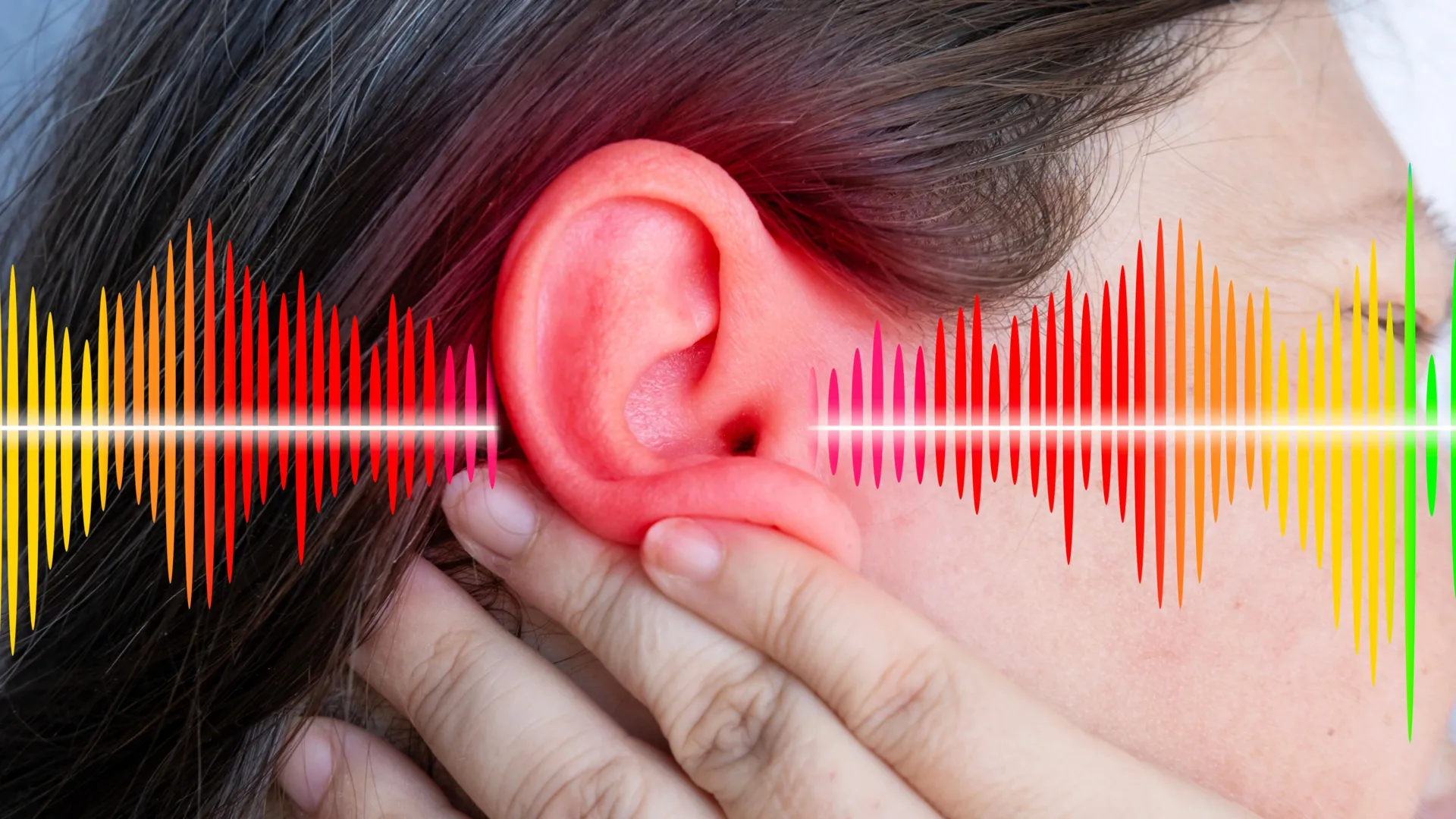
Scientists have uncovered new evidence that serotonin, a brain chemical best known for helping regulate mood, may also worsen tinnitus, the persistent ringing or buzzing sound that affects millions of people worldwide. The research, published in the prestigious journal Proceedings of the National Academy of Sciences, sheds new light on the complex neurological underpinnings of this often debilitating condition and could pave the way for more targeted treatment strategies.
The Pervasive Impact of Tinnitus
Tinnitus, characterized by the perception of sound in the absence of an external source, is far from a minor annoyance for many. Its severity can range from mildly irritating, a background hum that can be easily ignored, to profoundly distressing, a constant cacophony that infiltrates every aspect of an individual’s life. For a significant portion of sufferers, this relentless noise can trigger debilitating anxiety, disrupt sleep patterns, impair concentration, and ultimately erode their quality of life. Epidemiological studies estimate that as many as 14% of the global population experiences tinnitus, with a substantial number of these cases classified as severe, significantly impacting their ability to function in daily activities, maintain employment, and engage in social interactions. The economic burden associated with tinnitus, including lost productivity and healthcare costs, is considerable, though precise figures are challenging to ascertain due to the subjective nature of the symptom.
Unraveling the Serotonin Connection: A Breakthrough Study
A collaborative effort between researchers at Oregon Health & Science University (OHSU) in the United States and Anhui University in China has provided compelling new insights into the role of serotonin in tinnitus. The team conducted extensive studies using a mouse model, meticulously observing how alterations in serotonin levels affected behaviors indicative of tinnitus. Their findings were unequivocal: an increase in serotonin within the brain correlated directly with an escalation of tinnitus-associated behaviors in the experimental subjects. This discovery is particularly significant given the widespread use of medications that influence serotonin levels.
Co-senior author Laurence Trussell, Ph.D., a distinguished professor of otolaryngology at the OHSU School of Medicine and a scientist at the OHSU Vollum Institute and the Oregon Hearing Research Center, emphasized the profound implications of these findings. "People with tinnitus should work with their prescribing physician to find a drug regimen that gives them a balance between relief of psychiatric symptoms like depression and anxiety, while minimizing the experience of tinnitus," Dr. Trussell stated. "This study highlights the importance of clinicians recognizing and validating patient reports of medication-associated increases in tinnitus."
The medications that fall under scrutiny in this research include selective serotonin reuptake inhibitors (SSRIs), a class of antidepressants widely prescribed for the treatment of moderate to severe depression and anxiety disorders. SSRIs function by increasing the availability of serotonin in the brain, a mechanism long understood to alleviate mood disturbances. However, this new research suggests a potential unintended consequence of this mechanism for individuals predisposed to or experiencing tinnitus.
A Decade of Inquiry: The Evolving Understanding of Serotonin and Tinnitus
The suspicion that serotonin plays a role in tinnitus is not entirely new. For years, researchers have theorized a connection, but the precise neurobiological pathways and mechanisms remained elusive. This latest study represents a significant leap forward in demystifying that relationship.
Co-author Zheng-Quan Tang, Ph.D., from Anhui University in China, who initiated this project during his postdoctoral tenure in Dr. Trussell’s laboratory, elaborated on the research trajectory. "We’ve suspected that serotonin was involved in tinnitus, but we didn’t really understand how," Dr. Tang explained. "Now, using mice, we’ve found a specific brain circuit involving serotonin that goes straight to the auditory system, and found that it can induce tinnitus-like effects. When we turned that circuit off, we were able to ameliorate the tinnitus significantly." He further commented, "This gives us a much clearer picture of what’s going on in the brain — and points toward new possibilities for treatment."
This groundbreaking work builds upon earlier investigations. A seminal study published in 2017 had already laid some groundwork, suggesting a more intricate involvement of the central nervous system in tinnitus than previously understood. The current research, however, pinpoints a specific serotonergic pathway directly impacting the auditory processing centers of the brain.
Illuminating the Brain Circuit: Optogenetics and Auditory Startle
The researchers employed a sophisticated technique known as optogenetics, a cutting-edge method that combines genetic engineering with light stimulation to control the activity of specific neurons. By precisely targeting neurons known to produce serotonin, the scientists were able to activate these cells and observe their effect on regions of the brain responsible for auditory processing.
The subsequent behavioral assessments in the mice were crucial. Using a modified auditory startle test, the researchers measured the animals’ reactions to auditory stimuli. "When you stimulate these serotonergic neurons, we can see that it stimulates activity in the auditory region in the brain," Dr. Trussell reported. "We also saw that animals then behaved as if they were hearing tinnitus. In other words, it’s producing symptoms that we would expect to be experienced as tinnitus in humans."
These objective findings in animal models strongly corroborate anecdotal reports from human patients who have consistently described an exacerbation of their tinnitus symptoms following the initiation or dosage adjustment of serotonin-boosting medications, particularly SSRIs. This alignment between preclinical data and patient experiences significantly strengthens the validity of the research’s conclusions.
Charting a Course for Future Tinnitus Therapies
The implications of this research extend beyond simply understanding the problem; they offer a promising roadmap for the development of novel therapeutic interventions. The identification of a specific serotonin-driven circuit that influences auditory perception opens up avenues for more targeted pharmacological approaches.
"Our study suggests a delicate balance," Dr. Trussell articulated. "It may be possible to develop cell- or brain region-specific drugs that steer the elevation of serotonin in some brain regions but not others. In that way, it may be possible to separate the beneficial and important effects of the antidepressant from the potentially harmful effects on hearing."
This vision points towards a future where treatments for depression and anxiety can be optimized to minimize or even eliminate the risk of inducing or worsening tinnitus. Instead of a one-size-fits-all approach to antidepressant therapy, clinicians might soon have access to medications or therapeutic strategies that can selectively modulate serotonin’s influence, preserving its mood-enhancing benefits while mitigating its impact on auditory function. This could involve developing drugs that target specific serotonin receptor subtypes or pathways within the brain, thereby achieving a more nuanced and individualized treatment outcome.
The research was generously supported by the National Institutes of Health through award RO1DC004450. The authors have formally stated that the findings and conclusions presented are solely their own responsibility and do not necessarily represent the official views of the National Institutes of Health, a standard disclaimer in scientific publications to ensure scientific independence.
Broader Implications and Expert Reactions
The findings from the OHSU and Anhui University study are likely to resonate throughout the neurological and audiological communities. Dr. Eleanor Vance, a leading audiologist not involved in the study, commented on the significance of the research: "For years, we’ve seen patients report this correlation between their antidepressant use and their tinnitus. While we’ve always taken these reports seriously, the lack of concrete biological evidence has made it difficult to fully validate and act upon. This study provides that crucial biological link, offering a scientific basis for what many patients have been experiencing."
Dr. Vance further suggested that this research could prompt a re-evaluation of current prescribing practices for patients with a history of or predisposition to tinnitus. "It’s not about demonizing SSRIs, which are invaluable treatments for many," she clarified. "Rather, it’s about fostering a more informed dialogue between physicians and patients, especially when initiating or adjusting antidepressant therapy in individuals where tinnitus is a concern. Open communication about potential side effects, including the worsening of tinnitus, is paramount."
The study’s focus on a specific brain circuit also opens doors for investigating other neurological conditions that may be influenced by serotonin. While the immediate impact is on tinnitus treatment, the broader understanding of serotonin’s intricate role in brain function could have far-reaching implications for neuroscience research.
Looking Ahead: A Multidisciplinary Approach to Tinnitus Management
The journey from laboratory discovery to clinical application is often a long one, but this research represents a significant stride. Future research will likely focus on translating these findings into human studies, exploring whether similar serotonergic pathways are involved in human tinnitus and testing the efficacy of novel, targeted therapies. The development of more precise diagnostic tools to identify individuals who are particularly susceptible to serotonin-induced tinnitus could also be a crucial next step.
Ultimately, this breakthrough underscores the importance of interdisciplinary collaboration in tackling complex health challenges. By bringing together expertise in neuroscience, pharmacology, and audiology, researchers are steadily unraveling the mysteries of conditions like tinnitus, offering renewed hope for improved treatments and enhanced quality of life for millions worldwide. The careful and methodical exploration of the brain’s chemical messengers, like serotonin, continues to reveal its profound influence on our sensory experiences and overall well-being.








