
 Johny Marice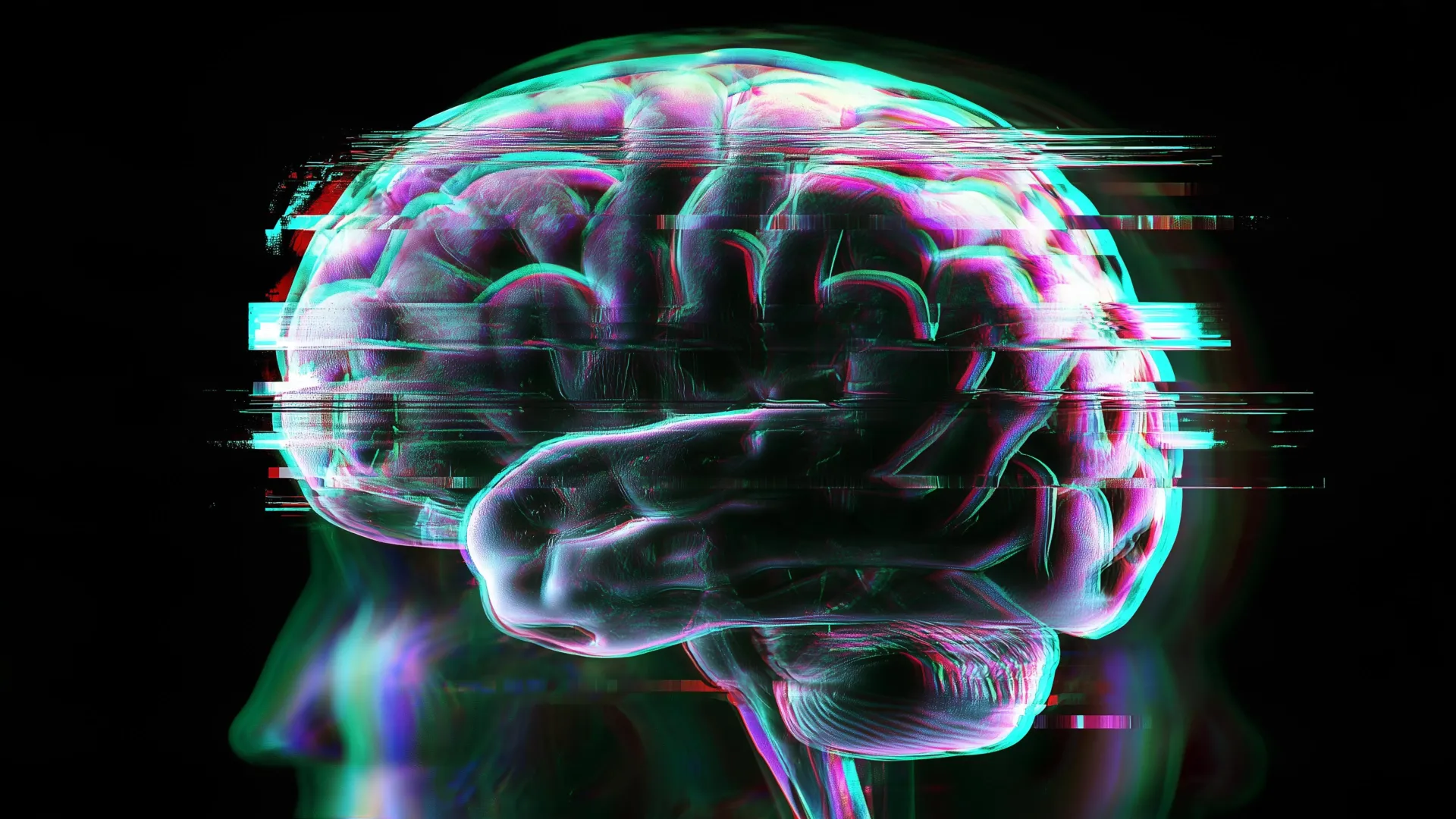
A groundbreaking study led by researchers at the Centre for Addiction and Mental Health (CAMH) has provided the most robust evidence to date that the persistent, debilitating symptoms of long COVID are fundamentally linked to structural damage within the brain’s dopamine system. Published in the peer-reviewed journal eBioMedicine, the study utilizes advanced neuroimaging to bridge the gap between subjective patient experiences—such as profound fatigue, cognitive impairment, and lack of motivation—and objective biological markers. This discovery marks a pivotal shift in the medical understanding of post-acute sequelae of SARS-CoV-2 infection, moving the focus from generalized inflammation toward specific, treatable neurological injury.
The Scope of the Long COVID Crisis
Long COVID, clinically referred to as Post-Acute Sequelae of SARS-CoV-2 (PASC), remains one of the most significant public health challenges of the post-pandemic era. Current estimates suggest that approximately five percent of the global population is affected by the condition, translating to roughly two million individuals in Canada alone. The clinical presentation is notoriously heterogeneous, characterized by a constellation of symptoms that persist for at least three months following an initial infection.
For many patients, the condition manifests as a severe reduction in quality of life. Common neurological and psychological symptoms include "brain fog," chronic exhaustion, memory deficits, and clinical depression. Despite the prevalence of these issues, the scientific community has struggled to establish a definitive, evidence-based treatment protocol. This failure has largely been attributed to a "black box" phenomenon: while patients report life-altering symptoms, traditional diagnostic tools—such as routine MRIs or standard blood panels—often return normal results, leading to a long history of diagnostic uncertainty for those suffering from the condition.
Unveiling the Mechanism: Positron Emission Tomography (PET)
To look past the limitations of conventional imaging, the CAMH research team, led by Dr. Jeffrey Meyer, senior scientist at the Brain Health Imaging Centre, utilized positron emission tomography (PET). PET scans allow researchers to measure biological and metabolic activity at the molecular level. In this study, scientists focused on the density of dopamine nerve terminals within the striatum—a critical subcortical structure responsible for regulating motor control, cognition, and the reward-seeking behaviors associated with motivation.
By comparing the PET scans of long COVID patients against a control group of healthy participants, the team discovered a statistically significant reduction in the markers of dopamine neuron integrity. The data revealed that the density of dopamine nerve terminals was substantially lower across all major regions of the striatum in the long COVID cohort.
This reduction was not uniform, and the researchers observed distinct correlations between the location of the damage and specific patient symptoms. Decreased marker levels in the ventral striatum were directly associated with a loss of motivation; reductions in the dorsal putamen corresponded to measurable slowing in physical movement; and lower levels in the caudate putamen were linked to the memory difficulties that define the "brain fog" experience. These correlations provide a biological basis for the symptoms that have long been dismissed by some as purely psychological.
The Inflammation-Dopamine Axis: A Chronology of Research
This study does not exist in a vacuum; it is the culmination of a multi-year effort to map the neurological impact of COVID-19. Earlier research conducted by the same team at CAMH established a clear link between SARS-CoV-2 and persistent neuroinflammation. That initial work suggested that the virus could trigger a sustained immune response in the brain, particularly in areas rich in dopamine neurons.
The current study serves as the "missing link" in this chronology. If the previous findings identified the presence of fire (inflammation), the new findings have identified the resulting burn (neuron damage). Dr. Meyer explains that inflammation is a known neurotoxin; when it persists in the brain, it can lead to the degeneration or "pruning" of dopamine-releasing terminals. The fact that the reduction of these terminals correlates so precisely with patient-reported symptoms provides compelling evidence of a causal chain: viral-induced inflammation leading to secondary damage of the dopamine system.
Validating the Patient Experience
For the millions living with the aftereffects of COVID-19, these findings carry significant weight beyond the laboratory. For years, patients have navigated a healthcare system that often struggled to validate their symptoms. Susan Deuville, a lived experience research advisor who worked alongside Dr. Meyer, emphasizes the psychological toll of this diagnostic ambiguity. "For five years I have been seeking answers on what happened to me after I contracted COVID in 2021," Deuville noted. "It was a crushing loss of the life I had and the person I was before. The research of Dr. Meyer brings hope. It also validates what long COVID sufferers have always known—long COVID is real and the effects are devastating."
By identifying a biological marker, the study provides a pathway toward legitimizing the patient experience. The ability to measure the "invisible" symptoms of long COVID could eventually lead to objective diagnostic tests, allowing clinicians to move away from purely symptomatic treatment toward targeted, evidence-based medicine.
Implications for Future Treatment Strategies
Perhaps the most promising aspect of this research is its potential to redirect clinical trials. Until now, the majority of long COVID research has been heavily focused on systemic immune dysregulation and broader anti-inflammatory treatments. While these remain important, the CAMH study suggests that the brain’s dopamine system is a highly viable—and currently overlooked—therapeutic target.
Dr. Meyer suggests that the scientific community should begin investigating the repurposing of existing medications that are known to modulate dopamine. Potential avenues include:
- Dopamine precursors: Agents that help the brain synthesize more dopamine.
- Inhibitors of dopamine metabolism: Drugs that prevent the breakdown of existing dopamine, thereby increasing its availability in the synaptic cleft.
By targeting the specific pathways that have been damaged, clinicians may be able to alleviate symptoms of fatigue, motor slowing, and cognitive impairment with greater precision than has been possible with generalized anti-inflammatories or antidepressants.
The Path Ahead: Clinical Trials and Beyond
The team at CAMH is already preparing for the next phase of this research. A clinical trial, supported by the Canadian Institutes of Health Research (CIHR), is scheduled to launch within the next few months. This trial will be conducted in collaboration with the University Health Network (UHN), reflecting a growing institutional trend toward breaking down silos between mental and physical health care.
The primary objective of this upcoming trial is to determine whether pharmacological intervention to augment dopamine function can translate into functional improvements for patients. If successful, this could be the first step toward a standard-of-care protocol for the neurological manifestations of long COVID.
Broader Context and Scientific Analysis
The implications of this study extend well beyond the immediate context of COVID-19. If the virus can induce damage to the dopamine system, it raises critical questions about how other viral infections might contribute to the development of neurodegenerative or psychiatric conditions over the long term. This discovery aligns with an emerging body of literature suggesting that infectious disease history is a significant, yet under-researched, factor in the development of brain health disorders.
However, researchers remain cautious. While the study provides a robust explanation for the mechanism of symptoms, it does not yet address the question of reversibility. Whether the loss of dopamine terminals is permanent or whether the brain possesses the plasticity to repair this damage remains a central question for future longitudinal studies. Furthermore, the variability in how long COVID presents among different individuals suggests that the dopamine pathway, while critical, is likely part of a broader, multi-system pathology that may also involve autonomic nervous system dysfunction and mitochondrial damage.
In conclusion, the work by the CAMH team represents a sophisticated integration of neuroimaging and clinical science. By establishing a clear, measurable biological basis for the neurological symptoms of long COVID, the researchers have provided both a roadmap for future drug development and a much-needed sense of validation for the global patient community. As the medical community pivots to address the long-term consequences of the pandemic, this study serves as a foundational piece of evidence that will inform clinical practice for years to come.









