
 Johny Marice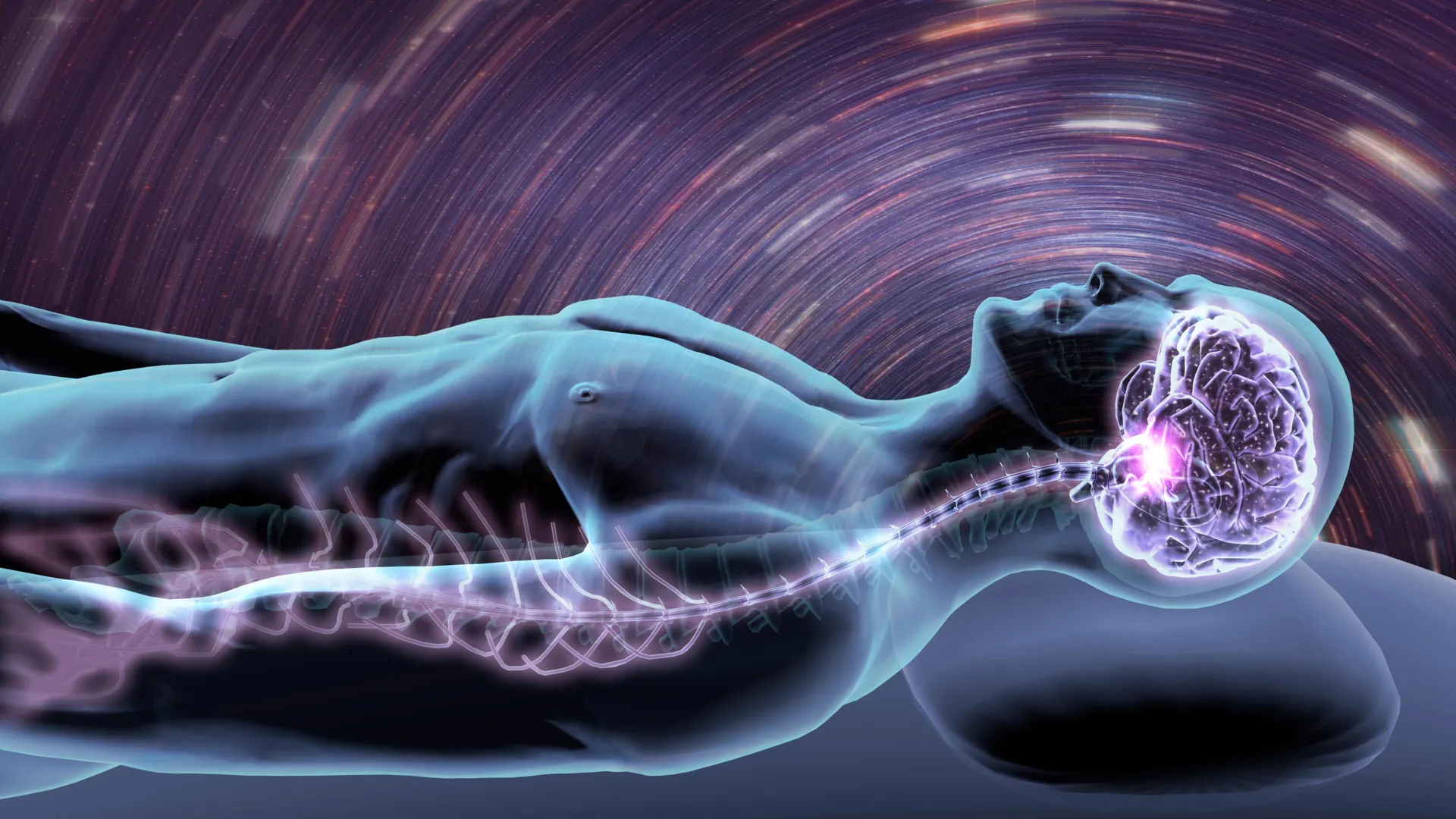
For decades, the public discourse surrounding caffeine consumption has been dominated by a singular, binary question: does drinking coffee in the evening prevent a person from falling asleep? While anecdotal evidence has long suggested that a late-afternoon espresso can leave some individuals staring at the ceiling for hours, the scientific community is increasingly pivoting away from this simplistic view. Emerging research indicates that the true impact of caffeine may not be the prevention of sleep onset, but rather the systematic degradation of the neurological quality of sleep once it has already begun. By utilizing sophisticated electroencephalography (EEG), researchers are uncovering a hidden epidemic of "shallow sleep" that occurs even in those who believe they are resting soundly.
The Evolution of Sleep Science: From Duration to Depth
Historically, sleep studies relied heavily on actigraphy—measuring the total duration of sleep and the frequency of awakenings. While these metrics provide a broad overview, they fail to capture the nuances of what occurs within the brain during those hours. Professor Donata Kurpas of the Department of Nursing at Wroclaw Medical University notes that the transition toward quantitative EEG analysis has revolutionized our understanding of nocturnal physiology.
"Classical sleep assessment tells us how long we were in bed, but it is a blunt instrument," says Prof. Kurpas. "Quantitative EEG allows us to look under the hood. We can identify subtle markers, such as the reduction of slow-wave activity, which is the gold standard for restorative sleep."
Slow-wave sleep, or deep sleep, is the phase of the sleep cycle characterized by high-amplitude, low-frequency brain waves. It is during this time that the brain undergoes essential maintenance: clearing out metabolic waste products, consolidating memories, and replenishing neurotransmitter levels. When caffeine interferes with this process, the brain remains in a state of hyper-arousal, preventing it from reaching the necessary depths for genuine physiological recovery.
The Timeline of Discovery: Understanding Caffeine’s Half-Life
To understand why this issue has gained prominence, it is necessary to examine the biological timeline of caffeine metabolism. Caffeine is an adenosine receptor antagonist. Adenosine is a chemical that builds up in the brain throughout the day, creating "sleep pressure." By blocking these receptors, caffeine keeps the brain from receiving the signal that it is time to rest.
However, the half-life of caffeine—the time it takes for the body to eliminate half of the ingested dose—typically ranges from three to seven hours. This means that if a person consumes a 200mg cup of coffee at 4:00 PM, a significant portion of that stimulant remains active in their system well past midnight.
The chronology of this research shift began in earnest with the advent of high-resolution EEG studies in the early 2010s. Scientists began noticing a discrepancy: subjects who consumed caffeine reported falling asleep at their normal time, yet their EEG readouts showed significantly diminished slow-wave power. This led to the realization that caffeine acts as a "sleep thief" that does not necessarily steal time, but rather steals the restorative efficiency of that time.
Supporting Data and Physiological Markers
Data from various sleep laboratories confirm that caffeine-induced sleep degradation is not merely a subjective complaint. Studies have consistently shown that participants who ingest caffeine before bed exhibit a higher density of alpha and beta waves during sleep—patterns typically associated with a wakeful or alert brain.
Furthermore, the impact is measurable in physical health outcomes. A 2022 meta-analysis of sleep architecture found that individuals with regular caffeine intake showed a 15% to 20% reduction in slow-wave sleep duration compared to control groups. The clinical implications are significant. Reduced slow-wave activity is linked to:
- Impaired glucose metabolism and insulin sensitivity.
- Reduced clearance of beta-amyloid proteins, which are associated with cognitive decline.
- Decreased immune system efficacy due to diminished cytokine regulation during the night.
The Vicious Cycle: Caffeine and the Fatigue Feedback Loop
Perhaps the most alarming implication of this research is the development of a "fatigue cycle." Because the caffeine-induced sleep is less restorative, the individual wakes up feeling unrefreshed, despite having spent eight hours in bed. This morning grogginess necessitates further caffeine consumption to reach baseline alertness.
"It becomes a self-perpetuating system," explains a researcher affiliated with the Sleep Research Society. "The user is borrowing energy from the next day to pay for today’s performance. Eventually, the body’s natural sleep-wake drive is so heavily modulated by external stimulants that the brain loses its ability to naturally transition into the restorative deep-sleep state."
This cycle is particularly prevalent in high-performance sectors. Athletes, healthcare workers, and corporate professionals often rely on caffeine as a performance-enhancing tool. However, the data suggests that while caffeine may sharpen focus in the short term, it creates a "neurological debt" that compounds over time.
Why Individual Variability Matters
A critical aspect of this discussion is the variability in how different people metabolize caffeine. The enzyme CYP1A2, which is responsible for the vast majority of caffeine metabolism in the liver, is genetically determined. "Fast metabolizers" may clear caffeine rapidly, allowing them to enjoy an evening cup with minimal disruption. "Slow metabolizers," however, may feel the effects of a morning coffee well into the late evening.
Age, stress levels, and chronic fatigue further complicate the picture. As people age, their metabolism of caffeine generally slows, making them more sensitive to its effects. Furthermore, individuals under high stress often have altered cortisol levels, which can interact with caffeine to keep the sympathetic nervous system in an "always-on" state, further preventing the brain from entering the quietude of deep sleep.
Broader Implications for Public Health
The medical community is now moving toward a more holistic view of sleep hygiene. Rather than focusing solely on the "lights out" time, clinicians are beginning to incorporate caffeine-tracking into the diagnostic process for sleep disorders.
The broader implication is a shift in how society views productivity. If current trends in caffeine consumption are contributing to an epidemic of poor sleep quality, the economic cost in terms of workplace accidents, absenteeism, and long-term health complications could be massive. Some experts are advocating for "caffeine-free windows"—encouraging individuals to stop all caffeine intake at least eight to ten hours before their target bedtime.
Conclusion: The Future of Sleep Science
Caffeine is, in essence, a double-edged sword. It is a powerful ergogenic aid that, when used appropriately, can enhance performance and mental clarity. However, the emerging science suggests that we have been fundamentally misjudging its safety profile by focusing only on the ease of falling asleep.
"We must stop viewing sleep as a simple ‘on-off’ switch," Prof. Kurpas concludes. "Sleep is a biological process that requires specific neurophysiological conditions to be truly restorative. When we consume caffeine, we are not just altering our alertness; we are actively modifying our brain’s ability to heal itself at night. The future of sleep medicine lies in recognizing that the caffeine we drink at breakfast may be just as important as the pillow we choose for our rest."
As research continues, it is likely that sleep hygiene guidelines will become increasingly personalized, moving away from universal advice toward recommendations based on individual metabolism, lifestyle, and the actual biological depth of sleep measured via wearable technology and clinical EEG analysis. The takeaway is clear: to prioritize health, one must consider not just the quantity of sleep, but the biological architecture of the rest being achieved.









