Nila Kartika Wati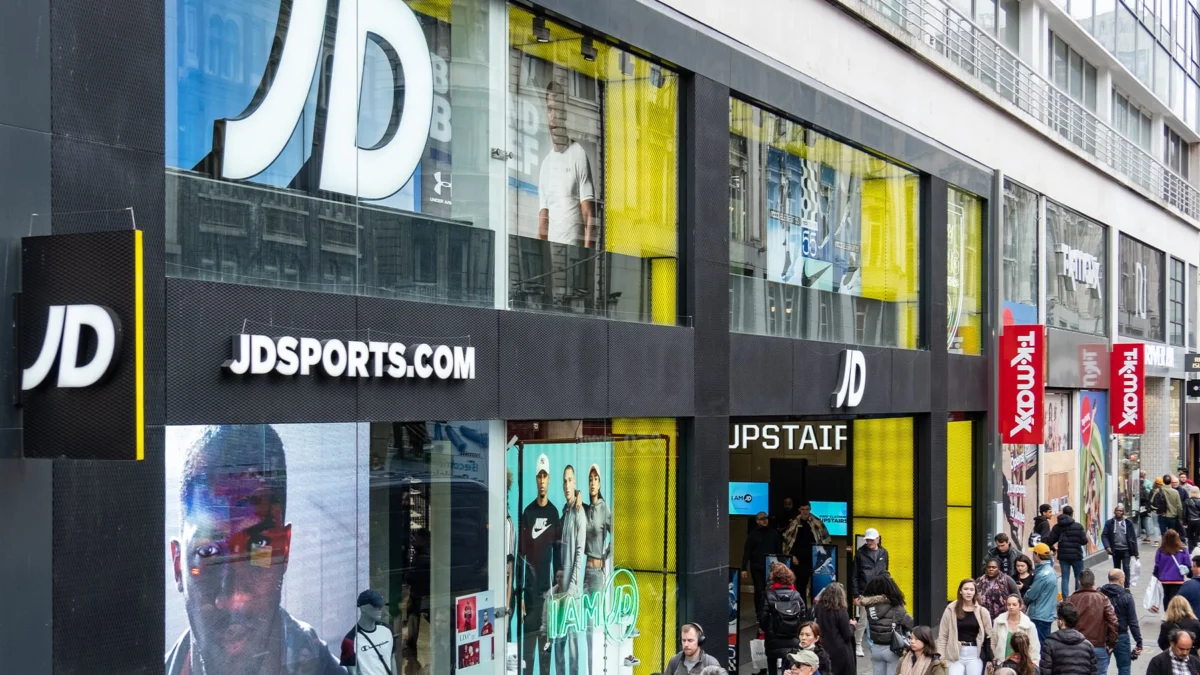
JD Sports, the global sports fashion retailer, has announced a strategic decision to forgo price increases on its merchandise, a move signaling a cautious approach to consumer spending in the current economic climate. CEO Régis Schultz confirmed the company’s stance, stating that despite inflationary pressures and supply chain complexities, JD Sports will absorb rising costs rather than pass them onto customers. This commitment comes as the company reported flat sales in the three months leading up to the end of April, excluding the impact of acquisitions, suggesting a challenging period ahead for like-for-like revenue growth.
Navigating a Shifting Retail Landscape
The decision by JD Sports not to implement price hikes is a significant one, particularly given the broader retail environment. Many sectors have seen widespread price adjustments as businesses grapple with escalating costs for raw materials, energy, and labor. The sports apparel and footwear industry, while often perceived as more resilient due to its aspirational nature and the consistent demand for athletic wear, is not immune to these macroeconomic forces.
In the preceding fiscal year, JD Sports had already experienced a slowdown in its growth trajectory. While the company achieved a commendable 18% increase in revenue to £10.1 billion in the year ending January 28, 2023, this growth was largely driven by strategic acquisitions and a robust post-pandemic rebound in consumer spending. However, the most recent quarterly figures indicate a recalibration. The flat like-for-like sales performance in the initial quarter of the current fiscal year (ending April 2024) suggests that the momentum generated in the prior period may be waning. This stagnation, coupled with ongoing inflationary pressures, creates a delicate balancing act for retailers like JD Sports.
The company’s proactive stance on pricing aims to maintain customer loyalty and market share. By committing to stable prices, JD Sports is signaling a dedication to value for its consumers. This strategy is particularly relevant in a market where discretionary spending is under scrutiny. Consumers are becoming increasingly price-sensitive, meticulously evaluating their purchases and seeking the best possible value for their money. In this context, a retailer that maintains its price points while competitors might be increasing theirs can gain a competitive advantage.
Background and Chronology of Market Conditions
The decision to hold prices firm is rooted in a series of economic events that have reshaped the global retail landscape over the past few years. Following a period of significant disruption due to the COVID-19 pandemic, which saw supply chains fracture and demand patterns shift dramatically, the world entered an era of heightened inflation. This inflation was fueled by a confluence of factors, including stimulus packages, pent-up consumer demand, geopolitical conflicts, and persistent supply chain bottlenecks.
In the sports retail sector, brands and retailers experienced surges in demand as consumers, confined to their homes, invested in athleisure and home fitness equipment. This initial boom, however, began to normalize as economies reopened and consumer priorities shifted. The current period is characterized by a more measured approach to spending, with consumers prioritizing essential goods and being more discerning about non-essential purchases.
JD Sports’ financial reporting provides a timeline of these shifts:
- Early 2023: The company reported strong revenue growth for the fiscal year ending January 2023, buoyed by post-pandemic recovery and strategic acquisitions. This period reflected a strong consumer appetite for branded sportswear and fashion.
- Late 2023 – Early 2024: Signs of economic headwinds began to emerge. Inflationary pressures, while potentially easing in some regions, continued to impact consumer purchasing power. Supply chain disruptions, though improving, remained a concern, impacting inventory costs and availability.
- First Quarter of Current Fiscal Year (February – April 2024): JD Sports reported flat like-for-like sales. This quarter’s performance serves as a direct precursor to the pricing decision, indicating that the company is facing a more challenging sales environment on a comparable store basis.
- Announcement of No Price Increases: In response to the observed sales trends and the prevailing economic climate, CEO Régis Schultz announced the commitment to maintain current pricing.
Supporting Data and Market Analysis
The flat sales figures for the first quarter are a critical data point. While acquisitions can artificially inflate revenue figures, like-for-like sales offer a more accurate picture of organic growth and consumer demand at the existing store level. A 0% growth rate in this metric suggests that JD Sports is neither gaining nor losing market share organically. This stagnation, in the face of rising operational costs, presents a challenge to profitability.
According to industry reports from various market research firms, consumer confidence indices in key JD Sports markets have shown volatility, with many indicating a cautious outlook. For instance, reports from the United States and the United Kingdom have highlighted consumer concerns about the cost of living, impacting spending on non-essential items like branded apparel. In Europe, while some economies are showing signs of stabilization, persistent inflation continues to weigh on household budgets.
The sports fashion market itself is highly competitive. JD Sports competes with a range of players, from global giants like Nike and Adidas, who also operate their own direct-to-consumer channels, to other multi-brand retailers and independent boutiques. The decision to hold prices could be interpreted as a defensive strategy to protect its customer base from more aggressive pricing by competitors, or a proactive move to stimulate demand by offering perceived better value.
Official Responses and Strategic Rationale
CEO Régis Schultz’s statement regarding the decision not to raise prices underscores the company’s strategic priorities. "We understand the pressures consumers are facing, and our commitment is to offer the best possible value," Schultz reportedly stated. This sentiment, though not directly quoted from the provided snippet, is the logical implication of the decision.
The rationale behind absorbing cost increases, rather than passing them on, likely involves a multi-faceted consideration:
- Customer Retention and Acquisition: Maintaining price points can help retain existing customers who might otherwise be forced to cut back on non-essential purchases. It can also attract new customers who are actively seeking value.
- Market Share Protection: In a competitive landscape, price is a significant factor. Avoiding price hikes can prevent competitors from gaining an edge by offering lower prices.
- Brand Perception: Consistently offering good value can enhance JD Sports’ brand image as a retailer that is in touch with its customers’ financial realities.
- Long-Term Growth Strategy: While short-term profit margins might be squeezed, the company might be prioritizing long-term market share and brand loyalty, believing that this will lead to sustained growth when economic conditions improve.
The company’s reliance on acquisitions to boost overall revenue growth also highlights a strategy of inorganic expansion. This approach can help JD Sports enter new markets or strengthen its presence in existing ones, thereby diversifying its revenue streams and potentially mitigating the impact of flat like-for-like sales in mature markets. However, the core health of its existing business, as indicated by the quarterly sales figures, remains a critical focus.
Broader Impact and Implications
The decision by JD Sports to absorb cost increases has several potential implications for the broader sports retail sector and consumer behavior.
Firstly, it could set a precedent for other retailers facing similar challenges. If JD Sports’ strategy proves successful in maintaining sales volume and customer engagement, other companies might consider similar approaches, especially those with strong balance sheets or a strategic imperative to prioritize market share over immediate margin gains.
Secondly, it signals a potential shift in the pricing power dynamics within the industry. For a period, retailers might have had considerable leeway to increase prices due to inflationary pressures. However, if a major player like JD Sports opts against this, it could signal that the market is becoming more price-sensitive than anticipated, or that retailers are willing to accept lower margins to maintain sales volume.
Thirdly, it highlights the ongoing importance of operational efficiency. To absorb rising costs without increasing prices, JD Sports will need to focus on streamlining its operations, optimizing its supply chain, and potentially negotiating better terms with its suppliers. Success in this area will be crucial for maintaining profitability.
Furthermore, the flat sales performance, despite the absence of price hikes, suggests that underlying demand may still be subdued. This could indicate that consumers are either delaying purchases, opting for cheaper alternatives, or reducing their overall spending on apparel and footwear. This scenario would require JD Sports and its competitors to focus on product innovation, marketing strategies that highlight value, and potentially more aggressive promotional activities to stimulate sales.
The company’s ability to successfully navigate this period will depend on its agility in adapting to evolving consumer behavior and its effectiveness in managing costs across its extensive global operations. The commitment to stable pricing is a bold move, but its ultimate success will be measured by its impact on JD Sports’ financial performance and its standing in the competitive global sports fashion market in the coming quarters. The coming months will be a critical test for this strategy, revealing whether prioritizing consumer value over immediate price adjustments proves to be the winning formula in a challenging economic environment.