Ronny Sianturi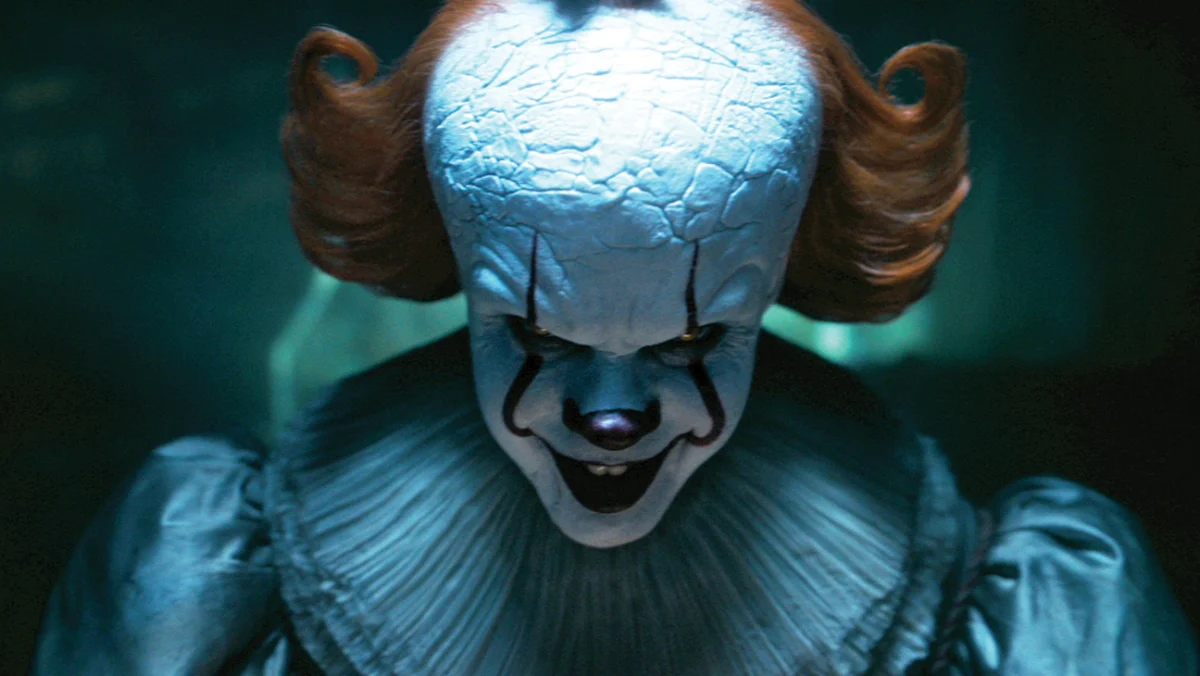
The chilling debut of HBO’s prequel series, It: Welcome to Derry, has audiences questioning the very fabric of on-screen horror. While the show masterfully blends digital artistry with visceral practical effects, a closer look reveals a deliberate and ambitious commitment to old-school horror techniques, even for its most fantastical and disturbing creations. This approach, championed by series co-developer Andy Muschietti and VFX supervisor Daryl Sawchuk, aims to deliver a level of tactile dread rarely seen in contemporary television, building upon the legacy of the critically acclaimed It films.
The "Mother Thing": A Masterclass in Practical Illusion
One of the most striking examples of this philosophy is evident in the second episode, which features the terrifying "Mother Thing." This surreal entity, a manifestation of a mother’s grief and a child’s deepest fears, appears in a hallucinatory sequence involving young Ronnie. Viewers might assume the grotesque, womb-like environment and the mother’s transformed state are primarily the work of postproduction. However, much of the scene’s unsettling reality was meticulously crafted on set.
"We built out and slimed up a very disgusting-looking intestine that she got to reach onto," reveals VFX supervisor Daryl Sawchuk. "That stuff that we photographed was real – the drapery, the lighting, everything in the room was a solid foundation." The set itself was ingeniously designed to accommodate two actresses: one portraying the upper body of the mother, and the other embodying the transformed bed. This practical foundation allowed the VFX team to enhance the scene with digital wizardry, such as withering the mother away and giving her a mummified, corpse-like appearance. "We had such a great foundation to work on," Sawchuk elaborates, noting that even the added "extra goo" contributed to the tangible horror. This emphasis on real-world textures and physical presence aims to ground the fantastical elements, making them all the more disturbing.

A Philosophy Rooted in Visceral Horror
This dedication to practical effects is not an isolated incident but a guiding principle for Welcome to Derry. Andy Muschietti, who also directed portions of the series, shares a deep appreciation for what he terms "old-school practical prosthetics and makeup effects and slime and goo, and stuff that’s very visceral." Sawchuk echoes this sentiment, explaining the collaborative synergy between the creative vision and the technical execution.
"We’re both big believers in shooting as much practically as possible, trying to get really good photography," Sawchuk states. He contrasts this with the sometimes superficial convenience of blue-screen work. "There’s sometimes a convenience factor when you can shoot something against a bluescreen and deal with it down the road, but that doesn’t always give the best results." The result of this partnership is a show that prioritizes a tangible, hands-on approach to its most horrifying moments. This philosophy is particularly notable given the demanding nature of modern television production, where digital solutions are often the default.
Setting the Stage: A Return to the 1960s
Welcome to Derry transports viewers back approximately 25 years from the events of the 2017 film It, immersing them in the seemingly idyllic, yet deeply sinister, world of the 1960s. The prequel series kicks off with the arrival of a new family in town, the unsettling disappearance of a young boy, and the shocking birth of a flying mutant baby. This grotesque and violent genesis sets a brutal tone for the series, establishing its commitment to pushing boundaries from the outset.
Remarkably, even this audacious birthing sequence, featuring the aforementioned mutant infant, was largely brought to life through practical means. The prosthetics team played a pivotal role, puppeteering the creature’s birth. Sawchuk expresses surprise at how much of this raw footage made it to air. "You start to see these first assemblies and it’s shocking and it’s visceral, and you’re like, ‘Well, surely there are going to be notes from the studio where this is not going to go to air like on camera’ – but of course it does, and it makes for such a shocking entry into the series." The initial plan, he admits, was to replace the baby with a CGI creation, but the practical effects proved so effective that they remained largely intact. "I thought we’d have to replace the baby with a CG one for the birthing scene. But we ended up using it all practical." A final flourish of digital "goo" was added for extra impact, a testament to the show’s blended approach.

A Network’s Embrace of Uncompromising Horror
The ability of Welcome to Derry to embrace such an "old-school horror film work" style is, according to Sawchuk, a direct benefit of its network affiliation. He draws a parallel to the early days of Game of Thrones, another HBO series that shocked audiences by swiftly and brutally dispatching a main character in its premiere. "Even the initial episode of Game of Thrones, where their main character is killed and you’re like, ‘Oh my God’ – it’s such a shocking way to start the series," Sawchuk observes. "I think on any other platform or with any other studio, there probably would’ve been a lot of notes and maybe a more conservative approach." This suggests that HBO’s willingness to greenlight and support unvarnished, visceral horror has been crucial to the show’s creative freedom.
Meeting and Exceeding Legacy Standards
The pressure to live up to the monumental success and visual artistry of the two It films was significant. The production team meticulously aimed to match, and even surpass, the established standard for photography, production design, and prosthetic work. Sawchuk highlights the intense self-imposed pressure: "We put a lot of pressure on ourselves to make sure that we kept up with the photography and the production design and the amazing prosthetic work."
The Extended Development Cycle: A Blessing in Disguise
A unique factor in Welcome to Derry‘s production was an unusually lengthy development period for its visual effects. Strikes and other unforeseen delays ultimately stretched the VFX development phase to an impressive two and a half years. This extended timeline, a rarity in episodic television where time is often a more constrained resource than in feature films, allowed the team ample opportunity to explore innovative strategies and refine their work.
Muschietti, directing half of the season’s eight episodes, brought what Sawchuk describes as "very demented and radical ideas" for pushing the visual designs further. This extended period enabled the team to engage in what Sawchuk calls "extra reps and extra refinements and detailed passes," treating the series akin to an "eight-hour feature film." This was a departure from typical TV production, where creative teams often face tight deadlines and budget constraints that necessitate compromise.

Navigating TV Production Realities
Despite the extended development window, the team occasionally encountered the inherent limitations of television production. "A lot of what we do is we figure out, ‘Well, how many shots can we afford to do for that amount of money and that amount of time?’" Sawchuk explains. "And when things kind of blow up a little bit, you have to figure out how to make those things work." This practical problem-solving, combined with creative ambition, ensured that budgetary and time constraints did not ultimately compromise the show’s artistic vision.
Rodeo FX: A Familiar Partner in Terror
The primary visual effects vendor, Rodeo FX in Montreal, brought invaluable familiarity to the project, having also contributed to the It films. This existing relationship provided a solid foundation for understanding the established aesthetic and the unique demands of the It universe, allowing them to seamlessly integrate and elevate the visual effects.
Pennywise Reimagined: A More Anatomical Menace
The return of Pennywise the Clown, again portrayed by Bill Skarsgård, was a significant draw for fans. The creative team aimed not just to replicate the iconic villain but to imbue him with new layers of terror. Sawchuk’s desire was to explore a more "anatomical" approach to Pennywise’s monstrous physicality. "I thought we could do something that was a little more anatomical – we could really play into how as the mouth stretches open, what the orbital bones do, and how that structurally pushes and pulls the anatomical features underneath the face," he elaborates.
The team dedicated considerable effort to designing these elements in a "naturalistic way as possible," which paradoxically resulted in a "more aggressive-looking Pennywise." This focus on the biomechanics of horror, on the unsettling reality of how a monstrous form would actually function, adds a disturbing new dimension to the character.

The Unseen Horrors: Pushing the Limits of Detail
Sawchuk points to a particularly memorable scene where Pennywise is depicted in a chilling tunnel, seemingly frozen but with twitching eyes. This moment exposes the creature’s physical vulnerabilities in a way that audiences had never witnessed before. Muschietti’s direction was key here: "’We’ve never been able to be this close to him and really appreciate the slime and the drool and all the details in the mouth and teeth,’ " Sawchuk recalls Muschietti saying. The team’s objective was to take the established "baseline look of the creature" and "upgrade and push it to its limits."
Ultimately, It: Welcome to Derry serves as a compelling case study in the enduring power of practical effects, amplified by judicious digital enhancement. The series demonstrates that by grounding its most nightmarish visions in tangible, on-set artistry, it can achieve a level of horror that resonates deeply with audiences, proving that in the world of Derry, a little extra goo can go a very long way. The successful integration of these techniques, coupled with a willingness from the network to embrace bold storytelling, suggests a promising future for horror that prioritizes visceral impact.