Jono Maryono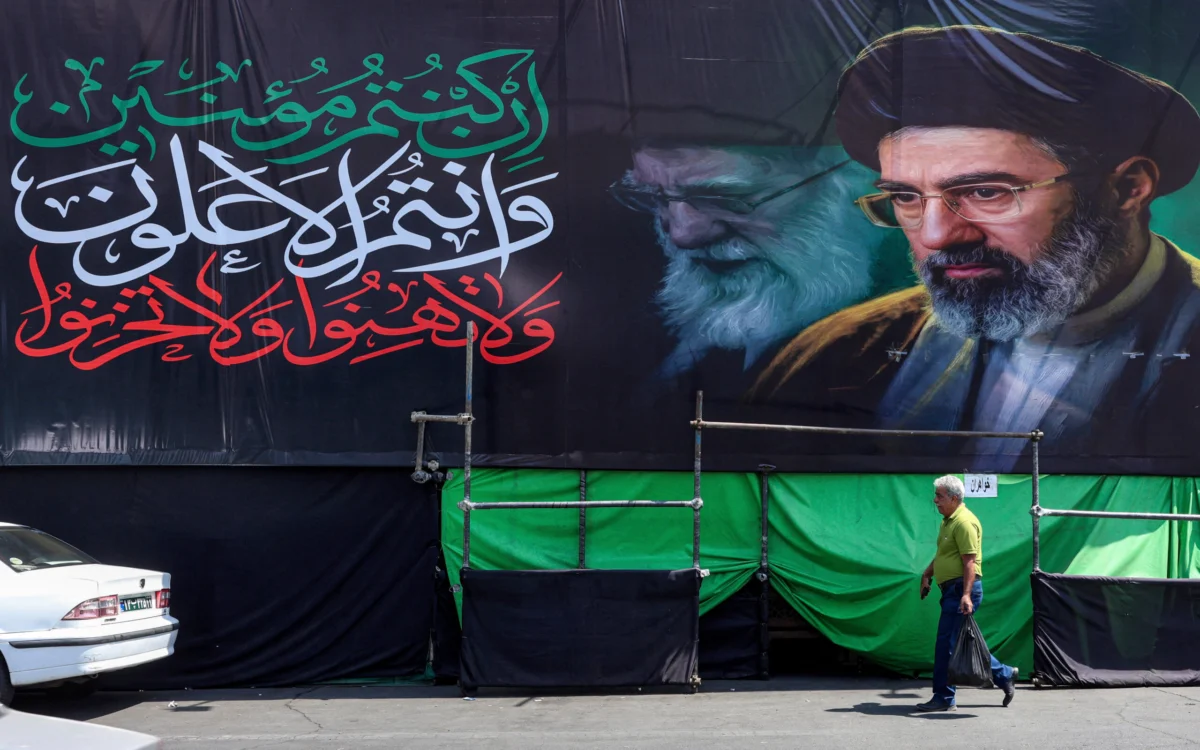
Tehran has declared it will not engage in discussions for a final nuclear agreement until hostilities cease in Lebanon and Washington fulfills specific demands, including the waiver of oil sanctions and the release of frozen Iranian assets. This ultimatum, issued amidst a rapidly deteriorating regional security landscape, signals a hardening of Iran’s stance and introduces significant new obstacles to any potential diplomatic breakthrough. The conditions underscore the deep mistrust between Iran and the United States, exacerbated by ongoing proxy conflicts and economic pressures.
The Iranian government’s position was articulated as a prerequisite for any meaningful engagement on its nuclear program, a subject that has been a focal point of international concern and diplomatic efforts for years. The linkage of these demands to the nuclear talks suggests a strategic attempt by Tehran to leverage the broader regional crisis to achieve concessions on issues it considers vital to its national interests and economic recovery. The ongoing conflict in Lebanon, widely understood to involve Iranian-backed Hezbollah, and the persistent issue of sanctions have become inextricably linked in Tehran’s calculus for international diplomacy.
Background: A Legacy of Strained Relations and Nuclear Ambitions
The standoff over Iran’s nuclear program is not new. For decades, the international community has scrutinized Iran’s uranium enrichment activities, fearing the country’s potential to develop nuclear weapons. The Joint Comprehensive Plan of Action (JCPOA), signed in 2015, aimed to curb Iran’s nuclear program in exchange for sanctions relief. However, the United States’ withdrawal from the deal in 2018 under the Trump administration and the subsequent reimposition of stringent sanctions dramatically altered the diplomatic landscape. This action, coupled with increased regional proxy conflicts, has fueled Iranian resentment and a perception of broken trust.
The death of Supreme Leader Ali Khamenei in a strike on February 28, 2026, marked a profound turning point in Iranian domestic politics and its regional posture. The subsequent mourning period and the ascension of Mojtaba Khamenei, his son, to the position of Supreme Leader, have ushered in a new era. This transition, occurring against the backdrop of the US-Israeli war, has likely emboldened Iran to adopt a more assertive stance, viewing the regional instability as an opportunity to press its demands on the international stage. The image circulating, showing a mourning banner depicting both Ali and Mojtaba Khamenei, serves as a potent symbol of this continuity and the solemnity of the current political climate.
The Nexus of Regional Conflict and Nuclear Diplomacy
Tehran’s assertion that talks on a final nuclear deal are contingent on the cessation of hostilities in Lebanon is a direct acknowledgment of the spillover effects of the ongoing conflict. The proxy war, widely believed to be fueled by external support, has intensified regional fault lines. Iran’s strategic alliance with Hezbollah has positioned it as a key player in the conflict, and any de-escalation in Lebanon would likely require significant diplomatic maneuvering involving Tehran.
The demand for the waiver of oil sanctions is equally significant. Iran’s economy has been severely impacted by years of punitive sanctions, particularly those targeting its crucial oil exports. The lifting of these sanctions is a primary objective for the Iranian government, seen as essential for economic recovery and stability. The frozen Iranian funds, a substantial amount held in foreign banks, represent another key point of contention, with Tehran seeking their unconditional release.
A Chronology of Escalation and Diplomatic Impasse
The current crisis can be traced through a series of escalating events:
- February 28, 2026: Supreme Leader Ali Khamenei is killed in a strike, marking a significant loss for Iran and a catalyst for internal political shifts.
- Early March 2026: Mojtaba Khamenei is officially recognized as the new Supreme Leader, consolidating power within the ruling clerical establishment.
- March – June 2026: The US-Israeli war intensifies, with significant military engagements and heightened tensions across the region, particularly involving Iranian proxies. Reports of increased Iranian involvement in supporting Hezbollah’s operations in Lebanon become widespread.
- June 30, 2026: Ahead of Ali Khamenei’s funeral, a large mourning banner is erected in Tehran, symbolizing national grief and potentially signaling a period of renewed resolve.
- July 1, 2026: Tehran issues its ultimatum, linking nuclear deal progress to the cessation of hostilities in Lebanon and the fulfillment of financial and sanctions-related demands.
This timeline highlights the interconnectedness of the regional conflict, internal political developments in Iran, and the stalled nuclear negotiations. The death of Ali Khamenei appears to have coincided with, and possibly exacerbated, the regional tensions, creating a volatile environment where diplomatic progress on the nuclear front has become increasingly challenging.
Supporting Data and Economic Pressures
Iran’s economy has been under immense pressure since the reimposition of sanctions in 2018. Prior to the US withdrawal from the JCPOA, Iran’s oil exports were estimated to be around 2.5 million barrels per day. Following the sanctions, this figure plummeted, severely impacting government revenue. While precise, up-to-date figures on frozen Iranian assets are not publicly disclosed, estimates have placed them in the tens of billions of dollars. The recovery of these funds and the lifting of oil sanctions are therefore crucial for any meaningful economic revival in Iran.
The International Atomic Energy Agency (IAEA) has continued to monitor Iran’s nuclear activities, reporting on its enrichment levels and compliance with safeguards. However, access and verification have been increasingly complicated by the strained relations between Iran and Western powers. The agency’s reports often highlight a complex picture, with Iran continuing to enrich uranium beyond the limits stipulated in the original JCPOA, while also cooperating on certain aspects of monitoring.
Potential Reactions and Diplomatic Maneuvering
The demands issued by Tehran are likely to be met with a mixed reaction from the international community.
- United States: Washington is expected to maintain its cautious stance, likely reiterating its commitment to preventing Iran from acquiring nuclear weapons while expressing concerns about its regional activities. The US has historically viewed Iran’s nuclear program and its support for regional militias as distinct but interconnected issues. A full waiver of sanctions and the unconditional release of frozen funds, especially while hostilities in Lebanon persist, are unlikely to be immediate concessions.
- European Union: The EU, a key signatory of the JCPOA, will likely continue to advocate for diplomatic solutions and a return to the negotiating table. However, the EU is also a staunch supporter of de-escalation in Lebanon and would be keen to see an end to the conflict. They may seek to mediate or facilitate indirect communication between Tehran and Washington.
- Regional Powers: Neighboring countries, particularly those directly affected by the ongoing conflicts, will be watching developments closely. Some may express relief at any potential de-escalation, while others might view Iran’s strengthened stance with concern.
The current Iranian position can be interpreted as a high-stakes negotiation strategy. By linking the nuclear issue to broader regional security and economic demands, Tehran aims to create leverage and force a more comprehensive package of agreements. However, this approach also carries risks, as it could further alienate potential negotiating partners and prolong the existing diplomatic impasse.
Broader Impact and Implications
The current standoff has significant implications for global security and the future of nuclear non-proliferation efforts:
- Regional Instability: The continued conflict in Lebanon, fueled by the current geopolitical climate, poses a persistent threat to regional stability. Any progress in de-escalation would be a welcome development for millions in the affected areas.
- Nuclear Proliferation Concerns: The stalemate in nuclear talks increases the risk of Iran further advancing its nuclear capabilities, a scenario that would have profound consequences for regional security and global non-proliferation regimes.
- Economic Ramifications: The ongoing sanctions and the unresolved issues surrounding frozen assets continue to impact Iran’s economy and its integration into the global financial system. This, in turn, can have ripple effects on international energy markets and trade.
- The Future of Diplomacy: The current demands highlight the challenges of multilateral diplomacy in a complex geopolitical environment. The willingness of all parties to engage in good faith and find common ground will be crucial for navigating these intricate issues.
The path forward for a final nuclear deal appears more arduous than ever. Iran’s conditions, while framed as non-negotiable prerequisites, represent a significant departure from previous negotiation frameworks. The international community faces the daunting task of addressing Iran’s immediate demands while also managing the broader regional crisis and the persistent concerns surrounding its nuclear program. The coming weeks and months will be critical in determining whether diplomacy can prevail over escalating tensions and entrenched positions.