Jono Maryono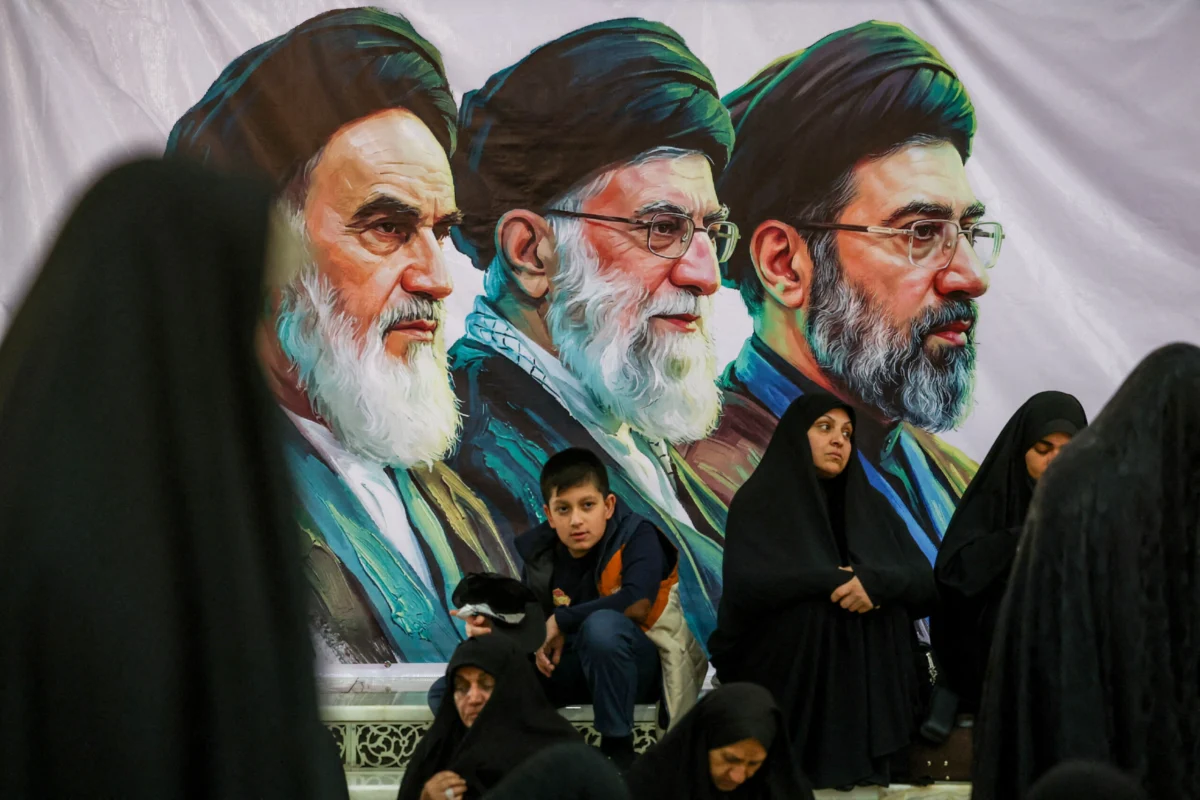
Funeral ceremonies for Iran’s late Supreme Leader, Ayatollah Ali Khamenei, are slated to commence in Tehran on July 4, with subsequent observances in the holy city of Qom on July 7, culminating in his burial in his hometown of Mashhad on July 9. The state media announced these dates, marking the culmination of a period of national mourning following the Supreme Leader’s passing. The burial, originally planned for March, was postponed due to the ongoing regional conflict that has significantly reshaped the geopolitical landscape of the Middle East.
The commencement of the national funeral proceedings on July 4 coincides with the United States’ Independence Day, a detail that observers may note given the complex and often adversarial relationship between the two nations. Ayatollah Khamenei, who was 86 years old, was reportedly killed in a joint US-Israeli air strike on his compound in February, an event that has sent ripples of uncertainty and anticipation across the international stage. His death marks the end of an era for Iran, as he had been the country’s preeminent political and religious figure since 1989, succeeding Ayatollah Ruhollah Khomeini.
A Legacy of Defiance and Ideological Consolidation
Ayatollah Ali Khamenei ascended to the position of Supreme Leader following the death of Ayatollah Ruhollah Khomeini, the charismatic architect of the 1979 Islamic Revolution. While Khomeini provided the foundational ideological impetus and spiritual leadership that overthrew the Pahlavi monarchy and established the Islamic Republic, Khamenei is widely credited with consolidating the state’s power, particularly through the strengthening of its military and paramilitary apparatus. His tenure was characterized by a steadfast adherence to the principles of the revolution, a policy of defiance towards Western influence, and a significant role in shaping Iran’s foreign policy and regional posture.
During his 35-year leadership, Khamenei oversaw a period of significant internal development and external confrontation. He navigated complex domestic political currents, including periods of reformist and conservative ascendancy, while consistently maintaining the ultimate authority on all major state decisions. On the international front, his leadership was marked by a sustained rivalry with the United States and its allies, a commitment to supporting regional proxy groups, and a nuclear program that became a focal point of international concern and diplomatic negotiations. The ongoing regional conflict, which necessitated the postponement of his funeral, has underscored the volatile environment in which his leadership concluded.
Succession Dynamics Amidst Regional Turmoil
The question of succession has been a persistent topic of discussion within Iranian political circles and among international observers. Khamenei’s son, Mojtaba Khamenei, has been widely considered a potential successor. However, he has largely remained out of public view since the commencement of the US-Israel war earlier this year. This reticence has fueled speculation about his preparedness and the political dynamics surrounding his potential ascension.
In a recent development, US Secretary of State Marco Rubio indicated that Mojtaba Khamenei appeared to be taking a more active role in the interim period. This observation, made in early July, followed an April 8 truce, suggesting that the leadership transition, or at least the preparations for it, may be gaining momentum in the wake of the cessation of hostilities. The extent to which Mojtaba Khamenei will be able to assume the mantle of Supreme Leader, given his relatively low public profile and the ongoing regional instability, remains a critical question for Iran’s future trajectory. The consolidation of power by any successor will likely depend on their ability to command the loyalty of the various power centers within the Iranian system, including the Revolutionary Guard Corps and the clerical establishment.
Chronology of Key Events Leading to the Funeral Arrangements
The announcement of Ayatollah Khamenei’s funeral dates provides a framework for understanding the immediate aftermath of his passing and the subsequent period of national mourning and political recalibration.
- February (Specific Date Unspecified): Ayatollah Ali Khamenei, 86, is reportedly killed in a joint US-Israeli air strike on his compound. This event triggers an immediate crisis and prompts the postponement of his planned funeral.
- March (Specific Dates Unspecified): The initial burial of Ayatollah Khamenei was scheduled for this month but was ultimately deferred due to the escalating regional conflict, which necessitated a shift in national priorities and security considerations.
- Early July: US Secretary of State Marco Rubio suggests that Mojtaba Khamenei is assuming a more prominent role, indicating potential moves towards a leadership transition following an April 8 truce.
- July 4: The state-sponsored funeral ceremonies for Ayatollah Khamenei are scheduled to begin in Tehran. This date holds symbolic significance as it coincides with the United States’ Independence Day.
- July 7: Funeral ceremonies are planned to continue in the holy city of Qom, a significant religious center in Iran.
- July 9: Ayatollah Khamenei is to be buried in Mashhad, his hometown, marking the formal conclusion of the funeral observances.
This timeline highlights the significant impact of the regional conflict on the internal affairs of Iran, influencing not only the timing of the Supreme Leader’s funeral but also potentially shaping the dynamics of the succession process.
Background: The Ideological Architect and the Pragmatic Leader
Ayatollah Ruhollah Khomeini, the founder of the Islamic Republic, was a towering figure whose revolutionary zeal and charismatic leadership galvanized a nation and fundamentally altered the geopolitical order in the Middle East. He was the spiritual and ideological architect of the revolution, articulating a vision of an Islamic government based on the principle of Velayat-e Faqih (Guardianship of the Jurist). His leadership was marked by a profound anti-Western sentiment and a commitment to exporting the revolutionary ideals.
Ayatollah Ali Khamenei, his successor, inherited this revolutionary legacy but brought a different approach to leadership. While deeply committed to the principles of the Islamic Republic, Khamenei proved to be a more pragmatic and institutional leader. He focused on consolidating the state’s power, building robust security institutions, and navigating the complexities of domestic and international politics. Under his guidance, Iran developed its missile program, expanded its regional influence through alliances and proxy groups, and maintained a defiant stance against Western sanctions and diplomatic pressure. He was instrumental in shaping the narrative of Iranian resistance and self-reliance.
Supporting Data and Context: Iran’s Geopolitical Standing
Ayatollah Khamenei’s death occurs at a critical juncture for Iran, a nation that has been at the forefront of regional geopolitical shifts for decades.
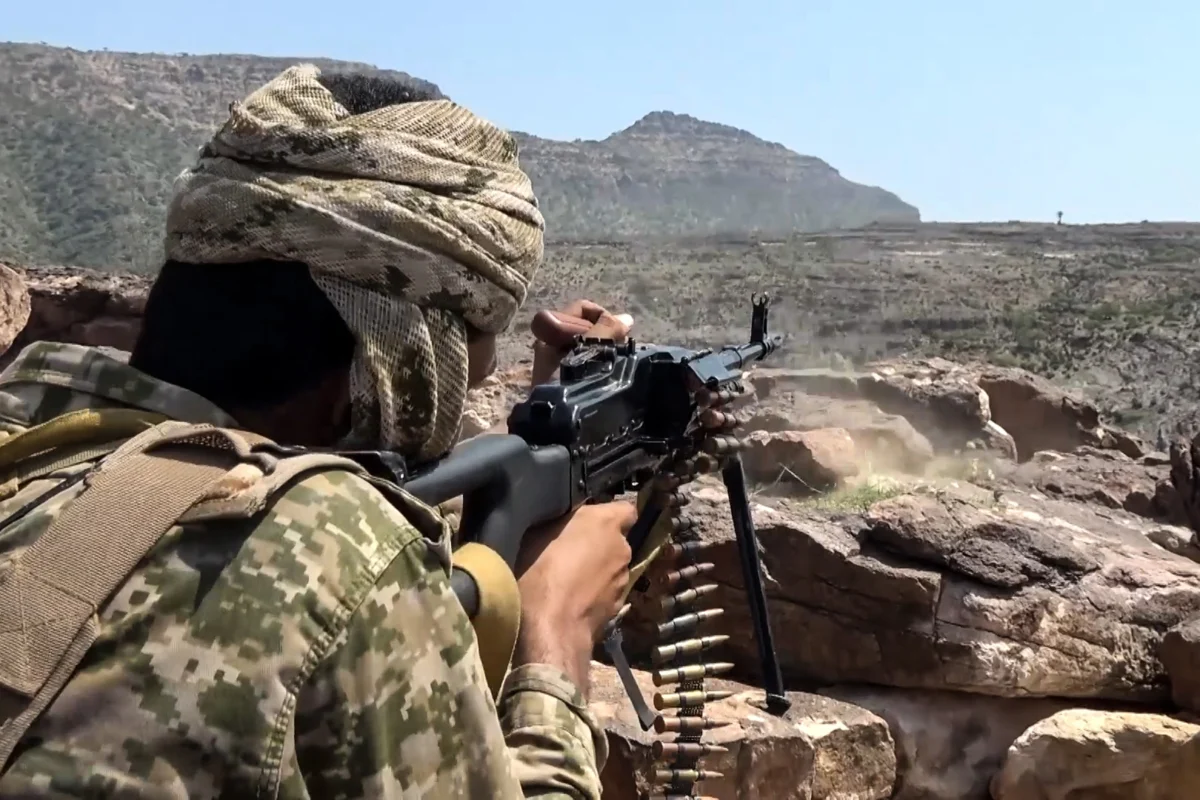
- Regional Influence: Iran has cultivated significant influence in several Middle Eastern countries, including Iraq, Syria, Lebanon, and Yemen, through a network of allied militias and political factions. This network, often referred to as the "Axis of Resistance," has been a cornerstone of Iran’s foreign policy under Khamenei’s leadership.
- Nuclear Program: The Iranian nuclear program has been a persistent source of international tension. Under Khamenei, Iran pursued advancements in nuclear technology, leading to the Joint Comprehensive Plan of Action (JCPOA) in 2015, a landmark agreement aimed at curbing its nuclear ambitions in exchange for sanctions relief. The subsequent withdrawal of the United States from the JCPOA under the Trump administration and subsequent efforts to revive it have underscored the program’s centrality to Iran’s international relations.
- Economic Challenges: Iran’s economy has faced significant challenges, exacerbated by international sanctions, global oil price volatility, and internal mismanagement. These economic pressures have often fueled social discontent and shaped the political discourse within the country.
- Demographics: Iran is a populous nation with a young demographic, presenting both opportunities and challenges for future leadership. The ability of any successor to address the aspirations and concerns of this youth cohort will be crucial for long-term stability.
The ongoing regional conflict, which directly led to the postponement of Khamenei’s funeral, has further intensified these existing challenges, creating a complex backdrop for the upcoming leadership transition.
Potential Implications and Analysis
The passing of Ayatollah Ali Khamenei marks the end of a transformative era for Iran. The implications of his death and the subsequent succession are far-reaching, both domestically and internationally.
- Domestic Political Stability: The manner in which the succession is managed will be a critical determinant of Iran’s future domestic political stability. A smooth transition, with a widely accepted successor, could lead to continued consolidation of power. Conversely, internal power struggles or challenges to the new leadership could create significant instability. The role of the Revolutionary Guard Corps will likely be paramount in ensuring a stable transition.
- Foreign Policy Orientation: While the core tenets of Iran’s foreign policy, particularly its resistance to Western hegemony and its support for regional proxies, are deeply entrenched, there is potential for subtle shifts in emphasis or approach depending on the successor’s leadership style and priorities. However, any radical departure from the established policy framework would likely face significant internal resistance.
- Regional Dynamics: The succession of Iran’s Supreme Leader could have a ripple effect across the Middle East. The strength and direction of Iran’s regional alliances and its involvement in proxy conflicts may be influenced by the new leadership. The ongoing conflict, which has already reshaped regional alliances and power balances, will continue to be a defining factor.
- International Relations: The relationship between Iran and major global powers, particularly the United States, will be closely watched. While a fundamental shift in the adversarial relationship is unlikely in the short term, the tone and tenor of diplomatic engagement could evolve. The future of the Iranian nuclear program and its implications for regional security will remain a paramount concern for the international community.
The elaborate funeral ceremonies planned for Tehran and Qom, followed by the burial in Mashhad, will serve not only as a tribute to the departed leader but also as a carefully orchestrated display of national unity and continuity in the face of profound change. The world will be observing closely as Iran navigates this pivotal moment in its history, charting a course for its future under new leadership.