
 Johny Marice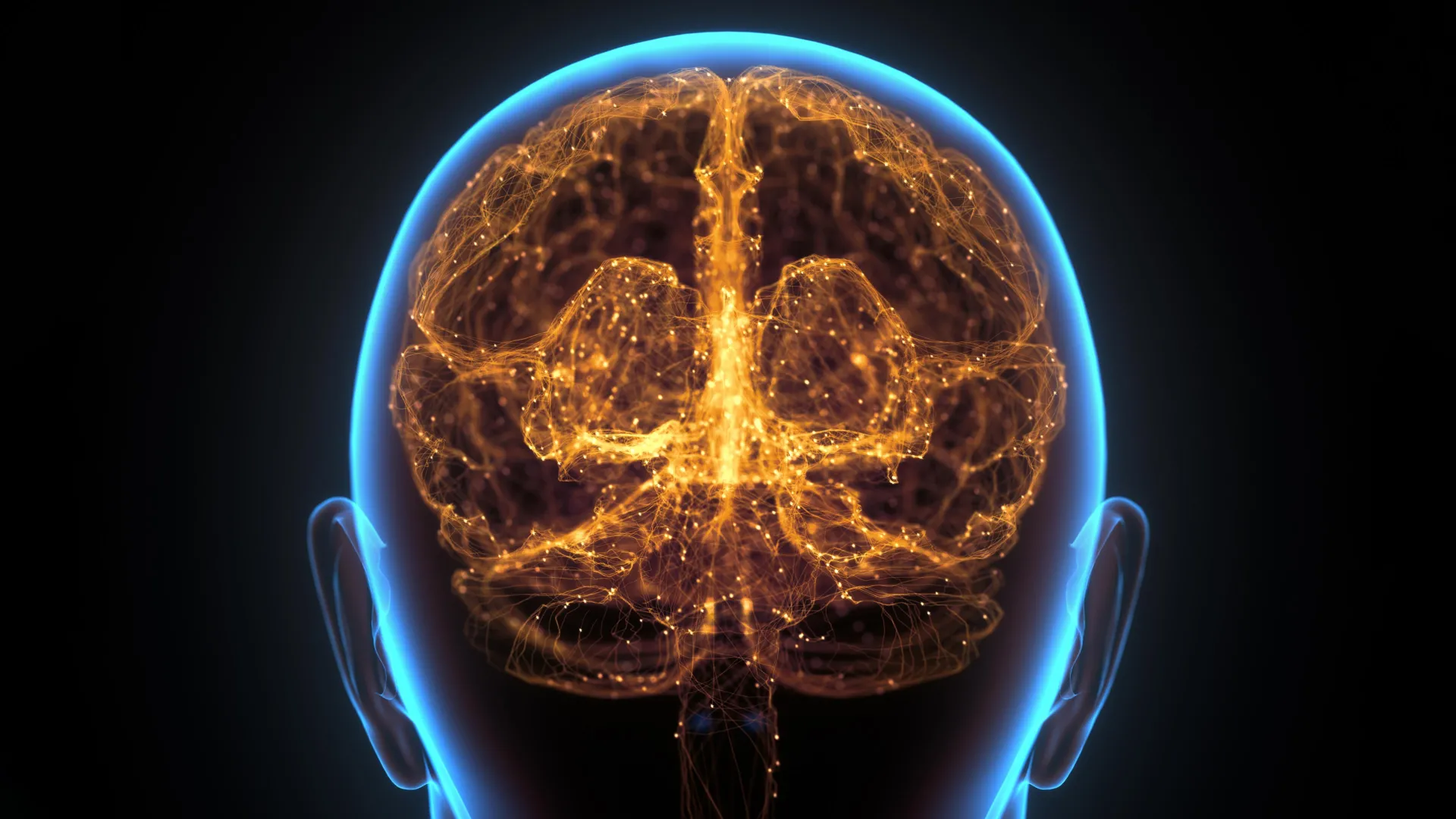
In a landmark study that fundamentally alters the scientific community’s understanding of neuroimmunology, researchers at the Washington University School of Medicine in St. Louis have identified a previously unknown network of immune structures housed within the skull bone marrow of mice. These specialized immune hubs act as localized "security stations," providing the brain with a dedicated, rapid-response defense mechanism that operates independently of—and more quickly than—the body’s systemic lymphatic system. The findings, published in the journal Nature, indicate that the skull is far more than a passive protective casing for the brain; it is an active, strategic site of immunological engagement.
Challenging the Doctrine of Brain Isolation
For decades, the central dogma of neuroscience held that the brain was an "immune-privileged" organ, effectively isolated from the rest of the body’s defensive systems by the blood-brain barrier. This conceptual framework suggested that the brain existed in a state of relative detachment, unable to trigger robust immune responses in the same manner as other organs. However, this paradigm has been steadily dismantled over the past decade through a series of discoveries that reveal a highly interconnected relationship between the central nervous system and the immune system.
The trajectory of this research began in earnest with the identification of lymphatic vessels in the dura mater, the protective outer membrane enveloping the brain. Following that breakthrough, researchers discovered microscopic physical channels that act as conduits, bridging the skull, the dura mater, and the underlying brain tissue. These channels serve as a transit route for immune cells and cellular waste, facilitating a direct, high-speed communication line between the brain and the bone marrow encased within the skull. The latest discovery by the team led by Dr. Jonathan Kipnis serves as the capstone to this narrative, identifying the specific, organized structures within the bone marrow that process this incoming biological intelligence.
Mapping the Skull’s Defensive Architecture
The research team, led by Dr. Jonathan Kipnis, the Alan A. and Edith L. Wolff Distinguished Professor of Pathology & Immunology at WashU Medicine, utilized advanced imaging techniques to track protein movement from the brain through the cranial channels. Upon reaching the skull bone marrow, these proteins triggered the formation of organized structures that closely resemble traditional lymph nodes.
In a standard immunological context, lymph nodes serve as the command-and-control centers where T follicular helper cells and B cells coordinate to produce antibodies. Finding these structures in the bone marrow of the skull was an unexpected development, as bone marrow is typically recognized for its role in hematopoiesis—the production of blood cells—rather than as a specialized site for lymph node-like immune coordination.
Dr. Jang Hyun Park, the study’s first author and a former postdoctoral research fellow in the Kipnis laboratory, emphasized the physiological necessity of these hubs. "We have never seen such structures in healthy bone marrow before," Dr. Park noted. "It is an exciting discovery that points out that a complex brain requires its own specialized immune structures to defend it." By positioning these hubs in such close proximity to the brain, the body ensures that the latency period between detecting a threat—such as a tumor or an infection—and mounting a defensive response is minimized.
Experimental Evidence: The Battle Against Glioblastoma
To validate the functional importance of these immune hubs, the researchers employed a mouse model of glioblastoma, an aggressive and notoriously difficult-to-treat form of brain cancer. The experimental protocol involved using a pharmacological agent to disrupt the function of the skull’s immune hubs.
The results were statistically significant: mice whose immune hubs were suppressed experienced markedly accelerated tumor growth and reduced survival rates compared to the control group. This provided the first empirical evidence that these local immune centers are not merely bystanders, but are essential active participants in the body’s anti-tumor response.
Building on this, the team attempted to augment the immune response. They developed a targeted, gel-based treatment containing three immune-stimulating proteins, which was applied directly beneath the scalp. The intervention proved highly effective. The treatment triggered an immediate surge in antibody production within the skull bone marrow. Observations revealed a critical temporal pattern: the immune response was detectable in the skull marrow hours, if not days, before it manifested in the cervical lymph nodes located further down the neck. Mice treated with this gel exhibited a robust rejection of brain tumors and demonstrated a significant extension in survival, providing a proof-of-concept for localized immunotherapy.
Clinical Implications and Future Therapeutic Landscapes
The potential applications of this discovery extend far beyond glioblastoma. Because these immune hubs are situated directly adjacent to the brain, they offer a unique "back door" for medical intervention. Current treatments for neurological diseases, such as Alzheimer’s, Parkinson’s, and multiple sclerosis, often struggle with the "blood-brain barrier problem"—the difficulty of delivering drugs effectively into the brain without causing systemic side effects throughout the rest of the body.
If clinicians can learn to modulate these skull-based immune hubs, it may be possible to influence the brain’s immune environment without the need for systemic drugs that impact the liver, kidneys, or heart. This "targeted regional therapy" approach could revolutionize the treatment of neurodegenerative and neuroinflammatory conditions.
"The finding fundamentally changes our current understanding of neuroimmunology," Dr. Kipnis stated. "Knowing that the brain relies on first responders in the surrounding skull for defense has the potential to change how we think about developing therapies for many neurological conditions, including Alzheimer’s disease, Parkinson’s disease, schizophrenia, long COVID, and many others that have an immune component to them."
A Shift in Diagnostic and Treatment Paradigms
The presence of similar immune cells in human skull bone marrow, as noted in the study, provides a strong basis for future human clinical trials. If the skull-to-brain immune axis functions in humans as it does in mice, it opens a vast, untapped frontier for pharmacological intervention.
The scientific community is already beginning to assess the implications of this discovery. For decades, the skull was viewed as a static shield; now, it is viewed as a dynamic, reactive component of the immune system. This shift suggests that future diagnostic tools might include scans specifically designed to assess the activity levels of these bone marrow hubs, potentially providing early warnings for neurological decline long before symptoms become clinically apparent.
Furthermore, the discovery raises questions regarding the impact of aging and chronic inflammation on these hubs. As individuals age, the efficiency of bone marrow often declines; understanding whether this decline contributes to the onset of neurodegenerative diseases is a major area of inquiry that will likely define the next generation of neuroimmunology research.
As research moves forward, the focus will inevitably shift toward how these hubs can be activated or "rebooted" in patients with chronic brain-related illnesses. While the road from mouse models to clinical human applications is long and rigorous, the identification of a direct, local immunological portal to the brain offers a level of precision that was previously considered unattainable. By treating the skull as an active immunological participant, the medical field moves one step closer to unlocking therapies that are as precise as the biological structures they aim to heal.









