Ronny Sianturi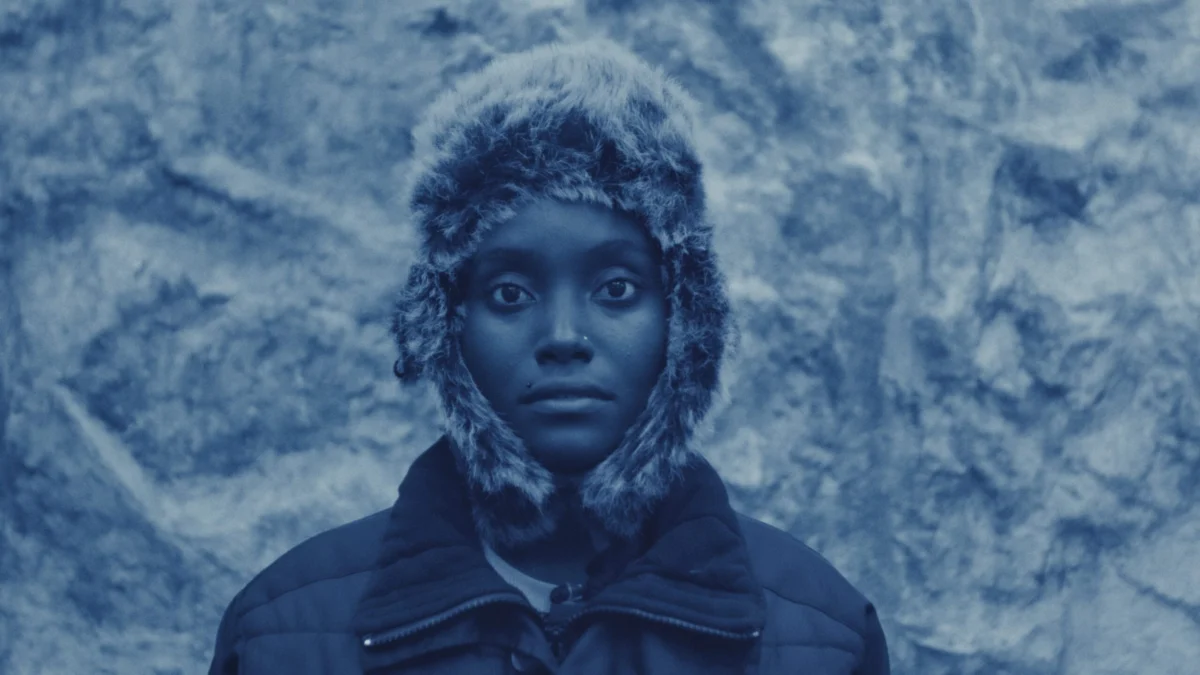
Swiss filmmaker Jacqueline Zünd, known for her incisive explorations of human psychology and societal pressures, is set to premiere her latest documentary, Heat, at the prestigious 57th edition of the Visions du Réel (VdR) film festival in Nyon, Switzerland. The film, slated for its world premiere on April 20, marks Zünd’s return to documentary filmmaking after her critically acclaimed fiction feature debut, Don’t Let the Sun, which premiered at the Locarno Film Festival last year. Heat delves into the profound and often overlooked impacts of climate change on the human psyche and societal structures, using a starkly different, yet equally provocative, cinematic approach.
The VdR festival, a cornerstone event for documentary cinema, opens on Friday, April 17, and will run through April 26, showcasing a curated selection of groundbreaking international films. Heat will compete in the festival’s international feature film competition, a testament to its anticipated significance and artistic merit.
A Visceral Exploration of a Global Crisis
Heat transports viewers to the Persian Gulf, a region notorious for its extreme temperatures, where ambient heat frequently surpasses 50 degrees Celsius (120 degrees Fahrenheit). Zünd employs highly stylized imagery and a meticulously crafted soundscape to immerse the audience in the intense sensory experience of this environment. As the press notes articulate, the film posits the Persian Gulf as a locale where "the heat becomes a force that shapes human existence." The documentary aims to "consider heat’s impact on character, economic dynamics, and social inequalities," seeking to "melt layers to reveal what lies beneath the climate crisis, within human beings."
This thematic focus aligns with Zünd’s consistent artistic trajectory. Her previous works, including Where We Belong, Almost There, and Goodnight Nobody, have consistently delved into the nuanced internal landscapes of individuals grappling with external pressures. Don’t Let the Sun, her recent foray into fiction, explored similar themes of climate change’s influence on inner worlds in a near-future setting. Heat can be viewed as a documentary counterpart, offering a ground-level, sensorial examination of the same pressing issues.
Illuminating Social Disparities Through Extreme Conditions
The film introduces audiences to compelling characters who embody the multifaceted impacts of extreme heat. Sophy, a young Kenyan woman working in a high-end ice bar in Dubai, highlights the stark contrast between those seeking refuge from the heat and those whose labor is defined by it. Essa, a meteorologist in Kuwait, grapples with the immense challenge of communicating the realities of climate change in a region often characterized by denial or complacency.

"Heat is like a magnifying glass, amplifying and intensifying character traits, moods, and emotions, but first and foremost, economic and social disparities," Zünd explained in a director’s statement. She observed a striking gap between the affluent and the less fortunate. "Once the temperature reaches a certain point, those who can afford it no longer leave their homes; they live exclusively in air-conditioned environments, jog indoors, eat and socialize in malls, or have delivery drivers bring what they need right to their doorsteps."
This observation underscores a critical implication of escalating global temperatures: the exacerbation of existing social inequalities. As the planet warms, access to climate control and other mitigating resources becomes a significant determinant of comfort and even survival, further marginalizing vulnerable populations. The film directly addresses the plight of migrants, who are often compelled to work outdoors in hazardous conditions. "It is primarily migrants – who are forced to work outdoors – who suffer from the heat," Zünd noted. "In the Arabian Gulf, many migrant workers die of heatstroke every year, but this is not something that is allowed to be discussed." This silence surrounding the fatal consequences of extreme heat for migrant laborers is a stark indictment of global indifference to their human rights and well-being.
A Unique Cinematic Approach to a Tangible Threat
Zünd consciously eschewed a traditional documentary format, opting instead for a more visceral and sensory experience. "I want to translate heat visually without illustrating it, without falling for cliché images; I’m looking for a kind of cinematic Fata Morgana," she stated. Her intention was to create a film that actively conveys the physical sensation of heat, moving beyond mere representation to evoke a palpable feeling in the viewer. This artistic choice is rooted in her long-standing interest in making abstract or psychological conditions cinematically tangible, a practice she has honed since her early film, Goodnight Nobody, which explored insomnia.
"I wanted to translate heat visually, like a cinematic mirage. The film captures the vertigo, the loss of control, and the distortion of perception, making the heat physically tangible," Zünd elaborated. This approach aims to create a deeper emotional and intellectual connection with the audience, prompting them to confront the reality of climate change not as an abstract concept but as a lived experience with profound human consequences.
Companion Pieces: Fiction and Documentary Intersecting
The genesis of Heat is intrinsically linked to Zünd’s fictional feature, Don’t Let the Sun. "To me, the two films belong together; I see them as companion pieces," Zünd revealed. The documentary project emerged organically during the research phase for her fiction film. "During my research, I read so many fascinating things that didn’t find a place in the fiction – it felt like an invitation."

The symbiotic relationship between the two films allowed for a rich cross-pollination of ideas and visual motifs. "It was a wonderful experience to see how the two films enriched and inspired each other. I was able to translate some elements from the documentary into the fiction, but also vice versa. At times, it was startling to find certain details from the fiction reflected in real life." This iterative process highlights the power of interdisciplinary artistic exploration, where factual research informs fictional narratives and imaginative storytelling can, in turn, illuminate real-world phenomena.
Production and Artistic Collaboration
Heat is produced by Louis Mataré of Lomotion AG, with Real Film GmbH serving as co-producer. The film’s distinctive visual style is credited to cinematographer Nikolai von Graevenitz, and its impactful narrative arc is shaped by editor Gion-Reto Killias.
Producer Mataré lauded Zünd’s ability to merge societal relevance with a striking aesthetic. "Her protagonists bring emotional depth to themes of social inequality, highlighted through visually stunning contrasts. Heat incorporates techniques from Jacqueline’s earlier films, such as structuring narratives around a single day and employing inner voices." These established techniques, honed over Zünd’s career, promise to deliver a film that is both thematically resonant and artistically compelling.
Broader Implications and Future Directions
The premiere of Heat at Visions du Réel arrives at a critical juncture in the global discourse on climate change. As the frequency and intensity of extreme weather events continue to rise—with documented increases in heatwaves globally, leading to significant public health crises and economic disruptions—films like Heat serve as vital cultural interventions. For instance, the World Health Organization (WHO) reports that heatwaves are one of the deadliest weather-related hazards, claiming thousands of lives annually, particularly among the elderly and those with pre-existing health conditions. In the Persian Gulf region specifically, studies have indicated that the combination of high temperature and humidity can exceed human physiological limits, posing a direct threat to life for outdoor workers.
The film’s focus on the Persian Gulf region is particularly poignant, given its status as a hub of global commerce and a significant contributor to carbon emissions, yet also a place acutely vulnerable to the direct impacts of rising temperatures. The contrast between air-conditioned luxury and the harsh realities faced by outdoor laborers encapsulates a microcosm of global climate injustice.

While Heat promises to be a powerful examination of the climate crisis, Zünd indicated a need for a pause before embarking on further climate-related projects. "No, I need a break now," she stated. "I have other topics waiting for me to explore!" This suggests a deliberate approach to her filmmaking, ensuring each project is approached with fresh perspective and sustained creative energy.
The exclusive trailer for Heat, now available, offers a glimpse into the film’s intense atmosphere, characterized by stark visuals and evocative sound design. It hints at a cinematic experience that is as challenging as it is enlightening, urging viewers to confront the uncomfortable realities of our warming planet and its profound impact on the human condition. The film’s premiere at Visions du Réel is anticipated to spark important conversations about climate change, social justice, and the power of cinema to bear witness to the most pressing issues of our time.