Ronny Sianturi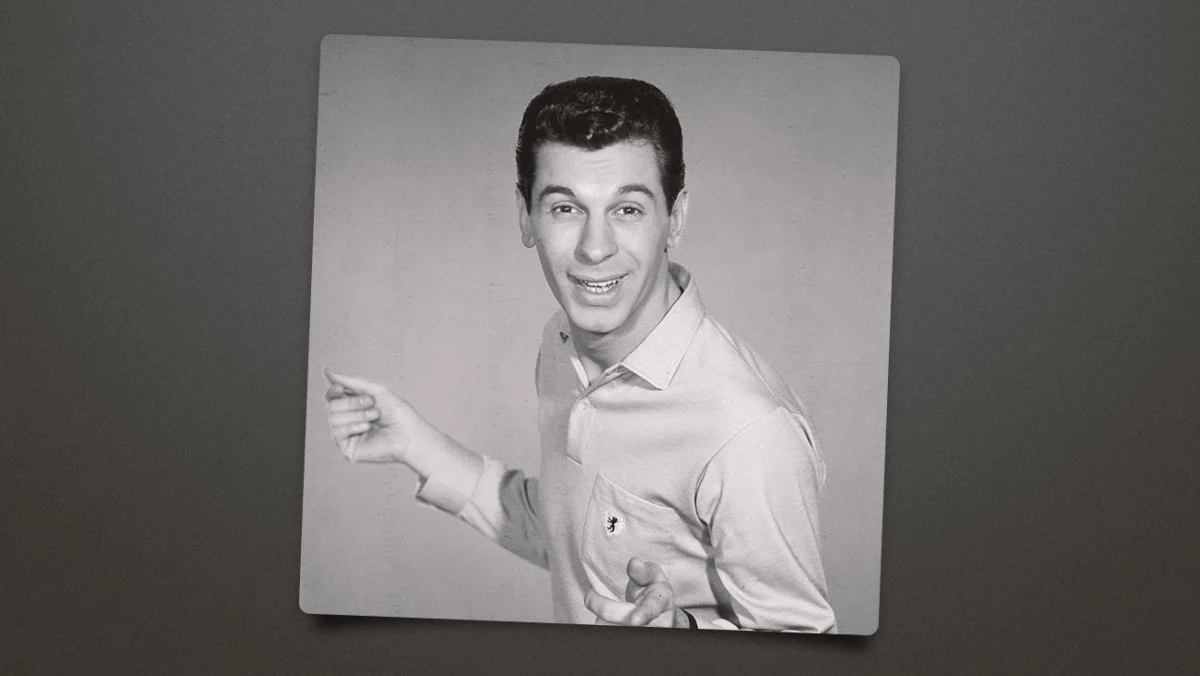
Freddy Cannon, the dynamic rock and roll artist whose energetic performances and infectious hits like "Tallahassee Lassie" and "Palisades Park" soundtracked a generation, has died. He was 89. Cannon passed away on Friday at a hospice facility in California, a loss confirmed by his close friend Tom Cuddy of iHeart Radio. The news of his passing comes just days after Cannon was slated to participate in an interview with legendary DJ Cousin Brucie Morrow on July 11, a highly anticipated event that was postponed when Cannon was hospitalized the day prior.
A Life in Rhythm and Rhyme: The Early Years and Rise to Stardom
Born Frederick Anthony Picariello Jr. on December 4, 1936, in Lynn, Massachusetts, Cannon’s musical journey began in his hometown. His early recordings, imbued with a raw, unbridled energy, quickly caught the attention of television personality and music impresario Dick Clark. It was Clark’s fascination with an early iteration of "Tallahassee Lassie" that played a pivotal role in shaping Cannon’s destiny. Encouraged by Clark, Cannon, still in his late teens, relocated to Philadelphia, a move that would set the stage for his burgeoning career in the burgeoning world of rock and roll.
The single "Tallahassee Lassie," officially released in 1959, proved to be a watershed moment for Cannon. The song soared to number six on the Billboard Hot 100, marking his first major chart success and introducing his distinctive sound to a national audience. This breakthrough paved the way for a historic appearance on Dick Clark’s seminal television program, American Bandstand, in 1960. Cannon’s charisma and electrifying stage presence resonated with the show’s young viewers, and he became a regular fixture. His record-breaking 110 appearances on American Bandstand solidified his status as a bona fide teen idol and a key figure in the early rock and roll landscape.
Chart-Topping Success and a Lasting Legacy
Cannon’s prolific output continued to dominate the airwaves throughout the 1960s. His 1962 hit, "Palisades Park," achieved even greater commercial success, climbing to number three on the Billboard charts and becoming his highest-charting single. This anthem, with its vivid imagery and energetic delivery, remains one of his most enduring and recognizable songs.
Beyond these signature hits, Cannon’s discography boasts a string of other popular singles that defined the sound of an era. In 1960, "Jump Over" and "Chattanooga Shoe Shine Boy" showcased his versatility and ability to craft catchy, danceable tunes. The mid-1960s saw the release of more memorable tracks, including "Abigail Beecher" in 1964, "Action" in 1965, and "The Dedication Song" in 1966. These songs, among many others, contributed to his reputation as a consistent hitmaker and a vital contributor to the rock and roll canon.
Cannon’s influence extended beyond his musical endeavors. In 2011, he released his memoir, Where the Action Is!, a title that aptly reflects the vibrant and action-packed nature of his life and career. The memoir offered fans a deeper insight into his experiences in the music industry and beyond. He also made his mark in the entertainment world through television appearances, including a role in the series No Time for Sergeants, the science fiction film Village of the Giants, the youth-oriented show Never Too Young, and a memorable stint on the cult classic Svengoolie.
A Family Man and a Final Chapter
Freddy Cannon’s personal life was as rich as his professional one. He was a devoted father and grandfather. He is survived by his children, Conny Weber and Billy Cannon, his sister Mary Lou, his son-in-law Jim, his daughter-in-law Beth, five grandchildren, and seven great-grandchildren. His passing follows the recent deaths of his son John in April and his wife Jeanette earlier in 2024, marking a particularly poignant period for his family.
Context and Chronology of a Rock and Roll Icon
Freddy Cannon’s emergence in the late 1950s coincided with a seismic shift in popular music. Rock and roll, a genre that blended rhythm and blues, country, and gospel influences, was rapidly gaining traction, challenging the dominance of traditional pop music. Artists like Elvis Presley, Chuck Berry, and Buddy Holly had already laid the groundwork, but Cannon brought his own unique brand of energetic, often novelty-infused rock to the forefront.
- December 4, 1936: Frederick Anthony Picariello Jr. is born in Lynn, Massachusetts.
- Late 1950s: Cannon begins his recording career in Massachusetts. An early recording of "Tallahassee Lassie" catches the attention of Dick Clark.
- Circa 1958/1959: Encouraged by Dick Clark, Cannon moves to Philadelphia to further his music career.
- 1959: "Tallahassee Lassie" is officially released, reaching number 6 on the Billboard Hot 100 and becoming Cannon’s first major hit.
- 1960: Cannon makes his debut on American Bandstand, marking the beginning of a long and fruitful relationship with the show. He releases "Jump Over" and "Chattanooga Shoe Shine Boy."
- 1962: "Palisades Park" is released, peaking at number 3 on the Billboard charts and becoming his highest-charting single.
- Mid-1960s: Cannon continues to release popular singles, including "Abigail Beecher" (1964), "Action" (1965), and "The Dedication Song" (1966).
- 2011: Cannon publishes his memoir, Where the Action Is!
- April 2024: Cannon’s son, John, passes away.
- Early 2024: Cannon’s wife, Jeanette, passes away.
- July 10, 2024 (day before scheduled interview): Cannon is hospitalized.
- July 12, 2024: Freddy Cannon dies at a hospice facility in California at the age of 89.
Broader Impact and Industry Reactions
Freddy Cannon’s passing represents the loss of a significant figure in the annals of rock and roll. His music, characterized by its upbeat tempos, memorable melodies, and often whimsical lyrical content, provided a soundtrack for youthful exuberance and escapism during a transformative period in American culture. His ability to connect with audiences through his energetic performances and relatable songs cemented his place in music history.
While specific official statements from the music industry at large are still emerging, the sentiment among those who knew and admired Cannon is one of profound sadness and respect. Tom Cuddy’s announcement, conveying the news with a personal touch, highlights the deep friendships Cannon cultivated within the industry. The planned interview with Cousin Brucie Morrow, a legendary figure in radio himself, underscores Cannon’s continued relevance and the enduring appeal of his music to passionate fans and fellow artists alike. The absence of his lively presence will undoubtedly be felt by the countless individuals whose lives were touched by his music and his spirit. Cannon’s legacy will continue to resonate through his timeless recordings, inspiring future generations of musicians and reminding us of the joyful power of rock and roll.