Nila Kartika Wati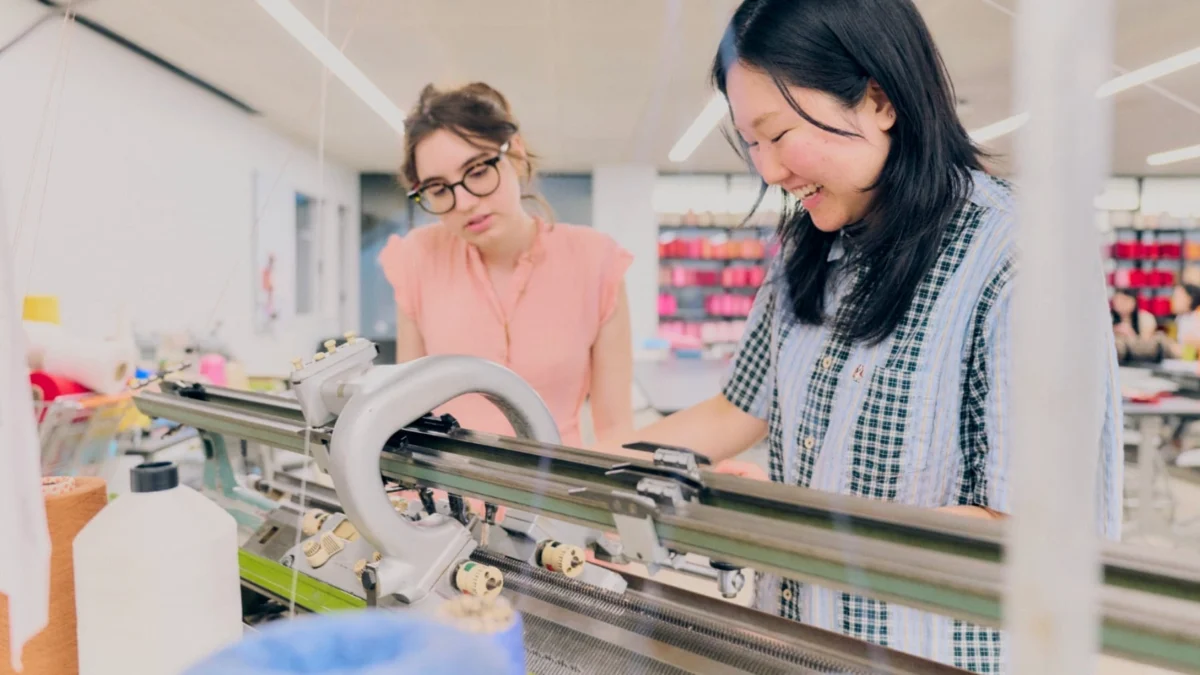
The fashion industry, a dynamic and ever-evolving sector, is witnessing a significant shift in how its future leaders and creators are educated. Educational institutions globally are actively recalibrating their academic programs, fostering deeper collaborations with industry heavyweights, and enhancing career support services to better equip students for the realities of the contemporary fashion landscape. While these initiatives mark a positive step forward, educators emphasize that ultimate success hinges on the individual drive and adaptability of the students themselves.
The impetus for this educational overhaul stems from a confluence of factors that have reshaped the fashion world over the past decade. The rapid acceleration of digital technologies, the growing imperative for sustainability and ethical practices, and the increasing globalization of supply chains have created a more complex and demanding professional environment. Traditional pedagogical approaches, often rooted in historical design principles and theoretical frameworks, are now being augmented and, in some cases, fundamentally altered to address these pressing industry needs.
Evolving Curricula: Embracing Digital and Sustainable Futures
A core component of this educational renaissance involves the integration of new technologies and forward-thinking methodologies into fashion school curricula. Programs are increasingly incorporating modules on digital design tools, including 3D modeling and virtual prototyping, which are becoming indispensable in reducing waste and expediting the design process. The rise of e-commerce and the metaverse has also necessitated a greater focus on digital marketing, online brand building, and the creation of virtual fashion experiences.
For instance, institutions like the Fashion Institute of Technology (FIT) in New York, a long-standing beacon of fashion education, are proactively updating their course offerings. While studio work, as depicted in their imagery, remains a cornerstone, the emphasis is shifting to encompass not just the tactile creation of garments but also the digital artistry and strategic thinking behind them. This includes modules on data analytics for trend forecasting, understanding consumer behavior in the digital space, and the ethical implications of material sourcing and production.
Beyond technological advancements, sustainability has emerged as a non-negotiable aspect of modern fashion education. Universities and colleges are now dedicating substantial portions of their curricula to teaching principles of circular economy, upcycling, biodegradable materials, and ethical labor practices. This reflects a growing demand from consumers, regulators, and industry stakeholders for a more responsible and environmentally conscious fashion industry. A recent report by the Global Fashion Agenda indicated that over 60% of fashion executives believe sustainability will be a primary driver of business strategy in the coming five years, underscoring the critical need for graduates to be well-versed in these areas.
Strengthening Industry Ties: From Internships to Collaborative Projects
Recognizing that theoretical knowledge must be complemented by practical experience, fashion schools are significantly bolstering their partnerships with established fashion houses, emerging designers, and retail businesses. These collaborations take various forms, ranging from guest lectures by industry professionals and mentorship programs to internships and live project briefs.
The model of a "retail-as-classroom" is gaining traction. Bazaar, a retailer that recently opened in Savannah, Georgia, exemplifies this approach, functioning as both a commercial establishment and a practical learning environment. Such initiatives provide students with firsthand exposure to the operational intricacies of the fashion business, including inventory management, customer engagement, visual merchandising, and sales strategies, in a real-world context. This experiential learning not only enhances their skill sets but also provides invaluable networking opportunities.
These industry partnerships are not merely about providing internships; they are increasingly about co-creating educational experiences. Many institutions are now working directly with brands to develop specialized courses or workshops that address specific industry challenges. For example, a brand facing difficulties with sustainable sourcing might collaborate with a fashion school to develop a research project that its students undertake, offering potential solutions. This symbiotic relationship benefits students by exposing them to cutting-edge industry problems and provides businesses with fresh perspectives and potential future talent. Data from the National Association of Colleges and Employers suggests that students who participate in internships are 50% more likely to receive a job offer upon graduation, highlighting the tangible impact of these partnerships.
Expanding Career Support: Navigating a Complex Job Market
The career services departments within fashion educational institutions are also undergoing a significant transformation. In an era of rapid career shifts and the rise of the freelance economy, providing comprehensive and adaptable career guidance is paramount. Beyond traditional resume workshops and interview coaching, these services are evolving to include support for entrepreneurship, personal branding in the digital age, and navigating the complexities of the global job market.
Many fashion schools are now offering incubators or accelerator programs for aspiring designers and entrepreneurs, providing mentorship, resources, and sometimes even seed funding to help launch their own businesses. This is particularly relevant given the increasing number of independent designers and the growing consumer interest in unique, artisanal, and ethically produced fashion.
Furthermore, the alumni networks of these institutions are being leveraged more effectively to provide ongoing career support. Regular networking events, mentorship opportunities connecting current students with established alumni, and platforms for job postings are becoming standard practice. The narrative is shifting from merely finding a first job to fostering a lifelong career in fashion, with schools acting as crucial support systems throughout a graduate’s professional journey.
The Student’s Role: Agency in a Changing Landscape
Despite these comprehensive institutional efforts, educators consistently point out that the ultimate success of fashion graduates rests significantly on their own initiative, adaptability, and willingness to embrace lifelong learning. The fashion industry is characterized by its fast pace and constant evolution, meaning that even the most robust curriculum can become outdated if students do not actively seek out new knowledge and skills.
"While we are committed to providing the most relevant and forward-thinking education possible, students must understand that graduation is not an endpoint but a launchpad," stated Dr. Anya Sharma, Head of Fashion Design at a prominent European fashion institute. "The responsibility lies with them to continue learning, to experiment, to network, and to proactively seek out opportunities that align with their evolving career goals. The digital landscape, for example, demands constant engagement and a willingness to adapt to new platforms and tools."
This sentiment is echoed by industry professionals. "We look for graduates who demonstrate not only technical proficiency but also a proactive mindset, a strong work ethic, and an inherent curiosity," commented a senior recruiter at a major luxury fashion group. "The individuals who thrive are those who are not afraid to ask questions, to take on challenging projects, and to continuously push their own boundaries."
The integration of retail spaces as learning environments, such as Bazaar, further emphasizes this point. While the store provides a hands-on platform, students participating in such programs are expected to actively engage with customers, analyze sales data, and contribute to the store’s overall success. Their ability to translate theoretical knowledge into practical, impactful contributions is what will set them apart.
Looking Ahead: The Future of Fashion Education
The ongoing evolution of fashion education is a testament to the industry’s resilience and its commitment to innovation. By updating curricula to embrace digital technologies and sustainability, forging stronger industry partnerships, and enhancing career support, educational institutions are laying a more solid foundation for the next generation of fashion professionals. However, the success of these endeavors is inextricably linked to the agency and proactive engagement of the students themselves. As the fashion world continues its rapid transformation, the ability of students to adapt, learn continuously, and seize the opportunities presented will be the ultimate determinant of their success in this dynamic and exciting field. The landscape of fashion education is not static; it is a living, breathing entity that must constantly adapt to remain relevant and impactful.