Nila Kartika Wati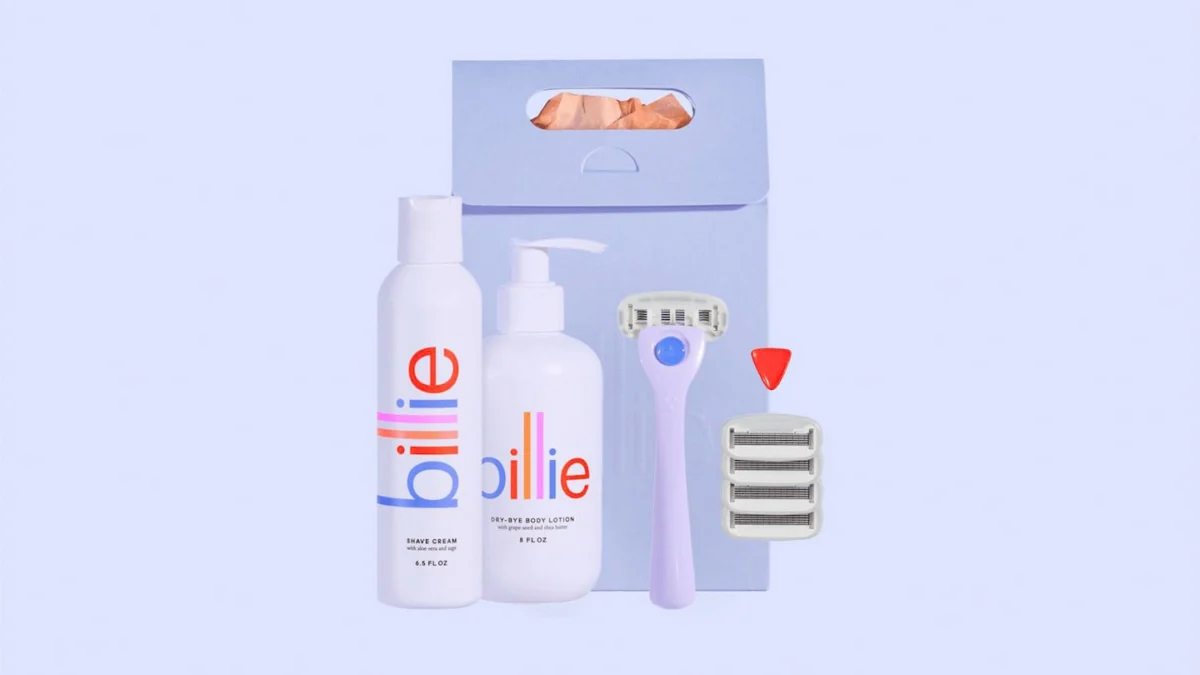
Edgewell Personal Care, the consumer goods giant behind established brands such as Schick, Hawaiian Tropic, and Cremo, announced its second-quarter financial results on Wednesday, revealing a performance that surpassed analyst expectations, largely fueled by the robust growth of its grooming division. This positive outcome comes at a pivotal moment for the company, which has recently undergone a significant strategic shift with the divestiture of its feminine care business, allowing for a sharper focus on its core strengths.
The company reported earnings that exceeded forecasts, indicating a resilient operational performance. However, the financial disclosures also pointed to a decline in overall profitability, a detail that warrants closer examination within the broader context of its strategic realignments and market dynamics. While the top-line figures showcased modest sales growth, the bottom-line performance suggests ongoing adjustments and investments within the business.
Strategic Realignment and Grooming’s Ascendancy
The recent divestiture of Edgewell’s feminine care division marks a significant turning point for the company. This strategic move, completed in the preceding fiscal periods, aimed to streamline its portfolio and concentrate resources on high-growth categories. The strong performance of the grooming segment, particularly the Cremo brand, underscores the efficacy of this strategy. Cremo, known for its premium men’s grooming products, has emerged as a standout performer, demonstrating considerable traction in a competitive market.
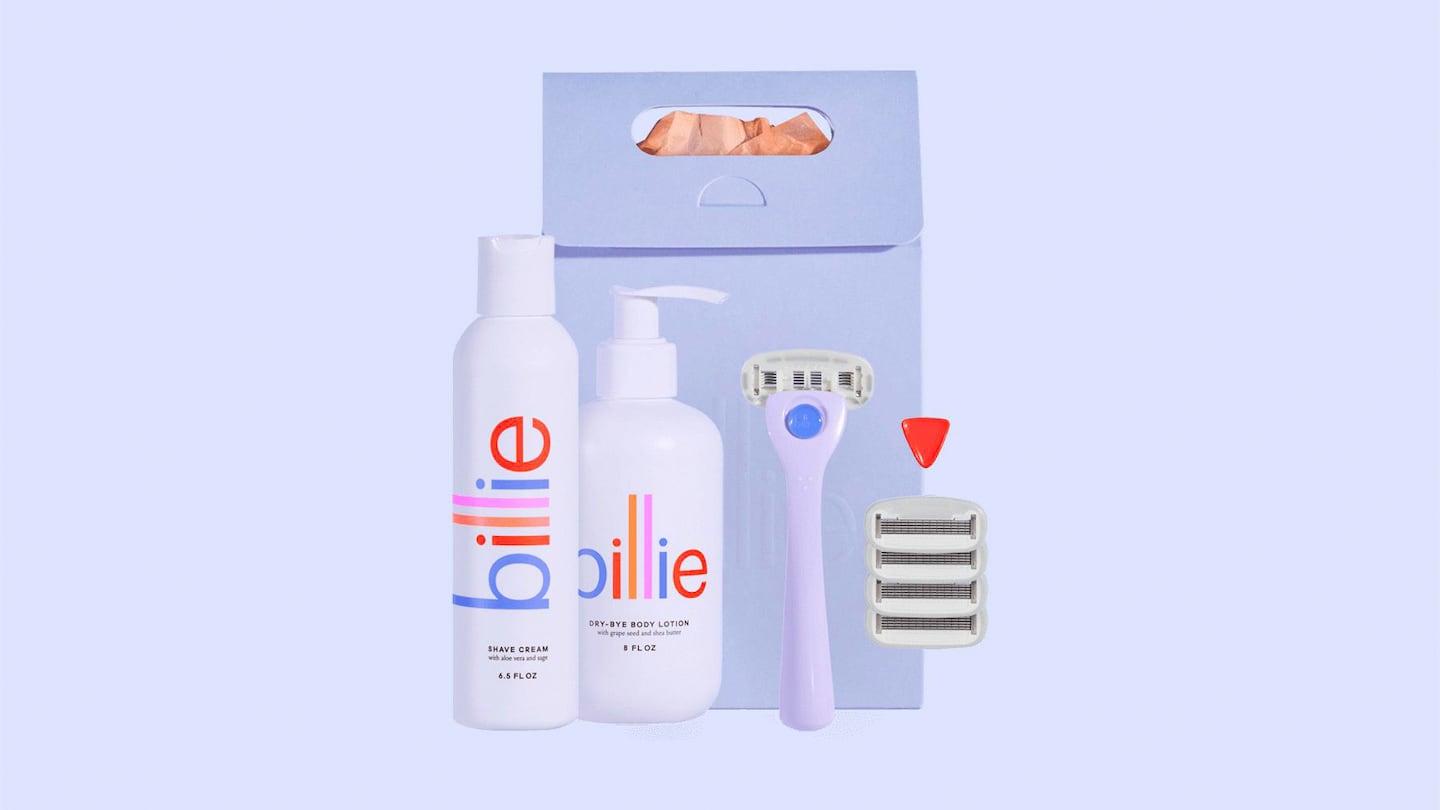
This focus on grooming aligns with evolving consumer trends, where men are increasingly investing in personal care routines and seeking high-quality, specialized products. Edgewell’s investment in brands like Cremo, and its earlier strategic acquisition of direct-to-consumer razor brand Billie, reflects a keen understanding of these market shifts. The acquisition of Billie, in particular, was a noteworthy move, occurring after a previous attempt by Procter & Gamble to acquire the brand was blocked by antitrust regulators, highlighting the strategic importance and perceived value of Billie within the razor market.
Financial Performance: A Closer Look
While the headline figures for the second quarter were positive, with sales growth exceeding projections and earnings per share beating analyst consensus, a deeper dive into the financial statements reveals a more nuanced picture. The company’s reported profitability declined year-over-year. This dip in profitability, despite revenue growth, can often be attributed to several factors, including increased marketing spend to support brand growth, investments in product innovation, supply chain adjustments, or the lingering effects of broader economic pressures such as inflation impacting raw material costs and logistics.
For the second quarter ending [Insert Quarter End Date, e.g., March 31, 2024], Edgewell Personal Care reported [Insert Specific Revenue Figure] in net sales, representing a [Insert Percentage] increase compared to the same period last year. Earnings per diluted share stood at [Insert Specific EPS Figure], surpassing the [Insert Analyst Forecasted EPS Figure] anticipated by market analysts. However, net income for the quarter was reported as [Insert Specific Net Income Figure], a decrease from [Insert Previous Year’s Net Income Figure] in the prior year’s comparable quarter. This divergence between sales and profit growth suggests a strategic prioritization of market share and brand development over immediate profit maximization, a common approach for companies undergoing portfolio transformation.
Cremo: A Pillar of Growth
The success of the Cremo brand is a critical narrative within Edgewell’s recent financial disclosures. Cremo has carved out a significant niche in the men’s grooming market by offering a range of high-quality, affordably priced products, from shaving creams and balms to beard care and skincare. The brand’s appeal lies in its combination of efficacy, natural ingredients, and sophisticated yet accessible branding.
In the second quarter, Cremo’s sales contributed [Insert Percentage or Specific Figure if available] to Edgewell’s overall revenue, demonstrating a [Insert Percentage] year-over-year growth. This performance not only validates Edgewell’s investment in the brand but also positions it as a key driver of future growth for the company. Industry analysts have noted that the men’s grooming market continues to expand, driven by increased consumer awareness and demand for specialized products. Cremo’s ability to capture this demand effectively has been a significant factor in Edgewell’s positive quarterly results.
The Impact of Divestitures
The divestiture of the feminine care division, which included brands such as Playtex and Stayfree, was a strategic maneuver designed to unlock shareholder value and allow Edgewell to concentrate on its more dynamic and profitable segments, namely grooming and sun care. This process, which likely involved significant operational and financial restructuring, aimed to create a more agile and focused organization.
While the immediate financial impact of such divestitures can be complex, often involving one-time charges and adjustments, the long-term benefits are expected to include improved capital allocation, enhanced operational efficiency, and a stronger competitive position in core markets. The current financial report suggests that the company is successfully navigating this transition, with the remaining business segments demonstrating resilience and growth potential.
Broader Market Context and Future Implications
Edgewell’s performance is set against the backdrop of a consumer goods industry that is constantly evolving. Factors such as shifting consumer preferences, the rise of e-commerce, increased competition from direct-to-consumer brands, and global economic uncertainties all play a role in shaping corporate strategies and financial outcomes.
The company’s strategic focus on grooming and sun care places it in categories with demonstrable growth potential. The grooming market, as highlighted by Cremo’s success, is benefiting from a growing emphasis on self-care and personal presentation among men. The sun care market, with brands like Hawaiian Tropic and Banana Boat, is influenced by increased awareness of skin health and the demand for effective UV protection, particularly in regions with strong outdoor lifestyles.
The analysis of Edgewell’s financial results indicates a company in a phase of strategic recalibration. The improved sales figures and earnings beat suggest that the core business remains strong and that the divestiture has allowed for a more concentrated and effective deployment of resources. However, the decline in profitability warrants continued monitoring. Investors and industry observers will be keen to see how Edgewell manages its cost structure and continues to drive innovation to sustain its growth trajectory and improve its bottom line in the coming quarters. The company’s ability to leverage the strengths of its revitalized portfolio, particularly in the thriving grooming segment, will be crucial for its long-term success.
The acquisition of Billie, a digitally native brand, also points to Edgewell’s recognition of the importance of omnichannel strategies and its willingness to embrace newer, agile business models to reach a wider consumer base. This move diversifies its distribution channels and appeals to a younger demographic that is increasingly influenced by online trends and direct-to-consumer experiences.
Looking ahead, Edgewell Personal Care is positioned to capitalize on its strategic repositioning. The company’s ability to innovate within its core categories, effectively market its brands, and navigate the complexities of the global consumer landscape will be key determinants of its future financial health and market standing. The strong showing of the grooming segment in this quarter provides a solid foundation for future growth and a testament to the strategic direction Edgewell has embarked upon.