
 Prabowo Widodo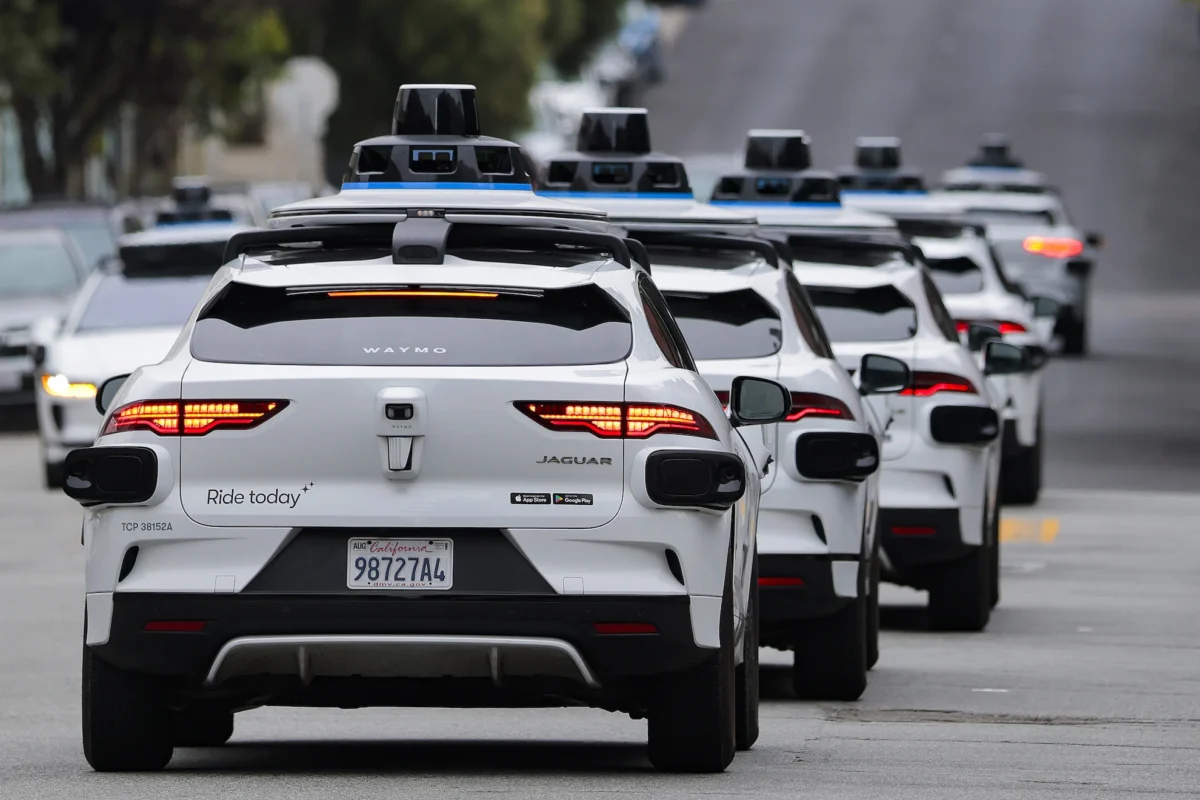
California has officially established a new regulatory frontier for the autonomous vehicle industry, signing into law a mandate that forces major robotaxi operators to provide immediate, on-the-ground support when their driverless fleets malfunction, stall, or otherwise impede emergency operations. Spearheaded by state Senator Dave Cortese and signed by Governor Gavin Newsom, Senate Bill 1246 addresses mounting public safety concerns surrounding autonomous vehicles blocking traffic, intruding on active crime scenes, and stalling in the paths of police officers, paramedics, and firefighters.
The legislation introduces strict compliance measures, operational constraints on remote labor forces, and financial penalties for companies whose driverless cars obstruct first responders for extended periods. Scheduled to take effect in July 2028, the law marks a significant turning point in how state governments balance technological innovation with public infrastructure security.
Background and Catalyst for Legislative Action
The passage of Senate Bill 1246 follows a sustained period of tension between municipal authorities and autonomous vehicle developers across California. Over the past several years, cities like San Francisco, Los Angeles, and San Jose have witnessed a dramatic escalation in high-profile incidents involving stalled robotaxis. Vehicles have frequently lost network connectivity or encountered localized software errors, resulting in spontaneous shutdowns in the middle of busy intersections, highway lanes, and transit corridors.
In numerous instances, these disabled vehicles have blocked fire station exits, created bottlenecks during medical emergencies, and inadvertently driven into active police investigations. Because early iterations of deployment protocols relied heavily on passive remote oversight or local law enforcement intervention to clear roadways, the burden of managing failed commercial vehicles frequently fell upon municipal workers. A notable investigative report earlier this year revealed that industry leader Waymo on multiple occasions relied directly on first responders to manually maneuver its stalled vehicles out of harm’s way, sparking widespread outrage among municipal unions and safety advocates.
The political pressure resulting from these disruptions eventually drew the attention of federal regulators. The National Highway Traffic Safety Administration intervened by issuing formal inquiries to major autonomous vehicle developers, demanding comprehensive technological and operational solutions to prevent driverless fleets from interfering with emergency services. Senate Bill 1246 represents the legislative response to these pressures at the state level, attempting to codify clear lines of liability and operational accountability.
Core Mandates and Regulatory Requirements of Senate Bill 1246
Senate Bill 1246 introduces a comprehensive framework designed to mitigate the risks associated with large-scale commercial driverless operations. The statute outlines several mandatory compliance requirements that autonomous vehicle developers must integrate into their business models before and during active deployment in California.
First, the law establishes strict parameters regarding remote operations. Under the new rules, companies that employ human remote drivers must ensure those individuals are physically based within the United States and hold valid U.S. driver’s licenses. This provision aims to eliminate regulatory gray areas and communication barriers associated with offshore remote support teams, ensuring that human oversight personnel possess a localized understanding of American traffic laws, road infrastructure, and emergency protocols.
Second, the legislation requires robotaxi operators to deploy local, on-the-ground support personnel—designated as local incident technicians—to assist with accidents, system-wide failures, and roadway obstructions. When a vehicle experiences a critical error that prevents it from safely navigating traffic or communicating with remote command centers, these technicians must be dispatched to physically resolve the obstruction, rather than relying on emergency services to clear the path.
Third, the statute mandates robust communication channels between autonomous vehicle developers and local jurisdictions. Companies are now legally required to provide real-time location data and status updates to municipal authorities during system-wide outages or widespread technical failures.
Finally, the law establishes explicit financial penalties and accountability measures. If an autonomous vehicle blocks emergency responders—such as fire trucks, police cruisers, or ambulances—for a continuous period exceeding 30 minutes during an emergency response, the operating company faces severe regulatory fines. The California Department of Motor Vehicles, which holds primary regulatory authority over autonomous testing and deployment in the state, is tasked with establishing specific implementation guidelines, including precise response-time thresholds and enforcement mechanisms.
Industry Landscape and Fleet Distributions
The implementation of Senate Bill 1246 directly impacts a rapidly expanding commercial marketplace dominated by a handful of heavily capitalized technology firms. Waymo remains the largest commercial robotaxi operator in the United States, managing a nationwide commercial fleet of approximately 4,000 autonomous vehicles. A substantial portion of this fleet—roughly 1,200 vehicles—operates within the densely populated San Francisco Bay Area, where complex urban topographies and heavy pedestrian traffic frequently test the limits of autonomous navigation software.
Other prominent market participants, such as Zoox, have similarly scaled their testing and commercial deployment phases across major metropolitan areas. Tesla, while pursuing a distinct technological approach utilizing camera-based neural networks and consumer-accessible driver-assistance software, also falls under the broad regulatory umbrella governing autonomous vehicle testing and remote operational accountability in the state.
The operational models employed by these companies vary significantly, which heavily influenced the debate surrounding the language of Senate Bill 1246. While Tesla has publicly acknowledged utilizing remote operators capable of taking direct, real-time control of vehicle steering and acceleration from afar, other firms like Waymo utilize a hybrid model of remote assistance. In Waymo’s framework, the vehicle’s onboard autonomous driving system maintains primary control at all times, while human support specialists provide high-level path guidance, authorization for route detours, or software commands from centralized command centers located in states such as Arizona and Michigan, as well as international support hubs. Zoox maintains its remote operation teams domestically within the United States.
Corporate Responses and Stakeholder Reactions
Reactions from the autonomous vehicle industry to the passage of Senate Bill 1246 have been characterized by cautious acceptance, largely shaped by last-minute legislative amendments that preserved commercial viability while imposing stricter oversight.
Representatives for Waymo issued formal statements acknowledging the new law, expressing gratitude for adjustments made during the legislative process that ensure operators can continue serving California commuters. The company reiterated its ongoing commitment to traffic safety and continuous service refinement. Similar sentiments were echoed by other commercial developers who emphasized their willingness to collaborate with state and municipal authorities to ensure seamless integration with local emergency frameworks.
Labor unions, municipal associations, and public safety advocacy groups have largely praised the legislation as a necessary corrective to an industry that they argue scaled too quickly without adequate safeguards for public infrastructure. Law enforcement agencies and firefighters’ associations, which bore the immediate operational brunt of stalled robotaxis blocking emergency routes, welcomed the mandate requiring physical, local incident technicians to manage disabled vehicles.
Broader Economic and Technological Implications
The enactment of Senate Bill 1246 carries significant implications for the future trajectory of autonomous vehicle development, municipal governance, and transportation logistics both within California and across the broader national landscape.
From an economic perspective, the mandate to station local incident technicians and restrict remote driving operations to domestic personnel introduces new operational overhead for autonomous vehicle developers. Companies that previously relied on globalized, low-cost remote support centers will be forced to restructure their labor supply chains, potentially increasing the operational cost of scaling robotaxi fleets. However, industry analysts suggest that these added expenditures are a necessary cost of doing business in high-density urban markets where public tolerance for technological disruption has reached its limit.
From a regulatory standpoint, California’s legislative action establishes a potent precedent that other states are likely to emulate. As autonomous vehicles transition from experimental pilot programs to ubiquitous commercial utilities, state and local governments face mounting pressure to assert traditional police powers over public roadways. By legally binding AV companies to strict response times, domestic labor standards, and severe financial penalties for emergency obstruction, California has signaled that public safety and municipal sovereignty supersede the unfettered expansion of autonomous technology.
Looking ahead to the law’s official enactment in July 2028, the success of Senate Bill 1246 will depend heavily on the rigorous enforcement mechanisms developed by the California Department of Motor Vehicles. As regulators draft specific guidelines regarding incident response windows and penalty structures, technology companies must adapt their software architectures, logistical dispatch systems, and workforce deployment strategies to ensure full compliance. Ultimately, the legislation represents a critical regulatory maturation phase for the autonomous vehicle sector, establishing a legal framework where technological innovation must continuously prove its compatibility with civic safety and community welfare.








