Danny Garick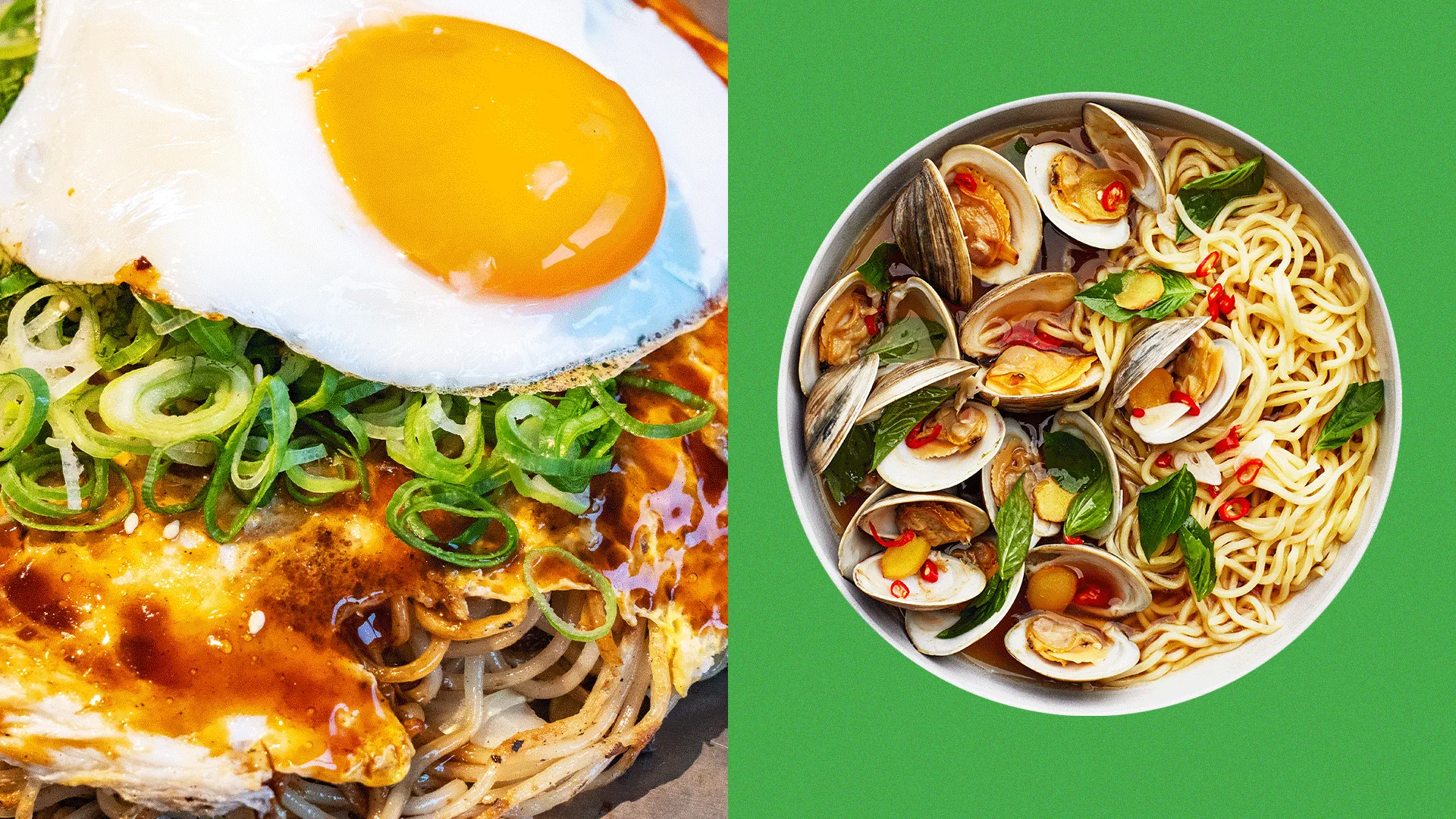
The global perception of instant noodles has undergone a radical transformation, evolving from a marginalized staple of convenience and necessity into a versatile foundation for high-end home culinary experimentation. Once defined strictly by the Styrofoam cup and the "starving student" trope, instant noodles are now at the center of a sophisticated "ramen-hacking" culture that emphasizes premiumization, regional authenticity, and nutritional enhancement. According to the World Instant Noodles Association (WINA), global demand reached an all-time high in 2024, with the United States alone consuming over 5 billion servings. This surge is driven not only by economic factors but by a fundamental shift in how home cooks interact with processed food bases.
The Modern Culinary Shift: From Instructions to Innovations
The traditional method of preparing instant noodles—boiling water and adding a pre-packaged seasoning powder—is increasingly viewed by culinary professionals and home enthusiasts as merely a starting point. Influential texts, such as Peter J. Kim’s Instant Ramen Kitchen, have popularized the concept of using the flash-fried or air-dried noodle block as a neutral starch for diverse global cuisines. This trend has moved beyond simple garnishes, such as scallions or soft-boiled eggs, to complex reinterpretations including beef stroganoff ramen, frijoles de la olla ramen, and spinach ramen gratin.
The "premiumization" of the category is evidenced by the success of brands like Fly By Jing and the expansion of private-label offerings from retailers like Trader Joe’s. These products prioritize high-quality ingredients, such as sun-dried noodles and Sichuan chili crisp, appealing to a demographic that seeks both convenience and "clean-label" transparency. Culinary editors and test kitchen professionals have noted that the structural integrity of modern instant noodles allows them to be utilized in textures ranging from soft broth-bound strands to "crackly" fried bases for Hiroshima-style okonomiyaki.
A Chronology of the Instant Noodle Revolution
The trajectory of the instant noodle from a post-war innovation to a global phenomenon is marked by several key developmental milestones:
- 1958: The Invention of Chikin Ramen: Momofuku Ando, the founder of Nissin Foods, developed the world’s first instant noodle in Japan. His goal was to address food shortages in the post-WWII era by creating a product that was tasty, safe, affordable, and easy to store. The process of flash-frying noodles in hot oil created the "instant" quality by removing moisture and creating tiny holes that allowed the noodles to rehydrate quickly.
- 1971: The Introduction of Cup Noodles: Recognizing that Western consumers lacked the traditional ramen bowls used in Asia, Ando introduced the waterproof polystyrene cup. This innovation transformed the product into a portable, self-contained meal, facilitating its entry into the global market.
- 1980s–1990s: Market Diversification: As the product spread to South Korea, China, and Southeast Asia, regional variations began to dominate. Brands like Maruchan and Samyang introduced spicy, seafood-based, and stir-fry varieties, moving away from the simple chicken broth origins.
- 2010s: The Gourmet Ramen Boom: The rise of artisanal ramen shops in major metropolitan areas like New York, London, and Tokyo trickled down to the instant market. Consumers began demanding higher-quality "Nama" (fresh-style) noodles and complex liquid broth concentrates.
- 2020–2024: The Home-Chef Era: The COVID-19 pandemic accelerated the "ramen-hacking" trend as home-bound consumers looked for ways to elevate pantry staples. Social media platforms became repositories for creative recipes, turning instant noodles into a "blank canvas" for culinary expression.
Supporting Data and Market Dynamics
The economic and social footprint of the instant noodle industry is substantial. WINA data indicates that China and Hong Kong remain the largest consumers, accounting for nearly 40% of global demand. However, the fastest growth rates are currently observed in Southeast Asia and North America.
| Region | 2024 Estimated Servings (Billions) | Growth Trend (5-Year) |
|---|---|---|
| China/Hong Kong | 45.1 | Stable |
| Indonesia | 14.5 | Increasing |
| Vietnam | 8.6 | High Growth |
| United States | 5.2 | Increasing |
| Japan | 5.9 | Stable |
The market is currently bifurcating into two distinct segments: the traditional budget-tier, which remains a vital tool for food security, and the emerging premium-tier. The latter is characterized by non-fried, air-dried noodles that offer a lower fat content and a texture more closely resembling fresh pasta. This segment has seen a 15% year-over-year increase in retail value, as consumers are willing to pay a 200–300% markup for "craft" instant noodles.
Industry Responses and Technical Innovations
Food scientists at major manufacturers like Nissin and Maruchan have responded to the "hacking" trend by adjusting the chemistry of their seasoning packets and noodle compositions. There is a concerted effort to reduce sodium content while maintaining the umami profile through the use of yeast extracts and fermented soy products.
Industry analysts suggest that the "glossy, umami-heavy sauce" found in modern yakisoba kits is engineered to emulsify better with added water and fat, allowing home cooks to create restaurant-quality glazes in a domestic setting. Furthermore, the rise of "Nama" style noodles—pre-cooked and vacuum-sealed—represents a technical leap in preservation that maintains the "bounce" of the noodle without the need for deep-frying.
In statements regarding the future of the category, industry leaders have emphasized sustainability. The transition from polystyrene cups to paper-based, recyclable containers is a primary focus for the 2025–2030 fiscal period, as the industry faces pressure regarding the environmental impact of single-use plastics.
Broader Impact and Culinary Implications
The implications of the instant noodle’s evolution extend into the realms of food security, cultural exchange, and domestic labor. Economically, the "Ramen Index" is often used by analysts as a proxy for consumer sentiment; during periods of high inflation, instant noodle sales typically rise as households substitute expensive proteins with affordable starches.
However, the modern "zhuzhing" of noodles (a term popularized by culinary editors to describe the act of adding flare) represents a shift in domestic labor. By using instant noodles as a base, home cooks can prepare a nutritionally balanced meal—incorporating proteins like tofu or steak and vegetables like Napa cabbage or spinach—in under ten minutes. This "semi-homemade" approach reduces the barrier to entry for cooking, making it an essential skill for the modern, time-poor professional.
From a cultural perspective, the popularity of specific regional styles—such as the Sichuan influences found in Fly By Jing or the Thai wheat noodles found in specialty grocery chains—serves as a form of "soft power" for Asian cuisines. It introduces global palates to specific flavor profiles, such as the numbing sensation of Sichuan peppercorns (mala) or the complex acidity of ponzu and lime.
Conclusion: The Future of the Instant Noodle
As we look toward the latter half of the decade, the instant noodle is expected to further integrate with health and wellness trends. We are likely to see an increase in functional noodles fortified with fiber, protein, and micronutrients, as well as a continued expansion of plant-based broth options.
The transition from a desperate "sick-day meal" to a curated dining experience is nearly complete. Whether it is the addition of an egg yolk and tahini for a luxurious finish or the frying of boiled ramen into a crackly pancake for okonomiyaki, the instant noodle has proven to be one of the most resilient and adaptable food technologies in history. It remains a testament to Momofuku Ando’s original vision: a simple, accessible product that can be endlessly reinvented to meet the needs and tastes of a changing world.