Ferry Irwandi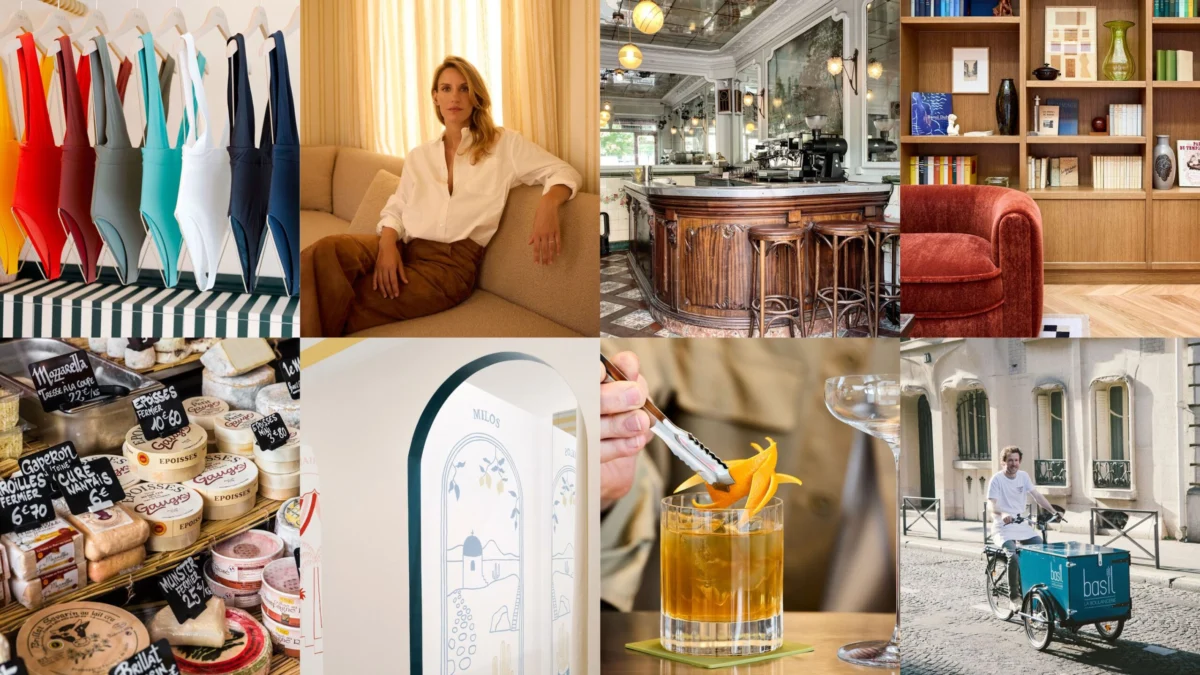
Each May, the world’s attention turns to the 16th arrondissement of Paris as tennis aficionados, distinguished by their signature Panama hats, descend upon Roland Garros Stadium for the French Open. While the red clay courts serve as the primary draw, a mere stone’s throw away lies Auteuil, a neighborhood that has long existed in the shadow of the city’s more central tourist hubs. Often characterized by residents of the eastern arrondissements as a sleepy, bourgeois hinterland, Auteuil is currently undergoing a quiet but profound revitalization. This former hamlet, incorporated into Paris in 1860, is shedding its reputation as a static residential enclave to emerge as a dynamic center for contemporary gastronomy, artisanal craftsmanship, and avant-garde design.

The transformation of Auteuil is not a rejection of its past but rather a meticulous curation of it. Historically, the area was a sanctuary for the French literati; Molière and Jean de La Fontaine were frequent visitors to its local inns, and the 18th-century literary salons of Madame Helvétius attracted international figures such as Benjamin Franklin. Later, in the early 20th century, the neighborhood became a canvas for architect Hector Guimard, the master of Art Nouveau, whose iconic Metro entrances and curvilinear residential buildings still define the district’s aesthetic. Today, a new generation of entrepreneurs is moving into these historic spaces, blending traditional French savoir-faire with modern sensibilities to redefine the 16th arrondissement for the 21st century.
A Legacy of Gastronomy: The Preservation of the Parisian Bistro
The culinary landscape of Auteuil serves as a primary indicator of the neighborhood’s resurgence. For decades, industry analysts have warned of the decline of the "authentic" Parisian bistro, citing the rise of fast-casual dining and the homogenization of restaurant menus. However, the 2025 reopening of the Auberge du Mouton Blanc suggests a counter-narrative. Established in 1668, the inn was once the haunt of France’s greatest writers. In its latest iteration, twins Margot and Félix Dumant, born into a family of restaurateurs, have sought to restore the establishment to its former glory.

The Dumant twins’ approach involved stripping away decades of inauthentic renovations to reveal the building’s original soul. The redesigned interior features classic wood paneling, green leather banquettes, and terrazzo flooring—elements that evoke the Golden Age of Parisian dining without feeling like a museum piece. The menu adheres to a rigorous standard of traditionalism, emphasizing hearty Norman influences such as butter-basted sole meunière and moules-frites. This revitalization project reflects a broader trend in Paris: the "neo-bistro" movement, which prioritizes high-quality, locally sourced ingredients and time-honored techniques over culinary trends.
Supporting this gastronomic ecosystem is Fromagerie La Fontaine, one of the city’s oldest cheese shops. Operating since 1890, the boutique is a classified historic monument. In 2018, Clara Solvit became only the seventh cheesemonger in the shop’s 135-year history. Solvit’s tenure has been marked by a commitment to raw-milk cheeses, many of which are aged in the shop’s original subterranean cellar. The presence of such a specialized establishment in Auteuil highlights the neighborhood’s role in preserving the "Fromage" culture that is central to French identity. Data from the Centre National Interprofessionnel de l’Économie Laitière (CNIEL) indicates that while overall cheese consumption remains high, the demand for artisanal, raw-milk varieties is increasingly driven by specialized boutiques that offer traceability and traditional aging processes.

The Evolution of Hospitality: From Residential Enclave to Boutique Destination
The hospitality sector in the 16th arrondissement has historically been dominated by large, formal hotels or quiet residential rentals. The debut of the four-star Noucha Hotel in 2025 marks a shift toward a more intimate, storytelling-driven model of lodging. Owned by Samuel Gelrubin, the hotel is located in a building that has been in his family for generations; it is named in honor of his grandmother, "Noucha," whose family were the original proprietors.
The interior design, led by Jordane Arrivetz, balances historic preservation with contemporary luxury. The 27-room property retains original architectural features, such as period fireplaces, while integrating graphic custom carpets and modern art. The hotel’s ground-floor restaurant and library are designed to function as "living rooms" for the local community, a strategic move to integrate the hotel into the social fabric of the village rather than keeping it an isolated tourist enclave. This reflects a global shift in the luxury hotel market toward "hyper-localism," where travelers seek accommodations that offer a sense of place and connection to the surrounding neighborhood.

The Noucha Hotel is situated near the birthplace of Marcel Proust, further cementing the link between the neighborhood’s literary history and its modern commercial appeal. By leveraging this cultural heritage, Auteuil is positioning itself as a sophisticated alternative to the more crowded districts of the Right Bank, appealing to high-net-worth travelers who value discretion and authenticity.
Artisanal Resurgence: The New Guard of Bakers and Makers
Perhaps the most visible sign of Auteuil’s revitalization is the success of Boulangerie Basil. Opened in 2021 by siblings Jérôme and Claire Bails, the bakery represents a growing trend of "career pivoting" in France, where professionals from the corporate and financial sectors are returning to manual trades. Jérôme Bails, a graduate of the prestigious Ferrandi culinary school and a former banker, has focused the bakery’s mission on the use of heritage grains and organic flours sourced from the Île-de-France region.

The popularity of Boulangerie Basil—often marked by queues stretching down the rue Jean de La Fontaine—is indicative of a broader shift in consumer behavior. Residents are increasingly eschewing industrial bread in favor of sourdough starters and mineral-packed ancient wheat varieties like petit épeautre. The Bails’ success has led to the planned opening of a retail outlet inside their atelier near the Auteuil Church in the spring of 2025, further expanding their footprint in the neighborhood.
This artisanal movement extends into the realm of retail and lifestyle. Anja Paris, a swimwear brand founded by Alexandra Thiltgès in 2017, chose Auteuil for its flagship boutique. Thiltgès, who transitioned from the cosmetics industry, has built a brand centered on inclusivity and European-sourced fabrics. The boutique’s design, featuring yellow-striped ceilings and changing rooms themed after global destinations like Miami and Jaipur, brings a sense of vibrancy to the streetscape. The brand’s focus on "couture-inspired" swimwear that caters to women at all stages of life has resonated with the local demographic, bridging the gap between the neighborhood’s traditional elegance and modern fashion sensibilities.

The Architectural Context: Guimard and the Art of the Cocktail
The revitalization of Auteuil is inextricably linked to its architectural heritage, specifically the work of Hector Guimard. The neighborhood contains the highest concentration of Guimard’s buildings in Paris, making it a pilgrimage site for students of Art Nouveau. This architectural backdrop provided the perfect setting for Franck Audoux to open Cravan in 2018.
Audoux, a veteran of the pioneering neo-bistro Le Chateaubriand, chose a Guimard-designed building to house his cocktail bar. The space, which retains its original zinc bar and mirrors from 1911, was a radical addition to the 16th arrondissement. By focusing exclusively on high-end cocktails and storytelling—naming the bar after the poet-boxer Arthur Cravan—Audoux challenged the notion that the 16th was too conservative for the city’s cutting-edge bar scene. The success of Cravan eventually led to a partnership with Moët Hennessy and the opening of a second location in Saint-Germain-des-Prés, yet the Auteuil original remains the definitive expression of the brand’s identity.

Implications for the Urban Fabric of Paris
The transformation of Auteuil from a "sleepy bourgeois hinterland" into a vibrant cultural pocket has significant implications for Paris’s urban planning and economic strategy. As the city prepares for future international events and continues to manage the pressures of over-tourism in its central core, the development of "satellite" hubs like Auteuil is essential.
- Decentralization of Tourism: By promoting the cultural and gastronomic appeal of the 16th arrondissement, Paris can effectively disperse tourist traffic, reducing the strain on the 1st, 4th, and 7th arrondissements.
- Economic Resilience: The success of businesses like Boulangerie Basil and Auberge du Mouton Blanc demonstrates the viability of the "15-minute city" model, where residents can access high-quality services, dining, and retail within a short walk of their homes.
- Heritage Preservation: The revitalization of historic shops and buildings ensures that Paris’s architectural legacy remains functional and economically productive, rather than becoming stagnant or falling into disrepair.
The "avant-gardistes" currently opening addresses along rue Jean de La Fontaine are not merely launching businesses; they are participating in the stewardship of a historic village. As the red clay of Roland Garros prepares for another season of world-class tennis, the surrounding streets of Auteuil stand ready to offer a different kind of excellence—one rooted in the quiet, enduring traditions of Parisian life, reimagined for a new era. The 16th arrondissement is no longer just a place to live; it is, once again, a place to experience the very best of what Paris has to offer.