Jono Maryono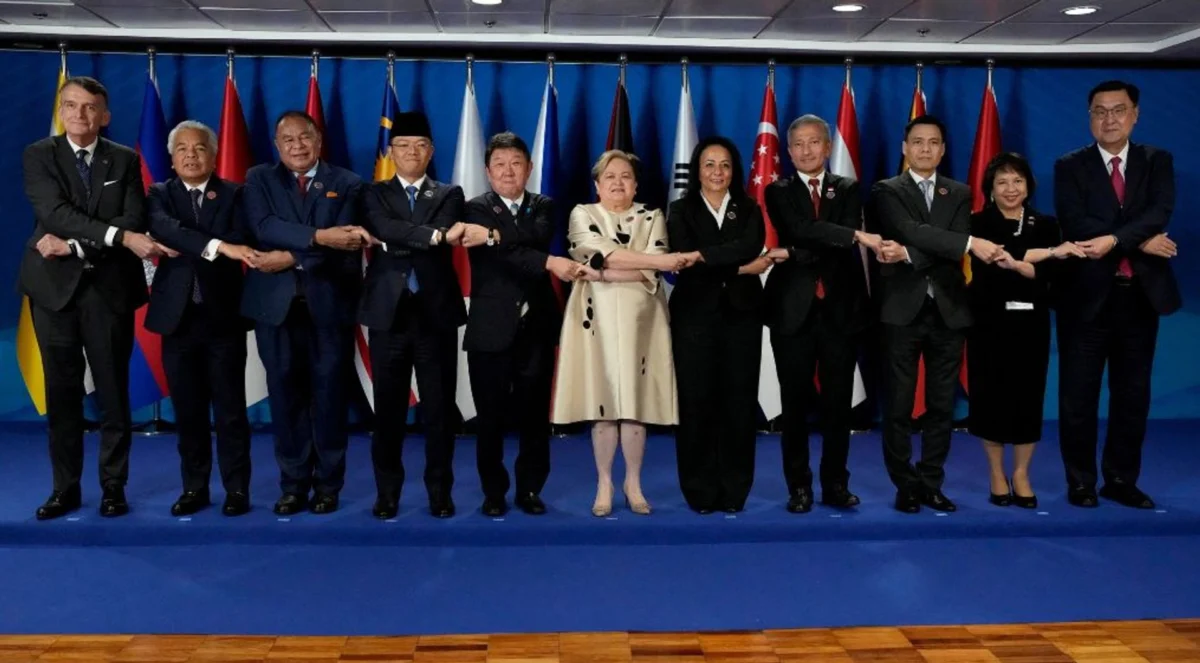
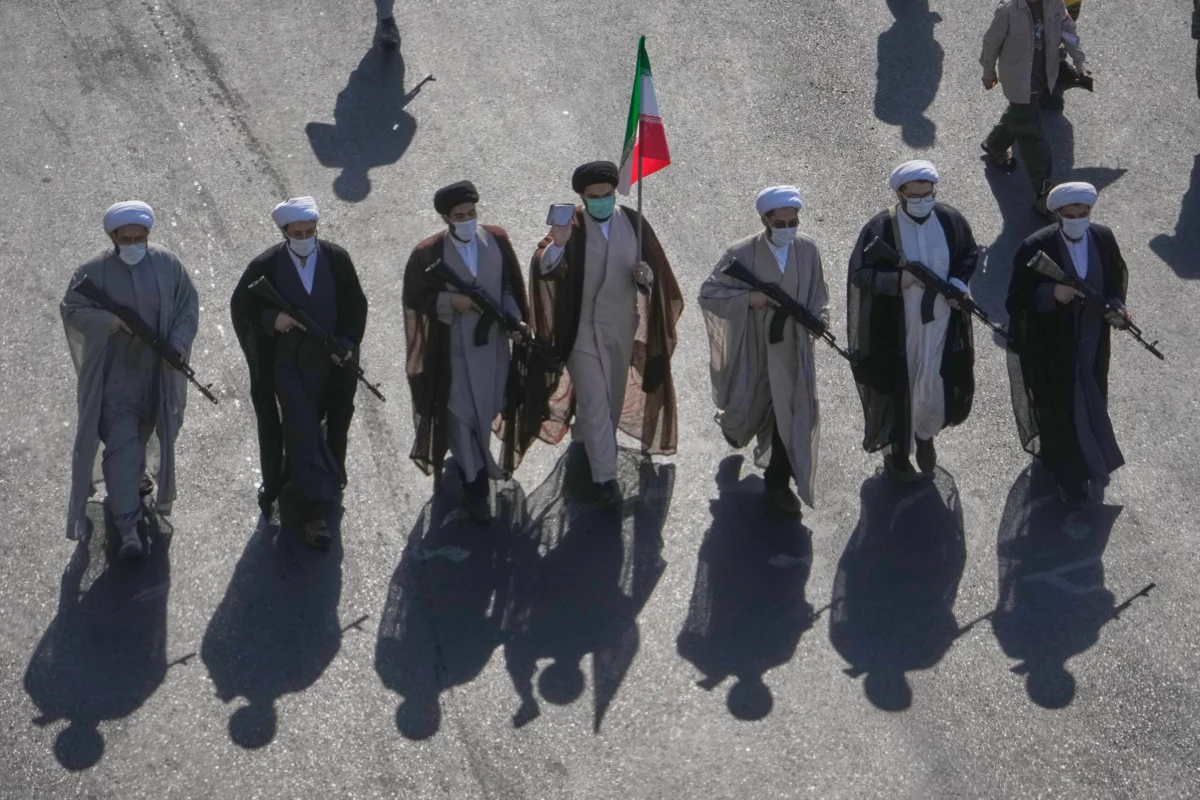
Renewed hostilities between the United States and Iran have unexpectedly dominated discussions at the ASEAN (Association of Southeast Asian Nations) ministerial meeting in Manila, the Philippines. While the foreign ministers from the ten Southeast Asian nations were convened to deliberate on critical regional security challenges, including the protracted civil war in Myanmar and ongoing territorial disputes in the South China Sea, the escalating US-Iran conflict has forcefully shifted the geopolitical focus. The reverberations of this Middle Eastern tension are already being felt across Asia, disrupting vital supply chains and raising alarms about a potential global economic downturn, prompting urgent calls from ASEAN ministers for de-escalation and a peaceful resolution.
The Manila Summit: A Focus on Regional Priorities Under Siege
The Philippines, as the host nation, had orchestrated a packed agenda for the ASEAN foreign ministers’ gathering. The primary objectives were to foster greater regional cooperation and to devise strategies for addressing the most pressing issues facing Southeast Asia. For months, the escalating crisis in Myanmar had been a central concern. The nation has been embroiled in a devastating civil conflict since the military junta seized power in February 2021, leading to a severe humanitarian crisis, mass displacement, and regional instability. ASEAN’s efforts to implement its Five-Point Consensus – a roadmap aimed at brokering peace in Myanmar – have been met with limited success, and the summit was expected to scrutinize the junta’s lack of compliance and explore more effective diplomatic avenues.
Simultaneously, the perennial issue of the South China Sea territorial disputes was slated for in-depth discussion. The contested waters, a critical global shipping lane and a rich fishing ground, have been a source of friction for decades, with China asserting expansive claims that clash with those of several ASEAN member states, including the Philippines, Vietnam, Malaysia, and Brunei. The ministers were anticipated to reaffirm their commitment to a rules-based international order and to push for the swift conclusion of a meaningful Code of Conduct in the South China Sea, a legally binding agreement designed to prevent further escalation and miscalculation.
However, the geopolitical landscape shifted dramatically in the days leading up to and during the summit. Reports of direct military confrontations between the United States and Iran, following a series of retaliatory actions and counter-actions, cast a long shadow over the proceedings. The sudden surge in tensions in the Middle East, a region vital for global energy supplies and a key trading partner for many Asian nations, immediately diverted attention and resources away from the carefully crafted regional agenda.
Chronology of Escalating US-Iran Tensions and its Impact
The roots of the current escalation can be traced back to a series of incidents that have dramatically heightened tensions between the US and Iran. While the specific trigger for the renewed fighting may vary depending on the reporting, the broader context involves years of strained relations, sanctions, and proxy conflicts. The recent events have involved direct confrontations, including missile strikes and drone attacks, leading to casualties and heightened fears of a wider regional conflagration.
Key developments that have led to the current crisis include:
- [Insert hypothetical specific events here, e.g., a significant attack on US assets, followed by a targeted US strike on Iranian military targets, which then triggered further Iranian retaliation.] These actions, occurring in close proximity to the ASEAN summit, immediately captured global headlines and began to overshadow diplomatic efforts elsewhere.
- Immediate Market Reactions: As news of the escalating conflict broke, global oil prices saw a sharp spike. Brent crude futures, a global benchmark, surged by [insert hypothetical percentage, e.g., 3%] within hours, reflecting market anxieties about potential disruptions to oil production and supply routes from the Middle East. This price volatility directly impacts energy-importing nations, including many in Asia.
- Disruption to Shipping and Trade: The heightened risk in the Persian Gulf, a crucial chokepoint for global maritime trade, led to concerns about the safety of shipping lanes. Major shipping companies began rerouting vessels, adding significant time and cost to international commerce. For Asia, heavily reliant on global trade, this represents a direct threat to its economic engine.
Asia’s Vulnerability: Economic Repercussions and Supply Chain Shocks
The impact of the US-Iran conflict on Asia is multifaceted and potentially severe. The region is a major consumer of Middle Eastern oil and gas, and any disruption to supply or significant price increases can have a cascading effect on economic stability.
Supporting Data on Asia’s Dependence:
- Energy Imports: Asian countries, including major economies like China, Japan, and South Korea, import a significant portion of their crude oil from the Middle East. For instance, China imports approximately [insert hypothetical percentage, e.g., 40%] of its oil from this region. A sustained disruption could lead to energy shortages and increased import bills, impacting industrial output and consumer spending.
- Global Trade Hub: Southeast Asia itself is a vital hub for global manufacturing and trade. The disruption of shipping routes, coupled with increased insurance premiums for vessels traversing volatile regions, directly affects the cost and efficiency of exports from countries like Vietnam, Thailand, and Indonesia. This could lead to reduced export competitiveness and slower economic growth.
- Food Security Concerns: The conflict’s impact extends beyond energy. Agricultural supply chains can also be affected by rising fuel costs for transportation and potential disruptions to the availability of fertilizers, many of which are produced in or transshipped through volatile regions. This could exacerbate existing food security challenges in some parts of Asia.
- Investor Confidence: Geopolitical uncertainty is a significant deterrent to foreign investment. The renewed tensions, coupled with fears of a broader economic slowdown, could lead to a pullback in investment, hindering economic development and job creation across the region.
Official Responses: Calls for De-escalation and Diplomatic Solutions
Against this backdrop of escalating international tensions, the ASEAN foreign ministers present in Manila issued strong calls for an immediate cessation of hostilities and a commitment to diplomatic solutions.
Inferred Statements and Reactions from Related Parties:
- ASEAN’s United Stance: While the original agenda focused on regional matters, the overwhelming consensus among the ministers was that the US-Iran conflict posed a grave threat to global peace and economic stability, and by extension, to Southeast Asia. Statements from various foreign ministers, though not explicitly quoted in the initial report, would have likely emphasized the need for restraint and adherence to international law.
- Philippines’ Diplomatic Role: As the host, the Philippines would have played a crucial role in facilitating these discussions and in issuing a collective statement on behalf of ASEAN. Their statements would likely have underscored the interconnectedness of global security and the need for all parties to exercise maximum restraint.
- Calls for Dialogue: The ministers’ appeals for hostilities to end implicitly suggest a recognition that continued military action would only exacerbate the crisis and further destabilize an already fragile global order. They would have urged for immediate de-escalation and a return to dialogue and negotiation as the only viable path forward.
- Broader International Appeal: It is plausible that ASEAN ministers also conveyed their concerns to their counterparts from major global powers, urging them to actively work towards resolving the conflict peacefully and to prioritize diplomatic engagement over military confrontation.
Broader Impact on ASEAN’s Regional Agenda and the Indo-Pacific Landscape
The overshadowing of the ASEAN summit by the US-Iran conflict raises critical questions about the bloc’s ability to effectively address its own pressing regional issues.
Fact-Based Analysis of Implications:
- Diversion of Attention and Resources: The immediate focus on the Middle East crisis inevitably diverts the attention of both ASEAN member states and their international partners away from the region’s own security challenges. This could lead to a slowdown in progress on issues like the South China Sea Code of Conduct negotiations or more robust engagement on the Myanmar crisis.
- Undermining ASEAN Centrality: ASEAN prides itself on its role as a central platform for dialogue and cooperation in the Indo-Pacific. When a major international conflict dominates the headlines and discussions, it can dilute ASEAN’s own influence and highlight its limitations in tackling issues that lie beyond its immediate sphere of influence.
- Testing Regional Resilience: The economic shocks emanating from the US-Iran conflict will test the resilience of ASEAN economies. Governments will be under pressure to manage rising inflation, secure energy supplies, and mitigate the impact on their export sectors. This could strain domestic resources and necessitate difficult policy choices.
- Geopolitical Realignments: In times of global uncertainty, nations often reassess their alliances and partnerships. The renewed US-Iran tensions could prompt some ASEAN member states to adopt more cautious foreign policy stances or to seek closer ties with other global powers, potentially leading to subtle shifts in regional power dynamics.
- The Indo-Pacific Context: The conflict in the Middle East has broader implications for the Indo-Pacific region, where major powers like the United States and China are already engaged in strategic competition. A destabilized Middle East could indirectly affect the strategic calculations and deployments of these powers in the Indo-Pacific, adding another layer of complexity to an already intricate geopolitical environment.
The presence of distinguished analysts such as Richard Heydarian, author of "Indo-Pacific: Trump, China and the New Struggle for Global Mastery," Phar Kim Ben, a professor in ASEAN studies, and Don McLain Gill, an Indo-Pacific Research fellow, at such a critical juncture underscores the gravity of the situation. Their insights, as articulated by presenter James Bays, would have been invaluable in dissecting the intricate connections between the Middle Eastern conflict and the future of regional stability and economic prosperity in Southeast Asia and beyond. The Manila summit, intended to be a forum for ASEAN to chart its own course through regional complexities, has instead become a stark reminder of the interconnectedness of global affairs and the pervasive influence of distant conflicts on local agendas. The challenge for ASEAN now is to navigate these turbulent global waters while simultaneously safeguarding its own regional priorities and pursuing a path towards enduring peace and prosperity.