Jono Maryono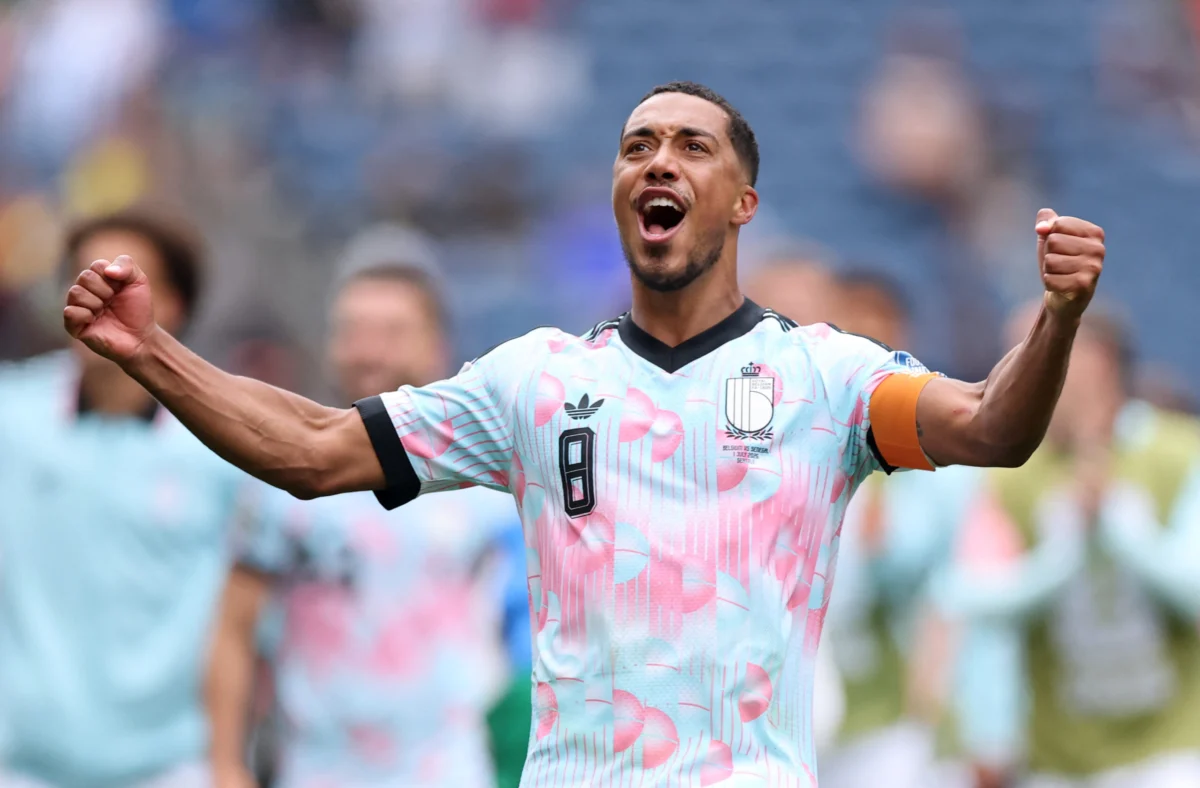
The roar of the Seattle crowd was deafening, a cacophony of disbelief and elation, as Youri Tielemans calmly slotted home a penalty in the 125th minute, sealing Belgium’s improbable 3-2 victory over Senegal in a World Cup Round of 32 clash. This dramatic turnaround, orchestrated from a seemingly insurmountable 2-0 deficit, has propelled the Red Devils into the next round, keeping their World Cup aspirations alive in a match that will undoubtedly be etched into the annals of tournament history. The late strike, awarded after a VAR review following a foul by Lamine Camara on Tielemans in the dying moments of extra time, capped a breathtaking period of play that saw Belgium erase Senegal’s lead in the final minutes of regulation.
A Game of Two Halves and a Stunner Ending
Senegal, who had largely controlled the proceedings for the first 90 minutes and even struck the woodwork twice, appeared to be cruising towards a well-deserved victory. Goals from Habib Diarra in the 25th minute and Ismaila Sarr in the 51st minute had gifted them a comfortable advantage. Diarra’s opener was a testament to their early dominance, capitalizing on a rebound after Sarr’s header had rattled the post. The second goal was a moment of individual brilliance from Sarr, who expertly controlled a long pass from Moussa Niakhate, shrugged off two defenders, and unleashed a thunderous shot into the net.
However, football, as it so often proves, is a game of fine margins and unpredictable twists. With their World Cup hopes teetering on the brink of oblivion, Belgium, who had struggled to create meaningful chances for much of the match, staged a remarkable resurgence in the final four minutes of regulation time. The introduction of Romelu Lukaku at halftime proved to be a masterstroke, and it was the powerful striker who ignited the comeback. In the 86th minute, Lukaku found the back of the net at the near post from a low cross by Thomas Meunier, injecting a much-needed dose of belief into the Belgian ranks. Just three minutes later, in the 89th minute, Leandro Trossard delivered a ball into the box from deep, and Youri Tielemans, who had been involved in a seemingly heated exchange with Lukaku earlier in the game, rose to head the equalizer, sending the Belgian contingent into delirium and forcing the match into extra time.
The first period of extra time saw both teams exhibit signs of fatigue, with neither side able to break the deadlock. The intensity of the match, coupled with the emotional rollercoaster of the late comeback, had taken its toll. As the clock ticked towards the final whistle of extra time, it appeared that penalties would decide the fate of this enthralling encounter. But in the 125th minute, the drama intensified. A Belgian attack saw the ball flash across the face of Senegal’s goal. Lamine Camara, in a desperate attempt to clear, slid into Youri Tielemans. The referee initially waved play on, but a lengthy VAR review ensued, ultimately leading to the awarding of the penalty. Tielemans, displaying nerves of steel, stepped up and coolly dispatched the spot-kick into the top corner, completing one of the most dramatic comebacks in recent World Cup memory.
A Dissecting of the Tactical Battle and Key Moments
Senegal’s performance was characterized by tactical discipline and moments of individual brilliance, particularly in the first half. Their midfield, marshaled by players like Pape Matar Sarr and Idrissa Gueye, effectively stifled Belgium’s attacking forays for large periods. The African champions’ ability to exploit the flanks, coupled with their potency on the counter-attack, made them a constant threat. The woodwork proved to be a cruel adversary for Senegal, denying them a more comfortable lead on multiple occasions. Ismail Jakobs’ early cross from the left was brilliantly parried by Belgian goalkeeper Thibaut Courtois, only for a stretching Sarr to steer the subsequent loose ball onto the post. Later, Sarr’s header from Sadio Mané’s cross also met the same fate, hitting the post before falling to Diarra for the opening goal.
Belgium, on the other hand, struggled to find their rhythm for much of the match. Their midfield looked disjointed, and their attacking threat was largely nullified by Senegal’s organized defense. The halftime introduction of Romelu Lukaku marked a significant tactical shift. His presence in the box provided a focal point for Belgium’s attack, and his ability to hold up play and create space for his teammates proved invaluable. The late surge of goals demonstrated a remarkable display of resilience and fighting spirit, qualities often associated with successful tournament teams. The coordination between Lukaku and Trossard in the build-up to the equalizer, and Tielemans’ clinical finish, showcased a newfound chemistry that emerged in the dying moments of the game.
Statistical Snapshot of a Dramatic Encounter
The statistics from the match paint a picture of a closely contested affair, albeit one with a significant swing in momentum. While Senegal may have had more shots on target during the initial 90 minutes, Belgium’s late surge and extra-time prowess proved decisive.
- Possession: The ball possession was relatively even, with Senegal holding a slight edge for much of the game, reflecting their control of the play.
- Shots: While the exact number of shots might fluctuate slightly depending on the source, the crucial aspect was the timing of Belgium’s shots on target in the latter stages.
- Corners: Both teams earned a respectable number of corners, indicating periods of pressure in and around the opponent’s penalty area.
- Fouls and Cards: The match saw a number of fouls, as is typical in intense knockout fixtures. The VAR review leading to the decisive penalty highlights the critical role of technology in modern football.
The Broader Implications for Belgium and African Football
Belgium’s victory has significant implications for their World Cup campaign. Having escaped elimination in such dramatic fashion, they will carry a renewed sense of confidence and belief into the next round. This comeback victory could be the catalyst they need to go deep into the tournament, especially given the perceived weakness of some of the other traditional powerhouses. The Red Devils will now face the winner of the highly anticipated clash between co-hosts United States and Bosnia and Herzegovina. This next fixture, also scheduled to be played in Seattle, will present another significant challenge, but one they will approach with newfound optimism.
For Senegal, this defeat is a bitter pill to swallow. They become the fourth African nation to bow out of the tournament at the Round of 32 stage, following South Africa, Ivory Coast, and the Democratic Republic of the Congo. Their performance, particularly their dominant display for large parts of the match, deserved a different outcome. The lingering question for Senegal will be how they managed to let a two-goal lead slip away in such a short space of time. Their exit underscores the immense competitiveness of African football on the global stage, but also highlights the fine margins that often separate success from disappointment in high-stakes tournaments. The development of African football continues to be a narrative of progress and resilience, with teams consistently demonstrating the talent and tactical acumen to compete with the world’s best.
Looking Ahead: Belgium’s Path and the Future of African Representation
The Red Devils’ progression means they will continue their quest for World Cup glory, with their next match promising to be another test of their mettle. The mental fortitude displayed in coming back from behind twice, especially in the dying moments of regulation and then securing the win in extra time, will be invaluable. Manager Roberto Martínez, while likely relieved, will also be analyzing the periods of the game where his team struggled, aiming to address any lingering weaknesses before facing tougher opposition.
Senegal’s departure marks the end of their World Cup journey for this cycle. However, the team’s performance, particularly their ability to establish a commanding lead against a highly-rated European side, offers a glimpse into the potential of African football. The experience gained in such a high-pressure environment will be crucial for the development of their players and the future of the national team. The resilience and fighting spirit showcased by Belgium serve as a reminder that in the World Cup, the final whistle is not blown until it is truly blown, and that hope, even when seemingly extinguished, can be reignited with a surge of determination and a touch of late-game magic. The echoes of the Seattle crowd’s roar will undoubtedly resonate with both the victors and the vanquished, a testament to the unforgettable drama that unfolded on the pitch.