Ferry Irwandi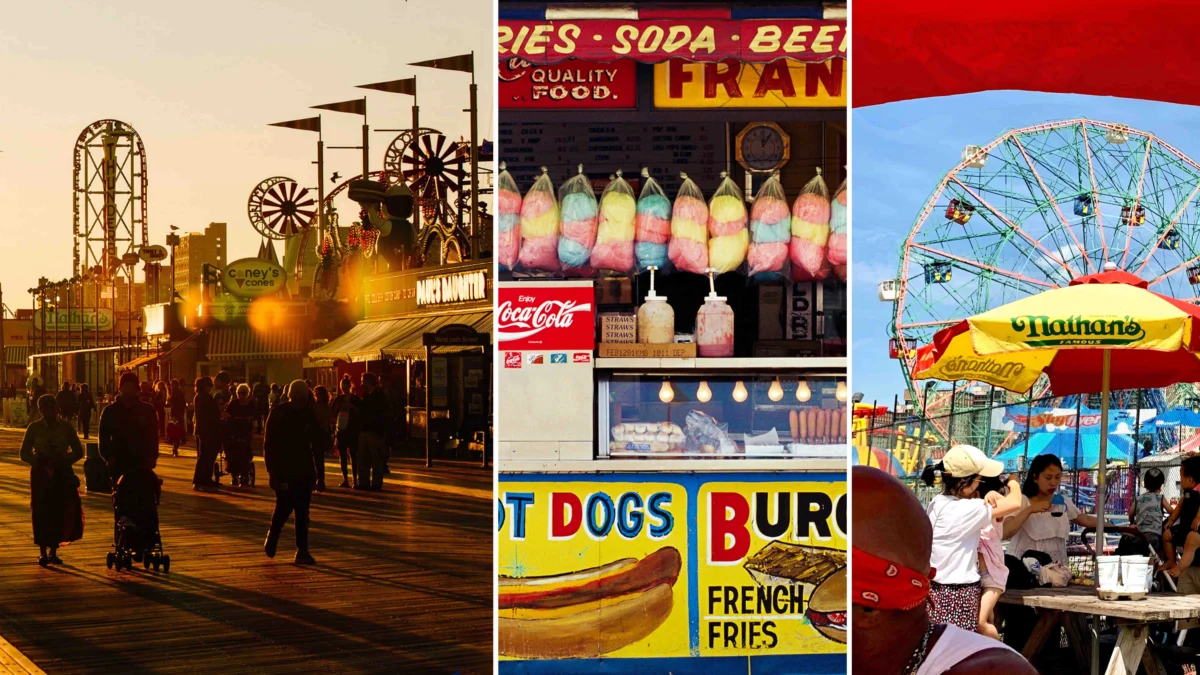
Coney Island, a peninsula in southwestern Brooklyn, continues to function as a primary destination for both New York City residents and international tourists, maintaining its status as a unique enclave of seaside entertainment and diverse culinary offerings. Since its initial development as a miniature resort town in the 19th century, the neighborhood has weathered economic shifts, urban renewal projects, and natural disasters to remain the only location within the five boroughs where traditional amusement park culture, including roller coasters and sideshow performances, remains active. The area serves as a microcosm of New York’s broader history, reflecting transitions from high-society retreats to the "Nickel Empire" of the working class, and eventually to its current state as a revitalized entertainment district that balances historic preservation with modern commercial interests.
The contemporary landscape of Coney Island is defined by a 2.7-mile long boardwalk, officially known as the Riegelmann Boardwalk, which serves as the central artery connecting major institutions such as the New York Aquarium, Maimonides Park—the home stadium for the Brooklyn Cyclones—and the Coney Island Amphitheater. During the peak summer season, the neighborhood experiences a significant surge in foot traffic, particularly on Friday evenings when fireworks displays and the illuminated rides of Luna Park create a high-density environment of leisure and commerce. While the area is synonymous with traditional carnival fare, such as funnel cakes and fried seafood, the culinary ecosystem of Coney Island has expanded to include high-quality regional international cuisines and historic establishments that have achieved landmark status in the American gastronomic tradition.
A Chronology of Development and Resilience
The historical trajectory of Coney Island is marked by distinct eras of expansion. In 1829, the Coney Island House was established, marking the beginning of the area’s identity as a resort. By the late 19th and early 20th centuries, the "Big Three" amusement parks—Steeplechase Park (1897), Luna Park (1903), and Dreamland (1904)—solidified the neighborhood’s reputation as the world’s most famous amusement center. However, the mid-20th century brought challenges, including the rise of the automobile, which allowed travelers to visit more distant beaches, and the urban planning policies of Robert Moses, which introduced large-scale residential housing projects that altered the neighborhood’s density.

In 2009, the New York City Council approved a comprehensive rezoning plan for Coney Island, designating 27 acres as a permanent amusement and entertainment district. This legislative move was intended to spur investment while protecting the area from residential encroachment. The subsequent reopening of Luna Park in 2010 by Central Amusement International (CAI) marked a turning point in the neighborhood’s revitalization. Despite the devastating impact of Hurricane Sandy in 2012, which caused millions of dollars in damages to local businesses and the New York Aquarium, the district has shown remarkable resilience, with continuous infrastructure improvements and a steady increase in seasonal employment.
Institutional Pillars: Paul’s Daughter and the Boardwalk Identity
Located at 1001 Riegelmann Boardwalk, Paul’s Daughter stands as a testament to the longevity of family-owned enterprises in the district. Recognizable by the iconic oversized rooftop figures of a man with a burger and a woman with a beer, the establishment has become a visual landmark of the Coney Island skyline. Beyond its aesthetic contribution, the restaurant represents the traditional boardwalk service model, offering a range of classic American fare.
While the establishment gained renewed national attention as a filming location for the television series And Just Like That…, its primary value lies in its role as a high-volume provider of both seafood and standard concessions. In an environment often dominated by quick-service franchises, Paul’s Daughter maintains a menu that includes lobster rolls and freshly shucked littleneck clams, catering to a demographic that seeks a more elevated seaside dining experience without departing from the informal atmosphere of the boardwalk.
Totonno’s Pizzeria Napolitana: A Century of Culinary Heritage
Further inland at 1524 Neptune Avenue, Totonno’s Pizzeria Napolitana represents one of the most significant culinary landmarks in the United States. Established in 1924 by Anthony "Totonno" Pero, an immigrant who previously worked at Lombardi’s (the first licensed pizzeria in America), the restaurant has been operated by the same family for a century. Totonno’s is often cited by food historians and critics as a primary example of the evolution of the New York-style coal-fired pizza.

The operational model of Totonno’s reflects a commitment to tradition over commercial expansion. The restaurant typically operates on a limited schedule, often only on weekends for a few hours, and maintains a minimalist menu consisting of traditional and white pies. The persistence of this business model, even in the face of modern delivery apps and fast-casual competition, highlights the demand for artisanal heritage. For visitors, the ten-minute walk from the amusement zone to Neptune Avenue is considered a necessary pilgrimage for experiencing a product that has remained largely unchanged since the early 20th century.
The Influence of Brighton Beach: Georgian Corner
The cultural boundaries of Coney Island are porous, particularly on its eastern edge where it meets Brighton Beach, a neighborhood known for its high concentration of immigrants from former Soviet republics. This demographic influence is crystallized at Georgian Corner, located at 626 Sheepshead Bay Road. As Georgian cuisine has gained popularity across New York City for its unique use of walnuts, pomegranate, and diverse spices, this cafe provides a critical link between the amusement district and the culinary traditions of the Caucasus.
Georgian Corner serves as a vital resource for both the local community and tourists looking for alternatives to standard fried concessions. The menu features staples such as acharuli khachapuri (cheese-filled bread topped with an egg), khinkali (soup dumplings), and kharcho (a traditional beef and rice soup). The presence of such specialized international offerings indicates the shifting tastes of the Coney Island visitor and the neighborhood’s role as a gateway to the broader ethnic diversity of South Brooklyn.
Doña Zita and the Modernization of Street Fare
Within the heart of the amusement zone at 1221 Bowery Street, Doña Zita illustrates the integration of Mexican culinary traditions into the Coney Island experience. The restaurant is particularly noted for its cemitas—traditional sandwiches from the Puebla region of Mexico—which utilize specific ingredients such as pápalo (a pungent herb) and Oaxaca cheese.

Doña Zita also reflects contemporary trends in "fusion" street food, offering items like elotes (Mexican street corn) encrusted with crushed Takis, a snack food that has become a staple of modern youth culture. The inclusion of a dedicated michelada stand and an enclosed patio provides a functional respite for visitors, demonstrating how local businesses are adapting to provide more comprehensive service amenities within the high-density carnival environment.
Nathan’s Famous: A Global Brand with Local Roots
No analysis of Coney Island’s economic or cultural impact is complete without Nathan’s Famous, located at the intersection of Surf and Stillwell Avenues. Founded in 1916 by Nathan Handwerker, the business began as a small nickel hot dog stand and has since evolved into a multinational corporation. The flagship location remains a critical anchor for the neighborhood, situated directly across from the Stillwell Avenue subway terminal, which serves as the terminus for the D, F, N, and Q lines.
Nathan’s is more than a food service provider; it is a marketing powerhouse that hosts the annual Hot Dog Eating Contest every July 4th. This event draws international media coverage and tens of thousands of spectators, generating significant economic activity for the entire district. The flagship’s extensive menu, which includes historic oddities such as fried frog legs alongside its world-famous hot dogs and crinkle-cut fries, allows it to function as both a late-night convenience and a historical museum of American fast food.
Economic Data and Future Implications
The economic health of Coney Island is closely tied to its accessibility and seasonal performance. According to Metropolitan Transportation Authority (MTA) data, the Stillwell Avenue station frequently sees some of the highest weekend ridership numbers in the Brooklyn borough during the summer months. Furthermore, the New York City Economic Development Corporation (NYCEDC) has noted that the amusement district supports thousands of seasonal jobs, providing critical entry-level employment for local youth.

However, the neighborhood faces ongoing challenges. The seasonal nature of the amusement industry creates a "boom and bust" cycle that can be difficult for small businesses to navigate during the winter months. Additionally, as a low-lying coastal area, Coney Island remains at the forefront of discussions regarding climate change and sea-level rise. City planners and environmental experts continue to evaluate long-term strategies for coastal resiliency to ensure that the "People’s Playground" remains viable for future generations.
In conclusion, Coney Island’s enduring appeal lies in its ability to synthesize the historical with the contemporary. It remains a place where 100-year-old pizzerias exist alongside modern concert venues and diverse immigrant-run cafes. As the neighborhood continues to evolve, it maintains a core identity that is fundamentally rooted in the democratization of leisure, offering a sensory and culinary experience that remains distinct within the landscape of New York City.