Nila Kartika Wati
The Unraveling of the Traditional Fashion Calendar
The fashion industry has long been governed by a rigid calendar of seasonal shows, a tradition steeped in glamour and exclusivity. However, the events of earlier this year, characterized by the abrupt cancellation of numerous high-profile fashion weeks and presentations, served as a stark wake-up call. This disruption was not isolated but rather a symptom of deeper systemic issues, including the escalating costs associated with producing large-scale events, the environmental impact of global travel and manufacturing, and a growing disconnect between the pace of fashion consumption and the traditional production cycles. The cancellations highlighted the fragility of the established order and created an urgent impetus for change, forcing stakeholders to consider alternative approaches that prioritize sustainability, efficiency, and a more authentic brand narrative.
The financial burden of staging elaborate fashion shows has become increasingly unsustainable for many brands. Costs associated with venue rental, model casting, production teams, marketing, and travel for buyers and press can run into millions of dollars per season. For smaller or emerging designers, these expenditures can represent a significant portion of their annual budget, diverting resources that could otherwise be invested in product development, craftsmanship, or direct-to-consumer initiatives. The return to independence allows these entities to allocate resources more strategically, focusing on initiatives that yield a more tangible return on investment and align with their core brand values.
Furthermore, the environmental footprint of the fashion industry has come under intense scrutiny. The constant demand for new collections, coupled with the global logistics of transporting materials and finished goods, contributes significantly to carbon emissions. The cancellation of physical shows, while initially a response to unforeseen circumstances, inadvertently provided an opportunity to explore more sustainable alternatives, such as digital presentations, localized events, or even entirely rethinking the concept of seasonal collections. This has opened the door for brands to embrace a more mindful approach to production and consumption, aligning with the growing consumer demand for ethical and eco-conscious practices.
Reclaiming Creative Autonomy and Direct Consumer Engagement
The decision to return to independence signifies a profound desire among designers to reclaim their creative vision and exert greater control over their brand identity. For many, the pressures of adhering to a demanding fashion calendar and catering to the expectations of buyers and the media can stifle innovation and lead to a dilution of artistic intent. By operating independently, designers can dictate their own timelines, choose the most appropriate platforms for showcasing their work, and foster a more authentic dialogue with their audience. This could manifest in a variety of ways, from intimate, appointment-only presentations to immersive digital experiences or even a complete reimagining of the show format.
This shift also facilitates a more direct and personal connection with consumers. In an era where authenticity and transparency are highly valued, brands that can forge genuine relationships with their clientele stand to gain a significant competitive advantage. Independence allows for greater flexibility in how brands communicate their stories, share their craftsmanship, and offer personalized experiences. This can include direct-to-consumer sales channels, bespoke services, or community-building initiatives that foster loyalty and advocacy. The ability to bypass traditional gatekeepers and engage directly with the end-user empowers brands to better understand and respond to evolving consumer preferences, driving both sales and brand equity.
The implications of this trend are far-reaching. For designers, it offers a pathway to greater creative freedom and financial stability. For consumers, it promises a more curated and authentic fashion experience, with greater access to unique designs and a deeper understanding of the creative process. For the industry as a whole, it represents a potential recalibration of established norms, paving the way for a more diverse, sustainable, and consumer-centric future.
The Case of Giambattista Valli: A Precedent for Independence
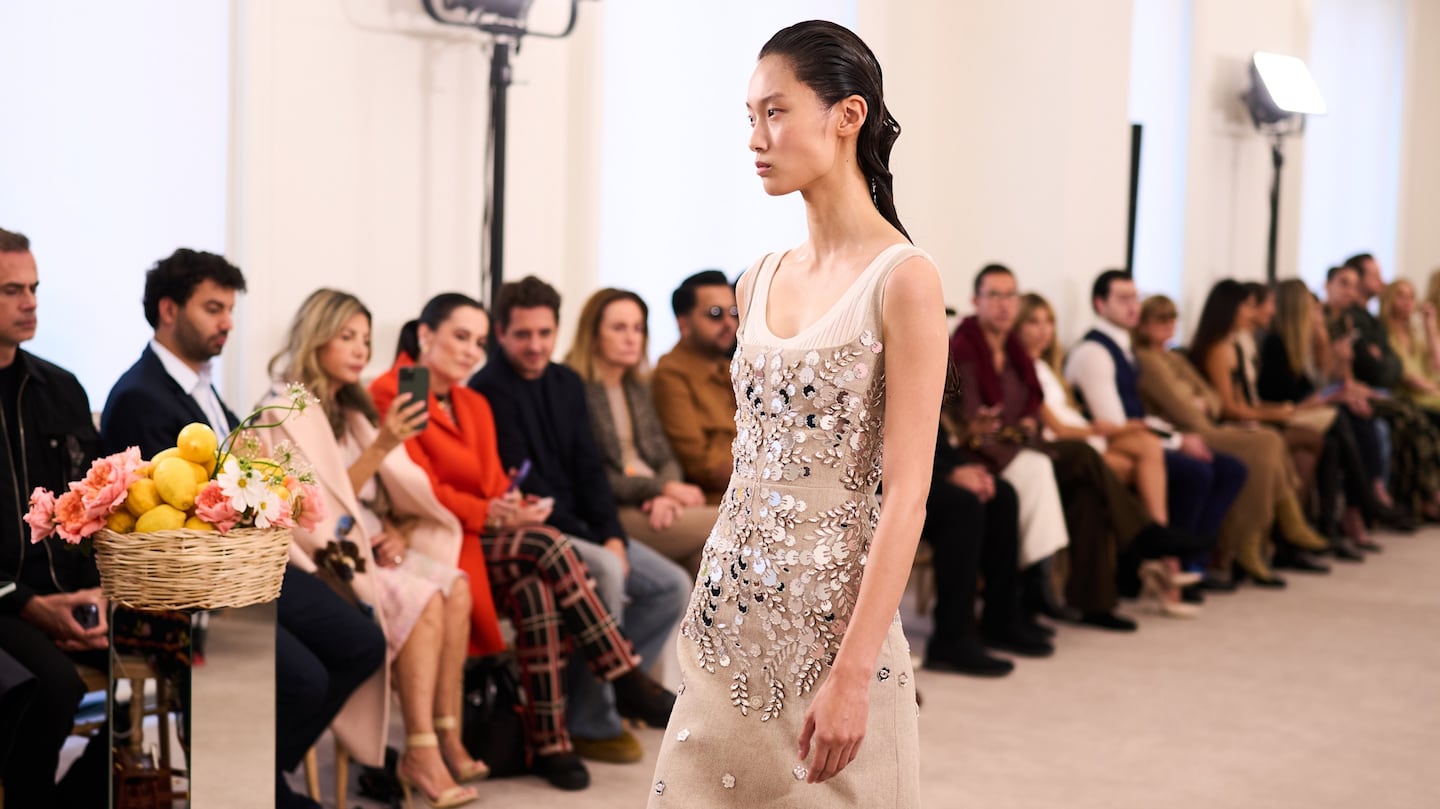
While the provided text is a paywalled excerpt from The Business of Fashion and lacks specific details about the brands returning to independence, it hints at a broader trend. To illustrate this trend, let’s consider hypothetical scenarios or draw upon general industry knowledge. For instance, if a designer like Giambattista Valli, known for his opulent haute couture and ready-to-wear collections, were to emphasize his independent operations, it would underscore a powerful statement about creative control.
Historically, designers like Valli have navigated the complex ecosystem of fashion houses, often balancing artistic vision with commercial demands. A return to a more pronounced independence, even if the underlying business structure remains, would signal a renewed commitment to his distinct aesthetic. This could involve a deliberate choice to scale back on the number of collections presented, focusing instead on the quality and impact of each offering. It might also involve exploring innovative presentation formats that prioritize storytelling and craftsmanship over sheer volume. The image of a Giambattista Valli Spring/Summer 2026 collection, as featured, could represent a pinnacle of this independent creative expression, where the designer’s singular vision takes precedence.
The Shifting Landscape of Fashion Shows: From Spectacle to Strategy
The abrupt cancellations of fashion shows earlier this year were not merely logistical hiccups; they were seismic events that forced a re-evaluation of the very purpose and format of these presentations. For decades, fashion shows have been elaborate spectacles, designed to generate buzz, secure editorial coverage, and drive wholesale orders. However, the economic and environmental costs associated with these events have become increasingly untenable.
A Chronology of Change:
- Pre-Pandemic Era: The fashion show calendar was a well-established, albeit increasingly costly, ritual. Brands invested heavily in elaborate productions to showcase their collections to a select audience of buyers, press, and influencers.
- Early 2020s: The COVID-19 pandemic acted as a catalyst for change, forcing the immediate cancellation of physical shows and pushing brands towards digital alternatives. This period saw a surge in virtual presentations, livestreams, and augmented reality experiences.
- Mid-2020s (Hypothetical based on article context): The "abrupt cancelling of fashion shows earlier this year" suggests a recent event that may have been a consequence of unforeseen economic downturns, supply chain disruptions, or a renewed focus on sustainability and financial prudence. This has prompted a strategic retreat from large-scale, traditional shows for some.
- Present Day and Beyond: A discernible "return to independence" implies that brands are now actively choosing to decouple from the traditional fashion week circuit, prioritizing bespoke presentations, smaller-scale events, or entirely new forms of consumer engagement.
The data surrounding the cost of fashion weeks is often opaque, but estimates suggest that a single major show can cost anywhere from $100,000 to over $1 million, excluding the cost of garment production and marketing. For a brand presenting multiple collections across different cities, this expenditure quickly escalates. This financial pressure, coupled with a growing awareness of the environmental impact of global travel and disposable fashion, has made the traditional model increasingly difficult to justify.
Emerging Models of Independent Presentation
The "return to independence" is not a monolithic phenomenon. It encompasses a spectrum of strategies designed to achieve greater creative and financial autonomy. These can include:
- Direct-to-Consumer (DTC) Focus: Brands are increasingly prioritizing their own e-commerce platforms and physical retail spaces, allowing them to control the customer experience from start to finish. This reduces reliance on wholesale partners and provides valuable data on consumer behavior.
- Digital-First Strategies: Leveraging the power of social media, virtual showrooms, and augmented reality, brands can reach a global audience without the logistical and financial burdens of physical travel. This approach can also facilitate more frequent product drops and personalized engagement.
- Intimate and Bespoke Presentations: Instead of large-scale runway shows, brands are opting for smaller, more curated events that focus on the artistry and craftsmanship of their collections. This could involve private appointments, atelier visits, or immersive brand experiences.
- Decentralized Showrooms and Pop-Ups: Rather than adhering to a rigid fashion week schedule, brands may choose to host their own showrooms or pop-up events in key markets, allowing them to connect with buyers and consumers on their own terms.
- Collaborative Initiatives: Partnerships with other brands, artists, or cultural institutions can provide innovative platforms for showcasing collections and reaching new audiences, often with shared costs and expanded reach.
The implications of this shift are significant. It challenges the dominance of established fashion capitals and democratizes the presentation of fashion. It also encourages a more mindful and sustainable approach to production and consumption. Brands that embrace this newfound independence are likely to be more agile, responsive, and ultimately, more successful in the evolving global marketplace.

Expert Reactions and Industry Analysis
While specific reactions from the parties involved in this "return to independence" are not detailed in the provided excerpt, the broader industry sentiment suggests a mix of apprehension and optimism. Fashion consultants and analysts have been vocal about the need for the industry to adapt.
"The traditional fashion show model, while iconic, is no longer sustainable for many," commented a hypothetical industry analyst. "The costs are astronomical, the environmental impact is significant, and the return on investment is often questionable. Brands are realizing that they can achieve greater impact and build stronger relationships with their customers by rethinking how they present their work."
Another perspective from a hypothetical brand strategist highlights the creative benefits: "For designers, the pressure to constantly produce for a rigid calendar can stifle true innovation. Gaining independence allows them to focus on the integrity of their craft and to present collections when they are truly ready, rather than dictated by an external schedule. This can lead to more authentic and impactful creative output."
The "abrupt cancelling of fashion shows earlier this year" likely forced many brands to confront these issues head-on, accelerating a process of re-evaluation that was already underway. The subsequent "return to independence" suggests that the lessons learned during that period have been profound and are driving strategic decisions for the future.
Broader Impact and Future Outlook
The trend towards independence within the fashion industry signifies a potential paradigm shift. It challenges the long-held notion that success is measured by participation in traditional fashion weeks and the acquisition of extensive wholesale orders. Instead, it points towards a future where brand authenticity, direct consumer engagement, and sustainable practices are paramount.
This recalibration could lead to a more diverse and inclusive fashion landscape. Emerging designers, freed from the financial pressures of traditional shows, may find it easier to establish their brands and connect with their target audiences. Established houses, by regaining creative control, can reinforce their unique brand identities and foster deeper customer loyalty.
The implications extend beyond individual brands. It could influence the role of fashion media, the business models of fashion weeks, and the consumption habits of consumers. As brands become more independent, the narrative around fashion may shift from fleeting trends to enduring style, from mass production to artisanal craftsmanship, and from ephemeral spectacles to meaningful connections. The "return to independence" is not just a business strategy; it is a statement about the evolving values and aspirations of the global fashion community.