Ronny Sianturi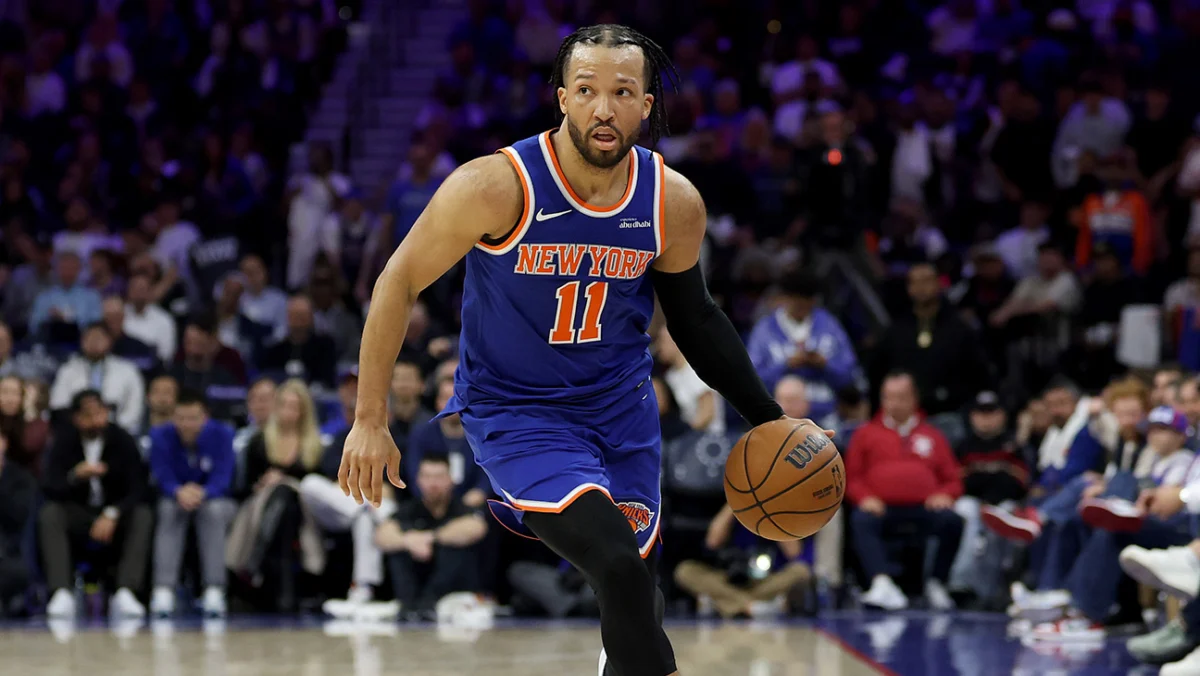
The evolution of sports broadcasting, particularly concerning live playoff events, presents a complex and often frustrating picture for dedicated fans. While the allure of cord-cutting and the promise of unbundling entertainment options remain strong, the current reality for many sports enthusiasts is one of fragmented access and escalating subscription costs. This was particularly evident during the recent NBA Playoffs, which saw a significant portion of games distributed across multiple streaming platforms, including Amazon Prime Video and Peacock, alongside traditional linear television networks like ESPN, ABC, and NBC.
The Fragmentation Dilemma: A Costly Proposition for Viewers
For consumers like many who still maintain traditional cable or satellite packages, the necessity of subscribing to additional streaming services to catch crucial playoff series represents a growing economic burden. The initial promise of streaming was often framed around cost savings and increased flexibility. However, as premium sports rights have increasingly migrated to these digital platforms, the economic calculus for many has become unfavorable. This fragmentation requires fans to navigate a labyrinth of services, often leading to confusion about where specific games will be broadcast and, in some instances, a need to subscribe to multiple platforms simultaneously to follow a single league or tournament.
A notable example of this trend involves Amazon Prime Video, which has become a significant player in live sports broadcasting, including a portion of the NBA Playoffs. While the convenience of two-day retail shipping associated with a Prime membership offers a tangible benefit that can offset the subscription cost for some, the requirement to subscribe to Prime Video specifically for sports content adds another layer to the already complex streaming landscape. This situation mirrors broader concerns about the increasing cost of accessing live sports, a trend that has been amplified by multi-year, multi-billion dollar media rights deals. For instance, the NBA itself has recently finalized a new media rights agreement worth an estimated $76 billion over seven years, with a significant portion of that revenue expected to be generated through streaming channels, signaling a continued shift away from traditional linear broadcasting for many key matchups.
Prime Video’s Streaming Infrastructure: Tested and Refined
Despite the initial hesitations surrounding the proliferation of streaming services for live sports, the execution of the NBA Playoffs on Amazon Prime Video has, for many viewers, been largely successful. This positive experience can be attributed, in part, to the technological advancements and infrastructure investments made by streaming providers. Amazon, in particular, has leveraged its experience with broadcasting live events like Thursday Night Football to refine its streaming capabilities. While isolated incidents, such as a brief video outage during a playoff game due to a production truck issue—a problem that would have affected any distribution method—have occurred, the overall presentation and reliability have met a high standard. This technical robustness is crucial for live sports, where even minor disruptions can detract significantly from the viewing experience.
The production quality associated with NBA on Prime has also been a point of praise. Amazon invested heavily in a state-of-the-art, 13,000-square-foot studio in Secaucus, New Jersey, featuring a regulation-sized half-court and an LED floor. This commitment to high-quality broadcasting, coupled with respected on-air talent like host Taylor Rooks and analyst Blake Griffin, has contributed to a professional and engaging presentation. The presence of familiar voices, such as longtime Nets broadcaster Ian Eagle, further enhances the connection for established fans, providing a sense of continuity amidst the changing broadcast landscape.
Peacock’s Entry and Growing Pains
Peacock, NBCUniversal’s streaming service, has also become a player in live sports broadcasting, notably carrying a portion of the NBA Playoffs. Similar to Amazon, Peacock has benefited from its association with established NBC Sports programming, including its significant investment in NFL rights for Sunday Night Football. This experience has helped to smooth out some of the initial "growing pains" associated with live streaming. However, as with any complex technological rollout, challenges can arise. An audio issue that occurred during the Western Conference Finals highlights the ongoing need for continuous refinement of streaming infrastructure. While NBC Sports’ iconic theme music, "Roundball Rock," may offer a degree of comfort, the technical glitches underscore the fact that streaming live sports is still a developing field, with occasional setbacks being part of the process.
The Broader Implications of Streaming Sports
The shift towards streaming for major sporting events carries significant implications for both consumers and the sports industry. For households with multiple internet-connected devices, streaming offers unparalleled flexibility. The ability to watch games across various screens—televisions, tablets, and smartphones—provides a personalized viewing experience that traditional linear television often cannot match. This flexibility is particularly valuable for families or individuals who may have competing viewing preferences or who wish to consume content outside of a traditional living room setup.
The NBA schedule, with its East Coast and West Coast time zone differences, lends itself well to streaming. West Coast games, which begin later in the evening, can serve as a passive viewing experience for those on the East Coast, allowing them to fall asleep to the broadcast. This contrasts with the often more rigid scheduling of linear television, which may not accommodate such varied viewing habits. Furthermore, the reliability of digital streaming, while not infallible, is increasingly comparable to that of traditional cable services, especially when considering potential issues like inclement weather that can disrupt satellite or cable signals.
The Future of Sports Fandom: Navigating a Digital Frontier
The landscape of live sports consumption is undeniably shifting. While the ideal of a singular, all-encompassing "sports heaven" as originally envisioned by networks like ESPN has been replaced by a more fragmented reality, the streaming era offers new avenues for engagement. For bars and restaurants looking to cater to sports fans, the need to adapt is paramount. Beyond traditional linear television, services like EverPass are emerging, offering bundled access to a wide array of streaming sports content, including national packages like ESPN+, NFL Sunday Ticket, Paramount+, Peacock Sports Pass, and Prime Video, as well as regional sports networks. This signifies a recognition of the diversified viewing habits of sports patrons.
Despite the progress, challenges remain. The existence of exclusive content on platforms like Peacock and the continued presence of packages like Friday Night Baseball on Apple, coupled with the occasional absence of prominent announcers for specific teams on certain platforms (though this is improving with major playoff broadcasts), means that some consumer complaints are entirely valid. The pursuit of perfection in live sports streaming is an ongoing endeavor. As the NBA Playoffs conclude and the baton passes to other leagues and broadcasters, the industry will continue to grapple with how to best serve a diverse fan base in an increasingly digital world. The ultimate success of this transition will be measured not just by technological prowess, but by the ability of broadcasters to deliver an accessible, reliable, and enjoyable viewing experience for all sports enthusiasts, regardless of their preferred platform.