Jono Maryono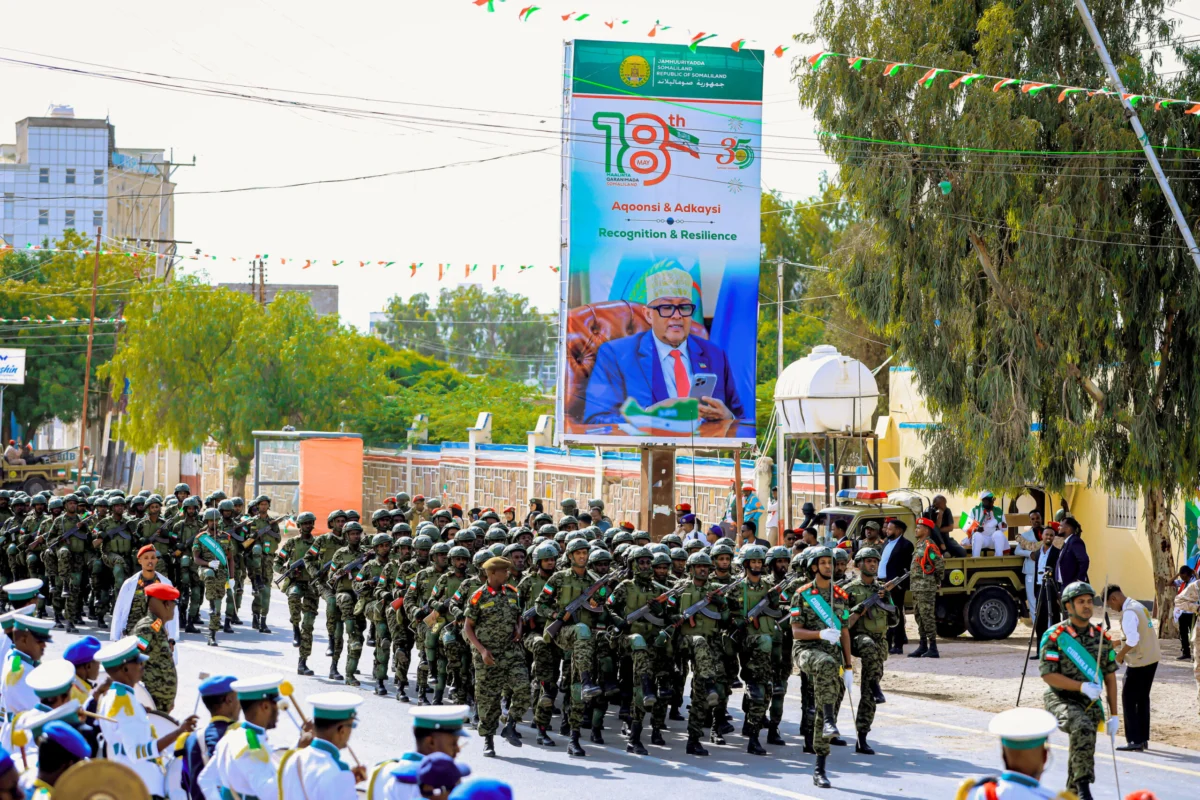
Somaliland marked its first year of de facto independence following a groundbreaking recognition by Israel, an event that has ignited both fervent celebration and deep-seated apprehension within the self-declared state. The momentous occasion, underscored by a year since Israel’s December decision to formally acknowledge Somaliland’s sovereignty – the first nation to do so since its declaration of autonomy from Somalia in 1991 – was observed with a significant military parade and vibrant traditional dances in the capital, Hargeisa. Thousands gathered, their excitement palpable, a testament to the long-held aspirations for international legitimacy.
President Abdirahman Mohamed Abdullahi, addressing the jubilant crowd, articulated Somaliland’s persistent quest for recognition. "Somaliland has fulfilled all the requirements of a responsible, peaceful, law-abiding and democratic nation," he declared. "The question Somaliland asks the world is no longer whether we deserve recognition, but when." This statement encapsulates the decades-long struggle for statehood, a journey marked by self-governance, relative stability, and a democratic framework that Somaliland leaders argue distinguishes it from the broader Somali federal government.
A Strategic Pivot: Somaliland’s Bid for Recognition
Somaliland’s leadership has consistently highlighted its strategic geopolitical advantages as a cornerstone of its bid for international acceptance. Situated on the strategically vital Gulf of Aden, adjacent to crucial international shipping lanes and in proximity to the conflict-ridden Yemen, the territory possesses a location that its proponents believe positions it as a significant military and trading hub. This geographical imperative, coupled with a self-professed commitment to democratic principles and stability, has been the bedrock of its diplomatic outreach to nations including the United States, the United Arab Emirates, and Ethiopia, hoping they would follow Israel’s precedent. However, as of this anniversary, broad international recognition remains elusive beyond Israel’s singular endorsement.
The African Union and a significant portion of the international community maintain a stance of opposition to formal recognition of Somaliland’s secession. This caution stems from a broader concern that endorsing such a move could inadvertently fuel and embolden other nascent separatist movements across the African continent, potentially leading to further instability and fragmentation. This continental consensus, built over decades of post-colonial nation-building, presents a formidable diplomatic hurdle for Somaliland.
Internal Divides and the Shadow of Gaza
Israel’s recognition, while a historic triumph for Somaliland’s secessionist movement, has paradoxically sown seeds of division within its predominantly Muslim population. While some segments of society have embraced the new relationship with enthusiasm, with Israeli flags appearing in homes and businesses as symbols of this newfound alliance, others view it with profound suspicion and apprehension. This latter group’s concerns are significantly amplified by the ongoing conflict in Gaza, where Israel’s military operations have led to widespread international condemnation and a humanitarian crisis.
Local activists have reported the arrest of dozens of individuals, including religious scholars and young men carrying Palestinian flags, during protests organized against the burgeoning ties with Israel. These demonstrations underscore the deep empathy many Somalilanders feel for the Palestinian cause and the moral complexities arising from their government’s alignment with Israel amidst the ongoing conflict. The stark contrast between the celebration of independence and the palpable grief and anger over events in Gaza has created a significant internal dissonance.
Unresolved Territorial Disputes and Humanitarian Concerns
Further complicating Somaliland’s claim to statehood and its international aspirations is the fact that it does not exercise full control over the territory it purports to govern. The recently established North East State of Somalia asserts authority over certain eastern regions, leading to ongoing tensions and past violent confrontations. In 2023, clashes erupted between Somaliland forces and local clans in these areas, resulting in significant civilian casualties and displacement. Reports from organizations such as Amnesty International detail extensive damage to civilian infrastructure, including hospitals, schools, mosques, and residential areas, with hundreds, if not thousands, killed or injured and approximately 200,000 people displaced.
Ahmed Ali Shire, a Member of Parliament representing the North East State from Las Anod – a city still bearing the visible scars of recent conflict – issued a stark warning: "The conflict will reignite." He further cautioned that Israel’s involvement risks echoing the detrimental foreign interference that exacerbated Somalia’s civil war in the 1980s. This perspective highlights the fear that external alliances could inadvertently reintroduce the very dynamics that led to protracted instability in the region.
A Year of Dual Realities: Hargeisa’s Hopes and Fears
Within Hargeisa itself, the prevailing sentiment is one of strong enthusiasm, yet it is far from unanimous. Dahir Omar Bile, a 42-year-old resident, voiced concerns that Israel’s conduct in Gaza could undermine Somaliland’s broader quest for international recognition. "Somaliland fought hard for its independence but I can’t trust [Israeli Prime Minister Benjamin] Netanyahu. He’s killed children the same age as my own," Bile stated, reflecting a widespread moral dilemma faced by many Somalilanders. This sentiment underscores the challenge of reconciling a pragmatic pursuit of statehood with deeply held ethical convictions.
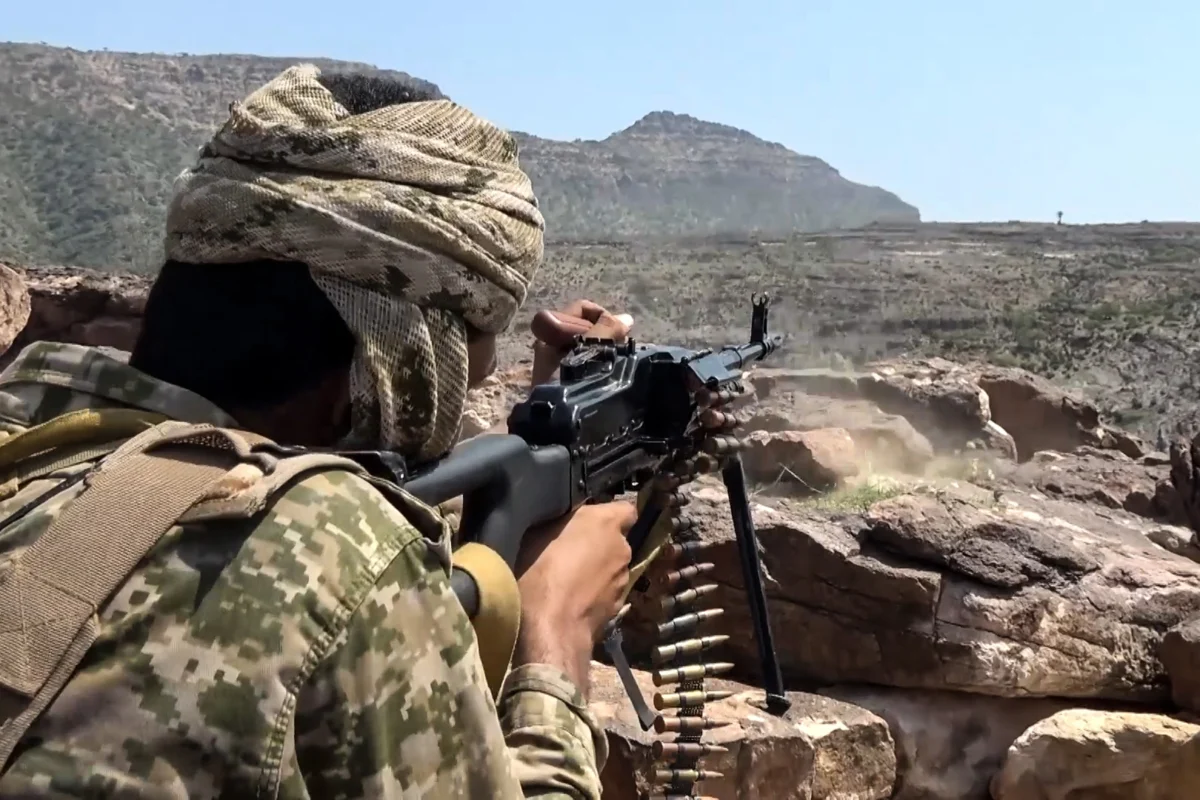
Adding another layer of complexity to Somaliland’s geopolitical position are the threats emanating from Yemen’s Houthi rebels, who are reportedly backed by Iran. The Houthis have issued warnings of potential strikes against Somaliland should Israel establish an expected military presence within its territory. "The Houthi threats have many people scared," Bile added, illustrating the tangible security concerns that have emerged in the wake of this new geopolitical alignment. This regional posturing casts a shadow over Somaliland’s future stability and its ability to leverage its strategic location without becoming embroiled in wider regional conflicts.
A Timeline of Somaliland’s Journey
Somaliland’s pursuit of statehood is a narrative spanning several decades, marked by periods of conflict, self-governance, and diplomatic engagement.
- 1960: Following independence from British rule, Somaliland unites with Italian Somaliland to form the Somali Republic.
- 1980s: Growing dissatisfaction with the central government leads to the formation of the Somali National Movement (SNM), which spearheads an armed rebellion against the Siad Barre regime.
- 1991: The collapse of the Siad Barre regime prompts Somaliland to unilaterally declare independence from Somalia. The region begins to establish its own governance structures, constitution, and institutions, while Somalia descends into civil war.
- 1990s – 2010s: Somaliland consolidates its internal stability and democratic processes, holding multiple elections and developing a functioning government. During this period, it engages in various diplomatic efforts to gain international recognition, often encountering resistance from the African Union and the international community due to concerns about secessionism.
- 2020s: Intensified diplomatic efforts, particularly in the Horn of Africa and the Middle East, lead to a series of significant developments.
- December 2023: Israel announces its decision to recognize Somaliland’s independence, marking a historic breakthrough and the first formal acknowledgment by a sovereign state. This decision is framed within a broader context of regional security and economic cooperation.
- First Anniversary (Date of original article): Somaliland celebrates its first year since Israel’s recognition, characterized by public festivities, military displays, and a renewed push for broader international acceptance, while simultaneously grappling with internal divisions, unresolved territorial disputes, and regional security threats.
Data and Analysis: The Economic and Diplomatic Landscape
Somaliland’s economic potential is a key factor in its strategic value. The territory boasts a coastline of approximately 850 kilometers along the Gulf of Aden, offering access to vital maritime trade routes. Its key ports, particularly Berbera, have seen significant investment and development, aiming to transform the region into a logistical hub. For instance, the Berbera Port Corridor project, involving significant investment from the United Arab Emirates’ DP World, aims to enhance trade capacity and connectivity to landlocked Ethiopia. This economic potential is a strong incentive for international partners seeking strategic access and trade opportunities in the region.
However, the lack of widespread international recognition has significant implications for Somaliland’s economic development. It limits access to international financial institutions, foreign direct investment, and formal trade agreements. The ongoing dispute with the North East State of Somalia also poses a substantial risk to investment and stability. According to UN estimates, the 2023 conflict in Sool region displaced nearly 200,000 people, a significant humanitarian and economic burden. The threat of Houthi retaliation, if materialized, could severely disrupt maritime trade through Somaliland’s ports, impacting its economy and its ability to attract further investment.
The recognition by Israel, while a diplomatic coup, is viewed by many analysts as a calculated move tied to regional security interests, particularly in countering Iranian influence in the Horn of Africa. The potential for an Israeli military presence, as alluded to by reports, could offer Somaliland enhanced security capabilities but also risks drawing it further into regional proxy conflicts. The international community, particularly the African Union, remains cautious, prioritizing the principle of territorial integrity and the potential domino effect of recognizing secessionist states. This complex interplay of economic potential, security imperatives, and entrenched diplomatic principles defines Somaliland’s current geopolitical standing.
Official Responses and Broader Implications
The government of Somalia has vehemently condemned Israel’s recognition of Somaliland, reiterating its stance that Somaliland remains an integral part of Somalia. This official rejection by Mogadishu underscores the ongoing dispute over Somaliland’s sovereignty and the potential for continued political friction between the two entities. The international community, while acknowledging Somaliland’s efforts towards self-governance, has largely maintained its diplomatic ambiguity, urging for dialogue and a peaceful resolution within the framework of Somalia’s federal structure.
The implications of Somaliland’s pursuit of recognition, and Israel’s bold move, extend far beyond the immediate region. It raises critical questions about the future of statehood in a fragmented world, the balance between self-determination and territorial integrity, and the complex web of geopolitical interests that shape international relations. As Somaliland navigates its first year of de facto independence with its singular international patron, its journey remains a compelling case study in the enduring quest for sovereignty, the challenges of international diplomacy, and the profound impact of global conflicts on regional stability. The coming years will likely reveal whether this new alliance can propel Somaliland towards broader acceptance or whether it will deepen existing divisions and entangle the nation in further geopolitical complexities.