Danny Garick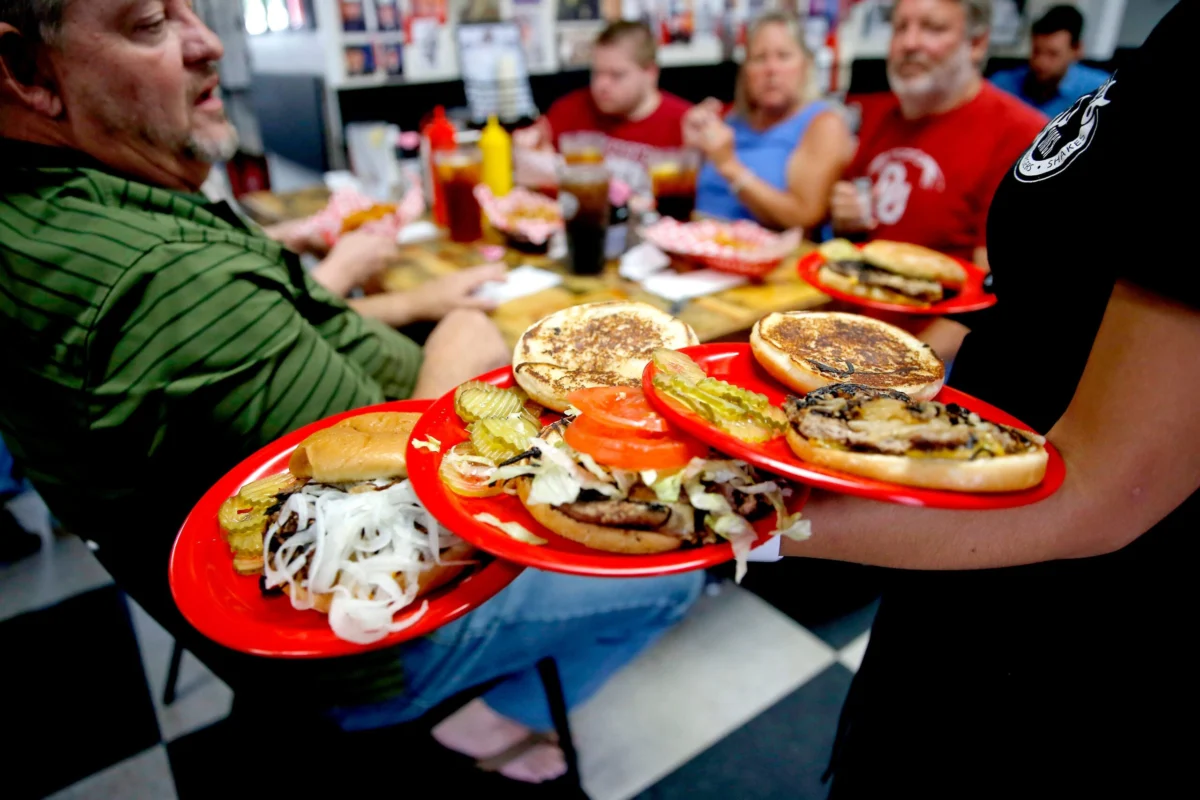
Route 66 was never intended to serve as a premier culinary destination; instead, it was conceived as a 400-mile critical artery of two-lane highway stitched through the heart of Oklahoma during a period when the United States required a rapid transit corridor to the West. Throughout the 20th century, the road served as a conduit for families fleeing the environmental catastrophe of the Dust Bowl and a path for soldiers returning from global conflicts. As the highway approaches its centennial, it has evolved into a complex map of the American experience, where the history of migration, economic necessity, and cultural fusion is best preserved on the dinner plate.
The significance of the Oklahoma stretch of Route 66 is underscored by a rare historical convergence. According to Rhys Martin, President of the Oklahoma Route 66 Association, the highway’s 100th anniversary in 2026 coincides with the United States marking its 250th birthday. This intersection highlights the relatively rapid development of the American West. Oklahoma achieved statehood in 1907, just 19 years before the federal government commissioned the highway in 1926. Consequently, the development of the "Mother Road" is inextricably linked to the maturation of the state itself, reflecting the growth of the region from a frontier territory into a modern agricultural and industrial hub.
The Chronology of the Mother Road’s Culinary Evolution
The culinary landscape of Oklahoma’s Route 66 can be divided into three distinct eras: the Era of Necessity (1926–1945), the Golden Age of the Roadside Diner (1946–1970), and the Era of Cultural Fusion (1975–Present).
During the first era, food was a tool for survival and economic survival. In El Reno, cooks during the late 1920s developed the "fried onion burger" as a response to the Great Depression. By pressing a massive quantity of thinly shaved onions into a small amount of beef, they could provide a substantial meal for a lower price. This ingenuity created a flavor profile—caramelized onions bonded to the patty—that remains a staple of the region today.
In the post-war Golden Age, the road saw the rise of family-owned institutions that catered to a newly mobile middle class. Establishments like Clanton’s Café in Vinita, which opened in 1927, solidified their menus during this time, serving comfort foods like chicken-fried steak and cream gravy. In 1939, the Rock Cafe in Stroud was constructed using sandstone quarried directly from the Route 66 roadbed, physically embodying the infrastructure it served.

The third era began following the end of the Vietnam War and the subsequent arrival of refugees in Oklahoma City. These new residents settled along North Classen Boulevard—an old alignment of Route 66—due to the availability of affordable commercial spaces. This period saw the transformation of the highway from a purveyor of "Americana" to a corridor of global flavors, including Vietnamese pho and Guatemalan breakfasts.
Legacy Establishments and the Old Guard
For many travelers, the appeal of Route 66 lies in its "Old Guard"—restaurants that have resisted the urge to modernize or franchise. Clanton’s Café in Vinita holds the distinction of being the oldest continuously family-owned restaurant on the entirety of Route 66. For four generations, the Clanton family has maintained a menu that dates back to the Calvin Coolidge administration. The restaurant’s commitment to traditional methods—specifically its crumbly cobblers and hand-breaded steaks—serves as a benchmark for culinary preservation.
Fifty miles west of Tulsa, the Rock Cafe in Stroud represents the resilience of the independent operator. Owner Dawn Welch has managed the site through numerous crises, including a devastating fire and the construction of the interstate system that threatened to bypass small-town economies. Welch’s role in the preservation of road culture was immortalized when she served as the inspiration for the character Sally in the Disney-Pixar film Cars. The restaurant’s grill has been in operation for over 80 years, providing a tangible link to the millions of travelers who have traversed the state.
The Immigrant Table: From the Levant to the Andes
The culinary diversity of the Oklahoma stretch is a direct result of global migration patterns. In the early 20th century, the state’s burgeoning oil boom attracted hundreds of Lebanese immigrants to the Tulsa area. This demographic shift led to the creation of unique "Lebanese Steakhouses," which fused Middle Eastern side dishes—such as hummus, tabouli, and cabbage rolls—with traditional Oklahoma beef. Shawkat in Tulsa remains a prominent example of this fusion, particularly noted for its house-made pita bread and integration of Levantine flavors into the local diet.
More recent arrivals have continued this tradition of culinary entrepreneurship. Carla Meneses, who moved to Tulsa from Ecuador in 2012, opened Que Gusto to introduce the region to her grandmother’s recipes. Her handmade empanadas, featuring organic pork, avocados, and cheese custards, represent a shift in the Route 66 narrative. Meneses notes that while she is proud of her Ecuadorian heritage, she considers her business an integral part of the Tulsa and Route 66 community, illustrating how the road facilitates the integration of new cultures.
Innovation and the Next Generation: Mother Road Market
While history is the foundation of Route 66, its future is being shaped by modern business incubators. In 2016, Elizabeth Frame Ellison founded the Mother Road Market in Tulsa’s Arts District. The facility houses Kitchen 66, a food incubator designed to lower the barriers to entry for aspiring restaurateurs. The program operates on the philosophy that while culinary talent is widely distributed, the capital and infrastructure required to launch a business are not.

Since its inception, Kitchen 66 has supported over 250 entrepreneurs representing 38 different countries. This incubator model has proven highly successful in diversifying the food options along the highway. A notable success story is Alex Figueira, a Brazilian chef who launched a food truck after losing his job during the COVID-19 pandemic. His business, Doctor Kustom Bistro, eventually moved into a permanent space on Route 66. Figueira’s signature picanha steak sandwiches—featuring charcoal-grilled beef with Havarti cheese and herb sauce—earned him a James Beard Award semifinalist nomination for Best Chef: Southwest. This recognition signifies that Route 66 is no longer just a place for "fast food," but a legitimate contender in the high-end culinary world.
The Asian District and the Rebirth of Old Alignments
In Oklahoma City, the intersection of Route 66 history and modern immigration is most visible in the Asian District. The stretch along North Classen Boulevard serves as a testament to the Vietnamese community that rebuilt their lives in Oklahoma starting in the mid-1970s. Today, the district is a mile-long hub of international commerce.
Anchor institutions such as Pho Lien Hoa and VII Asian Bistro serve traditional beef noodle soups that have become as synonymous with the Oklahoma City food scene as the steakhouse. The area has also expanded to include Central American influences, with Cafe Kacao and Café Antigua offering Guatemalan breakfasts that regularly draw long queues of locals and tourists alike. The presence of these establishments on an old Route 66 alignment demonstrates how repurposed infrastructure can drive urban revitalization.
Supporting Data: The Economic Impact of Route 66 Tourism
Data from the Oklahoma Tourism and Recreation Department suggests that Route 66 remains one of the state’s most significant economic drivers. In recent years, domestic and international travelers have contributed hundreds of millions of dollars in spending to the communities along the 400-mile stretch.
Key statistics include:
- Tourism Revenue: Oklahoma’s Route 66 generates an estimated $132 million annually in state and local tax revenue.
- International Draw: Approximately 15% of Route 66 travelers are international, with high concentrations from the United Kingdom, Germany, and Japan, specifically seeking "authentic" American food experiences.
- Job Creation: The hospitality sector along the highway supports over 10,000 jobs in Oklahoma, many of which are in independent, family-owned small businesses.
As the 2026 centennial approaches, the state has allocated millions in grants for neon sign restoration and infrastructure improvements, anticipating a record-breaking surge in "slow travel" tourism.
.jpg)
Architectural Preservation and the Traveler’s Experience
The experience of the road is further enriched by its architectural heritage. Travelers seeking to immerse themselves in the history of the highway often choose accommodations that reflect the era of the road’s construction. In Tulsa, the Campbell Hotel (1927) and the Mayo Hotel (1925) offer restored Spanish Colonial and Renaissance Revival aesthetics, respectively.
In Oklahoma City, the Classen Inn provides a stark contrast with its 1963 Googie architecture. This style, characterized by neon, geometric shapes, and space-age themes, represents the mid-century optimism of the highway’s peak years. Further west in Elk City, the Flamingo Inn sits near the National Route 66 Museum, anchoring the final leg of the Oklahoma journey.
Broader Implications and Analysis
The evolution of Oklahoma’s Route 66 food scene offers a case study in how infrastructure shapes culture. What began as a utilitarian "lifeline" for a struggling nation has become a corridor of cultural preservation. The "Depression Burger" of El Reno and the "Immigrant Table" of Tulsa are not merely meals; they are historical records of how Oklahomans have adapted to economic shifts and demographic changes.
The success of modern incubators like Kitchen 66 suggests that the future of the American "Main Street" lies in the intentional support of diverse entrepreneurship. By leveraging the existing "brand" of Route 66, Oklahoma has managed to create a global food destination that honors its past while actively fostering its future. As the road nears its 100th year, it stands as a reminder that the story of America is one of movement—and that the most enduring way to track that movement is through the food shared along the way.