Ronny Sianturi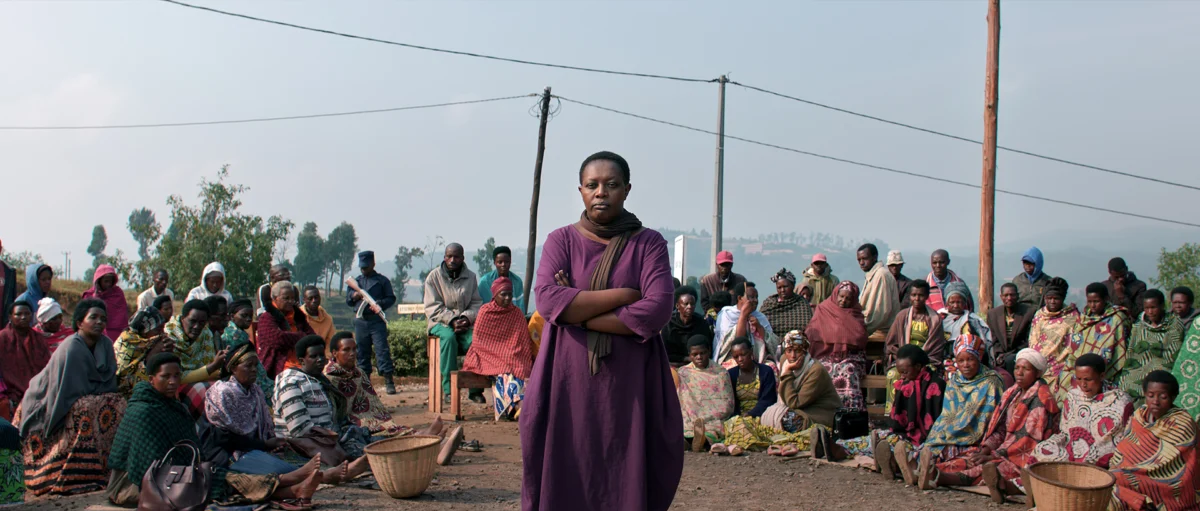
Marie Clémentine Dusabejambo’s deeply researched debut feature, Ben’Imana, offers a profound and unflinching exploration of the lingering shadows of the Rwandan genocide, focusing on the complexities of forgiveness, reconciliation, and the enduring strength of women in the aftermath of unimaginable trauma. The film, which garnered significant attention during its festival run, is not merely a narrative work but a testament to Dusabejambo’s decade-long commitment to understanding the human cost of conflict and the arduous path toward healing.
The genesis of Ben’Imana lies in Dusabejambo’s personal connection to the Rwandan genocide, a cataclysmic event that shaped her childhood and community. Initially embarking on a path towards electronics and telecommunications, her trajectory shifted dramatically when she encountered an opportunity for aspiring filmmakers. This pivot led her to the powerful language of cinema, a medium through which she felt compelled to address the legacy of the genocide. Her early short films, including one that depicted the impact of the genocide on young students, served as crucial stepping stones, gradually illuminating the profound weight of the historical events and their enduring repercussions. "At that time I didn’t have knowledge of the weight of what happened during and after the genocide," Dusabejambo reflected in an interview. "But that led to this film." This foundational period of artistic exploration and personal reckoning culminated in Ben’Imana, a film born from extensive research and a deep, empathetic engagement with survivors and perpetrators alike.
Dusabejambo’s research process for Ben’Imana was an arduous yet transformative journey, spanning approximately ten years. This extensive period involved engaging in deeply personal and often harrowing conversations with individuals directly affected by the Rwandan genocide. She meticulously listened to the accounts of survivors, their stories etched with pain, resilience, and the enduring quest for peace. Simultaneously, she confronted the confessions of perpetrators, individuals grappling with remorse and the burden of their past actions. Initially, the sheer emotional weight of these narratives proved overwhelming. "They’re not crying when they’re telling me this. Why am I crying?" she questioned, a realization that marked a significant turning point in her approach. This shift from personal emotional response to a more detached, analytical observation allowed her to channel her empathy into a constructive cinematic vision, enabling her to translate the raw realities of her community into a coherent and impactful film.
The narrative core of Ben’Imana centers on the fraught relationship between Vénéranda (played by Clémentine U. Nyirinkindi), a respected survivor who spearheads community reconciliation efforts, and her teenage daughter. The daughter’s unexpected and premature pregnancy creates a profound rift between mother and child, exposing generational divides and conflicting perspectives on tradition, modernity, and the very nature of forgiveness. This central conflict becomes a microcosm of the broader societal challenges in post-genocide Rwanda, where the imperative for collective healing often clashes with individual experiences and evolving societal norms. The film poignantly illustrates Vénéranda’s internal struggle as she navigates these complexities, simultaneously offering solace and urging self-forgiveness to women scarred by the genocide’s atrocities, while exhibiting a harsh, unforgiving stance towards her own daughter. This duality underscores the profound difficulty of extending grace when one’s own wounds are still raw and deeply personal.
The authenticity that permeates Ben’Imana is largely attributable to Dusabejambo’s unique casting approach. She deliberately sought out individuals who had lived through the experiences she was portraying, including survivors and those who had confessed to participating in the killings. Despite their lack of formal acting experience, these individuals brought an unparalleled depth of lived reality to their roles. "They bring in something that is real," the filmmaker emphasized. Dusabejambo leveraged her extensive knowledge of their personal histories and psychological landscapes to guide their performances, fostering an environment where they could express themselves authentically. "I was also trying to find their language: How do they talk about themselves? How do they talk about this history without being too reductive?" she explained, highlighting her commitment to preserving the nuanced truths of their narratives. This method not only ensured a powerful emotional resonance but also contributed to the film’s profound sense of documentary realism, even within its fictional framework.
The film’s thematic richness and its distinct perspective are not accidental but are deeply rooted in Dusabejambo’s understanding of Rwandan society. She recognized that a Rwandan film centering predominantly on women’s experiences was inherently significant, but she aimed for a deeper impact beyond mere representation. "The place women have in Rwanda is one of influence and power that is indirect, but it’s a matriarchal society – and there are women who participated in the killings," she observed. Dusabejambo sought to explore the complex emotional and psychological landscape of these women, their roles in both perpetuating and healing from the genocide. "In this mothering space where we all met, I wanted to go through the women’s hearts and find the heartbeat," she articulated, revealing her aspiration to capture the collective spirit and emotional core of Rwandan women. This focus on the "heartbeat" signifies a move beyond superficial portrayals to a deeper, more visceral understanding of their experiences and resilience.
The collaborative spirit that defines Ben’Imana extends beyond the on-screen performances and into the filmmaking process itself. Dusabejambo underscored the tight-knit nature of the Rwandan film community, emphasizing a long-standing tradition of mutual support and collective endeavor. "It’s a small community. We have been working together for a long time in the film industry in Rwanda. We coexist in collectivity," she stated. This sense of shared purpose and camaraderie likely contributed to the film’s nuanced portrayal of its subject matter and its ability to navigate sensitive themes with grace and integrity. The collective approach reflects a broader cultural emphasis on community and shared responsibility, which is particularly poignant in the context of post-conflict recovery.
Background: The Rwandan Genocide and Its Aftermath
The Rwandan genocide, which occurred over a period of approximately 100 days from April to July 1994, remains one of the most horrific events of the late 20th century. Orchestrated by extremist Hutu factions, the genocide targeted the Tutsi minority population and moderate Hutus, resulting in the deaths of an estimated 800,000 to 1,000,000 people. The systematic nature of the violence, often carried out with machetes and other rudimentary weapons by ordinary citizens, left deep and lasting scars on Rwandan society.
In the immediate aftermath, Rwanda faced the monumental task of rebuilding its shattered infrastructure, its economy, and, most critically, its social fabric. The international community’s response was widely criticized as insufficient and delayed, leaving Rwandans to grapple with the immense scale of loss and trauma largely on their own. The years that followed were characterized by a complex process of justice and reconciliation. This included the establishment of the International Criminal Tribunal for Rwanda (ICTR) to prosecute high-ranking officials and the implementation of traditional Gacaca courts, designed to handle the overwhelming number of perpetrators at the community level.
The Gacaca courts, while controversial, were a critical component of the reconciliation efforts. They aimed to foster a sense of shared responsibility for justice and to encourage confessions and reparations. These courts brought together survivors and perpetrators within their own communities, forcing them to confront each other and the painful realities of the past. It is within this context of community-level reconciliation, driven by the imperative to rebuild trust and co-exist, that Dusabejambo’s Ben’Imana finds its profound resonance. The film directly engages with the challenges and triumphs of these grassroots efforts, particularly the role of women in mediating dialogue, facilitating healing, and navigating the often-tenuous path towards forgiveness.
Timeline of Key Events Related to Ben’Imana and Rwandan Reconciliation
- April-July 1994: The Rwandan Genocide claims the lives of an estimated 800,000 to 1,000,000 people.
- Post-1994: Establishment of the International Criminal Tribunal for Rwanda (ICTR) and the initiation of Gacaca courts at the community level.
- Early 2000s: Marie Clémentine Dusabejambo begins her extensive research for Ben’Imana, engaging with survivors and perpetrators. This period is marked by the ongoing implementation and evolution of reconciliation programs across Rwanda.
- Mid-2010s: Dusabejambo’s initial short films, exploring the legacy of the genocide, lay the groundwork for her feature directorial debut.
- Late 2010s – Early 2020s: Production and post-production of Ben’Imana. The film is developed through intimate conversations and workshops with individuals who have experienced the genocide firsthand.
- Recent Years: Ben’Imana premieres and gains recognition at various film festivals, highlighting its critical acclaim and its significant contribution to cinematic portrayals of post-genocide experiences. The film’s success underscores the continued global interest in understanding the complexities of Rwandan reconciliation and the enduring impact of the genocide.
Supporting Data on Women’s Roles in Post-Genocide Rwanda
The Rwandan genocide had a disproportionately devastating impact on women, who not only lost family members but also endured widespread sexual violence, a deliberate weapon of war. However, in the ensuing years, Rwandan women have emerged as powerful agents of recovery and reconstruction.
- Political Representation: Rwanda has achieved remarkable progress in female political representation. Following the genocide, constitutional reforms were implemented to ensure greater inclusivity. As of recent data, Rwanda consistently ranks among the top countries globally for female representation in parliament, with women holding over 50% of seats in both the Chamber of Deputies and the Senate. This political empowerment has enabled women to influence policy-making related to social welfare, justice, and national development.
- Economic Contribution: Women play a crucial role in Rwanda’s economic recovery. They are heavily involved in agriculture, small businesses, and community-based initiatives. Programs aimed at empowering women economically have contributed significantly to poverty reduction and household income stability.
- Reconciliation and Community Building: The Gacaca courts, while imperfect, provided a platform for women to voice their experiences and participate in the justice process. Beyond formal judicial structures, women have been instrumental in informal reconciliation efforts, mediating disputes, fostering dialogue between former adversaries, and rebuilding social trust at the grassroots level. Their roles as caregivers, educators, and community leaders have been pivotal in healing psychological wounds and fostering a sense of collective identity.
- Leadership in NGOs and Civil Society: Numerous non-governmental organizations (NGOs) and civil society groups in Rwanda are led by women, focusing on issues ranging from trauma counseling and support for survivors of sexual violence to education and economic empowerment. These organizations often work directly with communities to address the lingering effects of the genocide and promote sustainable peace.
The portrayal of Vénéranda in Ben’Imana, as a leader in community reconciliation, is therefore deeply reflective of the real-world contributions of Rwandan women. The film’s exploration of her internal conflict—balancing her public role of forgiveness with her private struggles—adds a layer of nuanced human drama to this broader societal context.
Broader Impact and Implications
The critical reception and thematic depth of Ben’Imana highlight several significant implications for both African cinema and the global discourse on reconciliation:
- Elevating African Voices in Global Cinema: Films like Ben’Imana are crucial in challenging monolithic narratives about Africa and showcasing the rich diversity of its cinematic landscape. By focusing on a specific, deeply personal story rooted in a significant historical event, Dusabejambo contributes to a more nuanced and authentic representation of African experiences on the international stage. This challenges Western-centric perspectives and amplifies the voices of filmmakers from the continent.
- The Nuances of Forgiveness and Trauma: The film’s central conflict—Vénéranda’s struggle to extend grace to her daughter while advocating for it in her community—underscores the immense complexity of forgiveness, especially in the wake of profound trauma. It suggests that the process of healing is not linear and that personal relationships can present unique challenges to the application of broader reconciliation principles. This offers a valuable insight into the psychological aftermath of mass violence, moving beyond simplistic notions of absolution.
- The Enduring Legacy of the Rwandan Genocide: Ben’Imana serves as a powerful reminder of the long-term consequences of genocide and the ongoing work required for societal healing. By focusing on the personal and communal dimensions of reconciliation, the film emphasizes that rebuilding trust and fostering peace is a continuous, multi-generational endeavor. It underscores the importance of remembering historical atrocities not just as events, but as ongoing influences on present-day lives and relationships.
- Empowerment Through Storytelling: Dusabejambo’s method of casting individuals who have lived through the events of the genocide imbues the film with an unparalleled authenticity. This approach not only honors the experiences of survivors and perpetrators but also empowers them by providing a platform for their stories to be told and understood. The film demonstrates the therapeutic and cathartic potential of artistic expression in processing collective trauma.
In conclusion, Marie Clémentine Dusabejambo’s Ben’Imana is a landmark achievement in African cinema, offering a profound and humanistic exploration of reconciliation, forgiveness, and the enduring resilience of women in the face of unimaginable tragedy. Through meticulous research, authentic storytelling, and a deep understanding of her community, Dusabejambo has crafted a film that resonates with universal themes while remaining firmly rooted in the specific historical and cultural context of Rwanda. Its success signals a growing maturity and confidence within African filmmaking, promising further contributions that will enrich global cinematic narratives and foster deeper understanding of complex human experiences.