Kang Muslim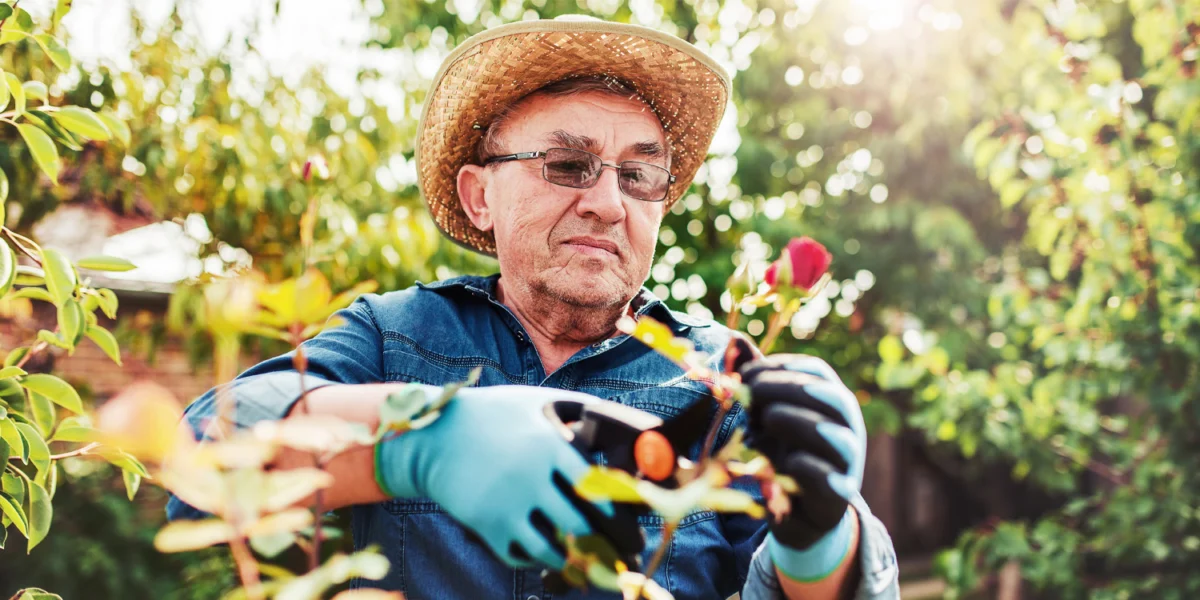
A comprehensive longitudinal study spanning over two decades has revealed that frequent gardening is significantly associated with improved psychological well-being, enhanced physical function, and a reduced risk of mortality among older adults. The research, which analyzed data from the Lothian Birth Cohort 1921, found that individuals who engaged in regular gardening lived, on average, more than a year longer than their non-gardening counterparts. Furthermore, the activity was linked to a 22% lower risk of death over a 25-year follow-up period, a benefit that persisted even after researchers accounted for other forms of physical activity and socio-economic factors.
Published in the Journal of Environmental Psychology, the study provides a detailed look at how a common domestic hobby can influence the biological and functional trajectories of aging. The findings arrive at a critical juncture in global demographics, as public health systems grapple with a rapidly aging population and the subsequent need for sustainable, low-cost interventions to support "healthy aging"—the process of maintaining functional ability and quality of life into the tenth decade of life and beyond.
The Global Challenge of an Aging Population
The significance of these findings is underscored by the current trajectory of global demographics. According to estimates from the World Health Organization (WHO), the number of people aged 60 and older is expected to double by 2050, reaching 2.1 billion. By 2030, one in six people worldwide will be over the age of 60. This shift presents unprecedented challenges for healthcare systems, particularly regarding chronic disease management and the preservation of independence in the elderly.
Healthy aging is no longer defined merely as the absence of disease, but as the optimization of physical, mental, and social health. As functional limitations naturally increase with age, identifying lifestyle factors that can slow biological decline is a priority for researchers and policymakers alike. Gardening, which combines physical exertion with cognitive engagement and exposure to nature, has long been suspected of providing holistic benefits, but long-term longitudinal evidence has been relatively scarce until now.
Methodology: The Lothian Birth Cohort 1921
The study utilized data from the Lothian Birth Cohort 1921 (LBC1921), one of the world’s most significant and longest-running longitudinal studies of aging. The cohort consists of individuals born in 1921 who resided primarily in Edinburgh and the Lothian region of Scotland. A unique feature of this group is that most participants took a national intelligence test, the Scottish Mental Survey, in 1932 at the age of 11. This provided researchers with a rare opportunity to track cognitive and physical health from childhood through late old age.
For this specific analysis, researchers established a baseline when participants were approximately 79 years old (between 1999 and 2001). The final sample included 475 individuals who provided data on their gardening habits. These participants were then followed for 25 years, with intensive clinical assessments at ages 83, 87, and 90.
The researchers employed a multi-dimensional approach to measuring aging, looking at four key areas:
- Psychological Well-being: Measured through the WHO Quality of Life assessment (WHOQOL-BREF) and the Hospital Anxiety and Depression Scale (HADS).
- Physical Function: Assessed through lung function (spirometry), gait speed (walking pace), grip strength, and the ability to perform activities of daily living.
- Biological Aging: Analyzed through telomere length and DNA Methylation-based PhenoAge, which serves as a biomarker for cellular aging.
- Mortality: Tracked via official records up to the year 2025.
Chronology of the Study and Participant Outcomes
The timeline of the LBC1921 study offers a remarkable window into the aging process. By the time the mortality data was finalized in 2025, 469 of the 473 tracked participants had passed away. Only four individuals remained alive, having reached the age of 103.
Baseline (Age 79): At the start of the observation period, those who reported frequent gardening demonstrated higher quality of life scores and better psychological health. They also exhibited superior physical markers, including faster walking speeds and stronger grip strength compared to those who did not garden.
Follow-up (Ages 83–90): Over the subsequent decade, researchers noted that while all participants experienced some level of decline, the rate of decline differed based on gardening frequency. Most notably, frequent gardeners experienced a significantly slower decline in gait speed. Gait speed is a critical clinical indicator in geriatrics, often referred to as a "sixth vital sign" because it predicts future disability, falls, and mortality.
Long-term Biological Tracking: The study’s use of telomere length provided a "molecular clock" for the participants. Telomeres are the protective caps on the ends of chromosomes that shorten as cells divide. The research found that frequent gardeners not only started the study with longer telomeres but also experienced a slower rate of telomere attrition over time. This suggests that gardening may exert a protective effect at the cellular level, slowing the biological aging process.
The Mortality Advantage and Statistical Rigor
The most striking finding was the 22% reduction in mortality risk for frequent gardeners. To ensure the accuracy of this figure, the research team, led by Janie Corley of the University of Edinburgh, applied rigorous statistical controls. They accounted for a wide array of confounding variables that could influence longevity, including:
- Gender and education level.
- Social class and living arrangements (e.g., living alone vs. with others).
- Neighborhood quality and existing chronic diseases.
- General physical activity levels.
Crucially, the survival advantage remained significant even after controlling for other forms of exercise. This implies that the benefits of gardening are unique and cannot be fully replicated by simply walking or gym-based exercise. The median age of death for those who never gardened was 88.4 years, while frequent gardeners lived to a median age of 89.7 years—an extension of life by approximately 1.3 years.
Analysis of Implications: Why Gardening Works
While the study was observational and cannot definitively prove a cause-and-effect relationship, the researchers and independent experts have posited several theories on why gardening is such a potent tool for longevity.
Physical Multitasking: Gardening is a "low-to-moderate intensity" physical activity that involves a variety of movements—reaching, bending, lifting, and digging. Unlike repetitive exercises, gardening requires complex motor skills and functional strength, which helps maintain muscle mass and bone density.
The "Biophilia" Effect: Exposure to green spaces and soil has been linked to reduced cortisol levels (the stress hormone). The "Biophilia Hypothesis" suggests that humans have an innate tendency to seek connections with nature, and satisfying this urge can improve emotional regulation and lower blood pressure.
Cognitive Engagement: Gardening is a goal-oriented task that requires planning, problem-solving, and sensory awareness. Choosing which plants to grow, managing pests, and timing the harvest provide cognitive stimulation that may help preserve brain health.
Environmental Microbiome: Recent research into the "hygiene hypothesis" suggests that exposure to beneficial soil bacteria, such as Mycobacterium vaccae, may stimulate the immune system and increase serotonin production, potentially acting as a natural antidepressant.
Official Perspectives and Scientific Nuance
The study authors were careful to note the limitations of their work. "Our results suggest that gardening may support wellbeing and longevity, with potential implications for aging in place for older adults," the team concluded. However, they acknowledged the possibility of "reverse causality"—the idea that people who garden are simply healthier to begin with. While the team controlled for baseline health, it remains possible that those with better underlying vitality are more drawn to gardening.
Public health experts have reacted to the study with optimism. Geriatricians suggest that "social prescribing"—where doctors prescribe activities like community gardening instead of or alongside traditional medication—could become a more prominent feature of elderly care. The ability to garden often allows older adults to "age in place," maintaining their independence and connection to their immediate environment.
Broader Impact on Urban Planning and Social Policy
The findings have significant implications for urban design and social policy. If gardening provides a unique survival advantage, the provision of allotments, community gardens, and accessible green spaces becomes a matter of public health equity rather than just aesthetics.
In many urban environments, older adults lack access to private outdoor space. Policy advocates suggest that local governments should prioritize the preservation of community gardens, particularly in high-density areas. Furthermore, the social aspect of community gardening can combat the "epidemic of loneliness" among the elderly, which is itself a known risk factor for early mortality.
As the global population continues to age, the Lothian Birth Cohort 1921 data serves as a powerful reminder that simple, accessible lifestyle interventions can have a profound impact on the human lifespan. Gardening, a practice as old as civilization itself, may be one of the most effective modern "medicines" for the challenges of the 21st century.
The study, titled "Gardening, healthy aging, and longevity: Longitudinal evidence from 25 years of the Lothian Birth Cohort 1921," was a collaborative effort by Janie Corley, Alison Pattie, Sarah E. Harris, Ian J. Deary, and Simon R. Cox. It stands as a testament to the value of long-term longitudinal research in understanding the complex factors that allow humans to not only live longer but to thrive in their final decades.