Danny Garick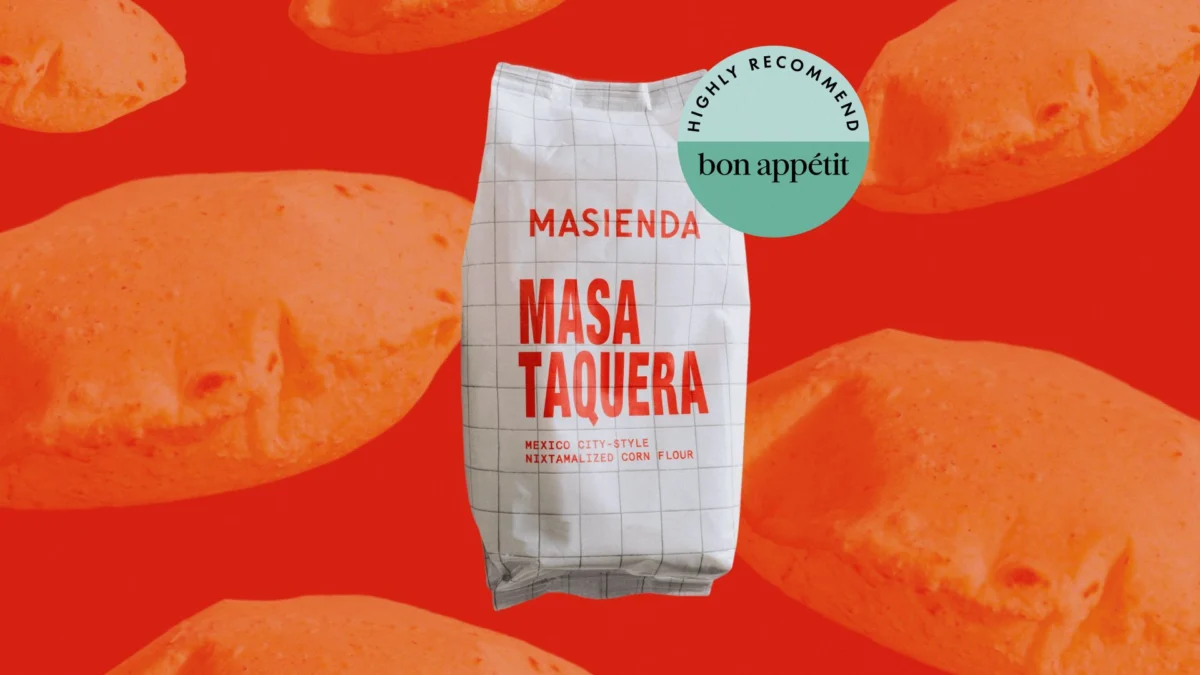
The culinary landscape surrounding Mexican staples has undergone a significant transformation over the last decade, moving from mass-produced, shelf-stable products toward a refined appreciation for ancestral techniques and heirloom ingredients. At the center of this movement is the tortilla, the fundamental architecture of the taco. For professional chefs and dedicated home cooks alike, the quality of a corn tortilla is measured by specific structural and sensory benchmarks: a distinct aroma of toasted corn, a slightly chewy texture, the ability to "puff" during the cooking process, and a structural elasticity that prevents cracking when folded. Masienda, a leading purveyor of Mexican heirloom corn, has recently introduced its Masa Taquera, a specialized masa harina designed to replicate the specific flavor profile and performance of traditional Mexican street-side taquerias.
Masa harina is a finely ground flour produced from dried corn kernels that have undergone nixtamalization—an ancient process where corn is soaked and cooked in an alkaline solution, typically food-grade lime (calcium hydroxide). This chemical process is not merely a culinary tradition but a nutritional and structural necessity. It softens the corn’s outer hull, increases the bioavailability of vitamin B3 (niacin), and alters the proteins within the grain to allow the dough to bind. The new Masa Taquera distinguishes itself by utilizing a higher concentration of calcium hydroxide during the nixtamalization phase, resulting in a more intense flavor and superior pliability compared to standard commercial alternatives.
The Evolution of the Masa Market and Masienda’s Role
The introduction of Masa Taquera marks a new chapter in the "Third Wave" of masa products in the United States. For much of the late 20th century, the domestic market was dominated by industrial-scale brands that prioritized shelf-life and uniformity over regional flavor profiles. Masienda, founded by Jorge Gaviria, emerged as a disruptive force in this sector by establishing direct-trade relationships with smallholder farmers in Mexico. By sourcing landrace corn—varieties that have been evolved and preserved by farmers over generations—Masienda reintroduced biodiversity to the American pantry.
Gaviria’s mission extended beyond sourcing raw kernels. The company has systematically lowered the barrier to entry for high-quality masa production at home. This began with the release of the Molinito, the first professional-grade corn grinder scaled for home use, and continued with the development of a shelf-stable masa harina that maintained the integrity of the nixtamalization process. The Masa Taquera is the latest iteration of this effort, specifically formulated to address the demands of the "taquero" style, which requires a robust dough capable of being pressed thin while maintaining moisture and strength.

Technical Specifications of Masa Taquera
The primary differentiator of Masa Taquera is its chemical composition. In the nixtamalization process, the ratio of lime to corn dictates the final characteristics of the masa. A standard masa harina is often balanced to be versatile, suitable for tortillas, tamales, and various masa-based snacks like gorditas or sopes. However, the Masa Taquera features an elevated calcium hydroxide content.
This higher alkalinity serves several functions:
- Enhanced Flavor Profile: The increased lime concentration reacts with the corn’s oils and proteins to produce a deeper, more earthy, and slightly nutty aroma that is characteristic of the tortillas found in central Mexico.
- Structural Integrity: The alkaline environment further breaks down the hemicellulose in the corn cell walls. This results in a dough with higher elasticity, which is critical for the "puff" effect—the separation of the two layers of the tortilla during cooking, which indicates a light, tender interior.
- Pliability: Tortillas made with this specific formulation are less prone to "snapping" or drying out, making them ideal for the heavy fillings and sauces typical of street tacos.
While these traits are advantageous for tortillas, Masienda officials and culinary experts note that the bold flavor profile may be overwhelming in more delicate applications. For example, in tamales, where the masa is often whipped with fats and steamed for long periods, a standard masa harina or a specific tamal-grind masa may be preferred to allow the subtle flavors of the filling and the corn itself to remain in balance.
Culinary Application and Performance Testing
In professional test kitchen environments, the performance of Masa Taquera has been evaluated through rigorous preparation protocols. Achieving the "promised land" of a perfect tortilla requires more than just high-quality flour; it necessitates a precise understanding of hydration and thermal management.
The standard procedure for preparing Masa Taquera involves a systematic approach to dough hydration. Culinary professionals recommend using a digital scale to ensure a consistent ratio of masa harina to warm water. The integration of water should be gradual, allowing the parched corn particles to absorb moisture evenly. A critical, yet often overlooked, step is the resting period. Allowing the dough to sit for approximately 10 to 15 minutes permits full hydration of the starch granules, which prevents the edges of the tortillas from fraying when pressed.

During the cooking phase, the "comal"—a flat griddle—must be heated to a high, consistent temperature. The Masa Taquera is designed to react to this intense heat by generating steam within the dough, leading to the characteristic puff. In recent kitchen trials, the dough exhibited a potent corn aroma even in its raw state, which intensified significantly upon contact with the heat. The resulting tortillas demonstrated a slight char, a tender crumb, and the ability to be held in a warm environment without losing their elastic properties.
Market Context and the Rise of Heirloom Corn
The launch of specialized products like Masa Taquera coincides with a broader economic shift in the global corn flour market. According to recent market research, the global corn flour market is projected to grow at a compound annual growth rate (CAGR) of approximately 4.5% over the next several years. A significant portion of this growth is driven by increasing consumer demand for gluten-free alternatives and a rising interest in "clean label" products that lack preservatives and artificial additives.
Furthermore, the "premiumization" of Mexican cuisine has created a lucrative niche for heirloom products. Consumers are increasingly willing to pay a premium for masa harina that guarantees non-GMO status and ethical sourcing. Masienda’s model addresses these consumer concerns by providing transparency in their supply chain, ensuring that the farmers growing the landrace corn are compensated fairly, which in turn helps preserve the genetic diversity of corn in Mexico.
Chronology of the Modern Masa Movement
To understand the impact of Masa Taquera, it is essential to look at the timeline of the artisanal masa resurgence in the United States:
- 2014: Jorge Gaviria founds Masienda, initially focusing on supplying high-end restaurants like Cosme in New York City with heirloom Mexican corn.
- 2016-2018: The "Tortilla Renaissance" takes hold as more chefs move away from pre-made tortillas, opting to nixtamalize and grind corn in-house.
- 2020: The COVID-19 pandemic leads to a surge in home cooking. Masienda expands its retail presence, offering smaller bags of heirloom corn and its first iterations of masa harina to the general public.
- 2022: Gaviria publishes Masa: Techniques, Recipes, and Reflections on a Timeless Staple, a definitive guide that further educates the public on the science of nixtamalization.
- 2023-2024: Masienda introduces specialized products like the Molinito and the Masa Taquera, moving from general-purpose ingredients to application-specific flours.
Broader Implications for the Food Industry
The success of specialized ingredients like Masa Taquera suggests a shift in how international cuisines are integrated into the domestic market. Rather than a "one size fits all" approach, there is a growing trend toward specificity. This mirrors the evolution seen in other categories, such as Italian flour (where consumers now distinguish between 00 flour and semolina) or Japanese rice (where short-grain varieties are chosen based on their starch content for sushi versus everyday consumption).

For the Mexican-American community and culinary historians, this movement represents a reclamation of culinary identity. By prioritizing the "right to be loud and proud" about culinary contributions—as noted by practitioners in the field—these products validate the complexity and technical skill inherent in traditional Mexican cooking.
In conclusion, Masienda’s Masa Taquera is more than a simple grocery item; it is a technical tool that bridges the gap between the traditional Mexican taqueria and the modern home kitchen. By leveraging a higher concentration of calcium hydroxide and sourcing high-quality heirloom corn, the product provides a solution for those seeking the specific sensory experiences of authentic street food. As the market for heirloom and specialized grains continues to expand, the emphasis on nixtamalization science and ethical sourcing is likely to become the new standard for the industry, ensuring that the foundation of the taco—the humble tortilla—is never an afterthought.