Layla Zulfa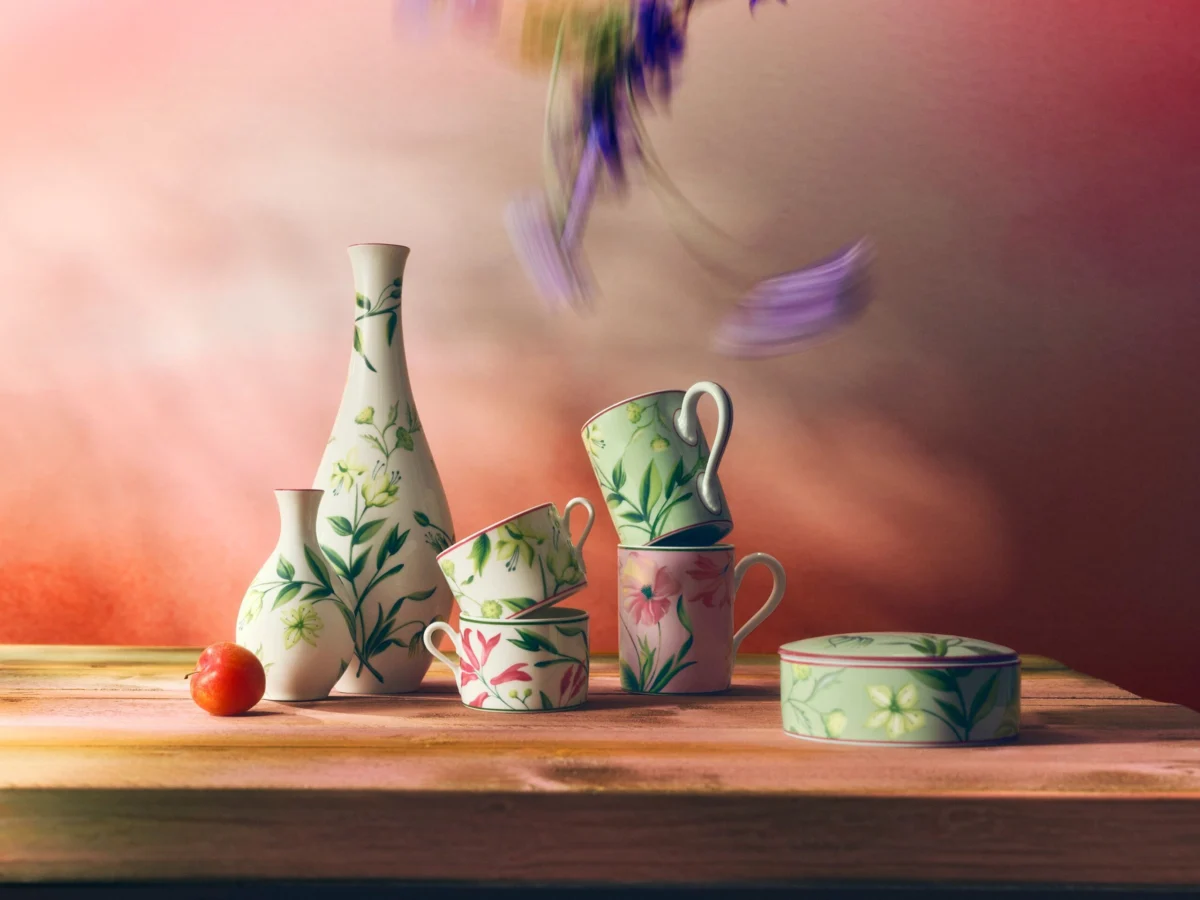
The landscape of luxury home décor has undergone a significant transformation in the digital age, marked by the emergence of legacy brands successfully pivoting to capture a younger, more aesthetically driven demographic. Among these, Ginori 1735—formerly known as Richard Ginori—has transitioned from a storied Italian porcelain manufacturer to a definitive status symbol on social media platforms like TikTok and Instagram. Once relegated to formal dining rooms and the "dusty" collections of older generations, the brand’s vibrant, two-tone plates and chinoiserie-inspired floral motifs are now fixtures on high-end wedding registries and the digital feeds of Gen Z and Millennial tastemakers. This resurgence is not merely a product of luck but the result of a deliberate, multi-year strategy involving high-fashion acquisitions, creative leadership changes, and a sophisticated understanding of modern consumer psychology.
The Foundations of the "Ferrari of Tableware"
To understand the current cultural cachet of Ginori 1735, one must look back to its origins in the 18th century. Founded in 1735 by Marquis Carlo Andrea Ginori in Doccia, Italy, just outside of Florence, the Ginori Manufactory was born during a period when porcelain was referred to as "white gold." Marquis Ginori was obsessed with the beauty and technical challenges of porcelain production, leading him to establish one of the first and most prestigious factories in Europe.

For nearly three centuries, the brand focused on exquisite craftsmanship and traditional designs that catered to royalty and global aristocrats. The pieces produced in the Doccia factory were—and many remain—museum-quality artifacts. However, by the early 20th century, the brand recognized the need for evolution. Between 1923 and 1933, the legendary architect and designer Gio Ponti served as the artistic director. Ponti is credited with pushing the brand toward a more modern, experimental aesthetic. He introduced bold prints and classical-inspired motifs that balanced the brand’s historic roots with the burgeoning Art Deco movement. Many of the designs seen today are direct evolutions or reinterpretations of Ponti’s archival work.
Financial Turmoil and the Gucci Revitalization
Despite its prestige, the company faced severe financial headwinds in the early 21st century. By 2013, the firm was on the brink of liquidation, having filed for bankruptcy. The turning point occurred when the luxury conglomerate Kering, which owns Gucci, acquired the company for an estimated 13 million euros. This acquisition saved the jobs of over 200 artisans at the Sesto Fiorentino factory and signaled a new era for the brand.
The revitalization was spearheaded by Alessandro Michele, who was the creative director of Gucci at the time. Michele, known for his maximalist, romantic, and historically referential approach to fashion, applied the same philosophy to Ginori. He delved into the company’s vast archives, reviving patterns that had fallen out of favor and reintroducing them in fresh, saturated colorways. Under his guidance, the brand successfully bridged the gap between "old world" luxury and contemporary "cool." In 2020, the brand officially rebranded as Ginori 1735, a move designed to emphasize its deep heritage while looking toward the future.

The "Oriente Italiano" Phenomenon
The most visible catalyst for Ginori’s internet fame is the "Oriente Italiano" collection. This specific line features a stylized floral motif—known as a carnation—rendered in a distinctive two-tone color palette across a variety of hues, from malachite green and porpora pink to deep blues and sunny yellows. The collection’s appeal lies in its "mix-and-match" versatility. Unlike traditional china sets that demand uniformity, Oriente Italiano encourages consumers to collect different colors, creating a table setting that is both whimsical and highly personalized.
Fashion editor Bella Gerard Fayne, a self-described devotee of the brand, notes that Ginori has occupied a unique corner of the market. "It’s rare for something so vibrant, colorful, and whimsical to be elevated and timeless," Fayne observed. Her experience reflects a broader trend among younger consumers who are moving away from the stark minimalism of the 2010s toward "maximalism" and "cluttercore," where home objects serve as expressions of personality rather than just functional tools.
Chronology of the Brand’s Modern Transformation
The timeline of Ginori 1735’s ascent to digital stardom is marked by several key milestones:

- 1735: Establishment of the Doccia manufactory by Marquis Carlo Andrea Ginori.
- 1923–1933: Gio Ponti’s tenure as artistic director, introducing modern design principles.
- 2013: Acquisition by Gucci and the Kering Group following financial insolvency.
- 2014–2019: Expansion of retail presence and the introduction of bold new colorways under Alessandro Michele.
- 2020: Official rebranding to Ginori 1735 to solidify global identity.
- 2021–2023: Diversification into home fragrances, furniture, and high-profile collaborations.
- 2024: Opening of "Cafe Ginori" in Bergdorf Goodman, New York, creating a physical experience for the brand’s aesthetic.
Strategic Collaborations and Lifestyle Expansion
Ginori 1735 has bolstered its cultural relevance through a series of high-profile collaborations that transcend the world of tabletop design. By partnering with celebrities like Sofia Coppola and Jake Gyllenhaal, the brand has aligned itself with "quiet luxury" and creative intellectualism.
In the fashion sector, collaborations with labels such as Khaite and artists like Luke Edward Hall have introduced the brand to a younger, style-conscious audience. Furthermore, the brand’s presence in luxury hospitality—most notably with the St. Regis hotel group—has ensured that its products are associated with the world’s most exclusive travel experiences.
The brand has also expanded beyond the dining room. Recognizing that modern luxury is a holistic lifestyle, Ginori 1735 has introduced home fragrance collections, decorative objects, and even furniture. This diversification allows consumers to "enter" the brand at various price points, whether through a $100 candle or a multi-thousand-dollar porcelain vase.

Market Analysis and Retail Performance
The retail performance of Ginori 1735 reflects a broader shift in consumer spending. Data from high-end retailers like Tuckernuck Home and Bergdorf Goodman indicate that the brand’s most recognizable patterns, such as the Oriente Italiano in green malachite and pink porpora, are consistent best-sellers. Tori Mellott, the creative director of Tuckernuck Home, noted that the brand’s performance has been so strong that they have continuously broadened their assortment of patterns and product categories.
Industry analysts suggest that the "wedding registry effect" is a major driver of this growth. As younger couples delay marriage and focus more on home-building, they are prioritizing high-quality, "legacy" items that offer both longevity and social signaling value. Ginori 1735 fits this niche perfectly: it is grounded in 300 years of history but looks modern through a smartphone lens.
Expert Perspectives on the "Grandmillennial" Trend
Interior designers and decorators have noted that Ginori’s success is part of a larger movement often called the "Grandmillennial" or "Coastal Grandmother" aesthetic. This trend involves a return to traditional crafts, such as silver, needlepoint, and fine china, but reimagined for a modern context.

Mieke ten Have, a New York-based interior designer and author, highlights the importance of the brand’s archival strategy. "There was a many-year backlash against things like silver and wedding china—things considered what your mother or grandmother had," ten Have said. "But there’s a whole new younger generation rediscovering these old, wonderful things. My hope is that more brands look through their archives and find ways of reimagining these beautiful motifs rather than trying to reinvent the wheel."
Ten Have also points out that the brand’s charm lies in its "tiny delights," such as small sauce boats for condiments or hand-painted mugs. This attention to the "micro-luxury" of daily life has resonated with a generation that values "rituals" over mere consumption.
Broader Impact and the Future of Heritage Brands
The success of Ginori 1735 provides a blueprint for other heritage brands struggling to remain relevant in a fast-paced, digital-first economy. The key takeaway is the balance between preserving technical excellence and embracing bold, contemporary branding. By maintaining its manufacturing roots in Italy and continuing to produce hand-decorated porcelain, Ginori 1735 has protected its "Made in Italy" prestige while using modern marketing to change the narrative around who its products are for.

The implications for the luxury sector are significant. It demonstrates that "old" does not have to mean "obsolete." When a brand can successfully tap into the archives to find designs that resonate with current aesthetic trends—such as the vibrant colors that perform well on high-definition screens—it can bypass the need for constant novelty.
As Ginori 1735 continues to expand its footprint through physical experiences like Cafe Ginori and its growing home décor lines, it remains a case study in brand rejuvenation. By transforming functional tableware into a form of "tabletop jewelry," the brand has ensured that its porcelain will be featured on the tables of royalty and TikTok influencers alike for years to come. The "Ferrari of tableware" has not just been restored; it has been redesigned for a new century.