
 Ana Megawati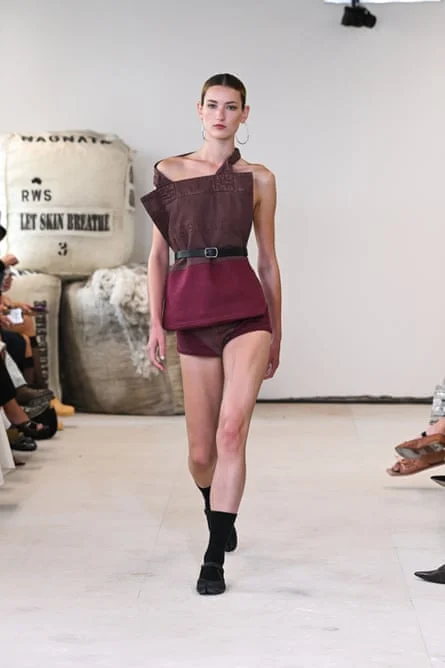
Sydney played host to a captivating Australian Fashion Week (AFW) 2026, a five-day spectacle from May 11th to May 15th, showcasing the future of Australian design to a global audience. From garments meticulously crafted over weeks to avant-garde creations that challenged traditional silhouettes, the collections presented a compelling blend of commercial appeal and artistic experimentation. The event, a cornerstone of the Asia-Pacific fashion calendar, underscored Australia’s growing influence in global design, emphasizing sustainability, evolving consumer preferences, and a renewed focus on unique sartorial narratives. Industry analysts estimate AFW 2026 generated approximately AUD $50 million in economic activity for New South Wales, drawing in international buyers, media, and tourists, a 10% increase from the previous year, according to a preliminary report by the Australian Fashion Council. Attendance figures reached an all-time high, with over 30,000 visitors engaging with the event both physically and through digital streams.

The Evolution of Australian Fashion Week
Australian Fashion Week, established in 1996, has steadily evolved from a regional trade event into a significant international platform. Historically, it has been instrumental in launching the careers of numerous acclaimed Australian designers onto the world stage, fostering an identity distinct from European fashion capitals. The 2026 iteration continued this tradition, balancing the showcasing of established powerhouses with the nurturing of emerging talent. The event’s consistent growth reflects a strategic push by the Australian government and fashion industry bodies to position the country as a hub for innovative and ethically conscious design. This year’s focus on diverse venues, from The Collider to the Museum of Contemporary Art and The Neilson Nutshell, highlighted a desire to integrate fashion with Sydney’s cultural landscape, offering unique backdrops that enhanced each collection’s narrative.
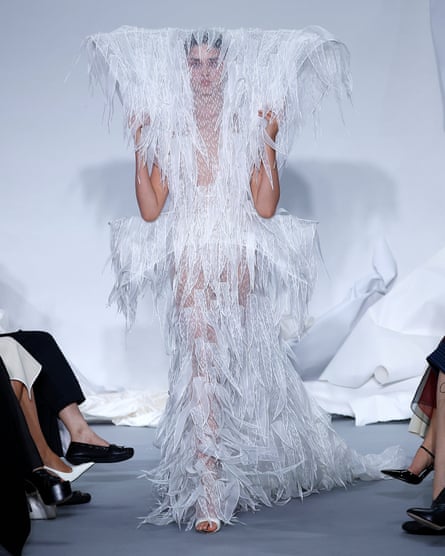
Maticevski: Sculptural Grandeur Meets Spontaneous Creativity
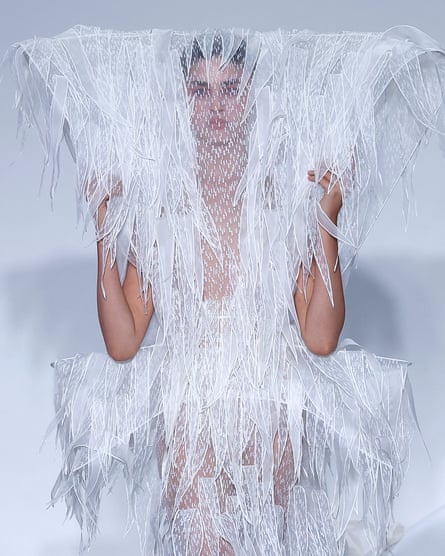
One of the week’s undisputed highlights was the show by Maticevski, held at The Collider on May 11, 2026. Designer Toni Maticevski, renowned for his architectural approach to fashion, once again demonstrated his mastery of form and texture. The collection featured an extraordinary garment adorned with layers of shimmering silver leaves, a testament to weeks of dedicated artisanal work. Maticevski himself revealed the meticulous process, stating, "The layers of silver leaves on this garment took weeks of work to prepare." Yet, in a fascinating juxtaposition of precision and serendipity, the dramatic silhouette, characterized by bold trapezoid shoulders, "just sort of randomly happened." This candid insight into the creative process highlighted the interplay between rigorous craftsmanship and spontaneous inspiration. Maticevski recounted sketching the striking shoulders with a team member, then musing, "What if we actually put her head inside it? That could be really weird and kind of dumb but kind of amazing." This playful yet profound approach resulted in a show-stopping piece that blurred the lines between fashion and wearable art, eliciting audible gasps from the audience and reinforcing Maticevski’s position as an avant-garde leader. Fashion critics praised the collection for its sculptural integrity and its ability to push aesthetic boundaries while maintaining a distinct sense of elegance.
Nagnata: Redefining Activewear with Ingenuity
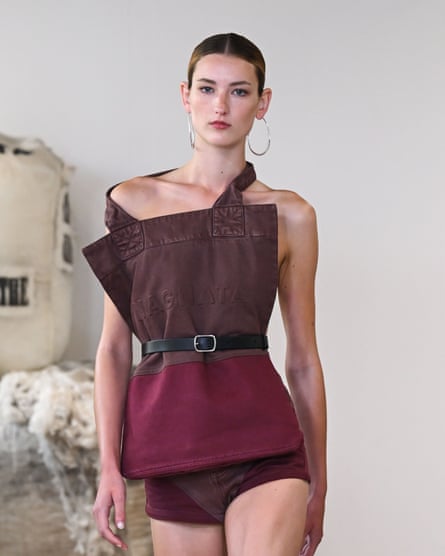
Nagnata, an activewear label celebrated for its sustainable practices and luxurious knitwear, presented a collection that ingeniously recontextualized everyday items. The brand, known for its foundational pieces like bike shorts, ventured into new territory with denim totes. The challenge, as noted by industry observers, is to make basics visually compelling on the runway. Show director Joel Piccini and stylist Jessica Dos Remedios achieved this with a stroke of creative genius: a denim tote was looped over a model’s head and cinched at the waist, transforming a functional accessory into a provocative top. This clever styling demonstrated the brand’s commitment to versatility and playful reinterpretation. While the idea of wearing a bag as a top was acknowledged as an "experimental joke" by some, its execution resonated with a broader trend of blurring the lines between sportswear and high fashion. A spokesperson for Nagnata noted, "We believe in offering versatile pieces that can be styled in unexpected ways, encouraging our customers to embrace creativity in their daily dressing." This bold statement resonated with younger demographics seeking multi-functional, expressive garments, indicating a potential shift in consumer engagement with utilitarian fashion items.
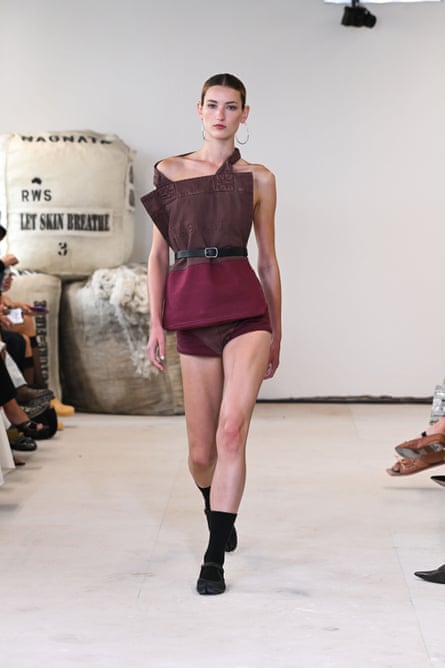
Alix Higgins: A Return to Playful Foundations
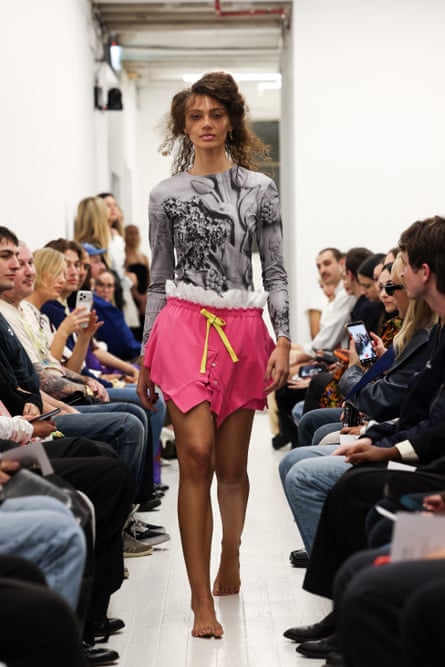
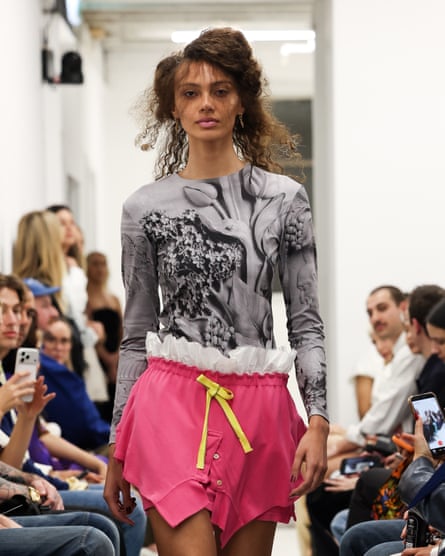
Designer Alix Higgins unveiled a collection that marked a significant shift in his creative trajectory, described by the designer himself as "trying to grow up" each season. For 2026, Higgins deliberately returned "to basics," yet infused these foundational elements with a newfound sense of "fun." This whimsical approach materialized in reworked polo shirts, provocatively cut in half and re-fashioned as bottomwear. The collection incorporated "additional frivolity," albeit in measured doses: delicate ribbons, internet-forward patterns, and distinctively droopy headgear. A standout piece featured a half-cut polo shirt paired with tangy yellow and pink hues, creating an "unserious, shirt-as-skirt creation" that paradoxically achieved a serious fashion statement. This collection highlighted the ongoing dialogue between digital culture and physical design, appealing to a generation fluent in meme aesthetics and unconventional styling. Higgins’s ability to blend playful deconstruction with sophisticated color blocking signals a maturation of his brand while retaining the experimental spirit that defines his work, offering a fresh perspective on contemporary streetwear.
Carla Zampatti: Modernizing a Legacy with Color
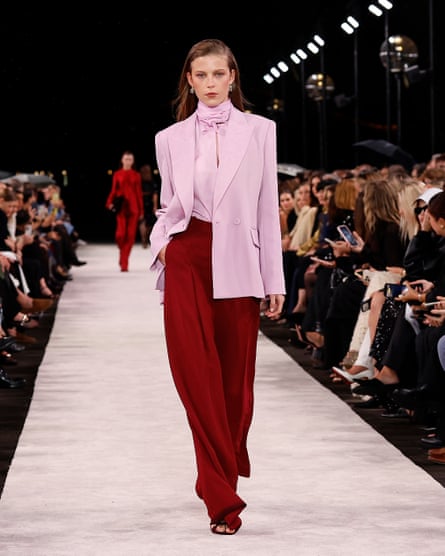
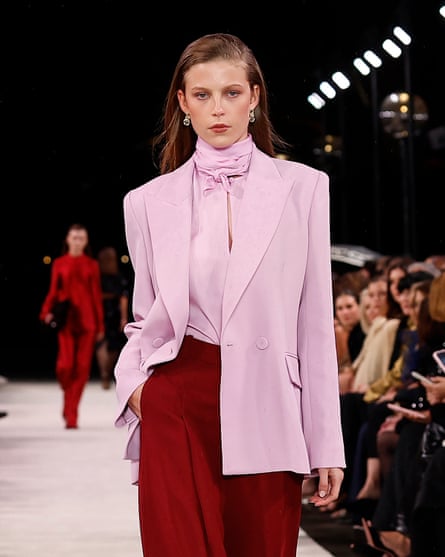
The venerable Australian label Carla Zampatti continued its legacy as a go-to for refined elegance, particularly for Australia’s corporate elite. Under the creative direction of Tanya Emon Beattie, the 2026 collection introduced a "biggest shift" through an "unexpected colour palette." While the brand consistently caters to a demographic traditionally favoring neutrals, Beattie boldly proposed a "refreshing combination of lilac and crimson." This strategic color injection aimed to subtly push the brand’s loyal customer base, encouraging them to step "beyond the beige brigade." The tailoring, a hallmark of Carla Zampatti, remained "as refined as ever," ensuring the brand’s core values of sophistication and impeccable craftsmanship were preserved. Beattie’s decision reflects an astute understanding of market evolution, where even classic brands must innovate to remain relevant, offering a modern edge while respecting their heritage. Industry commentators lauded this move as a smart brand refresh, demonstrating leadership in sartorial evolution for the discerning professional woman.
Gary Bigeni: Timeless Comfort and Inclusivity
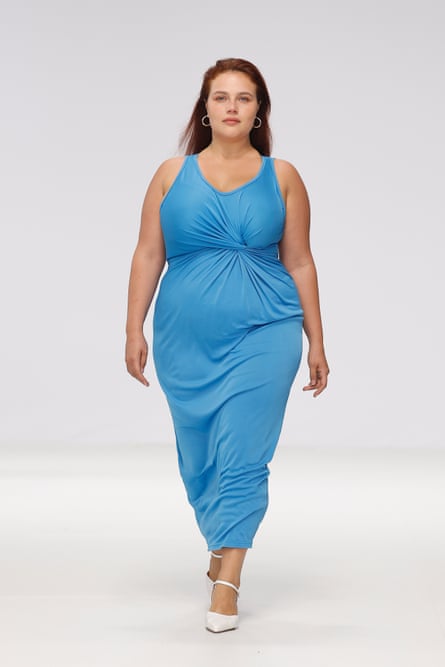
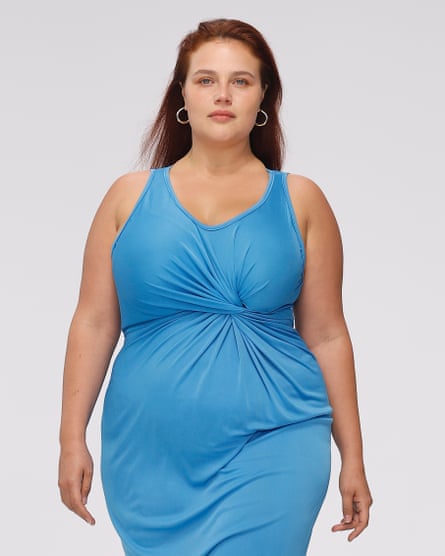
Gary Bigeni marked his 20th anniversary in fashion with a collection that celebrated his enduring aesthetic: fluid, draped jersey dresses. The designer, who pioneered this style in his very first collection two decades ago, proved its timeless appeal. A striking electric blue dress, showcased by model Bruna Lapinskas, served as a "refreshing bolt of blue" amidst a week that was otherwise noted for its "gloomy weather and size inclusivity" challenges. The dress, lauded for its comfort, was described as rivaling pajamas, a testament to its wearability. The vibrant "sky shade" beautifully complemented Lapinskas’s copper hair, a detail attributed to the "unfussy styling from Jana Bartolo." Bigeni’s consistent commitment to comfort, elegant drape, and, implicitly, a broader appeal through his silhouettes, highlights a long-standing commitment to wearability and a quiet form of inclusivity, which resonated positively with critics amidst broader industry discussions on diverse body representation. His collection reinforced the idea that classic, comfortable designs can remain fresh and relevant across seasons.
Bianca Spender: A Multifaceted Aviation Narrative
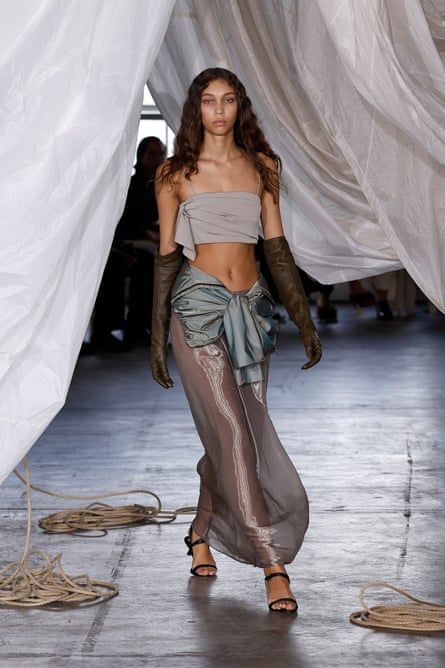
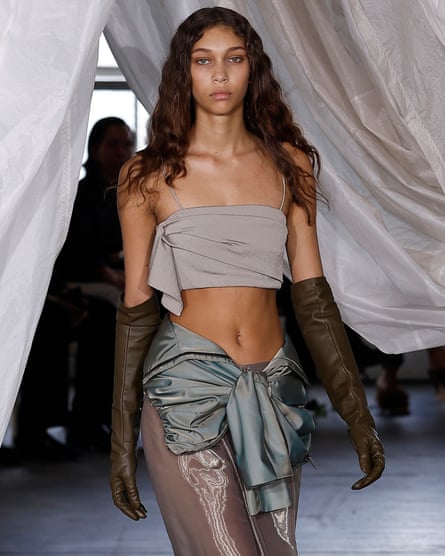
Bianca Spender presented a collection rich with "aviation motifs," exploring themes of buoyancy, freedom, and the nonchalance of flight. The show was a masterclass in weaving multiple contemporary trends into a cohesive narrative. Key takeaways included the pervasive presence of "opera gloves with everything," particularly in leather, elevating daywear ensembles. The collection skillfully incorporated "sheer fabrications, drapery, bubble-hemmed skirts, midriffs, and tonal dressing," demonstrating a sophisticated understanding of current fashion currents. The color palette, dominated by "olive greens," further enhanced the aviation theme, evoking the utilitarian elegance of flight suits. A particularly striking look featured a jacket tied around the hips, suggesting the "nonchalance of unzipped flight suits." This thoughtful layering and thematic coherence underscored Spender’s ability to create commercially viable yet artistically rich collections, offering diverse interpretations of modern femininity and demonstrating a strategic approach to trend integration.
Christian Kimber: Refined European Sensibilities for the Australian Man
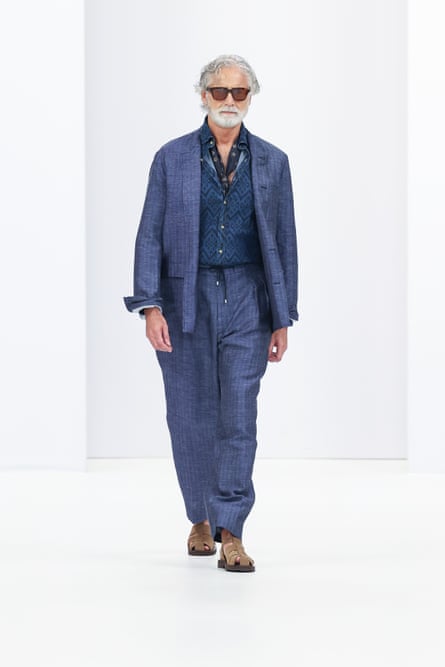
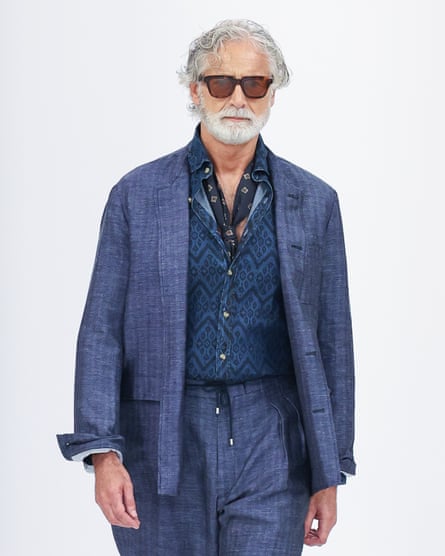
Christian Kimber continued his mission to bridge the gap between "the relaxed Australian male’s approach to dressing with refined European sensibilities." His 2026 menswear collection exemplified this philosophy, offering looks that were "elegant, but not highbrow." A featured ensemble demonstrated this perfectly: a loose yet tailored fit, crafted from "tactile natural fibres," presented in tonal colors. The designer’s attention to subtle detailing was evident in the "ikat-adjacent pattern of the shirt," which provided a gentle contrast to the "warp and weft of the suit fabric." A strategically placed "print on the neck scarf" added a touch of "punctuation," allowing "the eye to travel," a nod to the late Diana Vreeland’s iconic fashion philosophy. Kimber’s collection reaffirmed the growing demand for smart casual menswear that prioritizes quality materials, sophisticated tailoring, and a relaxed yet polished aesthetic, carving a niche for Australian luxury menswear that resonates internationally.
Mariam Seddiq: The Elevated ‘Going-Out Top’ and Leather’s Ascendance
Mariam Seddiq focused on elevating the quintessential "going-out top," a wardrobe staple for countless women. Her collection presented a "draped bodice with a trailing hemline," described as "much sexier in person," as the ideal "Goldilocks combination" for occasions requiring a look that is "not too little, not too much, but just right." This design, paired with sleek leather trousers, highlighted a significant emerging trend: leather’s challenge to denim’s dominance on the catwalks. The shift suggests a consumer appetite for more sophisticated and tactile alternatives to everyday wear. Seddiq’s ability to transform a functional item into a statement piece speaks to a broader cultural desire for versatile yet impactful fashion, perfectly suited for the modern woman’s dynamic social calendar. The collection underscored a refined approach to evening wear that prioritizes both impact and adaptability.
ESSE: The Unforgettable Investment Dress
ESSE, under the direction of designer Charlotte Hicks, presented a collection that resonated deeply with the concept of timeless investment pieces. One particular dress was highlighted as "that dress," eliciting an almost emotional response from fashion critics: "If you didn’t buy it at the time, you still live with regret. If you did, you will be smug." This sentiment speaks volumes about Hicks’s understanding of women’s desires for enduring style. The dress, characterized by its flattering drape, the "swish of fringing" for a touch of drama, and a "dulcet tone" that whispered rather than screamed, was dubbed "Serotonin in satin." ESSE’s continued success lies in its ability to create garments that offer "ease and flattery," becoming cherished staples rather than fleeting trends. The collection reinforced the growing consumer preference for quality, longevity, and emotional connection in their wardrobes, a counter-narrative to fast fashion.
Ngali: Storytelling Through Sustainable Design
Ngali, led by designer Denni Francisco, offered a collection deeply rooted in cultural storytelling and sustainable practices. Francisco’s vision for the collection revolved around "space, softness, and light," elements she believes are increasingly vital in contemporary life. A standout piece was a "covetable, water-resistant cotton coat" adorned with "subtle circle embellishments." Francisco explained the profound meaning behind these details: they represent "waterways found on country, and the concept of coming together," enriching the garment with a powerful narrative. The show also prominently featured various headscarves, including a lavender one with a print by Gija artist Lindsay Malay. Francisco articulated the brand’s intention: "We wanted to show all the different ways that you can wear scarves. It’s not always about buying something new." This emphasis on versatile styling and the celebration of Indigenous artistry positioned Ngali as a leader in culturally significant and conscious fashion, appealing to a market that values authenticity and responsible consumption.
L’IDEE WOMAN: The Engineering of Resort Wear Elegance
L’IDEE WOMAN brought resort wear elegance to the forefront, presenting a standout kaftan that exemplified the brand’s signature aesthetic. Co-founder Breeana Smith detailed the intricate "engineering" required to achieve their distinctive pleating, designed to "flow over and flatter the body." The garment’s "trailing sleeves flapped like wings on the runway," a detail made even more fitting as it was modeled by former Victoria’s Secret angel Taylor Hill. The collection underscored L’IDEE WOMAN’s expertise in creating garments that combine effortless grace with sophisticated construction, catering to a desire for elevated holiday and leisure wear. The presence of international supermodel Taylor Hill also signified the growing global recognition and commercial appeal of Australian resort wear, attracting significant media attention and buyer interest.
TAFE – Luke Rutherford-Durney: The Avant-Garde "Heiress"
The TAFE fashion design school runway provided a platform for emerging talent, culminating in a truly unforgettable final look by student designer Luke Rutherford-Durney. His creation, aptly named "The Heiress," elicited "audible gasps" from the audience, signaling a bold and innovative vision. Rutherford-Durney described his design as "a hoodie tracksuit for a princess," a playful yet profound subversion of expectations. The most striking feature was the "tabletop silhouette," achieved through a "floating belt" constructed from plywood and discarded building materials. The designer emphasized the necessity of "real industrial structure to have that shape," highlighting a blend of unconventional materials and meticulous engineering. The "shredded hemline and train" of the bottom half of the dress moved independently, adding to its dramatic effect. This avant-garde piece, described as making one "scared to square off against her," pushed boundaries and demonstrated the raw creativity fostered within Australian design education. Rutherford-Durney’s "Heiress" served as a powerful statement on the potential for future Australian designers to challenge norms and integrate sustainability through material innovation, offering a glimpse into the next generation’s vision.
Broader Impact and Implications
Australian Fashion Week 2026 showcased a robust and diverse industry, characterized by a willingness to experiment while maintaining a strong sense of commercial viability. The collections collectively highlighted several overarching trends:
- Sustainability and Ethical Production: Many designers subtly or explicitly incorporated sustainable practices, from material choices to design philosophy (e.g., Ngali’s focus on versatile styling to reduce consumption, Rutherford-Durney’s use of discarded materials).
- Blurring of Categories: The lines between activewear, streetwear, and high fashion continued to dissolve, as seen with Nagnata and Alix Higgins, reflecting a more fluid and versatile approach to dressing.
- Inclusive Design: While Bigeni was specifically noted for comfort and implicit inclusivity, the broader conversation around body diversity and representation on Australian runways continued to gain momentum, with increased calls from industry advocacy groups for even greater strides.
- Strategic Brand Evolution: Established labels like Carla Zampatti demonstrated how heritage brands can subtly modernize their aesthetic to remain relevant to contemporary consumers without alienating their core clientele.
- The Rise of Artisanal Craftsmanship: Maticevski’s intricate work and Ngali’s storytelling through embellishments underscored a renewed appreciation for meticulous handwork and narrative-driven design.
- Global Reach and Digital Engagement: The extensive digital coverage and social media buzz surrounding AFW 2026 confirmed its growing global footprint, enabling broader access and influencing international fashion trends.
AFW 2026 reinforced Australia’s unique position in the global fashion landscape—a blend of relaxed sensibility, innovative spirit, and a growing commitment to ethical and inclusive practices. The week’s offerings, from the wearable elegance of ESSE to the audacious vision of a TAFE student, painted a vivid picture of an industry confidently forging its future, ready to make a lasting impression on the international stage. The event successfully combined high fashion artistry with practical, commercially appealing designs, promising a vibrant future for Australian designers in the years to come.








