Nila Kartika Wati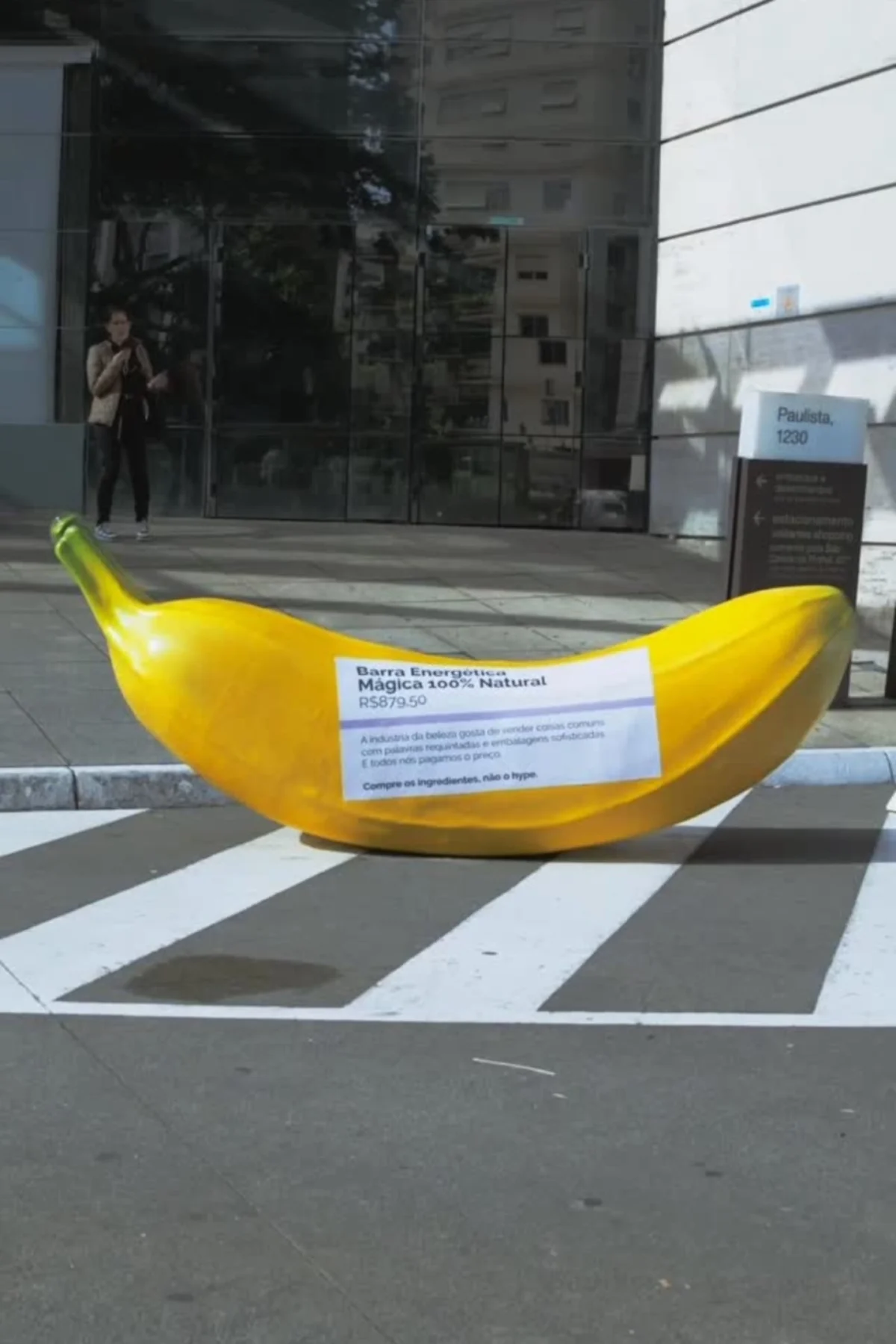
The Estée Lauder-owned skincare brand, The Ordinary, has unveiled its latest immersive pop-up experience in the heart of New York City, marking a significant escalation in its global strategy of engaging consumers through direct, localized activations. This new installation, described as one of the brand’s most ambitious to date, follows a series of similar pop-ups staged across various international markets, signaling a deliberate shift towards experiential retail in an increasingly digital-first beauty landscape.
The Ordinary’s Experiential Push: A Global Rollout
The launch of the New York pop-up is not an isolated event but rather the latest chapter in a carefully orchestrated global rollout. For the past several years, The Ordinary, known for its science-backed, no-frills approach to skincare and its disruptive pricing model, has been exploring ways to connect with its growing customer base beyond its online presence and traditional retail partnerships. This has manifested in a series of temporary, localized retail spaces designed to offer a deeper, more tangible interaction with the brand and its philosophy.
The brand’s approach to these pop-ups is characterized by a commitment to authenticity and a focus on education, often incorporating elements that reflect the local culture and aesthetic of the city in which they are situated. Prior to New York, The Ordinary has staged similar events in key global cities, including London, Toronto, and Seoul. Each activation has been met with considerable consumer interest, often resulting in long queues and significant social media buzz, underscoring the effectiveness of this experiential strategy in generating both brand awareness and direct sales.
The New York Pop-Up: A Bold Statement
The New York City pop-up, strategically located in a high-traffic area, is designed to be more than just a retail space. It aims to be an immersive destination that educates consumers about the brand’s core principles: transparency, efficacy, and affordability. Sources close to the brand indicate that the New York activation pushes the boundaries of previous efforts, incorporating more sophisticated design elements and interactive features.
While specific details about the New York pop-up’s design and offerings were not immediately available at the time of reporting, previous iterations have often featured:
- Educational Zones: Areas dedicated to explaining the science behind The Ordinary’s formulations, ingredient spotlights, and personalized skin consultations.
- Product Demos: Opportunities for consumers to experience product textures and learn about application techniques.
- Brand Storytelling: Visual displays and interactive elements that delve into the brand’s origin, its commitment to research, and its ethical sourcing practices.
- Limited Edition Offerings: In some cases, pop-ups have featured exclusive products or bundles not available elsewhere, driving urgency and desire.
The decision to launch such a significant activation in New York is strategically sound. The city is a global hub for beauty trends and consumer culture, offering a prime audience for The Ordinary’s direct-to-consumer approach. Furthermore, the competitive landscape of the New York beauty market demands innovative strategies to capture attention and build brand loyalty.
Context and Chronology: The Evolution of The Ordinary’s Retail Strategy
The Ordinary’s foray into experiential retail can be traced back to its early days. Founded in 2013 by Brandon Truaxe and launched under the Deciem umbrella, the brand quickly disrupted the skincare market with its radically transparent ingredient-focused approach and significantly lower price points compared to luxury competitors. This direct-to-consumer ethos, primarily driven through its website, laid the groundwork for a brand that prioritized accessibility and education.
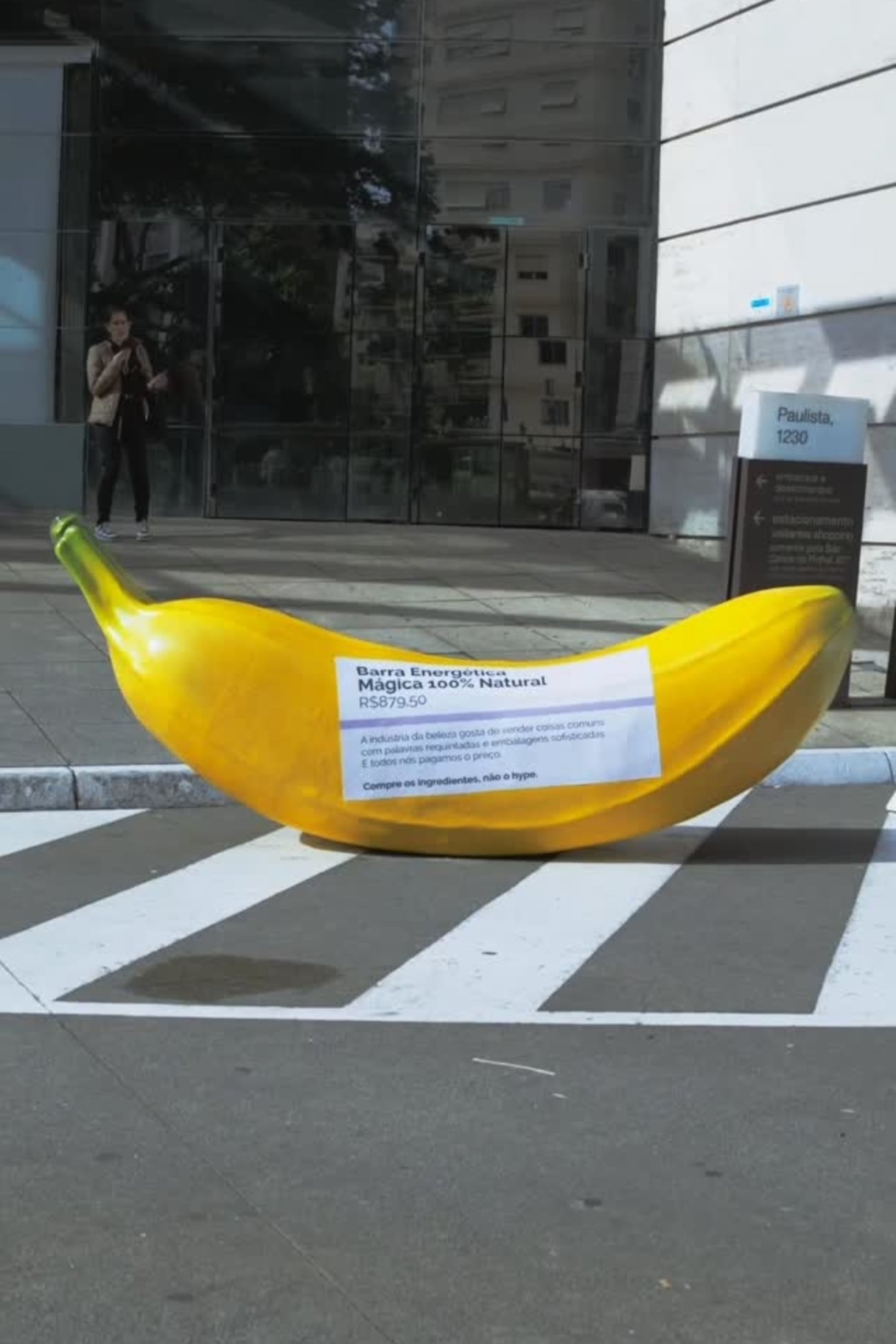
As The Ordinary’s popularity surged, fueled by social media endorsements and word-of-mouth, the limitations of solely online sales became apparent. Consumers, particularly in the beauty sector, often seek tactile experiences – the feel of a product, the scent, and the overall brand aesthetic. Recognizing this, Deciem, and subsequently Estée Lauder, which acquired a majority stake in the company in 2017, began experimenting with physical retail.
The first significant physical retail presence for The Ordinary was through its own branded stores, which offered a curated environment for product discovery and consultation. However, the pop-up model represented a more agile and flexible approach, allowing the brand to test new markets, generate immediate excitement, and gather valuable consumer feedback without the long-term commitment of a permanent store.
Timeline of Key Experiential Milestones (Inferred):
- 2013-2016: Brand establishment and online-centric growth.
- Late 2017/Early 2018: Acquisition by Estée Lauder, signaling a period of accelerated global expansion.
- 2019 onwards: Gradual introduction of physical retail presence, including the opening of flagship stores in key cities.
- 2020-Present: Increased focus on localized, immersive pop-up activations across various international markets, including London, Toronto, and Seoul, culminating in the ambitious New York City launch.
This evolutionary path highlights a strategic progression from a purely digital-native brand to a multi-channel player that strategically leverages physical touchpoints to enhance brand engagement and deepen customer relationships.
Supporting Data: The Power of Experiential Retail in Beauty
The increasing investment in experiential retail by beauty brands like The Ordinary is not without its data-driven rationale. The global beauty industry, while robust, is highly competitive, and brands are constantly seeking innovative ways to stand out and connect with consumers.
- Consumer Demand for Experiences: A 2023 report by Statista indicated that a significant percentage of consumers, particularly millennials and Gen Z, prioritize experiences over material possessions. This trend extends to retail, where engaging and memorable shopping environments are highly valued.
- Social Media Amplification: Experiential activations are inherently shareable. Instagrammable moments and unique brand interactions within pop-ups generate organic social media content, extending the brand’s reach far beyond the physical space. Data from various marketing agencies suggests that user-generated content from events can have a higher engagement rate than branded content.
- Brand Loyalty and Sales: Studies by retail analytics firms have shown that consumers who have positive in-person brand experiences are more likely to become repeat customers and advocates. Pop-ups can serve as powerful tools for customer acquisition and retention, driving both immediate sales and long-term brand affinity.
- Market Penetration: For brands looking to enter or solidify their presence in a new market, pop-ups offer a lower-risk, high-impact method to gauge consumer response and build initial brand recognition before considering more permanent retail investments.
The Ordinary’s strategy aligns with these trends, leveraging pop-ups not just as sales channels but as powerful marketing tools that build community, foster education, and generate authentic buzz.
Analysis of Implications: The Future of Skincare Engagement
The Ordinary’s audacious pop-up strategy carries several implications for the broader beauty industry and for the brand itself:
- Democratization of Experiential Retail: The Ordinary, a brand built on affordability, is making immersive brand experiences accessible to a wider audience. This challenges the notion that such high-touch activations are solely the domain of luxury brands, potentially inspiring other value-driven brands to explore similar strategies.
- Shifting Retail Paradigms: The success of these pop-ups reinforces the idea that physical retail is not dead, but evolving. It highlights the importance of creating destinations that offer more than just transactions, focusing instead on education, community, and memorable interactions.
- Brand Integrity and Authenticity: The Ordinary’s commitment to maintaining its core values of transparency and education within these experiential spaces is crucial. If executed authentically, these pop-ups can further solidify its reputation as a trustworthy and customer-centric brand. Conversely, a disconnect between the pop-up’s execution and the brand’s established ethos could lead to consumer disillusionment.
- Data Collection and Future Strategy: Pop-up events provide invaluable data on consumer behavior, preferences, and product engagement in a controlled environment. This information can inform future product development, marketing campaigns, and strategic retail decisions, including the potential for more permanent brick-and-mortar expansion.
- Competitive Response: The buzz generated by The Ordinary’s pop-ups is likely to prompt competitors to re-evaluate their own retail and engagement strategies, potentially leading to an increase in similar experiential activations across the beauty sector.
In conclusion, The Ordinary’s latest immersive pop-up in New York City represents a significant development in its ongoing commitment to direct consumer engagement. By prioritizing localized, educational, and attention-grabbing experiences, the brand is not only reinforcing its unique market position but also contributing to the evolving landscape of beauty retail, proving that even a brand built on digital accessibility can thrive through tangible, real-world interactions. The long-term success of this strategy will hinge on the brand’s ability to consistently deliver authentic, value-driven experiences that resonate with its global customer base.