Danny Garick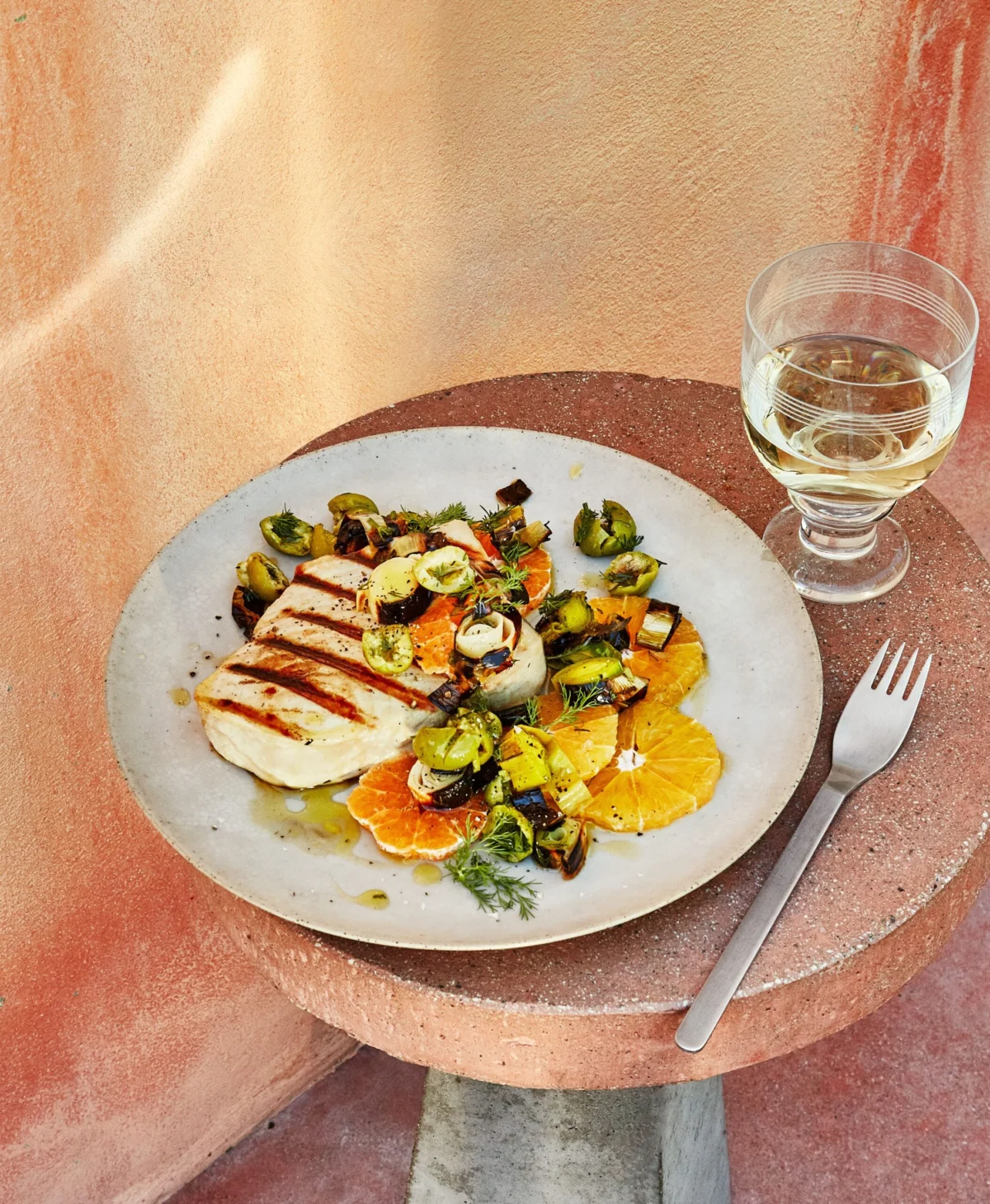
The perception of grilled fish has historically been characterized by a paradox of high culinary reward and significant technical intimidation. For many home cooks and professional enthusiasts, the preparation of seafood over an open flame has long been associated with structural fragility, a propensity for the product to adhere to cooking surfaces, and a narrow margin for error regarding overcooking. However, as outdoor cooking technology advances and consumer dietary preferences shift toward leaner, faster-cooking proteins, a paradigm shift is occurring. Fish is increasingly being recognized not as a delicate liability, but as one of the most efficient and rewarding proteins available for high-heat applications. This transformation is driven by a combination of improved equipment, a deeper understanding of food science, and a burgeoning interest in global culinary techniques that prioritize texture and smoky flavor profiles.
The Technical Challenges and Mechanical Foundations of Grilling Fish
The primary deterrent to grilling fish is the biological structure of the protein itself. Unlike the dense connective tissues found in bovine or porcine muscles, fish muscle fibers (myotomes) are connected by thin layers of collagen called myocommata. This collagen has a significantly lower melting point than the collagen in land animals. When exposed to heat, the structural integrity of the fish weakens rapidly, leading to the "flaky" texture that is desirable on the plate but problematic on the grill.
Furthermore, the phenomenon of "sticking" is a result of a chemical bond formed between the proteins in the fish and the metal of the grill grate. When cold protein meets a surface that is not sufficiently heated or lubricated, the proteins form a complex bond with the metal oxides. Overcoming this requires a combination of thermal management and surface preparation. Industry experts emphasize the necessity of a high-temperature environment—whether provided by gas, charcoal, or specialized indoor grill pans—to facilitate the Maillard reaction quickly. This rapid searing creates a carbonized crust that acts as a natural release mechanism, allowing the fish to be flipped without tearing.
Historical Context and the Evolution of Outdoor Cooking
The history of grilling fish spans millennia, originating with indigenous coastal communities worldwide who utilized wooden planks, stone hearths, and direct flame. However, in the mid-20th century American context, outdoor grilling became synonymous with "heavy" meats such as beef and pork. The post-World War II suburban boom popularized the backyard barbecue, but the equipment of that era—often rudimentary charcoal braziers—offered poor temperature control, making the preparation of delicate fillets a high-risk endeavor.
The 1990s and early 2000s saw a diversification of the grilling market. The introduction of high-output BTU gas grills and the refinement of ceramic kamado-style cookers allowed for more precise thermal regulation. This technological evolution coincided with a growing public health emphasis on Omega-3 fatty acids and lean protein consumption. By the 2010s, culinary media began demystifying the process, shifting the narrative from fish as a "fussy" specialty item to a versatile weeknight staple. Today, the integration of fish into the standard summer rotation reflects a broader maturation of the domestic palate and a demand for recipes that balance speed with nutritional density.
Market Trends and Consumer Data in the Seafood Sector
Recent data from the Hearth, Patio & Barbecue Association (HPBA) indicates that while burgers and steak remain the most popular items for outdoor cooking, seafood is the fastest-growing category among millennial and Gen Z grillers. According to a 2023 market report, approximately 35% of regular grillers in North America now report preparing fish at least once a month during the peak summer season.

This growth is mirrored in the retail sector. High-end grocery chains and specialized fishmongers have reported a 15% year-over-year increase in the sale of "grill-ready" cuts, such as pre-marinated swordfish steaks and skin-on salmon fillets. The preference for skin-on cuts is particularly noteworthy, as the skin provides a protective barrier that prevents the flesh from drying out and simplifies the flipping process. Economically, while the price per pound of premium seafood remains higher than that of poultry, the rapid cooking time—often under ten minutes—appeals to the time-sensitive consumer, adding a "convenience premium" to the product’s value proposition.
Strategic Classification: Meaty Steaks vs. Delicate Fillets
To successfully integrate fish into a grilling repertoire, culinary professionals categorize species based on their physical density and fat content. This classification determines the heat intensity and duration required for optimal results.
Meaty Fish Steaks
Species such as swordfish, tuna, and mahi-mahi possess a dense, steak-like texture that can withstand direct, intense heat. These varieties are less prone to breaking apart and can be treated similarly to a traditional beef steak. They are ideal for achieving cross-hatched grill marks and can support heavy marinades or thick herb finishes.
Fatty, Resilient Fillets
Salmon and trout are favored for their high oil content, which provides a natural lubricant and prevents the meat from drying out. Grilling these species skin-side down allows the skin to become crisp—a culinary delicacy in itself—while the fat layer beneath the skin bastes the meat from the bottom up.
Delicate White Fish
Snapper, sea bass, flounder, and cod represent the highest level of difficulty. These fillets are low in fat and structurally fragile. Strategic approaches for these species often involve the use of "buffers," such as grilling on a bed of citrus slices, using a perforated grill basket, or employing the "uni-directional" cooking method where the fish is cooked almost entirely on one side to minimize handling.
Industry Responses and Professional Perspectives
Professional chefs have responded to the "fear of the grill" by advocating for a minimalist approach. The consensus among culinary educators is that the most common mistake is premature intervention. "The fish will tell you when it is ready to flip," is a common adage in professional kitchens, referring to the fact that once a proper sear is achieved, the fish will naturally detach from the grates.
Grill manufacturers have also pivoted to accommodate this trend. Brands like Weber and Traeger have introduced modular grate systems and fine-mesh vegetable/fish baskets designed specifically to prevent small pieces of seafood from falling into the coals. Furthermore, the rise of digital meat thermometers has mitigated the risk of overcooking, which is the primary cause of the "rubbery" texture often associated with poorly prepared grilled fish.

Environmental and Sustainability Considerations
The shift toward grilling fish also intersects with global conversations regarding sustainable food systems. As consumers become more aware of the environmental impact of industrial livestock farming, many are turning to wild-caught and responsibly farmed seafood as a lower-carbon alternative. Organizations such as the Marine Stewardship Council (MSC) have noted that the "seasonalization" of fish—encouraging the consumption of specific species when they are most abundant—aligns perfectly with the seasonal nature of outdoor grilling.
Moreover, the use of whole-fish preparations on the grill is being promoted as a zero-waste culinary practice. Cooking a fish whole, including the head and bone, preserves moisture and enhances flavor, while also encouraging consumers to utilize parts of the animal that are often discarded in the filleting process.
Broader Implications for the Modern Diet
The normalization of grilled fish represents a broader shift in the domestic culinary landscape. It signifies a departure from the "special occasion" mentality that once surrounded seafood, moving it into the realm of the "quick weeknight dinner." This transition has significant implications for public health, as it lowers the barrier to entry for consuming high-quality proteins and essential nutrients.
Furthermore, the versatility of grilled fish—its ability to pair with everything from bright, acidic salsas to rich, savory herb butters—allows it to fit into various cultural flavor profiles, from Mediterranean to Southeast Asian. As the boundaries between indoor and outdoor cooking continue to blur, and as techniques once reserved for professional kitchens become accessible to the average homeowner, the reputation of grilled fish is undergoing a permanent and positive rebranding.
Conclusion: The Future of the Flame
As we look toward future trends in gastronomy, the mastery of the grill will likely be defined by the ability to handle a diverse range of ingredients with precision. The "reputation problem" of grilled fish is rapidly becoming a relic of the past, replaced by a sophisticated understanding of heat management and a respect for the unique properties of aquatic proteins. With the right tools—a hot surface, a thin spatula, and a baseline of confidence—the modern cook is transforming the backyard grill into a high-performance seafood kitchen, ensuring that fish remains a centerpiece of the summer rotation for years to come.