Ferry Irwandi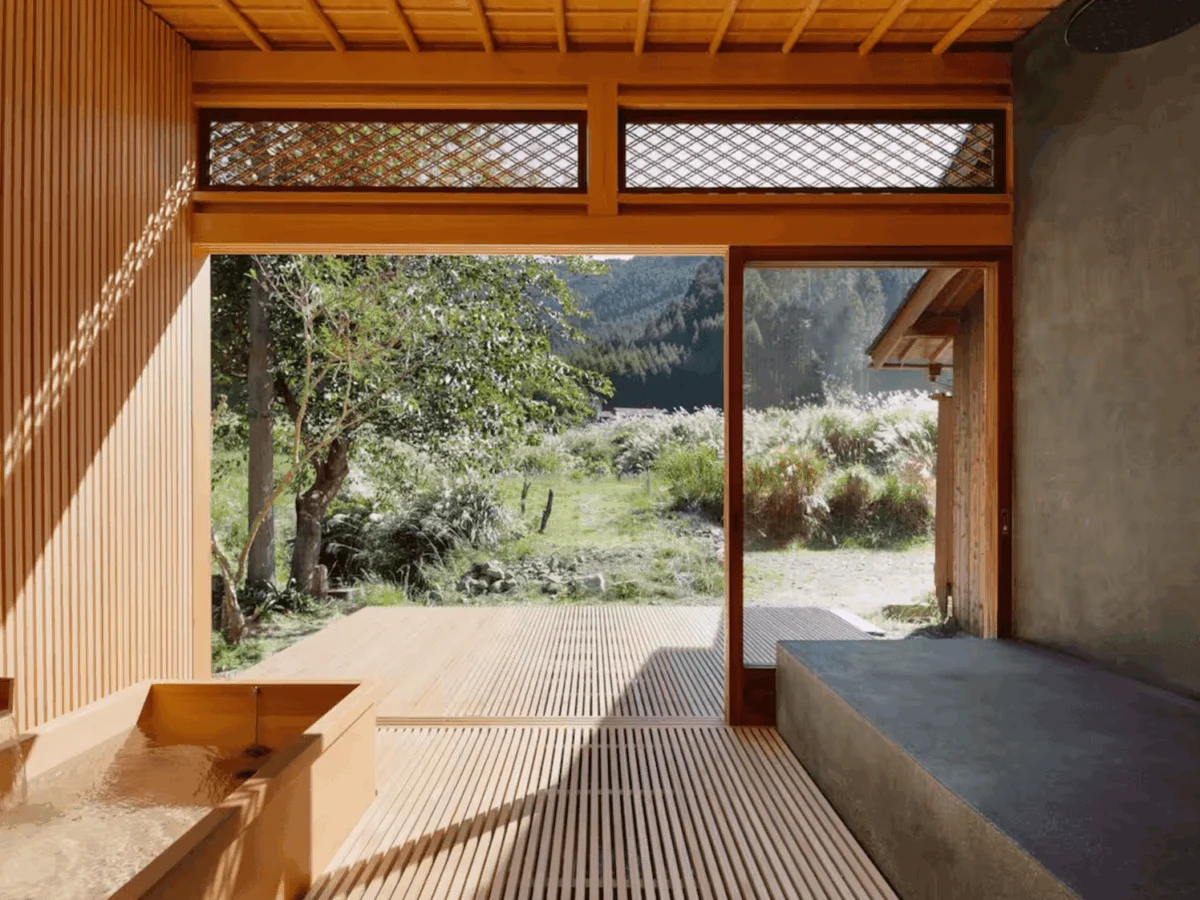
Kyoto, the former imperial capital of Japan, has long served as the nation’s cultural and spiritual heart, drawing millions of domestic and international visitors annually to its dense concentration of UNESCO World Heritage sites, meticulously preserved gardens, and historic wooden architecture. In the post-pandemic era, the city has experienced a significant shift in tourism dynamics, characterized by a transition from traditional hotel-based stays to residential-style accommodations. This trend is driven by a growing desire among travelers to escape the congestion of major commercial districts and immerse themselves in the "living history" of Kyoto’s residential neighborhoods. As visitor numbers return to—and in some cases exceed—pre-2020 levels, the role of short-term rentals, specifically traditional Kyo-machiya townhouses, has become a focal point for urban planning, economic development, and cultural preservation.
The Architectural Heritage of the Kyo-machiya
Central to the appeal of Kyoto’s residential tourism is the Kyo-machiya, a traditional wooden townhouse that dates back to the Heian period but reached its current form during the Edo and Meiji eras. Historically, these structures served as both residences and places of business for Kyoto’s merchant and artisan classes. Characterized by their narrow facades and deep interior layouts—often referred to as "unagi no nedoko" or eel’s bedrooms—machiya are architectural marvels designed to provide natural ventilation and light through the inclusion of "tsuboniwa" (small inner courtyards).
For decades, these structures faced the threat of demolition as modern development and the high costs of maintaining traditional timber frames led many owners to replace them with concrete apartment blocks or parking lots. However, the rise of the short-term rental market has provided a viable economic model for their preservation. By converting these historical assets into luxury vacation rentals or "minpaku" (private lodgings), developers and preservationists are able to fund the expensive restoration work required to maintain Kyoto’s traditional streetscapes. This "adaptive reuse" strategy ensures that the city’s aesthetic identity remains intact while providing modern amenities for global travelers seeking an authentic experience.
Chronology of Tourism Development and Regulation
The trajectory of Kyoto’s tourism industry has been marked by several key milestones that have shaped the current accommodation landscape:
- 1994: UNESCO Recognition: Seventeen locations in Kyoto, Uji, and Otsu were designated as World Heritage Sites. This solidified Kyoto’s position as a premier global destination.
- 2003: Visit Japan Campaign: The Japanese government launched a massive initiative to increase international arrivals, leading to a decade of rapid growth in the tourism sector.
- 2018: The Private Lodging Business Act (Minpaku Law): To address the unregulated growth of Airbnbs and similar platforms, the national government implemented strict registration requirements. Kyoto City added its own local ordinances, which are among the strictest in Japan, including requirements for on-site management and limitations on operating days in certain residential zones.
- 2020–2022: The Pandemic Hiatus: The complete closure of Japan’s borders allowed the city to reassess its tourism strategy. During this period, many hospitality providers focused on domestic "workation" trends and long-term residential stays.
- 2023–Present: The Recovery and Overtourism Concerns: Following the full reopening of borders, Kyoto has seen a surge in "revenge travel." This has led to renewed debates regarding overtourism, prompting the city to implement new measures such as the "tourist bus" and restricted access to certain private alleys in the Gion district.
Statistical Analysis of Visitor Trends and Economic Impact
Data from the Japan National Tourism Organization (JNTO) and the Kyoto City Tourism Association indicate a robust recovery in the hospitality sector. In 2023, the number of international visitors to Japan reached 25.07 million, with Kyoto remaining one of the top three most visited prefectures alongside Tokyo and Osaka.
The economic impact of this influx is substantial. According to city reports, tourism-related consumption in Kyoto has historically contributed over 1 trillion yen annually to the local economy. However, the distribution of this wealth has shifted. While large-scale hotels in the Shimogyo and Nakagyo wards continue to see high occupancy, there has been a 15% increase in the selection of "alternative accommodations" in outlying wards like Sakyo and Ukyo. This shift is attributed to the "slow travel" movement, where visitors stay for longer durations—averaging 4.5 nights in 2024 compared to 3.1 nights in 2019—and prioritize neighborhood-level engagement over checklist-style sightseeing.
Navigating the Geography of Kyoto Stays
The choice of neighborhood in Kyoto significantly dictates the traveler’s experience, as the city’s geography is divided into distinct zones with varying atmospheres:
The Central Core: Gion and Pontocho
The Higashiyama and Gion areas remain the most sought-after locations due to their proximity to the Yasaka Shrine and the high concentration of traditional tea houses. However, these areas are also the most impacted by foot traffic. Travelers opting for residential stays here often seek "hideaway" properties located in "roji" (narrow alleys) that provide a buffer from the crowded main thoroughfares.
The Western Retreat: Arashiyama
Known for its bamboo groves and river views, Arashiyama offers a more nature-oriented experience. Residential rentals in this area typically lean toward larger villas or modernized farmhouses, catering to families and groups who wish to explore the western mountains and the Kinkaku-ji (Golden Pavilion) region without the daily commute from the city center.
The Emerging North: Sakyo-ku
The Sakyo ward, home to Kyoto University and numerous artisan workshops, has become a hub for "artsy" and "bohemian" rentals. This area offers a quieter, more academic atmosphere, characterized by canal-side walks and independent bookstores. It represents the "local life" that many modern travelers crave, away from the commercialized centers of Shijo-Kawaramachi.
Regulatory Framework and Community Relations
The integration of short-term rentals into residential neighborhoods has not been without friction. Residents have frequently cited concerns regarding noise, improper trash disposal, and the loss of community cohesion as long-term neighbors are replaced by transient guests.
In response, the Kyoto City Government has implemented a "Kyoto Model" of tourism management. This includes:
- The Lodging Tax: A tiered tax ranging from 200 to 1,000 yen per person per night, which is reinvested into infrastructure and cultural preservation.
- Neighborhood Briefings: Prospective Airbnb hosts are often required to hold briefings with local residents before obtaining a license, ensuring that the community is aware of the management plan.
- Multilingual Support: The city mandates that operators provide 24-hour support in multiple languages to address guest issues immediately, minimizing the burden on local police and emergency services.
Official statements from the Kyoto City Tourism Bureau emphasize a "quality over quantity" approach. The goal is to attract "high-value" tourists who respect local customs and contribute to the preservation of the city’s heritage through responsible travel practices.
Broader Implications and Future Outlook
The rise of residential-style travel in Kyoto is a microcosm of a global shift in the tourism industry. Travelers are increasingly rejecting "sanitized" hotel experiences in favor of environments that offer a sense of place. In Kyoto, this has led to a renaissance of the machiya, turning what was once a disappearing architectural form into a premium asset class.
However, the sustainability of this model depends on a delicate balance. If too many residential buildings are converted into tourist rentals, the city risks "Disneyfication," where the very local culture that attracts visitors is displaced by the infrastructure designed to host them. The current trend toward "decentralized tourism"—encouraging visitors to explore less-crowded wards and visit during the winter "off-season"—is a strategic attempt to mitigate these risks.
The future of Kyoto’s hospitality sector will likely be defined by "smart" regulation and technological integration. From AI-driven noise monitoring systems in Airbnbs to digital maps that redirect tourists away from overcrowded areas in real-time, the city is positioning itself as a leader in sustainable urban tourism. By prioritizing the preservation of its historical residential fabric, Kyoto aims to remain not just a destination for sightseers, but a living, breathing city where tradition and modernity coexist for residents and visitors alike.
As the 2024–2025 travel seasons approach, the focus remains on ensuring that the influx of international capital through residential stays translates into the long-term protection of Kyoto’s thousand-year-old legacy. For the traveler, the opportunity to live—if only for a few days—within the wooden walls of a Kyo-machiya remains one of the most profound ways to connect with the essence of Japan.