Ferry Irwandi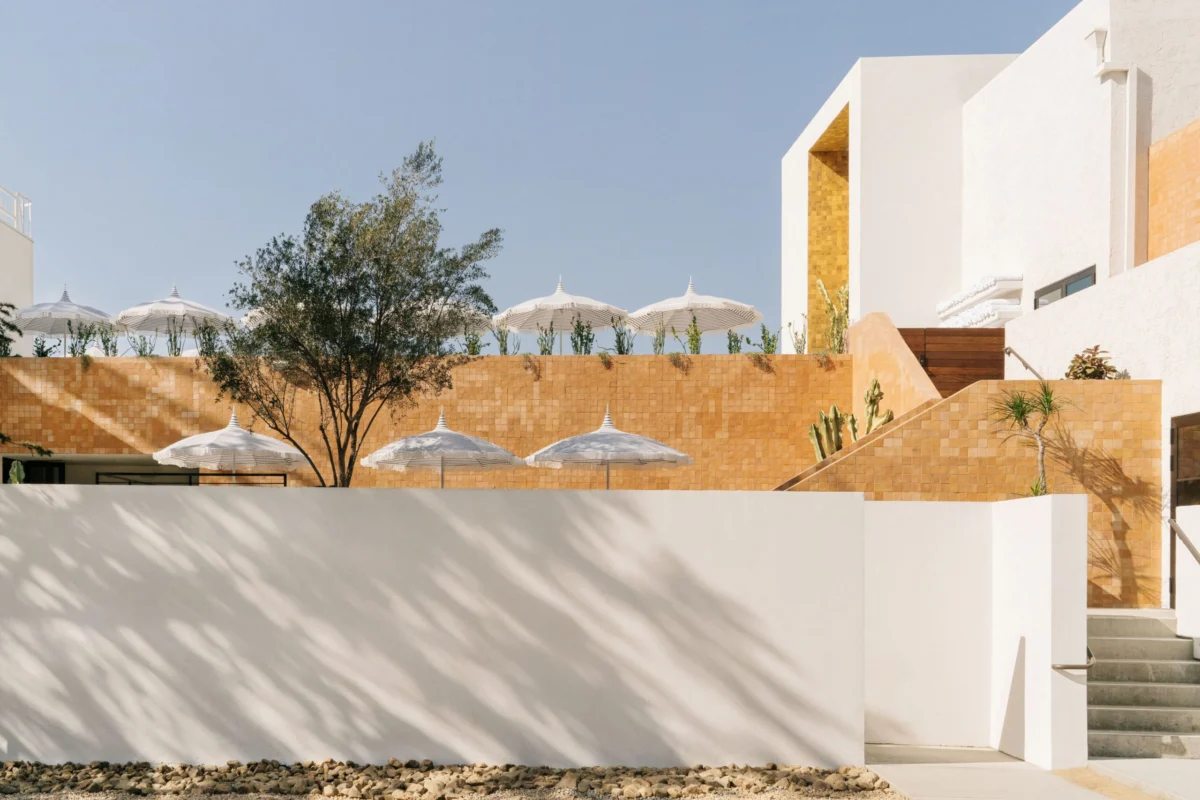
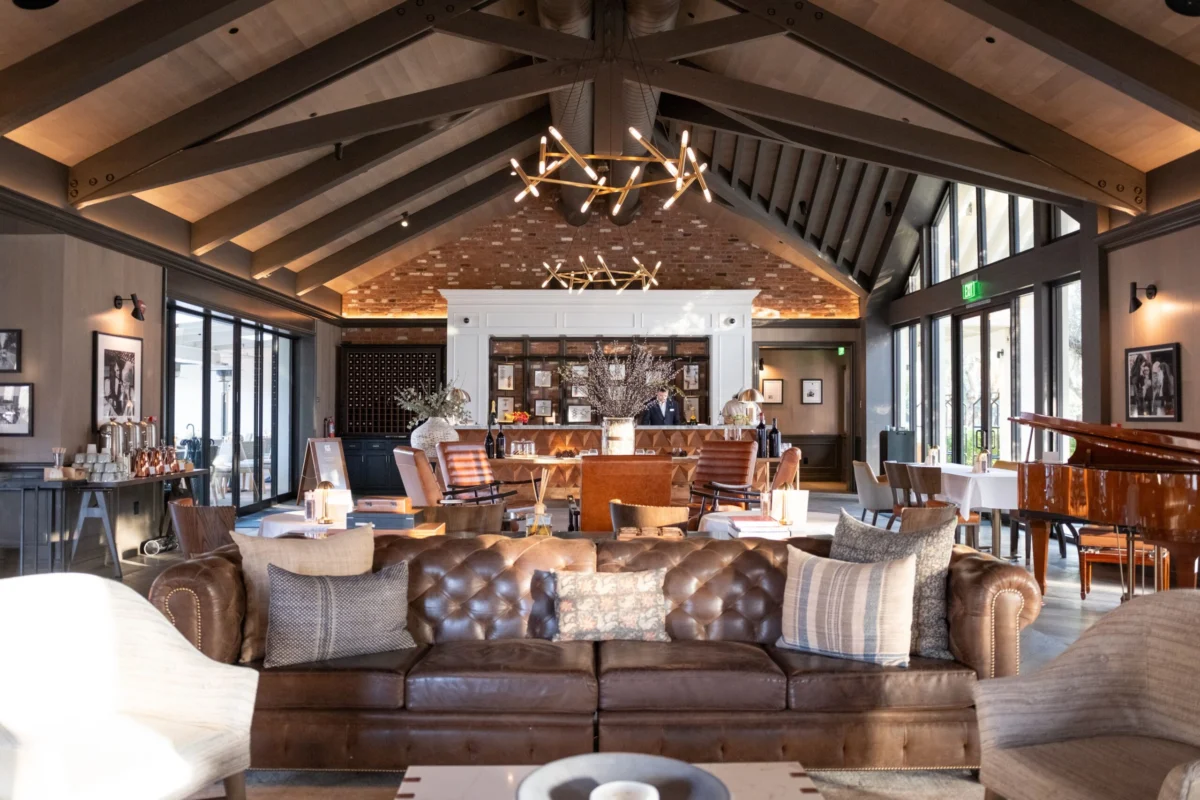
Los Angeles, a metropolis frequently defined by the singular shadow of the global entertainment industry, is undergoing a profound shift in its hospitality and tourism identity. While the city remains the undisputed home of Hollywood, the contemporary travel experience in Southern California has transitioned toward a decentralized model, emphasizing neighborhood-specific immersion over traditional tourist hubs. This evolution is most visible in the burgeoning boutique hotel sector, where properties with 100 rooms or fewer are redefining the visitor experience by serving as "neighborhood anchors" that reflect the distinct cultural and aesthetic identities of their surroundings. As the city continues to expand its transit infrastructure and diversify its economic base, these smaller, more intimate accommodations are providing a warmer, more approachable entry point into a city that has historically struggled with a reputation for being standoffish or inaccessible due to its immense scale.
The Strategic Shift Toward Decentralized Hospitality
The traditional Los Angeles itinerary once centered almost exclusively on Hollywood Boulevard and the major film studios. However, recent data from the Los Angeles Tourism & Convention Board indicates a growing preference among domestic and international travelers for "hyper-local" experiences. This trend has necessitated a shift in how the city’s hospitality infrastructure is developed. Unlike the massive, 1,000-room convention hotels found in Downtown Los Angeles (DTLA), the boutique hotels currently populating areas like Venice Beach, Silver Lake, and Thai Town are designed to integrate seamlessly into the existing urban fabric.
This shift is partly a response to the city’s unique geography. Los Angeles is often described as a "collection of suburbs in search of a city," but for the modern traveler, this fragmentation has become its greatest asset. Each neighborhood functions as a self-contained ecosystem with its own culinary, architectural, and social character. By opting for boutique stays, visitors are essentially choosing a specific "version" of Los Angeles to inhabit, whether that is the design-forward, café-heavy culture of the Eastside or the wellness-oriented, coastal lifestyle of the Westside.
A Chronology of the Los Angeles Hotel Market
To understand the current dominance of the boutique model, one must look at the chronological development of the city’s lodging industry.
- The Grand Era (1920s–1940s): The construction of landmark properties like The Beverly Hills Hotel and the Millennium Biltmore established Los Angeles as a destination for the global elite. These were "destination hotels" where the property itself was the primary draw.
- The Mid-Century Expansion (1950s–1970s): The rise of car culture led to the proliferation of the "motor hotel" or motel. During this period, the city’s sprawl became its defining feature, and hospitality became standardized to cater to the traveling family and the emerging business class.
- The Boutique Revolution (1990s–2010s): Influenced by the "lifestyle hotel" movement pioneered in New York and London, Los Angeles began to see the conversion of historic buildings into stylish, smaller properties. This era saw the revitalization of West Hollywood and the initial stirrings of the Downtown LA renaissance.
- The Neighborhood Immersion Era (2020–Present): The current market is defined by a desire for authenticity. Travelers are increasingly avoiding "tourist traps" in favor of staying in residential neighborhoods. This has led to the rise of hotels with around or under 100 rooms, focusing on personalized service and deep local ties.
Strategic Neighborhood Analysis: Where the City Meets the Pacific
The Westside of Los Angeles, encompassing Venice, Santa Monica, and Malibu, remains the most visually striking and sought-after region for travelers seeking a connection with nature. Geographically, this area is where the urban density of the city meets the expansive Pacific Ocean and the rugged Santa Monica Mountains.
In Venice and Santa Monica, the hospitality market has adapted to the high demand for "walkable" Los Angeles. While the city as a whole is car-dependent, these coastal enclaves offer a rare pedestrian-friendly environment. Boutique hotels in Venice Beach, for instance, often lean into the area’s bohemian and "skate-and-surf" history, offering guests direct access to the Venice Boardwalk and the Abbot Kinney shopping district.
Further north, Malibu offers a contrast with a more laid-back, exclusive atmosphere. The hospitality model here is less about bustling sidewalks and more about seclusion and scenic coastal drives. This region attracts a demographic that prioritizes privacy and outdoor activities, such as hiking the Backbone Trail or surfing at Surfrider Beach.
The Interior Enclaves: Film, Food, and Design
As one moves inland, the character of the boutique hotel shifts from "coastal retreat" to "urban sanctuary." West Hollywood (WeHo) has emerged as one of the most walkable and densely packed neighborhoods for dining and nightlife. The boutique hotels here often emphasize their proximity to the Sunset Strip and the Pacific Design Center, catering to a crowd interested in the creative industries.
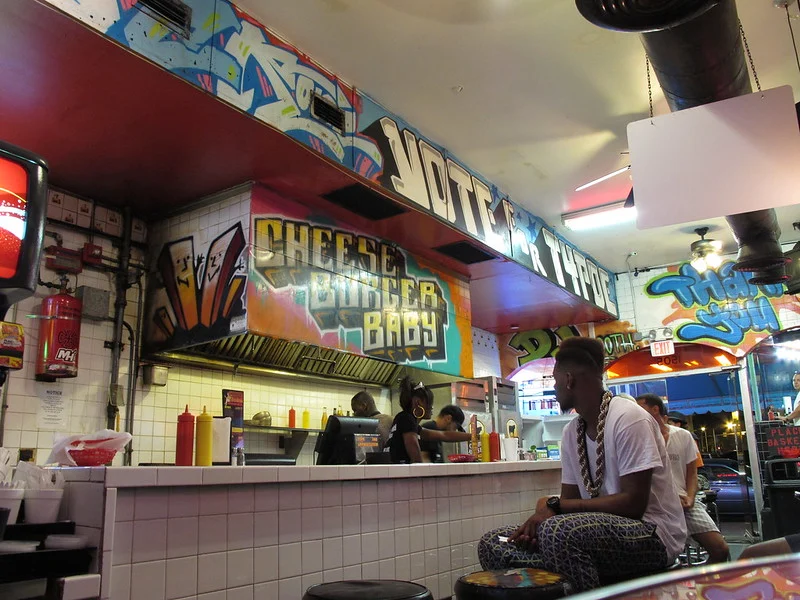
Further east, Silver Lake and Thai Town represent the "new" Los Angeles travel circuit. Silver Lake, in particular, has become a global benchmark for hipster-led urban revitalization. The boutique properties in this area are often housed in repurposed mid-century buildings, reflecting a design-forward aesthetic that appeals to younger, affluent travelers who prioritize "café culture" and independent boutiques over luxury malls.
In contrast, Beverly Hills and Bel-Air maintain the city’s "polished" reputation. These neighborhoods are characterized by manicured gardens, sprawling estates, and the high-end retail of the Golden Triangle. Boutique stays in Beverly Hills often take the form of "pied-à-terre" style accommodations, offering a level of service and discretion that larger luxury chains cannot replicate.
Supporting Data: The Economic Impact of Boutique Stays
According to hospitality industry reports, boutique hotels in Los Angeles consistently outperform larger chain hotels in terms of Average Daily Rate (ADR) and Revenue Per Available Room (RevPAR) in several key sub-markets.
- Occupancy Trends: While city-wide occupancy rates have fluctuated in the post-pandemic era, boutique hotels in "lifestyle" neighborhoods like Venice and Silver Lake have seen a faster recovery, often maintaining occupancy rates 5–10% higher than the city average.
- Consumer Preference: A 2023 survey of luxury travelers indicated that 64% of respondents preferred hotels that offered "local authenticity" over standardized luxury.
- Service Ratios: Smaller properties (under 100 rooms) typically maintain a higher staff-to-guest ratio, which translates to the "warmer" and more "attentive" service noted by industry critics. This is a critical competitive advantage in a city where service can often feel transactional.
Official Responses and Industry Perspectives
Hospitality analysts suggest that the rise of boutique hotels is a direct response to the "homogenization" of global travel. "Travelers are no longer looking for a room; they are looking for a vantage point," says one industry consultant specializing in the Southern California market. "A boutique hotel in Thai Town tells a completely different story than one in Beverly Hills. The market is rewarding developers who can curate those specific stories."
City planning officials have also noted that boutique hotels often face fewer hurdles during the approval process compared to mega-resorts. Because they occupy smaller footprints and often involve the adaptive reuse of historic structures, they are seen as more sustainable and less disruptive to local communities. This alignment with "sustainability credentials" has become a key factor for editors and journalists when selecting properties for recommendation.
Broader Implications and the Future of LA Tourism
The proliferation of boutique hotels has significant implications for the future of Los Angeles as a global destination. First, it encourages a more equitable distribution of tourism dollars. When visitors stay in neighborhoods like Silver Lake or Thai Town, their spending supports local independent businesses, restaurants, and artisans rather than just major international corporations.
Second, the boutique model is driving a "softening" of the city’s image. By providing a more intimate and approachable experience, these hotels help dismantle the stereotype of Los Angeles as a cold, car-centric desert. They allow the city to be experienced at a human scale.
As Los Angeles prepares for major upcoming events, including the 2026 FIFA World Cup and the 2028 Summer Olympics, the boutique hotel sector is expected to play a crucial role. These properties will provide the "insider" experiences that high-value travelers crave, ensuring that the city’s diverse neighborhoods—not just its famous landmarks—remain at the center of the global stage. The transition from a city of "attractions" to a city of "experiences" is nearly complete, with the boutique hotel serving as the essential bridge for the modern visitor.